










The First 10 Days After Hair Transplantation
The first 10 days after hair transplantation are the most critical period for protecting the grafts and ensuring healthy healing of the scalp.

- Last updated
- 278 reads
- 12 min read
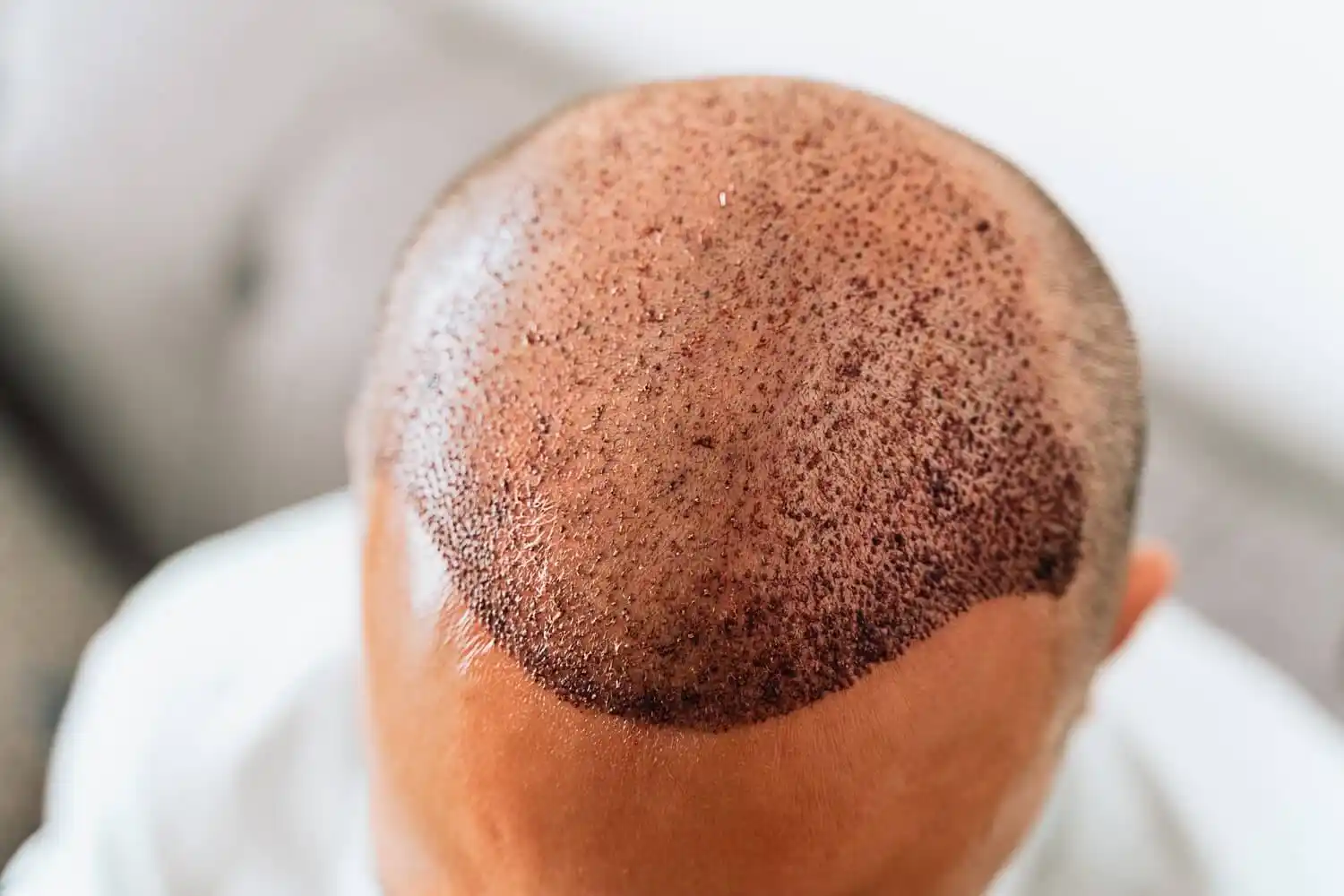


The First 10 Days After Hair Transplant: Recovery Process and Important Precautions
The first 10 days after a hair transplant are the most critical period for protecting the transplanted grafts and ensuring healthy scalp healing. During this time, factors such as washing, sleeping position, scab formation, sweating, sun protection, and returning to daily life play an important role in the outcome. Care shown during the first days helps both the transplanted area and the donor region recover more comfortably.
Most people who undergo hair transplantation focus on the immediate visual change in the mirror as soon as the procedure is completed. However, the first measure of success is not how the transplanted hair initially looks, but whether the grafts attach securely to their new locations without damage. Thousands of small grafts are placed into new areas along the frontal hairline or crown region. In the donor area, there are micro healing points where the hair follicles were extracted. During this period, the scalp is both sensitive and more vulnerable to external factors.
For this reason, the first 10 days after hair transplantation are considered the period in which aftercare rules should be followed most strictly. The required precautions are not complicated; however, careless movement, harsh contact, or incorrect product use may make the healing process more difficult.
Why Are the First 10 Days After Hair Transplant Important?
During a hair transplant, the harvested grafts are placed into bald or thinning areas through small channels. These grafts must be protected from friction, pressure, and impact during the first days. Especially the first 48 hours are considered the most sensitive period for the transplanted area.
In a study evaluating how grafts become more securely attached to the scalp over time, it was observed that mechanical pulling during the first two days could cause graft loss, whereas from the ninth day onward the grafts became significantly more resistant to displacement. This clearly explains why careful aftercare during the first 10 days is so important.
However, reaching the 10th day does not mean that all aftercare rules suddenly end. Although the grafts become safer, redness, sensitivity, or scab remnants may still continue on the scalp. Since each person heals at a different rate, the aftercare plan provided by the clinic that performed the procedure should always take priority.
The Day of the Operation: What Should Be Considered During the First Hours?
Once the hair transplant procedure is completed, newly implanted grafts are present in the recipient area, while small extraction points remain in the donor area. After the procedure, you may feel mild tightness, numbness, or sensitivity in your scalp. There may be a dressing in the donor area, while the transplanted area is usually left uncovered.
The most important rule on the day of the operation is to avoid touching your head. While removing clothes, getting into a vehicle, passing through a doorway, or returning home, there is a risk of accidentally hitting your head against a surface. Therefore, your movements should be slower and more controlled during the first day.
Sleeping position is also important on the first night. Sleeping with your head slightly elevated may help reduce swelling that could develop toward the forehead. The transplanted area should not rub against the pillow. If transplantation was performed in the frontal area, sleeping on your back may be more comfortable; if the crown area was treated, it is important to follow the specific position recommended to you.
On the operation day, you should not apply water, cream, oil, spray, or antiseptics to the transplanted area on your own initiative. Every product to be used on the scalp should be applied according to the instructions given after the procedure.
Days 1 and 2: The Most Sensitive Period for the Grafts
During the first two days after hair transplantation, redness, mild blood traces, tightness, and soreness in the donor area may be seen on the scalp. In some people, mild swelling around the forehead may also begin. These symptoms are generally considered early healing signs that may appear after the operation.
During this period, the transplanted area should not be touched, scratched, or exposed to friction. Instead of tight collared clothes pulled over the head, buttoned or zippered tops are more practical while dressing. This is because removing t-shirts or sweaters may increase the risk of contact with the transplanted area.
The timing of the first wash may vary according to the clinic’s treatment plan. Some centers perform the first wash at the clinic, while others provide home care instructions after a certain number of days. At this stage, it is not appropriate to start taking normal showers according to your usual habits. Pressurized water, hot showers, or rubbing the scalp while washing are not suitable in the early period.
Keeping the head elevated while sleeping, avoiding prolonged bending forward, and not lifting heavy objects may also increase comfort during the first days. Temporary swelling may occur, especially in individuals who had transplantation in the forehead area. Swelling is generally expected to decrease within a few days; however, if increasing pain, significant bleeding, or unusual symptoms occur, the clinic should be contacted.
Days 3 and 4: The First Washes and Scabbing Process
On the third and fourth days, the small scabs in the transplanted area may become more visible. Although this appearance worries many people, scabbing after hair transplantation is a natural part of the skin’s healing process. The dried tissue and small scabs formed around the grafts gradually soften and fall off over time with proper washing.
The purpose of washing is not to forcefully remove the scabs, but to gently keep the scalp clean and allow the scabs to soften naturally. The type of lotion or shampoo used depends on the care plan provided to you. While applying products to the scalp, no harsh pressure should be used, fingernails should not touch the area, and the transplanted region should not be rubbed.
Instead of directing strong water pressure directly onto the transplanted area, a gentler flow should be preferred. After rinsing, drying the scalp harshly with a towel is not appropriate. Different care instructions may have been given for the donor area and the transplanted area, so these two regions should not be confused.
Itching may begin during these days. Itching is usually related to healing and dryness. However, no matter how uncomfortable it becomes, scratching the transplanted area with fingernails is not correct. If the itching becomes unbearable, you should consult the team that provided your care instructions rather than using random creams or sprays.
Days 5 and 6: The Appearance Begins to Change
On the fifth and sixth days after hair transplantation, redness may begin to decrease in some individuals. The scabs, however, may still be prominent. At this stage, the transplanted area may appear dotted, dark, or textured from the outside. In the donor area, the extraction points continue to heal, and sensitivity at the back of the head may decrease.
Feeling more comfortable in the scalp does not mean that aftercare attention should be reduced. Although the grafts become safer compared to the first days, removing scabs by hand, washing the hair aggressively, or engaging in activities that create friction on the head are still not appropriate.
During these days, you may feel more capable of returning to daily life. Some individuals may return earlier to low risk jobs such as desk work where physical contact is minimal. However, jobs involving excessive sweating, dusty environments, helmets, or tight hats require more careful planning.
Especially if you had the procedure during summer, spending long periods outdoors, exposing the scalp to sunlight, and sweating may cause discomfort. Instead of deciding on your own about hat use, it is safer to follow the clinic’s recommendation regarding the appropriate model and timing that will not place pressure on the transplanted area.
Day 7: What Should Be Expected at the End of the First Week?
When the first week after hair transplantation is completed, most people feel more comfortable compared to the first days. Swelling has generally decreased, soreness in the donor area becomes milder, and daily life becomes easier. Nevertheless, it is still normal for scabs to remain in the transplanted area or for redness to be visible.
The seventh day is a period that requires patience regarding appearance for many people. The hair still looks newly transplanted, and the scabs may make the hairline appear darker and harsher than it really is. It is not appropriate to evaluate the final result at this stage. The naturalness of the hairline, density, and hair growth will become clearer over the coming months.
Continuing the habit of protecting the transplanted area during sleep may still be beneficial during the first week. If your scalp still appears sensitive, you should avoid rushing into using tight hats, beanies, helmets, or exposing the area to hard contact with pillows. Even if you physically feel well, you should remember that scalp healing is still ongoing.
Days 8, 9, and 10: Scab Removal and a More Comfortable Period
From the eighth day onward, the scabs may begin to soften and noticeably decrease. Around the tenth day, some individuals undergo scab cleaning. The purpose of this process is to gently remove remaining scabs from the scalp and make the transplanted area appear cleaner.
Scab cleaning should not be done randomly. Pulling off dry scabs with fingernails, applying harsh massage, or trying to forcefully remove them in a single session is not appropriate. The area should first be softened, and the washing technique described to you should be followed. After scab removal, redness or a slightly pink appearance may still continue in the transplanted area.
Around the tenth day, seeing the transplanted hairs more clearly may make you happy. However, some of these hairs may shed in the following weeks. Temporary shedding after hair transplantation does not mean the hair follicles are lost. While the transplanted follicles remain under the skin, the visible hair shafts may shed, and new growth may begin in the following months.
How Should Washing Be Done During the First 10 Days After Hair Transplant?
The washing process is one of the most sensitive aspects of the first 10 days. After the operation, you should be informed about when to begin washing, which product to use, and when scab cleaning should be performed. Not every clinic uses the same method; therefore, instead of following general internet advice, you should adhere to the plan provided to you.
Very hot water should not be used during washing, and the scalp should not be exposed to strong water pressure. Contact with fingernails, harsh rubbing, and friction movements should be avoided in the transplanted area. Although the donor area may be easier to clean than the transplanted area, it should still not be handled harshly enough to cause irritation.
It is normal that all scabs do not disappear immediately after the first washes. Forcing the area in an attempt to make the scalp look completely clean may cause unnecessary irritation where the grafts are located. Patient and regular washing is a more appropriate approach than fast but aggressive intervention.
Sports, Sweating, and Daily Life During the First 10 Days
Intense sports are generally not recommended during the first 10 days after hair transplantation. The reason is not only fatigue. Heavy exercise may increase heart rate and sweating, which can cause itching and discomfort on the scalp. In addition, uncontrolled movements increase the risk of impact to the head.
If you have not been given specific restrictions, you may move around normally at home. However, activities such as weightlifting, running, football, fitness training, swimming, saunas, and Turkish baths should be postponed until your healing process allows them.
Sexual activity also requires caution during the first days due to the risk of physical exertion, sweating, and unintentional head contact. Following the recommended waiting period helps you safely get through the most sensitive stage of graft healing.
Sea, Pool, Sun Exposure, and Hat Use
The first 10 days after hair transplantation are not considered suitable for swimming in the sea or pools. While the transplanted and donor areas are healing, pool chemicals, seawater, sun exposure, and prolonged moisture on the scalp may cause unnecessary irritation. If you have a vacation planned, considering this healing process while scheduling the operation may make things easier.
Protection from sunlight is also important. A newly treated scalp may be sensitive to direct sunlight. If you need to go outside during the first days, reducing the amount of time spent outdoors is more appropriate. Hat use should only be planned once permitted and in a way that does not place pressure on the transplanted area.
Tight hats that cause sweating or friction on the scalp are not suitable in the early period. The main goal of post transplant care is not simply to cover the area, but to protect the grafts from pressure and irritation.
How Does the Donor Area Heal During the First 10 Days?
The donor area refers to the back of the head and sometimes the side hair regions where hair follicles are extracted. During the first days, small dots, redness, sensitivity, dryness, and itching may appear in this area. Some individuals may also feel discomfort when the donor area touches the pillow while sleeping.
If a cream, ointment, or special washing routine has been recommended for the donor area, only the specified products should be used. It is not appropriate to apply moisturizers, oils, or cosmetic products found at home on your own initiative. In most people, the donor area becomes comfortable sooner than the transplanted area; however, excessive redness, discharge, bad odor, or increasing pain require evaluation.
Among the early issues that may occur after hair transplantation are pain, swelling, itching, scabbing, temporary sensory changes, and, rarely, infection. If increasing pain, pus like discharge, bad odor, fever, or noticeable tissue problems develop during healing, medical evaluation should not be delayed.
Mistakes Made During the First 10 Days
The most common mistake during the first days after hair transplantation is intervening excessively in an attempt to speed up healing. Trying to remove scabs too early, washing the scalp harshly, applying too many products, or randomly following online care advice may cause harm rather than benefit.
Another mistake is returning too early to intense sports, prolonged sun exposure, or social activities simply because you feel physically well. A decrease in pain after hair transplantation does not mean that the grafts are completely protected from external factors.
Medication use also requires attention. Painkillers, antibiotics, sprays, or care products should be used exactly as instructed. Starting an unprescribed product on your own or discontinuing prescribed medication too early is not appropriate.
When Should You Contact the Clinic?
Mild redness, scabbing, itching, donor area sensitivity, and temporary swelling are common after hair transplantation. However, you should contact your clinic if bleeding does not stop, pain progressively increases, yellow or green discharge appears, there is a bad odor, fever develops, the head receives trauma, you suspect a graft has come out, or unusual darkening occurs on the skin.
Likewise, if scabs remain intensely for a long time despite following the care plan, if wounds develop in the donor area without healing, or if redness significantly increases, a medical check may be necessary. Informing the clinic early is safer than trying to solve the problem yourself.
What Happens After the 10th Day Following Hair Transplantation?
Once the tenth day is completed, the most sensitive part of the hair transplant process is largely behind you. The scabs may have been cleaned or reduced, the donor area may feel more comfortable, and returning to daily life becomes easier. However, it is still far too early to evaluate the final results.
In the coming weeks, some of the transplanted hairs may shed. Although this stage causes anxiety in many people, it is one of the expected processes after hair transplantation. New hair growth usually begins to become noticeable a few months later. The first significant changes may appear around the fourth month, while a fuller appearance develops in the following months.
For this reason, the purpose of the first 10 days is not to expect immediate hair growth, but to ensure that the transplanted hair follicles are protected in a healthy healing environment.
- Last updated
- Language
- English
How did you find this article?
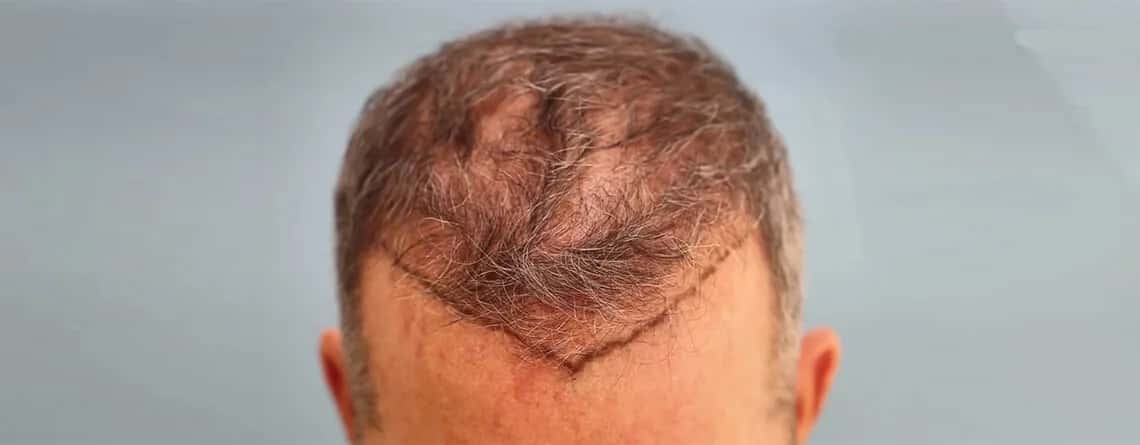
A hair transplant can look thinner in photos than it appears in person because lighting, camera angles, hair length and scalp visibility influence how the hair is captured.
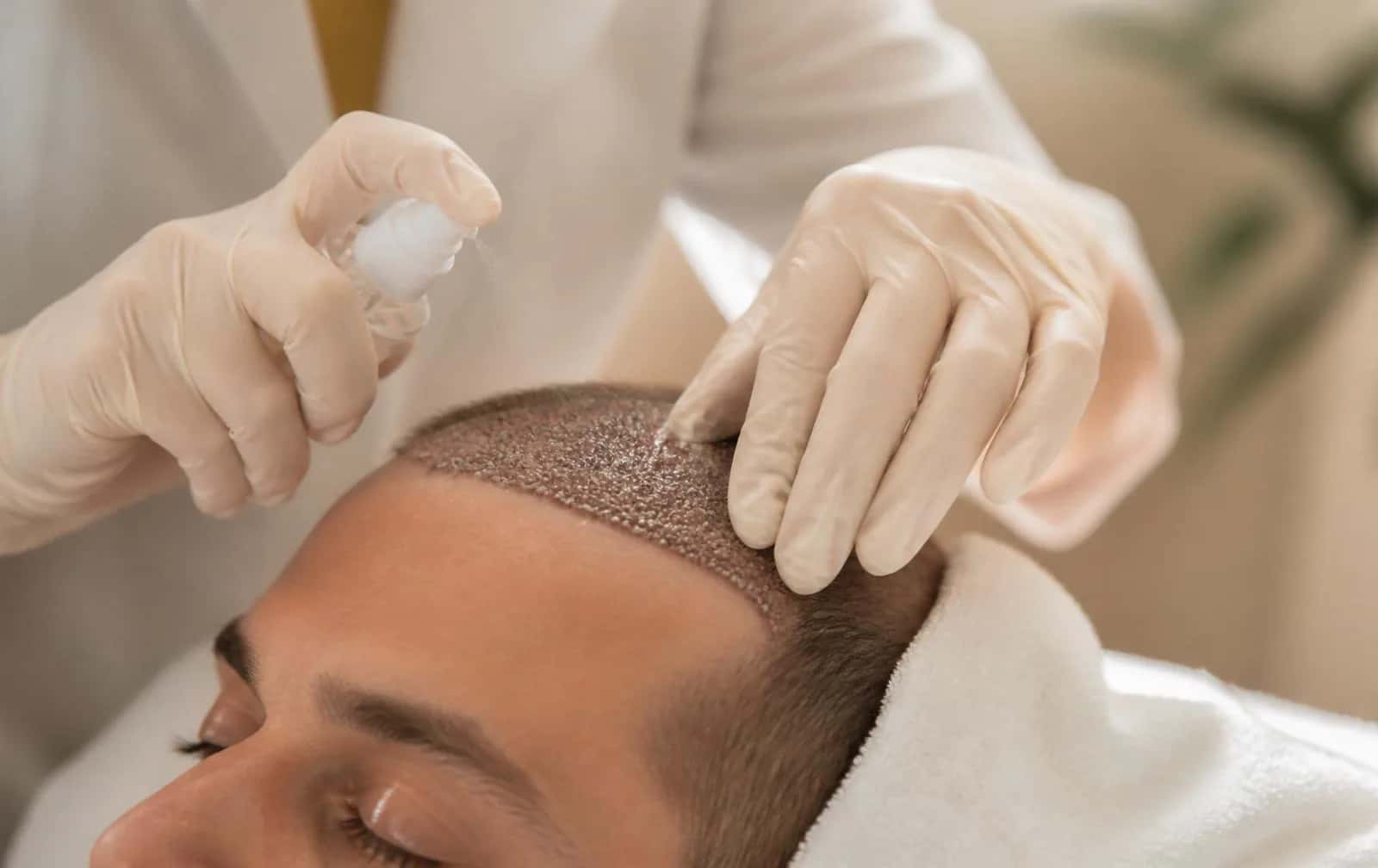
Hiding a hair transplant during recovery requires balancing personal privacy with the need to protect newly implanted follicles.
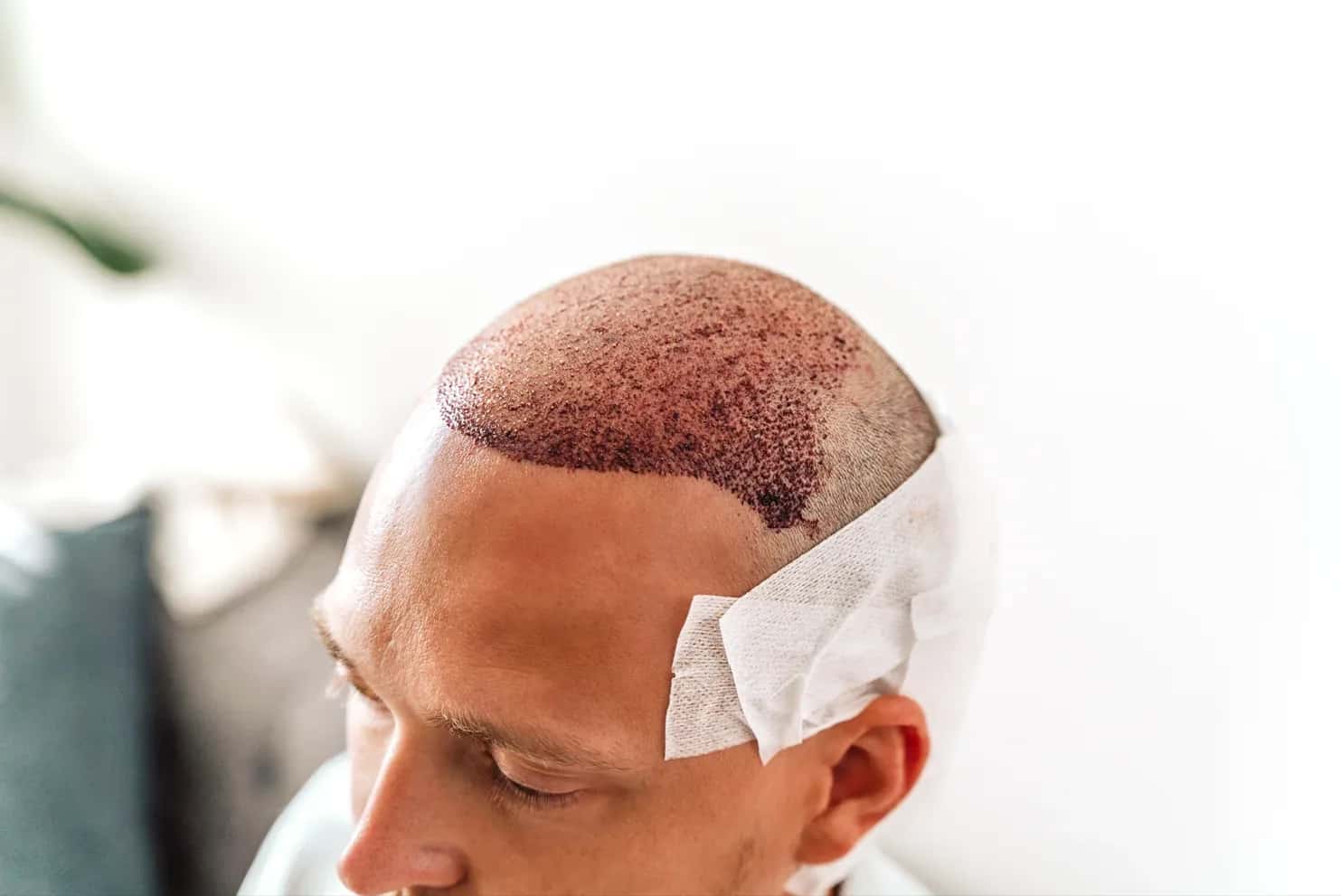
Returning to work after a hair transplant requires careful planning to protect newly implanted follicles while allowing the scalp to heal comfortably.

Subscribe to the Medifinder newsletter and never miss our latest content.