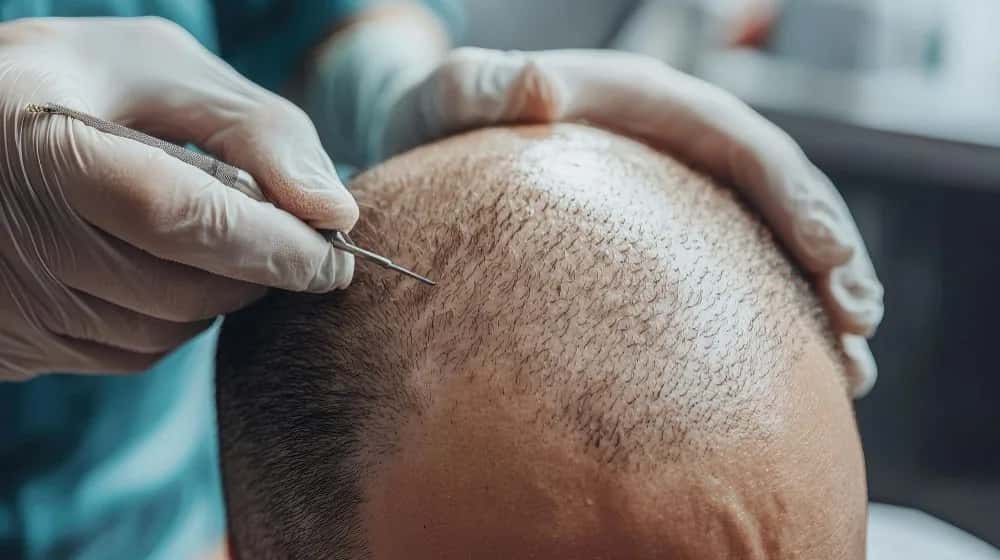
Hair transplant can be a solution for trichotillomania related hair loss in selected cases, but only after the hair pulling behavior has been treated and controlled for a stable period. Trichotillomania is not the same as ordinary hair loss. It is a body-focused repetitive behavior that leads to hair damage.
Post-Finasteride Syndrome is a term used to describe persistent sexual, physical, cognitive, and emotional symptoms that some people report after stopping finasteride. Finasteride is commonly used for male pattern hair loss and benign prostate enlargement because it lowers the conversion of testosterone.
FUE hair growth is a gradual process, and most patients need 12 to 18 months to see the final outcome. The first few weeks focus on healing, the next stage often includes temporary shedding, and visible growth usually begins several months after surgery. This timeline can feel slow, but it is a normal.
A hair mill in hair restoration usually means a high-volume hair transplant operation that focuses on doing many procedures quickly instead of providing careful medical evaluation, personalized planning, and consistent surgeon involvement. The term is not a formal medical diagnosis.
Smoking can affect hair loss and thinning by damaging scalp health, weakening blood circulation, increasing oxidative stress, and disrupting the normal hair growth cycle. Hair loss is usually caused by more than one factor, including genetics, hormones, age, nutrition, stress, medical conditions, and lifestyle habits.
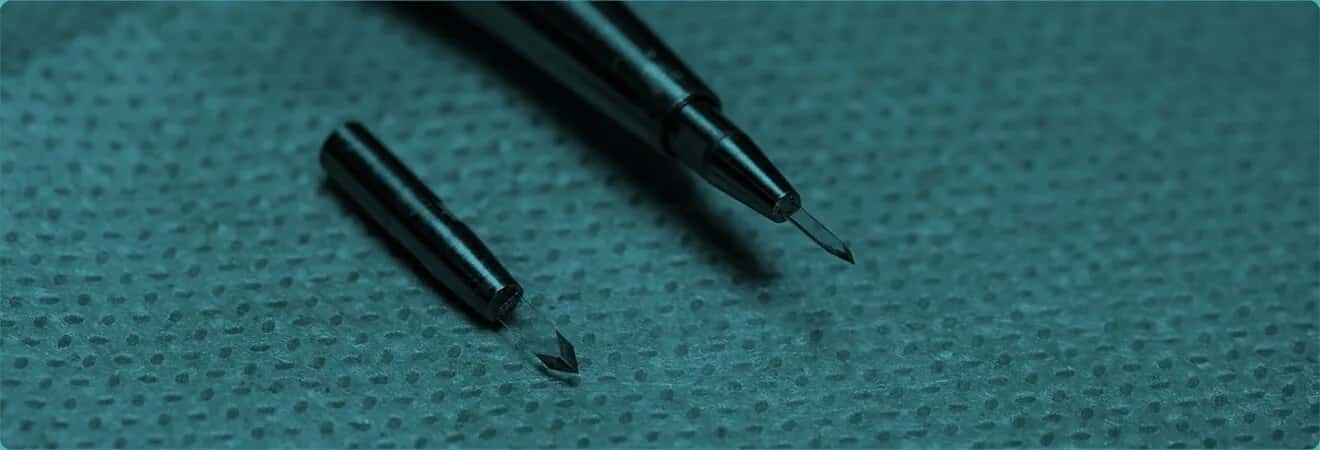
Sapphire FUE differs from conventional FUE mainly in the channel-opening stage of the hair transplant procedure. Both techniques use individual graft extraction from the donor area, but Sapphire FUE uses sapphire-tipped blades to create recipient channels.
Body hair can be used for a hair transplant in selected patients, especially when the traditional scalp donor area is limited. In modern hair restoration, body hair transplantation is usually performed with the FUE technique, which allows individual follicles to be extracted from areas such as the beard, chest.
Thick skin can affect rhinoplasty by making nasal refinement more challenging, especially around the nasal tip, where definition, shape, and projection are most visible. In rhinoplasty, the surgeon reshapes the bone and cartilage underneath the skin, but the final appearance depends on how well the skin adapts.
The Hamilton Scale, more commonly known today as the Hamilton Norwood Scale, is a visual classification system used to describe the stages of male pattern hair loss. It helps identify how far hair loss has progressed, where thinning is most visible, and what type of treatment plan may be suitable.












 Nadiye Hacıömeroğlu