










Is Body Hair Usable for Hair Transplant?
Body hair can be used for a hair transplant in selected patients, especially when the traditional scalp donor area is limited. In modern hair restoration, body hair transplantation is usually performed with the FUE technique, which allows individual follicles to be extracted from areas such as the beard, chest.

- Last updated
- 74 reads
- 9 min read



What Is Body Hair Transplant?
Body hair transplant is a hair restoration method that uses hair follicles from non-scalp areas and transplants them to the scalp. The most common body donor sources are beard and chest hair, although other areas may be considered depending on the patient’s hair quality.
The procedure is usually done with FUE, also known as follicular unit extraction. In this method, individual follicular units are removed one by one and implanted into the recipient area. This avoids a long linear scar and makes it possible to harvest from curved or smaller body areas.
Body hair transplant is most often considered when the patient does not have enough usable scalp donor hair. It can also be used to improve density in specific zones, repair scars, support crown coverage, or add volume behind a stronger frontal hairline created with scalp grafts.
Is Body Hair The Same As Scalp Hair?
Body hair is not the same as scalp hair. This is one of the most important facts patients should understand before treatment. Scalp hair usually grows longer, has a more predictable cycle, and blends naturally with surrounding hair. Body hair may be shorter, curlier, thicker, finer, coarser, lighter, or darker depending on the donor area.
Beard hair is often thicker than scalp hair and can provide strong visual density, especially in the mid-scalp or crown. Chest hair may be softer or curlier and may not grow as long. Arm or leg hair is usually finer and may provide less coverage.
Because of these differences, body hair should usually be used as a supporting donor source rather than the main foundation of a hair transplant. The best results often come from combining scalp hair and selected body hair strategically.
When Is Body Hair Used For Hair Transplant?
Body hair is usually used when scalp donor supply is not enough. This may happen in patients with advanced male pattern baldness, weak donor density, previous overharvesting, old transplant scars, or a large bald area that needs additional coverage.
It may also help patients who want better crown density after the front and mid-scalp have already been treated. Since the crown can require many grafts and does not always need the same level of fine hairline detail, beard or chest hair may be considered there in selected cases.
Body hair can also be useful in repair procedures. If a patient had an older transplant with unnatural plugs, scars, or poor density, body hair may provide extra grafts when the scalp donor area is already limited.
Which Body Hair Is Best For Hair Transplant?
Beard hair is often considered the strongest body donor source for many male patients. It is usually thicker, more robust, and more visible after transplantation. Because of its caliber, beard hair can add density in areas where coverage matters.
Chest hair is another commonly used source. It may be useful for adding softness or blending, but it can be more variable. Some patients have strong chest hair, while others have fine, short, or sparse chest hair that may not provide enough value.
Other body areas such as the abdomen, back, arms, and legs may be considered, but they are usually less predictable. The best donor source depends on hair thickness, growth length, color match, curl pattern, availability, and how well it can blend with scalp hair.
Can Beard Hair Be Used On The Scalp?
Yes, beard hair can be used on the scalp in suitable patients. It is often used as a secondary donor source when scalp hair is limited. Beard grafts may be especially helpful for the mid-scalp, crown, or areas that need stronger density.
However, beard hair should be placed carefully. Because it can be thicker and more wiry than scalp hair, it may not look natural in the frontal hairline if used too heavily. The hairline usually needs softer, finer grafts to create a realistic edge. For this reason, scalp hair is often preferred for the front, while beard hair may be placed behind it to improve fullness.
A skilled surgeon can blend beard hair with scalp hair to create a more natural transition.
Can Chest Hair Be Used For Hair Transplant?
Chest hair can be used for hair transplant, but it is more variable than beard hair. In some patients, chest hair has enough thickness and growth potential to support scalp coverage. In others, it may be too fine, too curly, too sparse, or too short to make a strong difference.
Chest hair may work better when used in combination with scalp and beard hair. It can help soften certain areas or add coverage where perfect texture matching is less critical. It is not usually the first choice for hairline design.
Before using chest hair, the surgeon should assess density, curl, color, shaft thickness, and growth behavior. A test session may be helpful in uncertain cases.
Does Body Hair Grow Long After Transplant?
Body hair may grow longer after being transplanted to the scalp, but it usually keeps many of its original characteristics. This means beard hair may remain thicker, chest hair may remain curlier, and body hair may not grow as long as scalp hair.
Some body hair adapts partially to the scalp environment, but this adaptation is not always predictable. Patients should not expect body hair to become identical to natural scalp hair.
This is why planning is important. If body hair is placed in areas where long, soft growth is needed, the result may look mismatched. If it is placed in areas where density and coverage are more important than length, it may perform better.
Is Body Hair Good For Hairline Restoration?
Body hair is usually not the best first choice for hairline restoration. The frontal hairline requires fine, soft, natural-looking grafts. Scalp hair from the traditional donor area usually creates the most realistic hairline because it matches the surrounding hair better.
Body hair, especially beard hair, can look too thick or coarse at the very front if not blended carefully. A natural hairline needs irregularity, softness, and proper angle control. If coarse grafts are placed at the edge, the result may appear harsh.
In some complex repair cases, body hair may be used behind the hairline to add density. The visible front edge is usually better created with finer scalp grafts.
Is Body Hair Useful For Crown Coverage?
Body hair can be useful for crown coverage in selected patients. The crown often requires many grafts, and coverage can be difficult when scalp donor supply is limited. Beard or chest hair may help reduce scalp visibility and improve the appearance of density.
The crown also has a spiral growth pattern, so placement angles must be carefully controlled. Body hair texture must blend with existing scalp hair to avoid an uneven look.
For advanced hair loss, body hair may help extend coverage, but it cannot always create full density. The goal is often improvement, not complete restoration.
What Are The Benefits Of Body Hair Transplant?
The main benefit of body hair transplant is additional donor supply. This can be valuable for patients who do not have enough scalp donor hair for their goals.
Another benefit is better donor management. By using body hair in less visible or high-coverage areas, the surgeon may preserve scalp hair for the most important zones, such as the hairline and frontal frame.
Body hair can also help repair scars, improve density after previous procedures, and support large restoration plans. For selected patients, it can make a limited donor situation more manageable.
What Are The Limitations Of Body Hair Transplant?
Body hair transplant has clear limitations. Growth can be less predictable than scalp hair. Texture may not match. Length may remain shorter. Some grafts may not survive as strongly. The cosmetic value of each graft may also differ from scalp grafts.
Body donor harvesting can also leave small dot-like marks, changes in texture, or temporary skin irritation. The risk depends on the donor area, skin type, extraction technique, and healing response.
Patients should understand that body hair is a resource, not a guarantee. It can improve a plan, but it cannot always solve severe baldness on its own.
Who Is A Good Candidate For Body Hair Transplant?
A good candidate usually has strong body hair, limited scalp donor supply, and realistic expectations. The patient should have enough beard, chest, or other body hair that matches the scalp reasonably well.
The best candidates often have advanced hair loss but still want improved coverage rather than perfect density. They understand that body hair may be used as a supplement, not always as the main source.
A professional evaluation is essential. The surgeon should assess scalp donor density, body hair quality, hair loss stage, future progression, skin type, medical history, and previous procedures before recommending body hair transplantation.
Who Should Avoid Body Hair Transplant?
Body hair transplant may not be suitable for patients with very fine, sparse, light, or short body hair. It may also be unsuitable for those who expect body hair to behave exactly like scalp hair.
Patients with active skin disease, poor healing history, uncontrolled medical conditions, or unrealistic expectations may need a different approach. If the donor body hair does not match the scalp hair, the final result may look uneven.
A careful consultation can prevent poor planning. Sometimes the better option is a smaller transplant using only scalp hair, medical hair loss treatment, scalp micropigmentation, or a combined long-term plan.
How Is Body Hair Harvested?
Body hair is usually harvested with FUE. The area is trimmed, cleaned, and numbed with local anesthesia. Individual follicular units are extracted using small punches and then prepared for implantation.
The extraction process may be more difficult than scalp harvesting because body hair can grow at sharper angles and may have different skin depth. Beard hair, chest hair, and other body hair each require a different technique.
After extraction, grafts are implanted into the scalp according to the treatment plan. Angle, depth, direction, and distribution are important for a natural result.
What Is Recovery Like After Body Hair Transplant?
Recovery depends on the donor area and the number of grafts taken. The scalp recipient area heals similarly to a standard FUE hair transplant. The body donor area may show redness, small scabs, tenderness, or temporary irritation.
Patients must follow aftercare instructions carefully. This may include avoiding friction, sweating, sun exposure, shaving, or harsh products on the donor area for a short period.
Newly transplanted hairs often shed before regrowth begins. Visible improvement takes time. Many patients need several months to see early growth and around a year or more to judge the mature result.
Can Body Hair Transplant Look Natural?
Body hair transplant can look natural when planned correctly. The key is using the right hair in the right place. Scalp hair is usually best for the frontal hairline. Beard hair may support density behind it. Chest or other body hair may help with crown or blending areas.
A natural result depends on texture matching, graft selection, angle control, density planning, and long-term design. Overusing coarse body hair in visible areas can create an unnatural look.
The best outcome often comes from a mixed strategy that respects the strengths and limits of each donor source.
- Last updated
- Language
- English
How did you find this article?
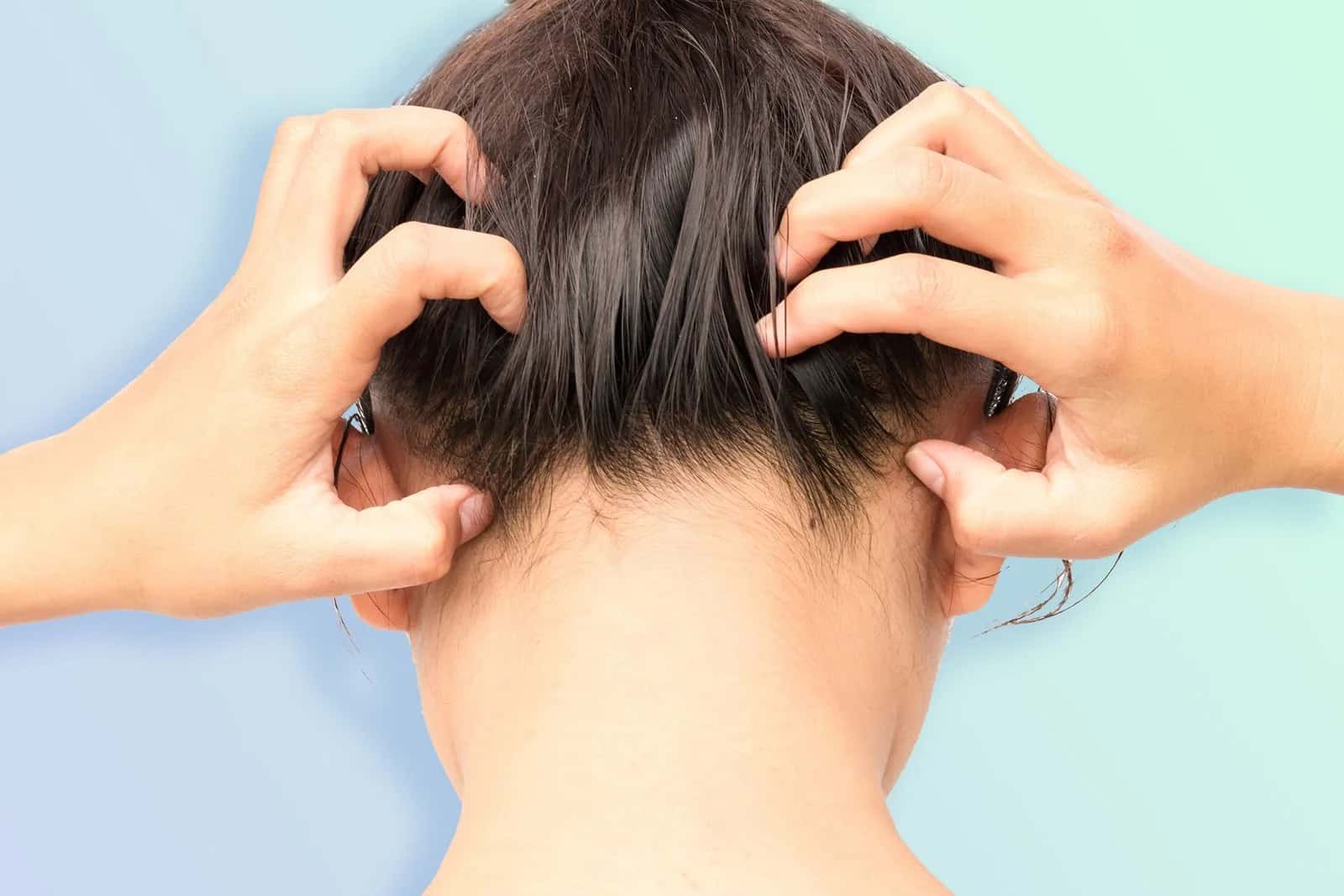
Air conditioning can dry out your scalp by reducing indoor humidity and affecting the skin's ability to maintain adequate moisture. Prolonged exposure to dry, cooled air may contribute to itching, flaking, tightness, and irritation, particularly when the scalp is already sensitive or prone to dryness.
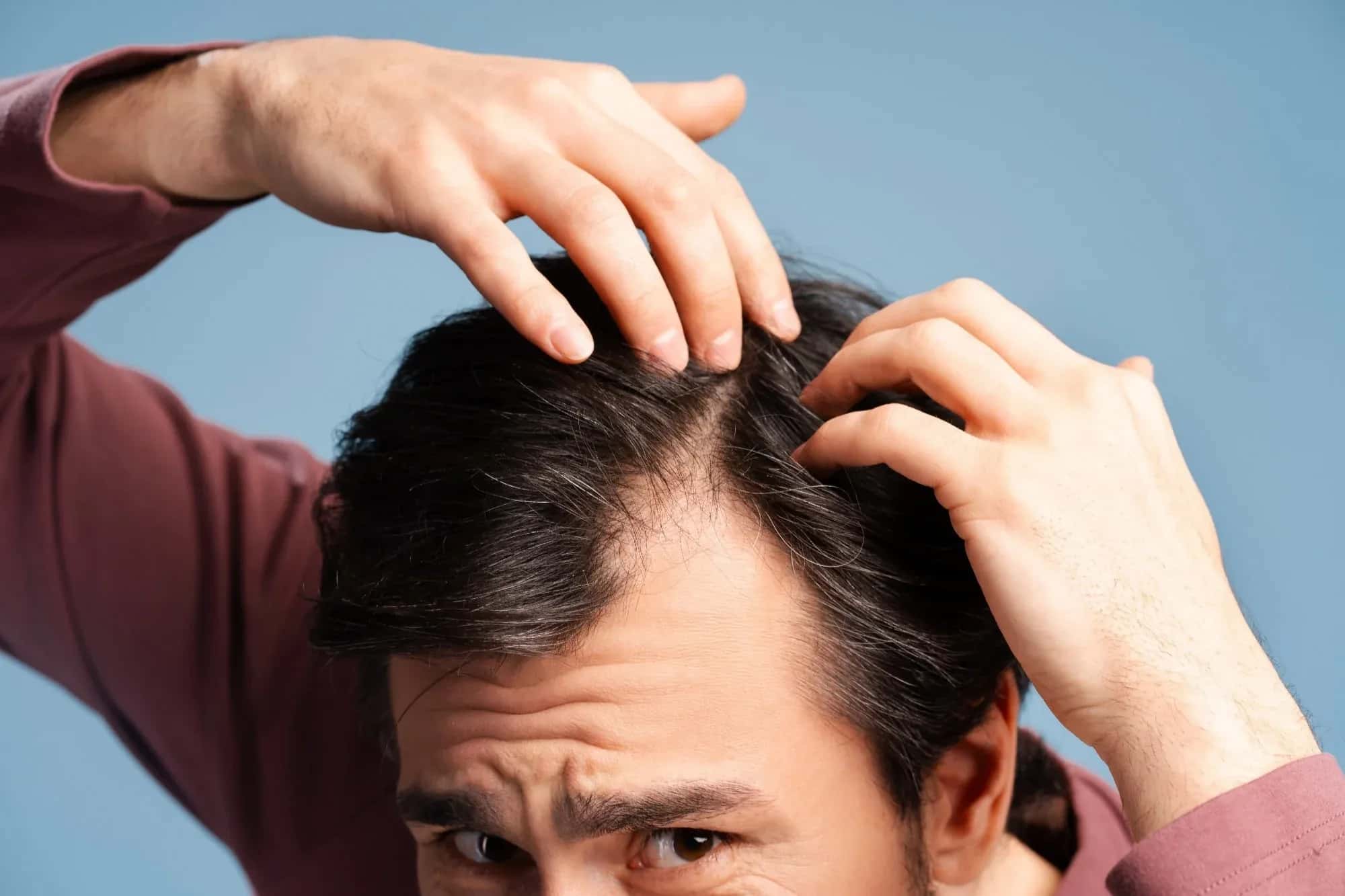
Certain dietary supplements can cause hair loss when taken in excessive amounts, particularly products containing high doses of vitamin A, selenium, or other concentrated nutrients. While supplements can help correct nutritional deficiencies that affect hair growth.
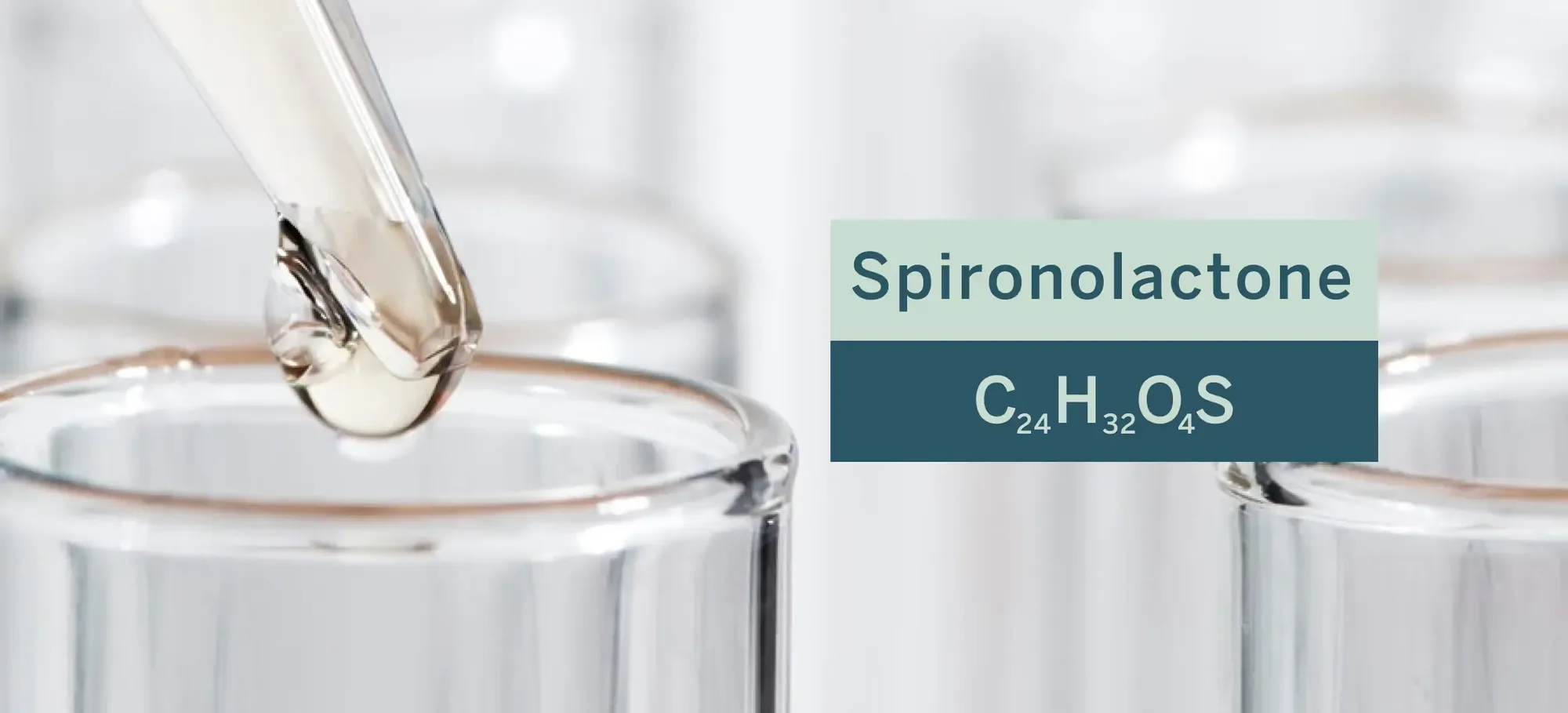
Spironolactone for female hair loss can help slow progressive thinning and improve hair density by reducing the effects of androgens on sensitive hair follicles. Although this prescription medication is not specifically approved for hair loss, clinical research supports its use in selected women.
Subscribe to the Medifinder newsletter and never miss our latest content.