










Hamilton Scale
The Hamilton Scale, more commonly known today as the Hamilton Norwood Scale, is a visual classification system used to describe the stages of male pattern hair loss. It helps identify how far hair loss has progressed, where thinning is most visible, and what type of treatment plan may be suitable.

- Last updated
- 91 reads
- 9 min read


What Is The Hamilton Scale?
The Hamilton Scale is a system that classifies male pattern baldness according to visible hair loss patterns. It focuses mainly on the frontal hairline, temples, mid-scalp, and crown. These are the areas most commonly affected by androgenetic alopecia, also known as male pattern hair loss.
The scale usually ranges from early stages with minimal recession to advanced stages where only a band of hair remains around the sides and back of the scalp. It helps show the natural progression of hair loss from mild to severe.
In modern use, many professionals refer to it as the Hamilton Norwood Scale because later updates made the system more detailed and practical for clinical use. Patients may also hear it called the Norwood Scale. In most hair restoration settings, these terms refer to the same general classification method.
Why Is The Hamilton Scale Important?
The Hamilton Scale is important because it gives structure to a condition that can otherwise feel vague. Instead of saying that someone is losing some hair, the scale helps define the pattern and stage more clearly.
This matters because treatment choices often depend on the level of hair loss. A patient in an early stage may benefit from medical treatment, lifestyle support, and monitoring. A patient in a more advanced stage may need a different approach, such as hair transplant planning, scalp micropigmentation, or a combined treatment strategy.
The scale also helps set realistic expectations. A person with mild temple recession will not have the same treatment needs as someone with significant frontal and crown loss. By identifying the stage, patients can better understand what is possible, what may require time, and what should be avoided.
How Does Male Pattern Hair Loss Progress?
Male pattern hair loss usually develops gradually. It often starts at the temples or frontal hairline. Over time, the hairline may form a more noticeable M shape. In many men, thinning also begins at the crown. As the condition progresses, the frontal and crown areas may expand and eventually connect.
The sides and back of the scalp are usually more resistant to this type of hair loss. This is why advanced stages often leave a horseshoe-shaped band of hair around the lower scalp. That pattern is one of the main features used in the Hamilton Scale.
Progression varies from person to person. Some men remain in an early stage for many years, while others move through the stages more quickly. Genetics, hormone sensitivity, age, health, stress, medication, and scalp condition can all influence the pattern.
What Are The Main Stages Of The Hamilton Scale?
The Hamilton Scale is generally divided into seven main stages. Stage 1 shows little or no visible hairline recession. Stage 2 shows mild recession around the temples. Stage 3 is often considered the first clear stage of male pattern baldness, with more noticeable temple recession or crown thinning.
Stage 4 usually includes deeper frontal recession and more visible crown loss, with a band of hair still separating the two areas. Stage 5 shows more advanced thinning, where the bridge between the front and crown becomes weaker. Stage 6 occurs when the frontal and crown areas connect. Stage 7 is the most advanced stage, where only a narrow band of hair remains around the sides and back.
These stages help describe the pattern, but they do not explain the full cause. A professional evaluation is still needed to confirm the type of hair loss.
Is Stage 1 Considered Hair Loss?
Stage 1 is usually not considered significant hair loss. It represents a full or nearly full hairline with little visible recession. Many younger men fall into this category before any real pattern hair loss begins.
However, someone in Stage 1 can still have concerns if they notice increased shedding, scalp irritation, family history of baldness, or a subtle change in density. The scale only describes visible pattern. It does not measure hair shedding, follicle miniaturization, scalp inflammation, or early density changes that may not yet be obvious.
For this reason, people who feel their hair is changing should not rely only on the mirror. Early evaluation can help detect changes before the pattern becomes more advanced.
What Does Stage 2 Mean?
Stage 2 usually shows mild recession at the temples. This may look like a slightly mature hairline rather than clear baldness. Many adult men naturally develop some temple recession as they age, and this does not always mean aggressive hair loss.
The challenge is knowing whether Stage 2 is stable or progressing. If the hairline has looked the same for several years, it may simply be a mature hairline. If the temples continue to move back, the frontal density is weakening, or the crown is thinning, it may be early male pattern hair loss.
At this stage, monitoring is valuable. Photos taken under the same lighting every few months can help track whether the hairline is changing.
When Does Hair Loss Become Noticeable?
Hair loss often becomes clearly noticeable around Stage 3. At this point, temple recession is deeper and the hairline may form a stronger M shape. Some men may also develop crown thinning, which can be harder to notice without photos or overhead lighting.
Stage 3 is important because it often marks the point where patients begin to consider treatment. The hairline may still be suitable for early intervention, and the existing hair may respond better when treatment begins before severe loss occurs.
Not every Stage 3 patient needs the same plan. Some may focus on maintaining current hair. Others may explore hairline restoration, scalp micropigmentation, or a long-term prevention strategy.
How Does The Scale Help With Hair Transplant Planning?
The Hamilton Scale helps with hair transplant planning by showing how much hair loss has occurred and how much may continue in the future. A surgeon must consider not only the current hairline but also the likely future pattern.
For example, restoring a very low hairline in a young patient with early but progressive hair loss may create problems later. If hair loss continues behind the transplanted area, the result can become uneven. A more conservative and age-appropriate design often protects long-term appearance.
In advanced stages, donor hair supply becomes a major factor. The sides and back of the scalp provide the donor area for transplant surgery, but that supply is limited. The Hamilton Scale helps estimate how much coverage may be realistic.
Can The Hamilton Scale Be Used For Women?
The Hamilton Scale was created mainly for male pattern hair loss. Women often experience hair thinning differently. Instead of a receding hairline and crown bald spot, many women develop diffuse thinning across the top of the scalp while keeping the frontal hairline relatively intact.
Because of this difference, other classification systems are often more suitable for female pattern hair loss. However, some women may still show recession patterns that resemble male pattern loss. In those cases, a specialist may use more than one method to describe the condition.
Women with hair thinning should receive a careful evaluation because causes may include hormones, iron deficiency, thyroid imbalance, postpartum changes, stress, medications, or inflammatory scalp conditions.
What Are The Limits Of The Hamilton Scale?
The Hamilton Scale is useful, but it has limits. It shows the visible pattern of hair loss, not the full medical reason behind it. It cannot measure hair density accurately, identify scalp disease, or predict exactly how fast hair loss will progress.
It also does not account for every natural variation. Two people may both be classified as Stage 3, yet one may have strong density and the other may have widespread miniaturization. Their treatment plans may be very different.
The scale should be used as a guide, not as a complete diagnosis. A proper assessment may include scalp examination, medical history, family history, hair pull evaluation, dermoscopy, blood tests, or follow-up photography.
How Can You Check Your Own Stage?
You can estimate your stage by looking at your hairline, temples, crown, and overall density. Use clear lighting and take photos from the front, sides, top, and back. Wet hair photos can also reveal thinning that dry hair may hide.
Compare the shape of your hairline and crown with the general stages of the Hamilton Scale. Be careful not to overjudge small changes. Lighting, hairstyle, product buildup, camera angle, and hair length can make hair loss look better or worse than it really is.
Self-checking can help you notice changes, but it should not replace a professional opinion. If you are unsure, a consultation can provide a more accurate evaluation.
What Treatments Are Considered At Early Stages?
In early stages, the main goal is often preservation. Treatment may focus on slowing progression, improving scalp health, and protecting existing hair. A specialist may discuss medical options, topical treatments, oral treatments, platelet-rich plasma, low-level laser therapy, or lifestyle adjustments depending on the patient’s condition.
Early treatment is often more effective because more active follicles remain. Once follicles have been inactive for a long time, restoring density becomes more difficult.
A patient in Stage 2 or Stage 3 should avoid making rushed decisions. The best plan usually considers age, family history, current density, future risk, and comfort with long-term maintenance.
What Options Exist For Advanced Hair Loss?
For advanced hair loss, treatment planning becomes more strategic. Hair transplant surgery may help restore framing and coverage, but donor supply must be managed carefully. Scalp micropigmentation can create the appearance of a shaved head or reduce contrast in thinning areas. Some patients choose a combination of treatments.
In Stage 6 or Stage 7, full restoration to youthful density is usually not realistic. The focus may shift toward creating balance, improving facial framing, or achieving a clean shaved look. A practical plan can still create a strong improvement, but expectations must be realistic.
Advanced hair loss does not mean there are no options. It simply means the plan must be tailored carefully.
Why Does Age Matter In Hamilton Scale Assessment?
Age matters because the same stage can mean different things at different ages. A 22-year-old at Stage 3 may have a higher risk of future progression than a 55-year-old at the same stage. Younger patients often need a more cautious treatment plan.
Hair restoration is not only about how the scalp looks today. It is also about how it may look in 5, 10, or 20 years. A responsible plan protects future options.
This is especially important for hairline design. A hairline that looks acceptable in the early twenties may not age well if it is placed too low or too straight.
Can Lifestyle Affect Hair Loss Progression?
Lifestyle may not be the main cause of genetic male pattern hair loss, but it can influence overall hair quality. Poor nutrition, smoking, chronic stress, lack of sleep, harsh styling, and untreated scalp conditions can make hair look weaker.
Healthy habits cannot fully stop genetic hair loss, but they can support better scalp and hair condition. Protein intake, balanced nutrition, medical checkups, gentle hair care, and scalp hygiene may all help maintain healthier-looking hair.
A professional should evaluate sudden shedding, patchy loss, itching, scaling, or rapid changes because these may point to conditions beyond male pattern baldness.
How Often Should You Monitor Hair Loss?
Monitoring every three to six months is often practical for people who suspect progression. Taking photos too often can create unnecessary stress because small day-to-day changes are not meaningful. Consistent photos under the same lighting are more useful than casual mirror checks.
If treatment begins, monitoring helps show whether the plan is working. Hair treatments often require patience. Visible improvement may take several months, and stabilization may be the first sign of success.
The Hamilton Scale can be part of this monitoring, but density, shedding, and scalp health should also be considered.
- Last updated
- Language
- English
How did you find this article?
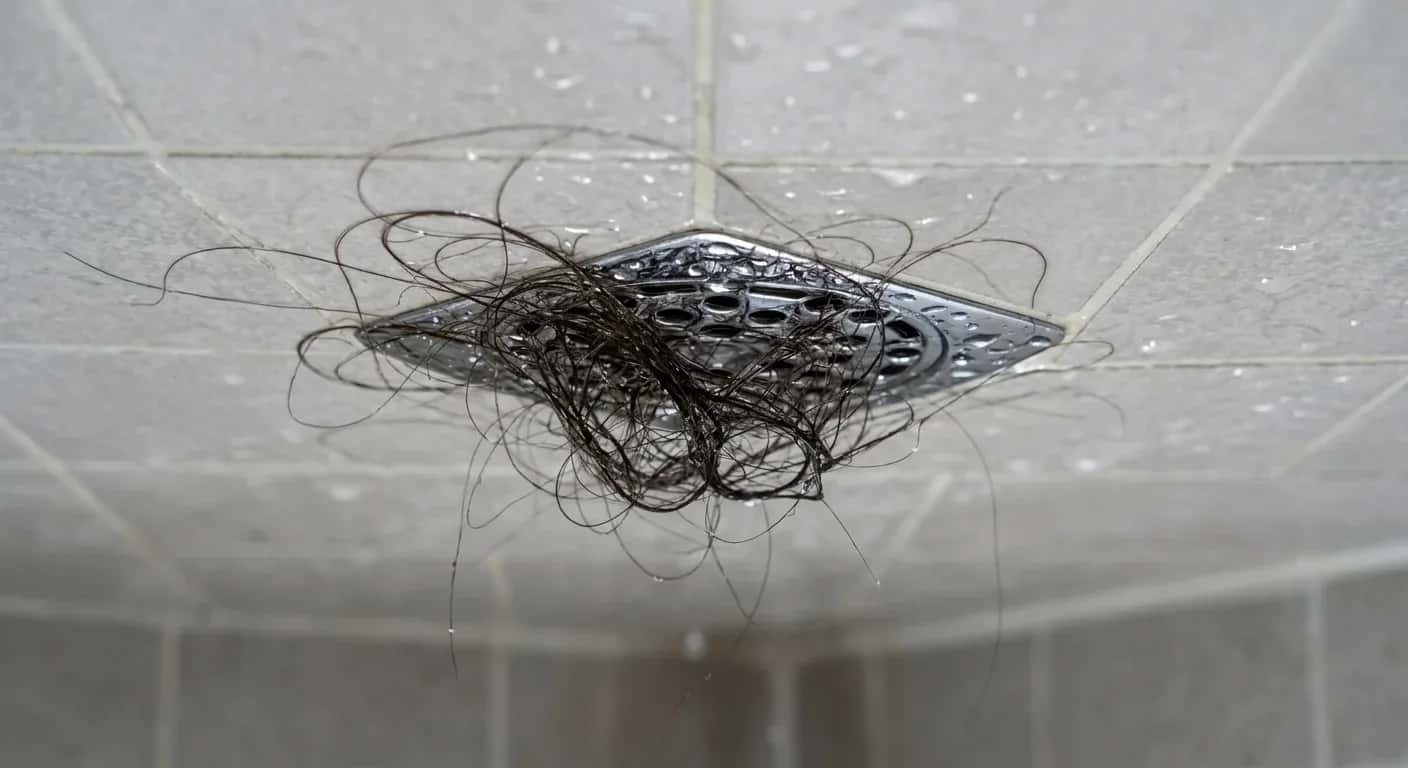
Washing simply releases many of these loose hairs at the same time, which can make normal shedding appear more dramatic than it really is. So, how much hair loss in the shower is normal, and when does the amount suggest excessive shedding or another form of hair loss?

This guide explains what sudden hair loss means, which conditions commonly trigger rapid shedding, and how different patterns can point toward different underlying causes.
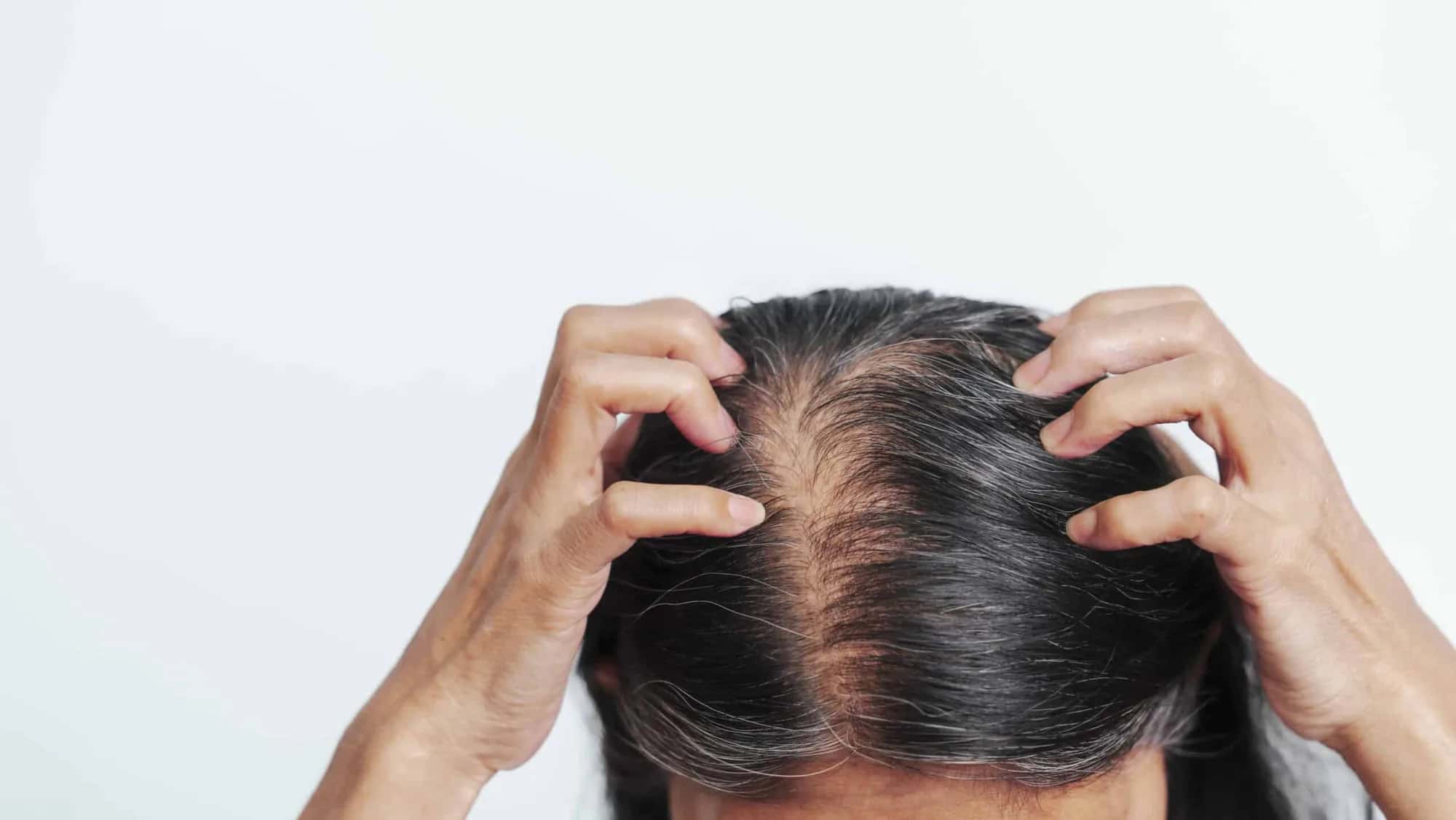
This guide explains how iron deficiency can contribute to hair loss, which blood tests matter, how ferritin relates to shedding, and when hair may begin recovering.
Subscribe to the Medifinder newsletter and never miss our latest content.