










How Smoking Affect Hair Loss and Thinning
Smoking can affect hair loss and thinning by damaging scalp health, weakening blood circulation, increasing oxidative stress, and disrupting the normal hair growth cycle. Hair loss is usually caused by more than one factor, including genetics, hormones, age, nutrition, stress, medical conditions, and lifestyle habits.

- Last updated
- 166 reads
- 8 min read


How Does Smoking Affect Hair Growth?
Hair grows through a cycle that includes growth, transition, resting, and shedding phases. A healthy scalp supports this cycle by delivering oxygen and nutrients to the follicles. Smoking can interfere with this process by reducing circulation and increasing cellular stress.
When the scalp receives less oxygen-rich blood, follicles may not function at their best. Hair may become weaker, finer, or more vulnerable to shedding. Smoking can also increase free radical activity in the body. These unstable molecules can damage cells, including cells involved in hair production.
Hair thinning rarely happens overnight because of smoking alone. The effect is usually gradual. A person may first notice reduced density, a wider part, a weaker hairline, or more visible scalp under bright light. In people with genetic hair loss, smoking may act as an additional stress factor that makes the condition more noticeable.
Can Smoking Cause Hair Loss?
Smoking may contribute to hair loss, but it is usually not the only cause. The most common type of progressive hair loss in men and many women is androgenetic alopecia. This condition is strongly linked to genetics and hormone sensitivity. Smoking may worsen the scalp environment and may influence how quickly thinning becomes visible.
Smoking can also affect the body in ways that indirectly harm hair. Poor circulation, inflammation, oxidative stress, and slower tissue repair can all create unfavorable conditions for hair follicles. If a person also has nutritional deficiencies, chronic stress, poor sleep, or an untreated scalp condition, the combined effect may be stronger.
The most accurate way to understand hair loss is through a professional evaluation. A specialist can check whether the cause is genetic hair loss, telogen effluvium, scalp inflammation, alopecia areata, medication-related shedding, thyroid imbalance, iron deficiency, or another medical issue.
Why Does Blood Circulation Matter For Hair?
Blood circulation matters because hair follicles depend on nutrients and oxygen delivered through small blood vessels in the scalp. Smoking can affect blood vessels and reduce efficient circulation. When the scalp receives less support, follicles may become less productive over time.
Nicotine can narrow blood vessels temporarily, while other chemicals in smoke can affect vascular function and tissue health. This may not immediately stop hair growth, but it can weaken the conditions that follicles need for strong production.
Healthy hair is not only about the strand that appears above the skin. It begins below the surface, where the follicle is active. Anything that affects the quality of the follicle environment can influence hair thickness, growth speed, and shedding patterns.
What Is Oxidative Stress In Hair Loss?
Oxidative stress occurs when the body has more damaging free radicals than it can manage with antioxidants. Cigarette smoke is a major source of oxidative stress. In the scalp, this can affect follicle cells, surrounding tissue, and the normal signals involved in hair growth.
Hair follicles are active structures with high metabolic demand. They need a stable environment to keep producing healthy hair. When oxidative stress increases, it may contribute to inflammation, cellular aging, and weaker follicle function.
This is one reason smoking is often discussed in relation to premature aging. The same stress that affects skin quality may also influence the scalp and hair. A scalp under constant oxidative pressure may be less able to support thick, resilient hair.
Does Smoking Make Hair Thinner?
Smoking may make hair look thinner by affecting follicle strength, scalp circulation, and the quality of the hair growth cycle. Thinning hair usually means that individual strands become finer, density decreases, or more scalp becomes visible.
In genetic hair loss, follicles gradually miniaturize. This means they produce smaller, finer hairs over time. Smoking may add stress to this process by affecting microcirculation and increasing inflammation around the follicle.
Hair can also look thinner if smoking contributes to dryness, dullness, or breakage. While breakage is different from true hair loss, it can still reduce the appearance of volume. A person may feel that the hair is weaker, flatter, or harder to style.
Can Smoking Affect Male Pattern Hair Loss?
Smoking may influence male pattern hair loss, especially in people who already have a genetic tendency. Male pattern hair loss usually begins with a receding hairline, temple recession, crown thinning, or a gradual reduction in density on the top of the scalp.
The main driver is sensitivity to androgens, especially the effect of dihydrotestosterone on vulnerable follicles. Smoking does not replace genetics as the main cause, but it may contribute to faster progression through inflammation, oxidative stress, and reduced support for follicle health.
Men who notice early hairline recession or crown thinning should not ignore the role of lifestyle. Stopping smoking may not fully reverse genetic hair loss, but it can support a healthier scalp and improve the overall treatment environment.
Can Smoking Affect Female Hair Thinning?
Smoking may also affect female hair thinning. Women can experience hair loss due to genetics, hormones, postpartum changes, thyroid problems, iron deficiency, stress, medication, menopause, or scalp conditions. Smoking can add another layer of stress to the body and scalp.
Female hair thinning often appears as reduced density across the top of the scalp rather than a clearly receding hairline. Some women notice a wider part, less ponytail volume, or more shedding during washing and brushing.
Because female hair loss can have several causes, evaluation is important. Lifestyle changes can help support hair health, but medical triggers should not be missed.
Does Smoking Affect The Scalp?
Smoking can affect the scalp by contributing to inflammation, dryness, poor healing, and reduced skin quality. A healthy scalp provides the foundation for healthy hair. If the scalp is irritated, inflamed, or poorly nourished, follicles may not perform as well.
Some smokers notice that their skin feels dull, dry, or slower to recover from irritation. Similar changes can affect the scalp. Smoking may also influence collagen and tissue repair, which are important for overall skin strength.
Scalp health matters for anyone dealing with hair thinning. Gentle cleansing, proper diagnosis of dandruff or dermatitis, balanced nutrition, and avoiding smoking can all support a better environment for hair growth.
Can Smoking Cause Premature Graying?
Smoking has also been associated with premature graying. Hair color depends on pigment-producing cells within the follicle. Oxidative stress may affect these cells and may contribute to earlier loss of pigment in some people.
Premature graying is influenced by genetics, age, nutrition, stress, and health conditions. Smoking may not be the only reason someone develops gray hair early, but it can be one of the lifestyle factors that affects hair aging.
For patients concerned about both thinning and graying, reducing oxidative stress and improving general health habits can be helpful. Hair aging is complex, but smoking is one factor that can be changed.
Does Vaping Affect Hair Loss Too?
Vaping may also raise concerns for hair health, especially when products contain nicotine. Nicotine can affect blood vessels and circulation. While vaping does not expose the body to the exact same smoke chemicals as cigarettes, it is not automatically harmless.
Research on vaping and hair loss is less developed than research on cigarette smoking. Still, from a scalp health perspective, frequent nicotine exposure may not support ideal circulation or tissue repair.
People who are trying to improve hair health should discuss nicotine use with a qualified healthcare provider. Replacing cigarettes with another nicotine habit may not fully remove the concern.
Can Quitting Smoking Improve Hair Health?
Quitting smoking can support better overall health, circulation, skin quality, and tissue repair. For hair, the benefits may be indirect but meaningful. A healthier body creates a better environment for the scalp and follicles.
Quitting smoking may not regrow hair that has been permanently lost due to advanced genetic hair loss. However, it may help slow additional lifestyle-related damage and improve the response to hair loss treatments. It may also support better healing after hair transplant surgery or other scalp procedures.
Hair improvement takes time. Since hair grows slowly, changes may take several months to become visible. The main benefit is creating healthier long-term conditions for growth.
How Does Smoking Affect Hair Transplant Results?
Smoking can affect hair transplant recovery because it may reduce blood flow, slow healing, and increase the risk of complications. A hair transplant depends on proper graft survival, scalp healing, and tissue oxygenation. Smoking can interfere with these factors.
Patients who smoke may have more swelling, delayed healing, or weaker recovery in some cases. Because transplanted grafts need a stable blood supply after placement, many surgeons advise patients to stop smoking before and after the procedure.
Anyone planning FUE, Sapphire FUE, DHI, or another hair transplant method should be honest about smoking habits during consultation. This allows the surgical team to provide safer instructions and reduce avoidable risks.
What Signs Of Smoking Related Hair Damage Should You Notice?
Possible signs may include increased shedding, dull texture, weaker strands, slower growth, more visible scalp, early thinning at the crown, receding hairline progression, or reduced hair density. These signs can also come from many other causes, so they should not be blamed on smoking without proper assessment.
A sudden increase in shedding may suggest telogen effluvium, illness, stress, medication change, nutritional deficiency, or hormonal shift. Gradual thinning in a pattern may suggest androgenetic alopecia. Itching, scaling, redness, or pain may suggest a scalp condition.
The sooner the cause is identified, the better the treatment options may be.
What Can Smokers Do To Protect Their Hair?
The most important step is to reduce and ideally stop smoking with appropriate support. Hair care products alone cannot fully protect follicles from the systemic effects of smoking. A good plan should focus on both scalp care and general health.
A balanced diet with enough protein, iron, zinc, vitamins, and essential fatty acids can support hair quality. Sleep, stress management, hydration, and regular medical checkups also matter. Harsh styling, excessive heat, tight hairstyles, and aggressive chemical treatments should be limited if the hair is already thinning.
For genetic hair loss, evidence-based treatments may be needed. Lifestyle improvement can support the plan, but it may not replace medical treatment when follicle miniaturization is active.
When Should You See A Specialist?
You should consider seeing a specialist if hair loss is sudden, severe, patchy, painful, or associated with scalp irritation. You should also seek evaluation if your hairline is receding quickly, your crown is thinning, or your part line is widening.
A specialist can examine the scalp, review medical history, check family history, and recommend testing when needed. Treatment may include medical therapy, topical products, nutritional correction, scalp treatment, platelet-rich plasma, laser therapy, or hair transplant planning depending on the diagnosis.
Early care is valuable. Many hair loss treatments work better when follicles are still active.
- Last updated
- Language
- English
How did you find this article?
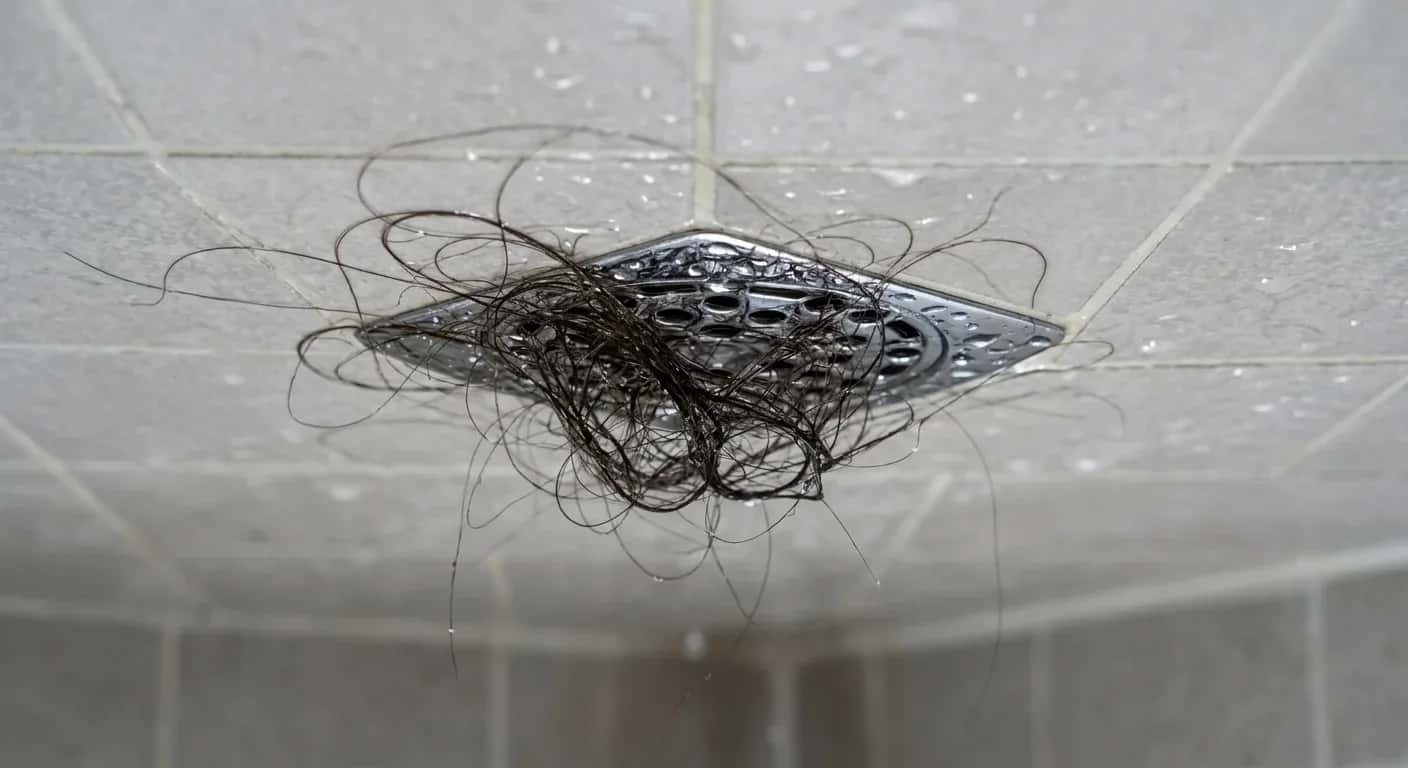
Washing simply releases many of these loose hairs at the same time, which can make normal shedding appear more dramatic than it really is. So, how much hair loss in the shower is normal, and when does the amount suggest excessive shedding or another form of hair loss?
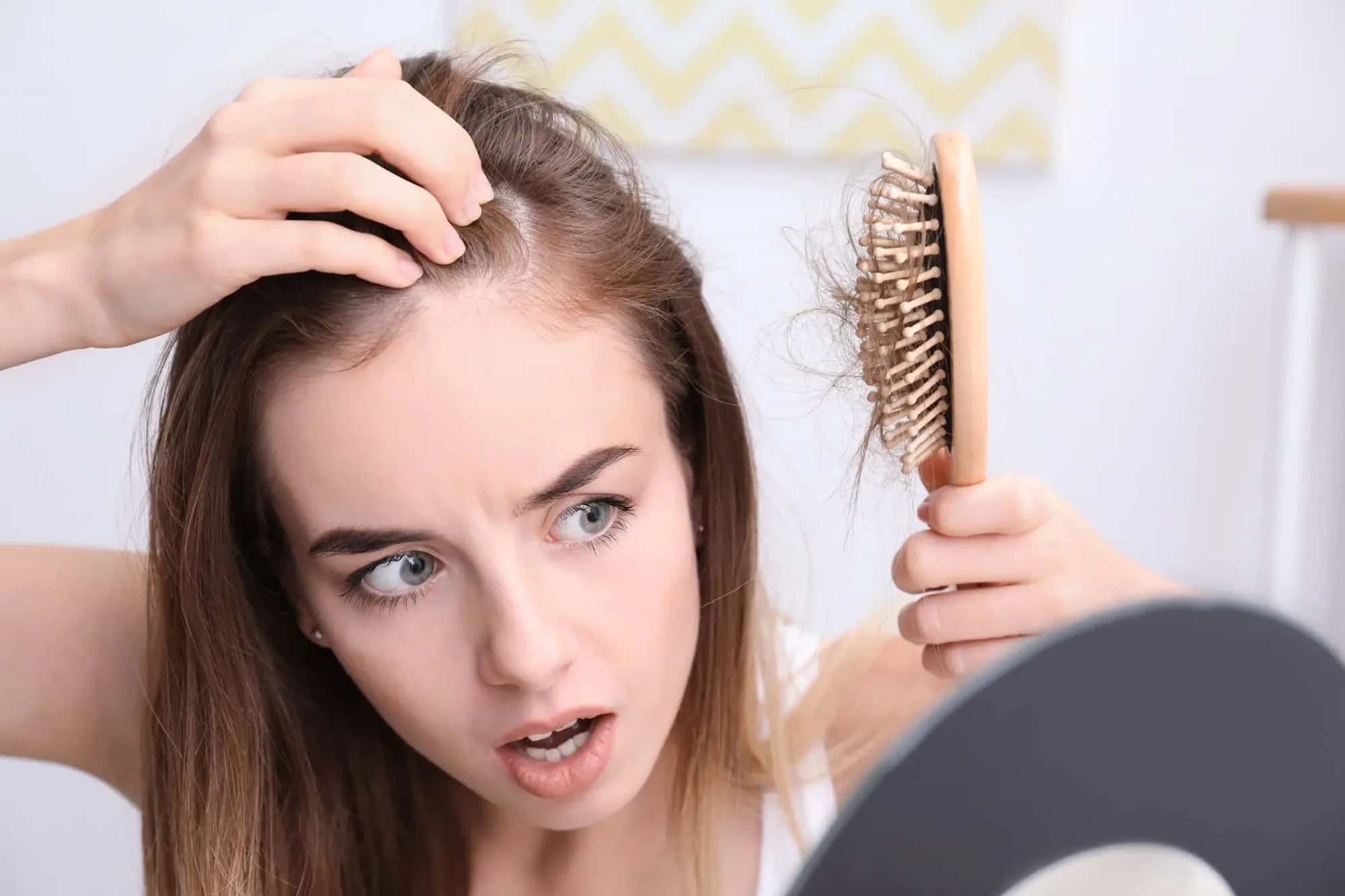
This guide explains what sudden hair loss means, which conditions commonly trigger rapid shedding, and how different patterns can point toward different underlying causes.
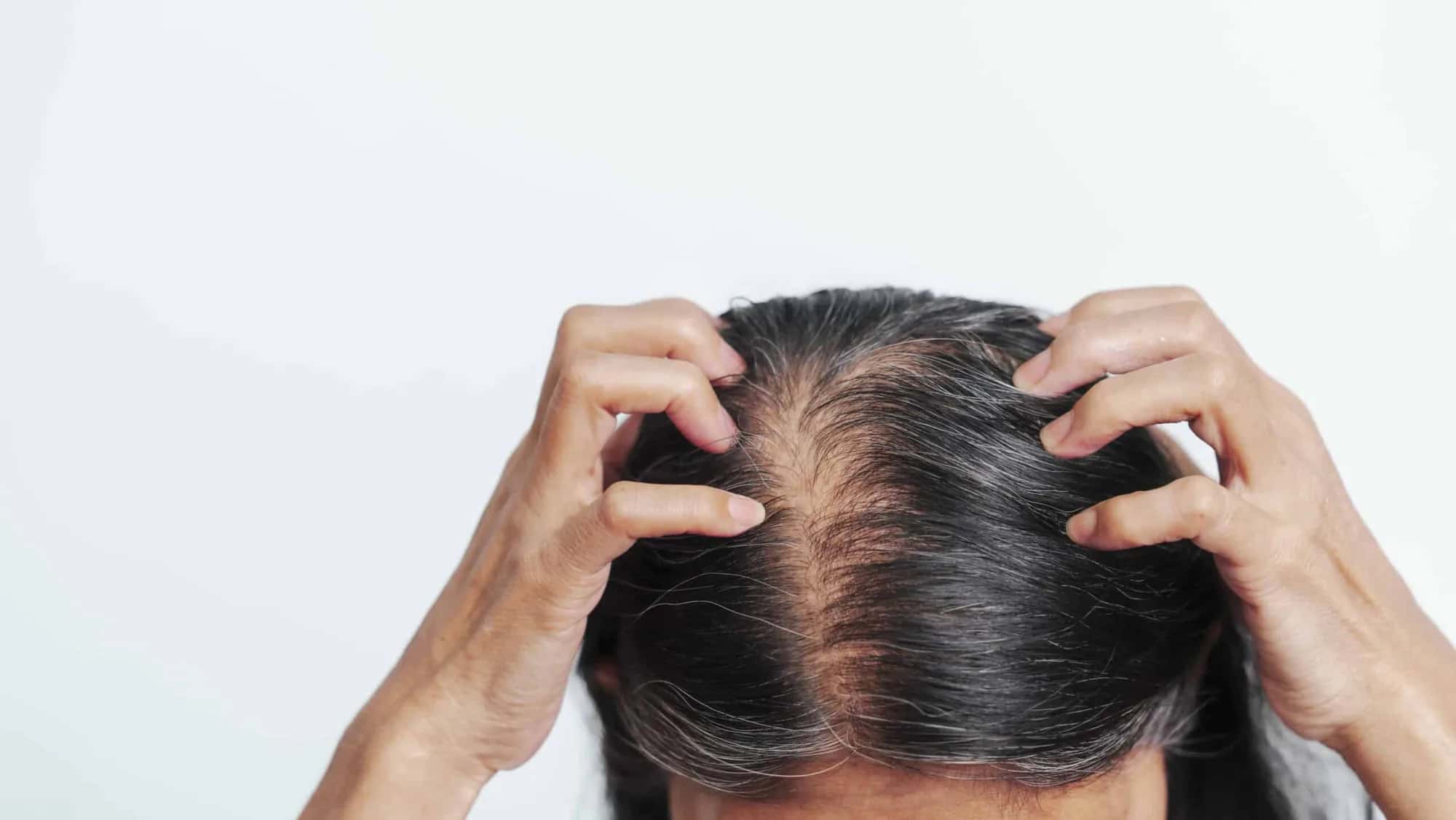
This guide explains how iron deficiency can contribute to hair loss, which blood tests matter, how ferritin relates to shedding, and when hair may begin recovering.
Subscribe to the Medifinder newsletter and never miss our latest content.