










How Does Sapphire FUE Differ from Conventional FUE?
Sapphire FUE differs from conventional FUE mainly in the channel-opening stage of the hair transplant procedure. Both techniques use individual graft extraction from the donor area, but Sapphire FUE uses sapphire-tipped blades to create recipient channels.

- Last updated
- 82 reads
- 8 min read


What Is Conventional FUE?
Conventional FUE, also known as follicular unit extraction or follicular unit excision, is a hair transplant method in which individual follicular units are removed from the donor area and implanted into thinning or bald areas. The donor area is usually located at the back and sides of the scalp because these hairs are more resistant to genetic hair loss.
The procedure includes several main steps. First, the donor area is evaluated and trimmed. Then the grafts are extracted one by one using small punches. After extraction, the grafts are sorted, protected, and prepared for placement. The surgeon or trained team then creates recipient channels in the bald area. Finally, the grafts are implanted into those channels at the planned angle, direction, and density.
In conventional FUE, the recipient channels are commonly created with steel blades, needles, or similar instruments. When performed well, conventional FUE can deliver natural and long-lasting results. It remains a widely used method in modern hair restoration.
What Is Sapphire FUE?
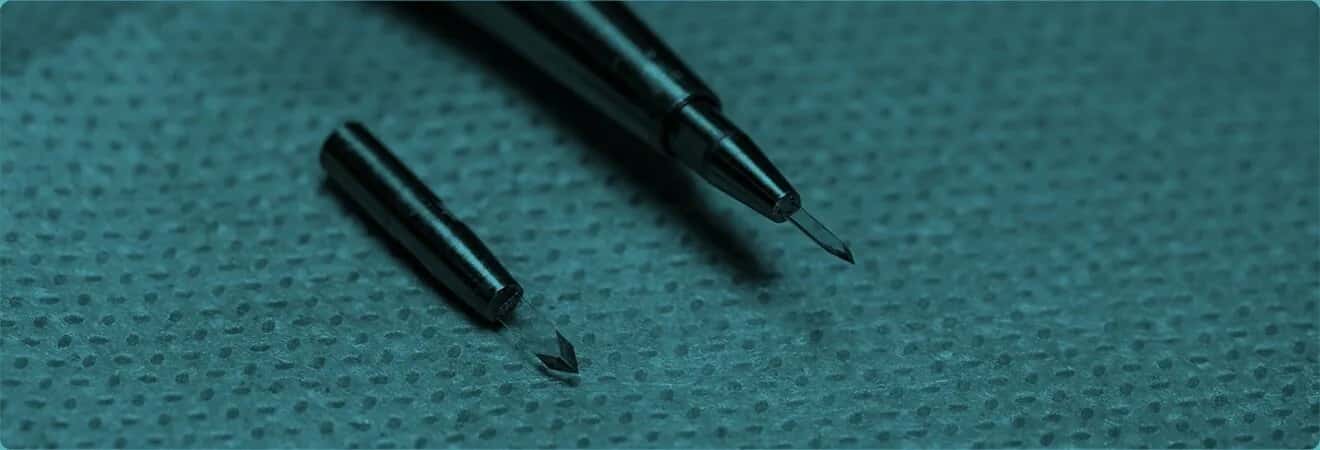
Sapphire FUE is a variation of FUE hair transplant in which sapphire-tipped blades are used to open the recipient channels. The graft extraction process is still based on FUE principles. The main difference appears after the grafts are harvested, during the stage where the surgeon creates tiny openings in the recipient area.
Sapphire blades are designed to be sharp, smooth, and precise. Their structure allows the surgeon to create small channels that can help guide the grafts into the scalp. These channels influence the direction, angle, and placement pattern of the transplanted hair.
Sapphire FUE does not mean the grafts are made from sapphire or that the transplant is completely different from FUE. It is still an FUE procedure. The term refers to the instrument used during channel creation.
How Does The Channel-Opening Step Differ?
The channel-opening step is the most important technical difference between Sapphire FUE and conventional FUE. In conventional FUE, channels may be created with steel blades or needles. In Sapphire FUE, the channels are opened with sapphire-tipped blades.
This step matters because recipient channels determine where each graft will sit. They influence hair angle, growth direction, spacing, density, and the overall natural appearance. If channels are too large, too deep, too shallow, or placed at the wrong angle, the final result may look unnatural even if the grafts are healthy.
Sapphire blades may allow smaller and more controlled incisions in suitable cases. This can support careful graft placement and may help reduce unnecessary tissue trauma when used properly. However, the blade itself is not enough. Precision comes from the surgeon’s planning and hand control.
Is Sapphire FUE Less Invasive?
Sapphire FUE is often described as less traumatic to the recipient area because the blade can create fine, controlled channels. Smaller and cleaner channels may help reduce tissue disruption when the technique is performed correctly.
However, patients should understand that both Sapphire FUE and conventional FUE are still surgical procedures. Both involve extracting grafts from the donor area and placing them into the scalp. Both require healing, aftercare, and time for new growth to develop.
The level of invasiveness depends on several factors, including graft count, channel size, scalp condition, bleeding tendency, surgical technique, and how densely the grafts are placed. A poorly planned Sapphire FUE procedure can cause more problems than a carefully performed conventional FUE procedure. The method is important, but execution is more important.
Can Sapphire FUE Improve Hair Density?
Sapphire FUE may help with density planning because precise channel creation can allow controlled spacing between grafts. In some cases, smaller channels may support closer placement without excessive trauma to the surrounding tissue. This can be useful when the goal is to create a fuller-looking hairline or improve density in the frontal zone.
Still, density is not unlimited. A safe hair transplant must respect blood supply, scalp elasticity, donor capacity, and graft survival. Placing too many grafts too close together can increase the risk of poor growth or uneven healing.
True density depends on graft quality, the number of hairs per graft, hair shaft thickness, color contrast, curl, scalp coverage, and styling. Sapphire FUE can support a density strategy, but it cannot overcome poor donor supply or unrealistic expectations.
Does Sapphire FUE Heal Faster Than Conventional FUE?
Some patients may experience comfortable healing after Sapphire FUE because smaller recipient channels can reduce tissue stress in selected cases. Less trauma may mean less crusting, swelling, or redness for some patients, but healing varies from person to person.
Recovery depends on the patient’s skin type, graft number, procedure length, aftercare, general health, and whether the scalp is sensitive. Conventional FUE can also heal very well when performed with proper technique.
Most patients should expect early redness, small scabs, mild swelling, and temporary sensitivity after either method. These early signs are part of normal healing. The transplanted hairs often shed in the first weeks, then gradually begin to regrow over the following months.
Which Method Gives More Natural Results?
Natural results depend less on the name of the method and more on design quality. A natural hair transplant requires a realistic hairline, proper temple planning, correct graft selection, careful angle control, and irregular placement that mimics natural growth.
Sapphire FUE may help the surgeon create precise channels, but the final appearance still depends on artistic and medical judgment. Single-hair grafts should usually be used in the frontal hairline. Thicker multi-hair grafts are better placed behind the hairline to create density. The hair direction should follow the natural pattern of the scalp.
A conventional FUE procedure performed by an experienced surgeon can look extremely natural. A Sapphire FUE procedure performed without proper planning can look artificial. The tool supports the result, but it does not replace expertise.
Is Sapphire FUE Better For The Hairline?
Sapphire FUE can be useful for hairline work because the frontal area requires careful channel control. The hairline is the most visible part of the transplant, and even small mistakes can affect the final look.
The front hairline should not be too straight, too low, or too dense. Natural hairlines have soft irregularity and gradual transition. The channels must be placed at the right angle so the transplanted hair grows in a natural direction.
Sapphire blades may help create fine openings for delicate placement. However, the surgeon must still choose the right grafts, design an age-appropriate hairline, and avoid overloading the area. A natural hairline is planned, not simply implanted.
What About The Donor Area?
The donor area is treated similarly in both Sapphire FUE and conventional FUE. Since the main difference is in the recipient channel stage, sapphire blades do not directly change how grafts are extracted from the donor zone.
Donor management is critical in both methods. The surgeon must avoid overharvesting and preserve the appearance of the back and sides of the scalp. If too many grafts are removed from one area, the donor region may look thin or patchy after healing.
A strong hair transplant plan protects the donor area for the future. This matters because hair loss can progress over time, and patients may need additional treatment later.
Who Is A Good Candidate For Sapphire FUE?
A good candidate for Sapphire FUE is someone with suitable donor hair, stable expectations, and a hair loss pattern that can be improved through transplantation. The patient should have enough donor density to support the planned coverage.
Sapphire FUE may be considered for patients who want refined hairline work, improved frontal density, or careful channel placement. It may also suit patients who prefer a technique that focuses on precise recipient site creation.
Not every patient needs Sapphire FUE. Some patients may achieve excellent results with conventional FUE. The right choice depends on anatomy, graft needs, budget, scalp condition, and the surgeon’s recommendation.
Who May Be Better Suited For Conventional FUE?
Conventional FUE may be suitable for many patients, especially when performed by an experienced hair transplant team. It can be a strong option for standard restoration cases, moderate hairline work, crown coverage, and patients who do not need extremely dense placement.
Some clinics also have excellent results with conventional steel blade techniques because their planning, graft handling, and implantation methods are strong. For this reason, patients should not dismiss conventional FUE as outdated.
A good result comes from the full treatment process. The method should fit the case rather than be selected only because of marketing language.
Are The Results Permanent?
The transplanted hairs are usually taken from areas that are more resistant to genetic hair loss, so they are expected to last long term. However, the surrounding native hair may continue to thin over time. This means the overall appearance can change even after a successful transplant.
Both Sapphire FUE and conventional FUE require long-term planning. Patients with ongoing hair loss may need medical therapy, maintenance, or future procedures. A responsible plan considers not only today’s bald area but also possible future progression.
A dense, low hairline may look attractive at first, but if future hair loss is ignored, the result may become unbalanced. Long-term thinking is essential.
What Is The Recovery Process Like?
The recovery process is similar for both methods. Patients may have small scabs in the recipient area and tiny extraction marks in the donor area. Swelling, redness, tightness, and mild discomfort can happen during the early days.
Most patients can return to light daily activities within a short period, depending on their provider’s instructions. Exercise, sweating, sun exposure, scratching, and harsh hair products are usually restricted for a while.
The transplanted hairs often shed before new growth begins. Early growth may appear after a few months, but fuller results usually take 9 to 12 months. Crown results may take longer. Patience is important because hair transplant growth is gradual.
Does Sapphire FUE Cost More?
Sapphire FUE may cost more than conventional FUE in some clinics because of the instruments, positioning, and technique offered. Pricing can also depend on graft number, surgeon involvement, clinic location, medical team experience, and aftercare services.
Patients should avoid choosing a clinic based only on price or technique name. A lower-cost procedure can become expensive if the result is poor or requires repair. A higher price also does not guarantee a better outcome.
The best value comes from safety, natural design, honest planning, and strong long-term results.
What Questions Should Patients Ask Before Choosing?
Patients should ask who will design the hairline, who will extract the grafts, who will open the channels, and who will implant the grafts. These details matter because hair transplant quality depends on each step.
It is also important to ask about expected graft count, donor capacity, future hair loss, aftercare, recovery timeline, and realistic density. Patients should review healed results, not only fresh photos.
A trustworthy provider should explain the difference between Sapphire FUE and conventional FUE clearly. They should not promise perfect density, instant growth, or guaranteed results from the blade type alone.
- Last updated
- Language
- English
How did you find this article?
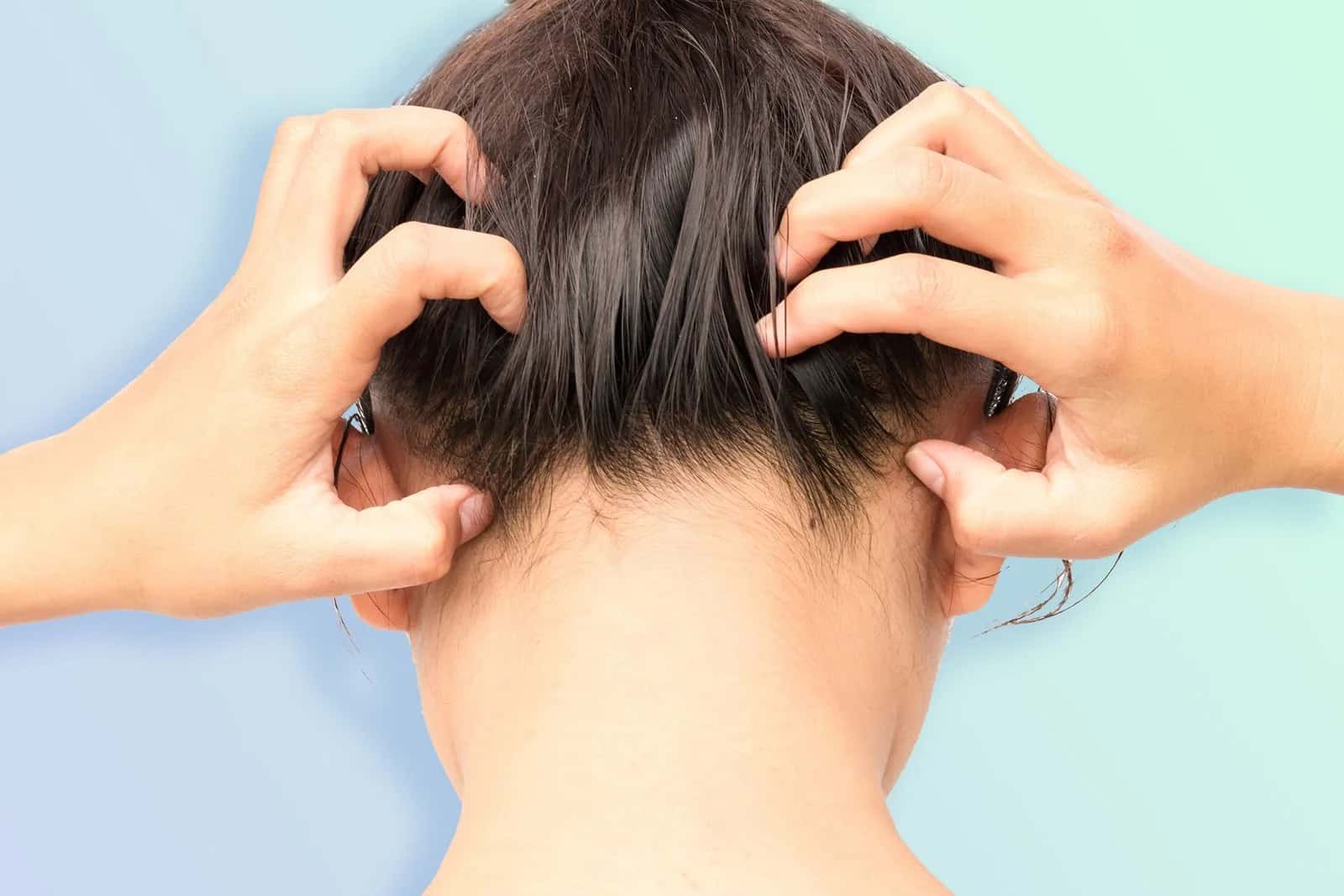
Air conditioning can dry out your scalp by reducing indoor humidity and affecting the skin's ability to maintain adequate moisture. Prolonged exposure to dry, cooled air may contribute to itching, flaking, tightness, and irritation, particularly when the scalp is already sensitive or prone to dryness.
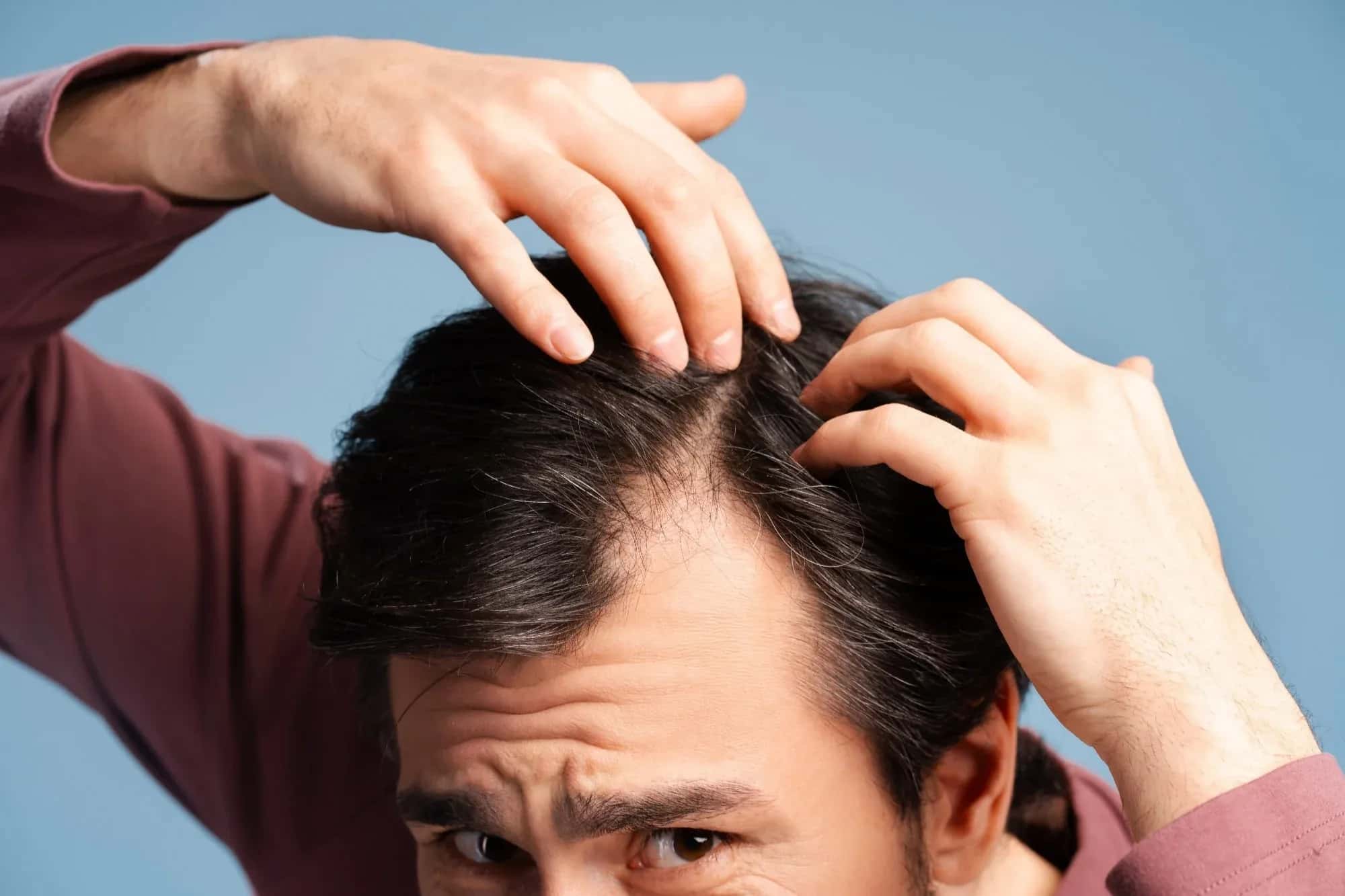
Certain dietary supplements can cause hair loss when taken in excessive amounts, particularly products containing high doses of vitamin A, selenium, or other concentrated nutrients. While supplements can help correct nutritional deficiencies that affect hair growth.
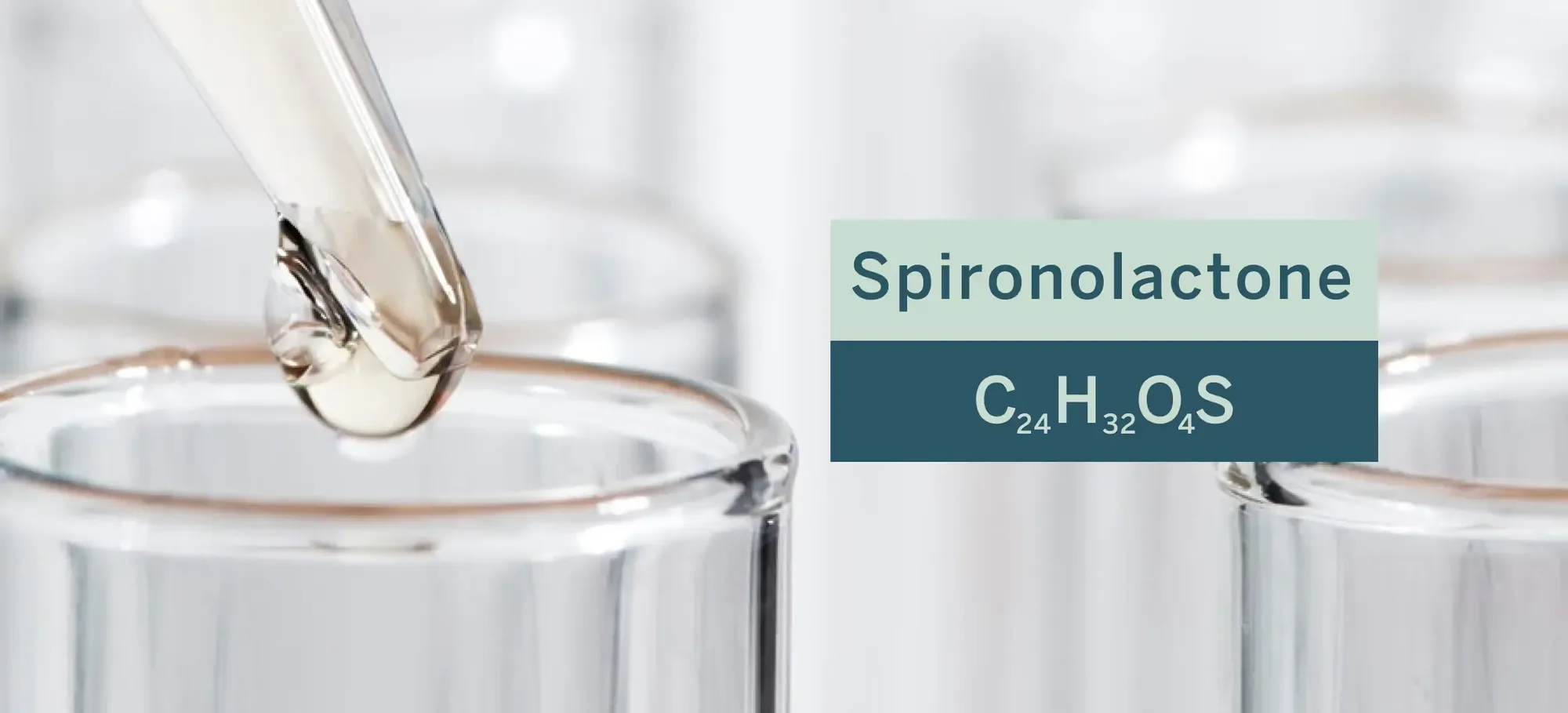
Spironolactone for female hair loss can help slow progressive thinning and improve hair density by reducing the effects of androgens on sensitive hair follicles. Although this prescription medication is not specifically approved for hair loss, clinical research supports its use in selected women.
Subscribe to the Medifinder newsletter and never miss our latest content.