










FUE Hair Growth Timeline: Month-by-Month Expectations
FUE hair growth is a gradual process, and most patients need 12 to 18 months to see the final outcome. The first few weeks focus on healing, the next stage often includes temporary shedding, and visible growth usually begins several months after surgery. This timeline can feel slow, but it is a normal.

- Last updated
- 113 reads
- 8 min read
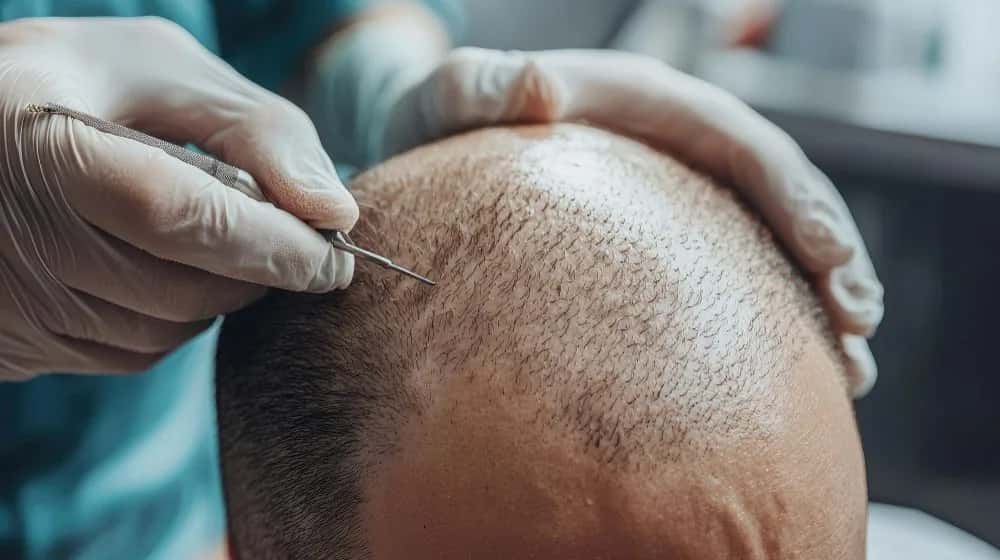


What Happens Right After FUE Hair Transplant?
Right after FUE hair transplant, the scalp begins the healing process. The recipient area may show tiny scabs around each graft, while the donor area may have small extraction points. Mild redness, swelling, tightness, and tenderness can occur during the first few days.
At this stage, the transplanted hair may look dense and promising. However, this early appearance is temporary. The grafts are newly placed, and the skin needs time to recover. Patients should not touch, scratch, or wash the scalp aggressively unless instructed by the medical team.
The first week is one of the most important parts of recovery. Careful washing, sleeping position, sun avoidance, and protection from friction can help support graft stability. The goal is simple: allow the grafts to settle safely.
Month 1: Why Does Shedding Start?
During the first month, many patients notice shedding of the transplanted hairs. This can be surprising because the hair may have looked strong immediately after the procedure. In most cases, this shedding is expected and does not mean the grafts have failed.
The follicle remains under the skin, while the visible hair shaft falls out. This happens because the follicle enters a resting phase after the stress of surgery. The scalp is adjusting, and the growth cycle is resetting.
Some patients shed heavily, while others shed less. Both patterns can be normal. The important point is not how much hair is visible at month 1, but whether the scalp is healing well.
Month 2: Is It Normal To Look Thinner?
Yes, it is normal to look thinner during month 2. Many patients enter what is often called the quiet phase. The transplanted hair has shed, but new growth has not yet appeared. This period can feel discouraging because the scalp may look similar to, or even thinner than, it did before surgery.
Redness may still be visible in some patients, especially those with sensitive skin. The donor area usually looks more settled by this time, although mild sensitivity or uneven texture can remain.
Month 2 requires patience. It is not a good time to judge the success of FUE. The follicles are working below the surface, even if visible growth has not started.
Month 3: When Does New Growth Begin?
Month 3 is often the beginning of early growth, although the change may be subtle. New hairs may appear as thin, fine, short strands. They may grow unevenly, and some areas may start earlier than others.
This early growth can be hard to see under normal lighting. Patients may notice small sprouts when looking closely, but density is still limited. The hair may feel soft, weak, or uneven in texture.
At this stage, the scalp is moving out of the resting phase. The result is still far from final. Month 3 is usually a transition point, not a transformation point.
Month 4: What Changes Should You Expect?
By month 4, more early growth may become visible. The new hairs may still look thin, but the treated area can begin to show light coverage. For many patients, this is when the emotional side of recovery improves because progress finally becomes noticeable.
The hairline may begin to take shape, but it will not yet have full density. The crown may grow more slowly than the frontal area. This difference is common because crown restoration often takes longer to mature.
Patients should continue following the clinic’s guidance. Good scalp care, medical treatment when prescribed, and realistic expectations all matter during this stage.
Month 5: Does The Hair Start Looking Fuller?
Month 5 often brings more visible improvement. The new hairs may become darker, longer, and slightly stronger. Some patients begin to style the area more comfortably, although density is still developing.
Growth can remain uneven. One side may appear ahead of the other, or the front may look better than the mid-scalp or crown. This does not automatically mean the final result will be uneven. Hair follicles do not all grow at the same speed.
The main goal in month 5 is progress, not perfection. A patient should compare photos from month 2 or month 3 to see the difference more clearly.
Month 6: Is This The Halfway Point?
Month 6 is often considered a major checkpoint in the FUE hair growth timeline. Many patients see clear cosmetic improvement by this stage. The transplanted area may look fuller, and the hairline may appear more defined.
However, month 6 is not the final result. The hair still needs to thicken, mature, and blend better with native hair. Some follicles may only just be entering the active growth phase.
At this stage, patients often feel more confident, but it is still important not to make early judgments. Comparing month 6 with month 12 usually shows a significant difference in density and texture.
Month 7: Why Does Texture Still Look Uneven?
During month 7, transplanted hair may still look different from natural surrounding hair. It can be wiry, curly, fine, or slightly rough at first. This texture often improves as the hair matures.
The scalp may also continue adjusting. As the hair grows longer, coverage improves. The result begins to look more natural from a normal viewing distance.
Some patients may notice that certain patches seem slower. This can be normal, especially in larger sessions or areas with weaker blood supply. The crown may still be behind the hairline in visible progress.
Month 8: How Much Density Is Visible?
By month 8, many patients see meaningful density. The hairline, frontal area, and mid-scalp may look significantly better than during the shedding phase. Styling becomes easier, and the transplanted hair starts blending more naturally.
Still, density continues to build. Individual hair shafts may become thicker, and new hairs may continue emerging. The final appearance depends on graft survival, hair caliber, number of hairs per graft, donor quality, and the original hair loss pattern.
Patients with fine hair may need more time to see strong visual coverage. Hair color, curl, and contrast with the scalp also affect how dense the result appears.
Month 9: Is The Result Almost Final?
Month 9 can look close to final for some patients, especially in the hairline and frontal scalp. However, many patients continue improving after this point. The crown often needs more time, and hair shaft thickness may still increase.
This is a good month for a follow-up assessment. The medical team can evaluate growth pattern, density, donor healing, and native hair stability. If the patient is using supportive hair loss treatments, progress can also be reviewed.
A strong month 9 result is encouraging, but the final judgment should usually wait until at least month 12.
Month 10: What Should Patients Notice?
By month 10, the transplanted hair usually looks more mature. The strands may be thicker, longer, and easier to style. The result may appear more natural because the hair has gained length and direction.
The hairline should look softer as the transplanted hairs settle into their growth pattern. If the design was natural and the grafts were placed at proper angles, the result should blend well with the face.
Minor unevenness can still improve. Patients should avoid comparing their progress too closely with others because growth speed varies from person to person.
Month 11: Why Is Patience Still Important?
Month 11 can feel like the final stage, but the scalp may still be improving. Some follicles continue to mature slowly, and hair diameter can keep increasing. The final result is not only about new hairs appearing; it is also about existing transplanted hairs becoming stronger.
Patients who had crown work, large sessions, repair surgery, or weak donor hair may need more time. Thickening can continue beyond the first year.
This is also a good time to think about long-term maintenance. FUE does not stop native hair loss. If surrounding hair continues to thin, the overall result may change in the future.
Month 12: Is This The Final Result?
Month 12 is a major milestone. Many patients can see most of their FUE hair transplant result by this time. The hairline should be more defined, coverage should be stronger, and the transplanted hair should look more natural.
For some patients, month 12 represents the final result. For others, especially those with crown restoration, thick skin, slow growth, or extensive work, improvement may continue until month 15 or month 18.
A 12-month evaluation is important because it allows the surgeon to assess density, growth quality, donor condition, and whether future treatment may be useful.
Month 15 To Month 18: Can Hair Still Improve?
Yes, hair can still improve between month 15 and month 18. This is especially true for the crown, where growth often matures more slowly. Hair texture may soften, density may look better, and coverage may become more even.
Patients who judge their crown too early may think the result is weak before the area has fully matured. Crown hair grows in a circular pattern, which can make coverage more challenging and slower to appear dense.
By month 18, most patients have a reliable picture of the final outcome. Any future planning should be based on this mature result, not early recovery photos.
Why Do Some Patients Grow Faster Than Others?
FUE growth speed varies because every patient has different biology. Age, genetics, hair shaft thickness, scalp condition, blood supply, graft handling, smoking, nutrition, medical history, and aftercare can all influence the timeline.
The size of the session also matters. A small hairline procedure may appear refined earlier than a large restoration involving the front, mid-scalp, and crown. Previous surgeries or scar tissue may also affect growth speed.
A slow start does not always mean poor growth. Some patients who look weak at month 4 or month 5 still achieve strong results by month 12.
What Can Affect FUE Hair Growth Results?
Several factors affect FUE hair growth results. Donor hair quality is one of the most important. Thick, healthy donor hair usually provides better visual density than very fine hair. Proper graft extraction and handling also matter because follicles must stay healthy before implantation.
Recipient site planning is equally important. Angle, depth, density, and direction influence how natural the hair looks. Aftercare can also affect healing. Patients should avoid scratching, smoking, intense sun exposure, and poor scalp hygiene during recovery.
Ongoing native hair loss can affect the overall appearance. Transplanted hair may grow well, but surrounding hair can continue thinning if the underlying condition is not managed.
When Should You Contact The Clinic?
Patients should contact the clinic if they notice signs of infection, severe pain, unusual swelling, heavy bleeding, pus, fever, or sudden worsening of the scalp. Mild redness, shedding, and temporary itching can be normal, but concerning symptoms should be reviewed.
It is also reasonable to contact the clinic if there is almost no visible growth after several months, especially beyond month 6 or month 7. In many cases, the answer may be patience, but a follow-up can provide reassurance.
Clear communication helps patients feel supported throughout the long timeline.
- Last updated
- Language
- English
How did you find this article?
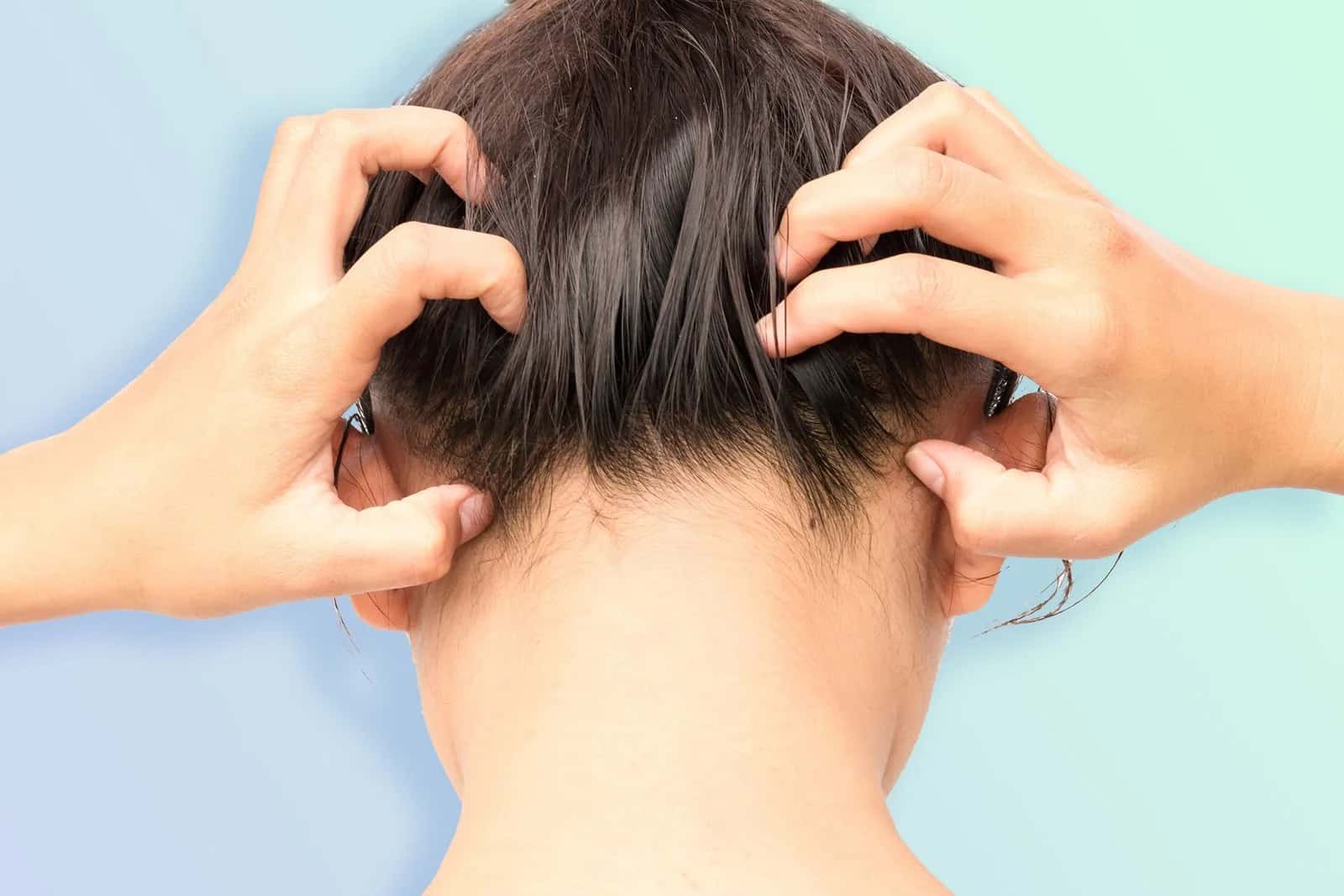
Air conditioning can dry out your scalp by reducing indoor humidity and affecting the skin's ability to maintain adequate moisture. Prolonged exposure to dry, cooled air may contribute to itching, flaking, tightness, and irritation, particularly when the scalp is already sensitive or prone to dryness.
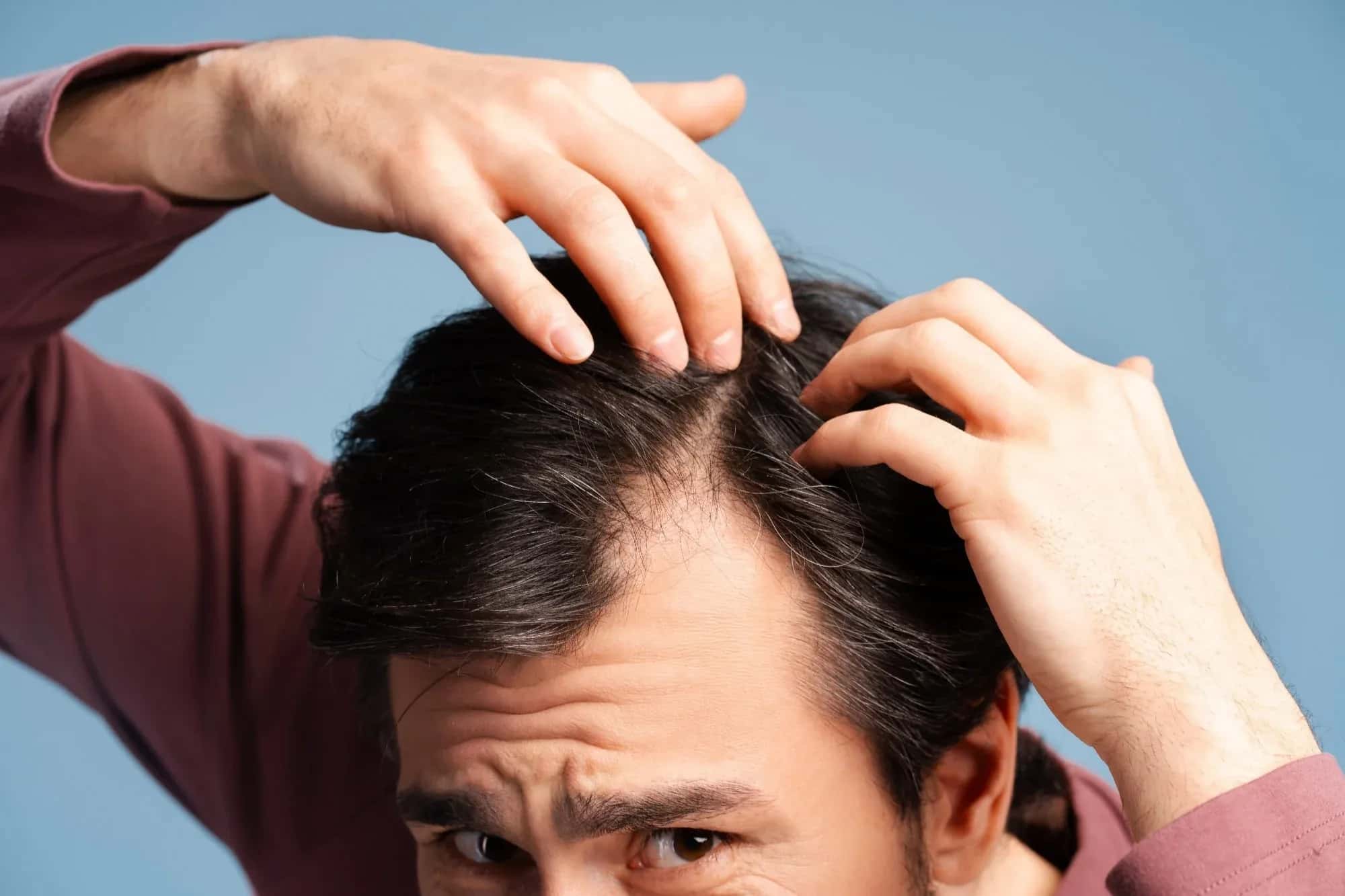
Certain dietary supplements can cause hair loss when taken in excessive amounts, particularly products containing high doses of vitamin A, selenium, or other concentrated nutrients. While supplements can help correct nutritional deficiencies that affect hair growth.

Spironolactone for female hair loss can help slow progressive thinning and improve hair density by reducing the effects of androgens on sensitive hair follicles. Although this prescription medication is not specifically approved for hair loss, clinical research supports its use in selected women.
Subscribe to the Medifinder newsletter and never miss our latest content.