










Why Does Botox Wear Off So Quickly? 7 Possible Reasons
Why does Botox wear off so quickly? Discover 7 possible reasons, how long Botox normally lasts and what may affect your results.

- Last updated
- 9 reads
- 6 min read
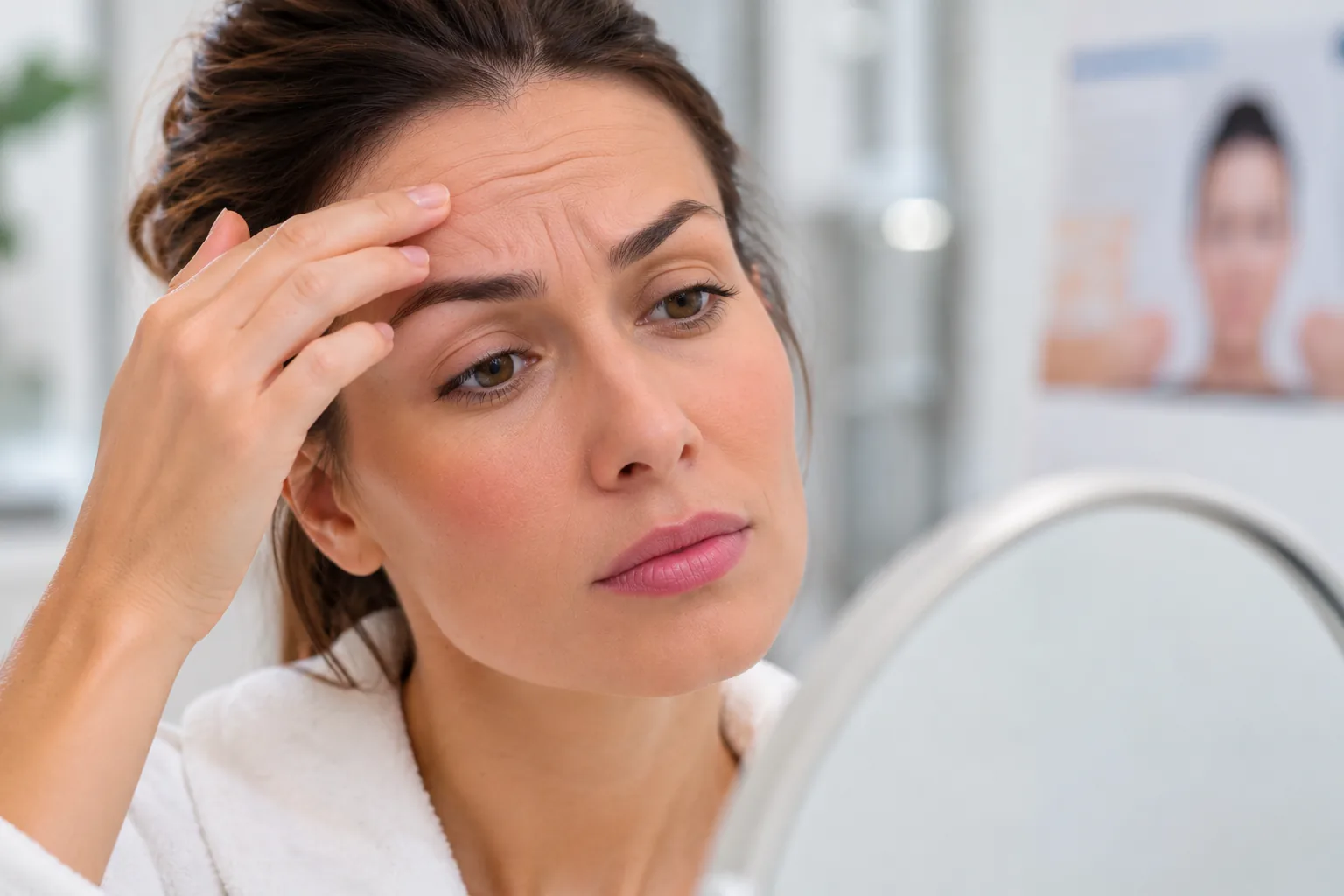


You were enjoying smoother skin and softer expression lines just a few weeks ago, but now your forehead is moving again. If your Botox seems to wear off sooner than expected, you may be wondering whether something went wrong with your treatment. Although Botox typically lasts several months, its duration is not the same for everyone. Muscle activity, treatment dosage and individual biological responses can all influence how long the results remain visible.
How Long Is Botox Supposed to Last?
The cosmetic effects of Botox generally last around three to four months. However, some people notice facial movement returning earlier, while others continue to experience visible results for longer.
Botox works by temporarily blocking the nerve signals responsible for muscle contractions. As communication between the nerves and muscles gradually recovers, facial movement returns and expression lines become more noticeable.
The first signs of muscle movement do not necessarily mean that the treatment has completely worn off.
1. You Have Strong Facial Muscles
People with particularly active facial muscles may notice movement returning sooner after treatment.
The forehead and the area between the eyebrows are frequently affected by repetitive muscle contractions. Stronger muscles may require a carefully adjusted treatment plan to achieve the desired duration of effect.
This does not necessarily mean that you need a higher dose. The balance between muscle relaxation and natural facial movement is equally important.
2. Your Botox Dose Was Too Low
A conservative Botox dose may produce subtle results while preserving more facial movement. This approach is sometimes preferred by patients who want to avoid an overly frozen appearance.
However, lower doses may also have a shorter duration of effect in certain treatment areas.
If your results consistently disappear earlier than expected, your practitioner may need to reassess the dosage and injection pattern.
3. The Treatment Area Affects How Long Botox Lasts
Botox does not necessarily last for the same amount of time in every part of the face.
The size, strength and activity of the treated muscles can influence the duration of results. Treatments around the eyes, forehead, eyebrows and mouth may therefore wear off at different rates.
Noticing movement in one area while another remains relatively smooth is not necessarily unusual.
4. Your Individual Biological Response
Some people naturally experience shorter-lasting results from botulinum toxin treatments.
Individual differences in nerve recovery, muscle activity and biological response may influence how quickly the effects diminish.
Having a fast metabolism is often blamed for Botox wearing off quickly. However, there is limited evidence that a person's general metabolic rate alone determines how long cosmetic Botox lasts.
5. The Injection Technique May Affect Your Results
Successful Botox treatment involves more than choosing the correct dosage. Injection placement, muscle anatomy and the distribution of the product are also important.
If the targeted muscles are not adequately treated, facial movement may remain more noticeable than expected.
In some cases, what appears to be Botox wearing off early may actually be an incomplete initial response to treatment.
6. Your Wrinkles Are Not Entirely Caused by Muscle Movement
Botox is particularly effective at softening dynamic wrinkles, which appear when you smile, frown or raise your eyebrows.
Static wrinkles, however, remain visible even when your face is at rest. These lines may be associated with collagen loss, sun damage and changes in skin elasticity.
If static wrinkles remain visible after treatment, you may feel that your Botox has stopped working, even though the treated muscles are still responding to it.
7. You May Have Developed Reduced Sensitivity to Botulinum Toxin
In rare cases, the immune system can develop neutralising antibodies against botulinum toxin, potentially reducing the effectiveness of subsequent treatments.
This phenomenon is sometimes referred to as Botox resistance.
However, genuine antibody-related resistance is uncommon in cosmetic treatments. Inadequate dosage, injection technique and individual treatment response are generally more likely explanations for disappointing results.
A qualified practitioner should evaluate repeated treatment failure before concluding that resistance has developed.
Is It Normal for Botox to Wear Off After One Month?
Although some facial movement may return within the first month, a complete loss of cosmetic effect after just four weeks is shorter than typically expected.
It is important to distinguish between partial muscle movement and the complete disappearance of treatment results.
Consider the following questions:
-
Did your Botox reach its expected effect within approximately two weeks?
-
Are your wrinkles returning completely, or can you simply move your facial muscles again?
-
Has the same problem occurred after previous treatments?
If your results repeatedly disappear within four to six weeks, discuss your experience with your treating practitioner.
Why Did My Botox Only Last Two Months?
A two-month duration is shorter than the commonly expected three to four months, but it can occur.
Treatment dosage, muscle strength and the specific area being treated may contribute to a shorter duration.
Before deciding that your Botox has failed, compare your current appearance with photographs taken before treatment. You may still have softer expression lines even though some muscle movement has returned.
Does Exercise Make Botox Wear Off Faster?
Regular exercise is frequently associated with shorter-lasting Botox results, particularly among people who participate in high-intensity workouts.
However, current evidence is limited, and it has not been firmly established that regular exercise significantly reduces the duration of cosmetic Botox.
There is no strong reason to abandon a healthy exercise routine simply to make Botox last longer.
Any temporary exercise restrictions immediately following treatment should be discussed with your practitioner.
Can You Make Botox Last Longer?
There is no guaranteed method of extending Botox results. Nevertheless, appropriate treatment planning and healthy skincare habits may help you achieve more satisfactory cosmetic outcomes.
-
Choose a qualified and experienced practitioner.
-
Discuss previous treatment results before your next appointment.
-
Follow the recommended treatment intervals.
-
Protect your skin from excessive sun exposure.
-
Maintain a consistent skincare routine.
-
Avoid requesting unnecessarily frequent injections.
Sunscreen and skincare products can help maintain skin quality, but they do not directly prolong the muscle-relaxing action of botulinum toxin.
Can You Get Botox Again Before Three Months?
Scheduling another treatment simply because some facial movement has returned is not always necessary.
Cosmetic botulinum toxin treatments are commonly spaced at intervals of around three months or longer. Appropriate intervals depend on the product, treatment area and clinical assessment.
Unnecessarily frequent injections may increase the risk of unwanted muscle weakness and potentially contribute to reduced treatment responsiveness.
If you are unhappy with your initial results, arrange a follow-up assessment rather than immediately booking another full treatment.
Does Botox Last Longer the More You Get It?
Some patients report that their results appear to last longer after receiving Botox regularly over an extended period.
Repeated treatments may reduce the activity and thickness of certain facial muscles, potentially influencing the appearance of expression lines.
However, this effect is not guaranteed. Some people continue to require similar treatment intervals, even after several years of regular injections.
Botox remains a temporary treatment rather than a permanent solution for facial wrinkles.
What Happens When Botox Completely Wears Off?
As the effects of Botox diminish, facial muscles gradually regain their activity. Forehead lines, crow's feet and frown lines may become more visible again.
This does not mean that your skin has aged more rapidly or that Botox has damaged your face.
If you are considering taking a longer break from treatment, our guide to what happens to your face when you stop getting Botox explains how facial movement, wrinkles and skin appearance may change over time.
Is It Worth Getting Botox If It Does Not Last Long?
Short-lasting results can make regular Botox treatments more expensive and inconvenient. However, understanding why the effects appear to fade early may help you make a more informed decision about future treatments.
Before increasing your treatment frequency or changing products, consider having your dosage, injection technique and facial muscle activity reassessed.
If treatment expenses are also a concern, our guide to Botox costs around the world compares estimated prices across different countries.
You can also explore medical aesthetics specialists and clinics on MediFinder to discuss your treatment expectations and find professional guidance.
- Last updated
- Language
- English
How did you find this article?
What happens when you stop getting Botox? Learn whether wrinkles return, skin begins to sag and your face changes as the effects wear off.
Explore exosome skin treatments, potential benefits, scientific evidence, safety risks and how they compare with salmon DNA and polynucleotides.
Learn why lip filler migration happens, how to recognize the signs, distinguish it from swelling and explore safe treatment options.
Subscribe to the Medifinder newsletter and never miss our latest content.