










Botox Costs Around the World
This guide compares Botox costs across major international markets in 2026 and explains how units, treatment areas, product choice, maintenance, and travel affect the amount patients actually spend.

- Last updated
- 359 reads
- 11 min read
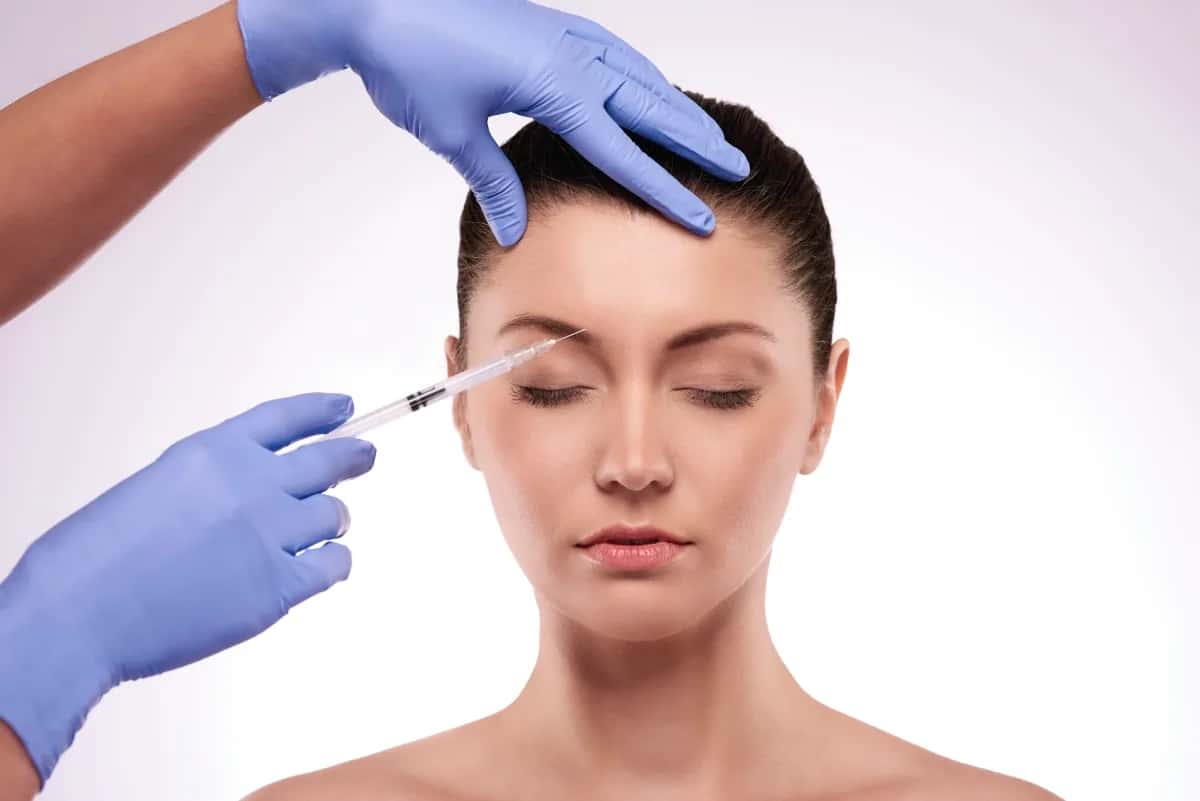


How Much Does Botox Cost Around the World?
Botox costs differ sharply around the world, ranging from low-cost single-area treatments in South Korea to several hundred dollars for the same general treatment category in North America.
A useful 2026 overview looks like this:
-
United States: commonly about $10 to $20 per unit, with a full upper-face treatment often around $400 to $1,200
-
United Kingdom: roughly £150 to £300 for one area and about £270 to £400 or more for three standard upper-face areas
-
Turkey: approximately ₺3,000 to ₺15,000 for one upper-face area and around ₺7,000 to ₺25,000 for three areas in current Istanbul estimates
-
Australia: approximately A$12 to A$20 per unit, with forehead treatment around A$300 to A$700
-
Canada: commonly C$8 to C$13 per unit, with many published prices clustered around C$9 to C$11
-
Dubai: often AED 350 to AED 800 per standard area in the central part of the market, although the total published range is much wider
-
Germany: approximately €100 to €250 for one standard area and around €380 to €450 for a three-area treatment
-
South Korea: domestic toxin can start around ₩19,000 to ₩60,000 for one wrinkle area, while imported products are generally more expensive
-
Brazil: approximately R$800 to R$1,950 for many individual facial areas, with multi-area packages extending higher
-
Singapore: commonly around S$150 to S$750 for standard upper-face areas, depending on the zone and dose
These figures work best as budgeting ranges rather than direct comparisons until the number of units and treated areas are known.
Why Is Botox Priced Differently Around the World?
International Botox pricing reflects differences in local healthcare costs, product distribution, taxes, wages, regulation, currency values, and the way each aesthetic market traditionally charges for treatment.
The United States commonly uses a per-unit model, while the United Kingdom frequently packages treatment as one, two, or three facial areas. South Korea adds another variable because locally manufactured botulinum toxin products can cost substantially less than imported options.
That means a $12 unit price, a £200 forehead price, and a ₩100,000 treatment cannot be compared directly. The underlying dose and product have to be understood before the figures become meaningful.
What Determines the Total Cost of Botox?
The total Botox cost depends mainly on the amount of toxin required and the muscles being treated rather than simply how many injection points appear during the appointment.
The main cost drivers include:
-
Number of units used
-
Number of treatment areas
-
Size and strength of the targeted muscles
-
Botulinum toxin product selected
-
Per-unit or per-area charging model
-
Whether a review or adjustment is included
-
Whether larger muscles such as the masseters are treated
-
Whether the treatment is cosmetic or addresses another medical concern
-
Local taxes and consultation charges
-
Frequency of maintenance treatment
A forehead appointment therefore has a very different cost structure from masseter treatment or excessive sweating treatment.
How Much Does Botox Cost in the United States?
Botox in the United States generally costs around $10 to $20 per unit, with many current published rates concentrated around $12 to $18 per unit.
A limited forehead treatment can fall around $120 to $400, while combining the forehead, glabella, and crow's feet can raise the total toward approximately $480 to $1,200. The final bill increases quickly because these areas together can require several dozen units.
American pricing is therefore relatively transparent when the exact Botox unit count is provided. A lower advertised unit price is less informative when minimum purchase requirements, consultation charges, or significantly different doses apply.
How Much Does Botox Cost in the United Kingdom?
Botox in the United Kingdom is usually sold by treatment area rather than by individual unit, with one standard area commonly costing around £150 to £300. Two areas often fall near £220 to £350, while three areas generally cost about £270 to £400 or more.
A large review of UK listings found a national median near £170 for one area, £220 for two areas, and £270 for three areas during 2026.
London tends to sit higher than many other regions. What matters most, however, is whether a three-area package provides an appropriate dose rather than simply the lowest package price.
How Much Does Botox Cost in Turkey?
Botox in Turkey currently offers a broad price range, with Istanbul estimates placing individual upper-face areas around ₺3,000 to ₺15,000 and three-area treatments around ₺7,000 to ₺25,000.
The unusually wide range partly reflects differences between products, doses, treatment scope, and pricing aimed at domestic versus international patients.
A three-area treatment usually covers some combination of forehead lines, frown lines, and crow's feet. Masseter or excessive-sweating treatment should be evaluated separately because these applications generally require larger doses.
For international visitors, the Turkish treatment price remains only one part of the final expense once flights and accommodation are included.
How Much Does Botox Cost in Australia?
Australian Botox pricing commonly sits around A$12 to A$20 per unit in 2026, while treatment of the forehead can cost roughly A$300 to A$700 depending on the number of units used.
The per-unit system gives patients a relatively clear way to estimate larger treatment plans, although consultation charges may be separate.
Sydney commonly appears near the upper end of Australian pricing, while some other cities fall lower. A 40-unit treatment at A$15 per unit, for example, naturally creates a very different budget from a small treatment using only a fraction of that amount.
The real comparison therefore begins with dose rather than city alone.
How Much Does Botox Cost in Canada?
Botox in Canada commonly costs approximately C$8 to C$13 per unit, with many published clinic rates falling between C$9 and C$11.
Using common labeled cosmetic doses as a budgeting reference, a glabellar treatment can land near C$180 to C$220 at typical rates, while broader upper-face treatment may approach C$575 to C$705.
Canadian pricing is therefore often lower per unit than many premium American metropolitan markets.
When comparing Canadian and American figures, currency differences should not be overlooked. A similar-looking numerical price can represent a very different real cost after conversion.
How Much Does Botox Cost in Dubai and the UAE?
Dubai has one of the widest Botox pricing spreads, with comparable per-area listings currently ranging from AED 199 to AED 2,520 and a typical market figure near AED 550. Most observed prices cluster around AED 350 to AED 800 per area.
Other 2026 market estimates place more premium one-area treatments around AED 800 to AED 1,500, while three upper-face areas can reach approximately AED 2,000 to AED 4,000.
The apparent contradiction comes from different products, doses, promotions, and pricing models. Dubai is a good example of why the cheapest headline figure may describe a different treatment from the higher quote beside it.
How Much Does Botox Cost in Germany?
Botox in Germany generally costs around €100 to €250 for one conventional facial area, while a complete three-area upper-face treatment can sit around €380 to €450.
Forehead lines, frown lines, and crow's feet commonly appear within similar individual price bands. Larger-muscle treatments move higher because they consume more toxin.
Current German estimates place masseter treatment around €300 to €500 and excessive underarm sweating around €500 to €800.
This pricing structure demonstrates an important principle: the physical size and strength of the targeted muscle can influence cost more than the number of visible lines being treated.
How Much Does Botox Cost in South Korea?
South Korea can offer exceptionally low botulinum toxin prices, particularly when domestically manufactured products are used. Current 2026 pricing begins around ₩19,000 to ₩60,000 for one wrinkle area in some published treatment menus.
The picture changes considerably with imported products. Forehead treatment can rise toward approximately ₩100,000 to ₩200,000 or more when premium imported options are selected.
South Korea therefore cannot be represented accurately by a single Botox price. Product origin has a particularly large effect on the final bill, which explains why two Seoul treatment menus can display dramatically different figures for what appears to be the same area.
How Much Does Botox Cost in Brazil?
Botox in Brazil commonly costs around R$800 to R$1,950 for a standard facial area, while packages covering two or three regions can reach approximately R$2,000 to R$4,500.
Pricing within Brazil itself varies considerably. Current Rio de Janeiro estimates place upper-face treatment covering the forehead, glabella, and crow's feet around R$1,500 to R$2,500, while more extensive full-face treatment can rise further.
The important distinction is whether the quoted amount covers one zone or an upper-face package. Without that information, a low single-area advertisement can make the Brazilian market look cheaper than the final multi-area bill actually becomes.
How Much Does Botox Cost in Singapore?
Botox in Singapore commonly costs around S$150 to S$1,200 per treatment area, although standard forehead, frown-line, and crow's-feet appointments more often fall between roughly S$180 and S$750.
Higher-dose treatments move above ordinary wrinkle pricing. Masseter treatment commonly falls around S$450 to S$1,200, while treatment for excessive underarm sweating can reach approximately S$900 to S$2,200.
Singapore therefore sits toward the higher-priced end of many Asian markets.
The important comparison is not Singapore versus South Korea in general, but Singapore and South Korea using a similar toxin product, dose, and treatment objective.
Is Botox Priced Per Unit or Per Area?
Botox can be priced either per unit or per treatment area, and the charging model changes how easily two offers can be compared.
The American market commonly quotes a dollar amount for every unit injected. UK pricing more often treats the forehead, glabella, or crow's feet as separate areas, while other markets mix the two approaches.
Official Botox Cosmetic dosing illustrates why units matter. Labeled dosing includes 20 units for glabellar lines, 24 units for lateral canthal lines, and 40 units when forehead and glabellar lines are treated together.
An area price therefore becomes more meaningful when the planned dose is also understood.
Why Can Two Botox Unit Prices Be Misleading?
Per-unit prices can become misleading when different botulinum toxin products are being compared because the biological units of separate toxin preparations are not automatically equivalent.
Official prescribing information specifically states that Botox Cosmetic units cannot be directly compared with or converted into the units of another botulinum toxin product.
This matters in international cost comparisons. A product advertised at half the price per unit may require a different dosing system, meaning the actual treatment cost is not half.
The safest financial comparison therefore uses the complete treatment price for the same goal and product rather than assuming every toxin unit represents an interchangeable quantity.
Does Full Upper-Face Botox Cost More?
Full upper-face Botox generally costs more because treating the forehead, frown muscles, and crow's feet requires a larger cumulative dose than addressing one isolated area.
In the United States, a broader upper-face plan commonly reaches around $480 to $1,200 depending on dose and unit price. In the United Kingdom, three-area packages more often fall around £270 to £400 or more.
The gap illustrates how differently international markets package essentially similar aesthetic goals.
Treating more areas should still follow muscular balance rather than simply adding every available region to a package.
Is Masseter Botox More Expensive Than Forehead Botox?
Masseter Botox is usually more expensive than forehead treatment because the masseter muscles are larger and commonly require substantially more toxin.
Dubai provides a clear example: current forehead pricing commonly sits around AED 500 to AED 1,800, while masseter treatment can reach approximately AED 1,200 to AED 3,500.
The same pattern appears in Singapore, Germany, Brazil, and South Korea.
Masseter injections may be used for different goals, including reducing muscle prominence or addressing certain jaw-related concerns. Because the dose is larger, comparing masseter treatment to a small facial wrinkle area on price alone gives a distorted picture of the market.
Is Botox Abroad Really Cheaper?
Botox abroad can be substantially cheaper when the local treatment price is much lower, but the saving becomes less impressive once travel expenses and repeat maintenance enter the calculation.
South Korea and Turkey provide obvious examples of markets where headline treatment prices can sit well below common US, Australian, or Singaporean costs. Yet Botox is temporary, which changes the logic of medical travel.
A person already visiting the destination may benefit from the price difference. Flying internationally solely for a relatively small upper-face treatment can cost more than the saving itself.
Follow-up also becomes less convenient after the person returns home, particularly if treatment balance needs reassessment.
What Should You Compare Before Getting Botox Abroad?
A useful international Botox comparison should establish exactly what the quoted price buys before currency conversion or travel savings are calculated.
Check the following:
-
Exact botulinum toxin product
-
Total number of units planned
-
Areas included in the treatment
-
Whether the price is per unit or per area
-
Whether taxes are already included
-
Consultation charges
-
Review appointment arrangements
-
Policy for an appropriate adjustment
-
Professional licensing requirements in the destination
-
Product traceability and storage
-
Access to medical advice after returning home
-
Total flights, accommodation, transport, and other travel expenses
Once those details are known, two apparently different prices can be compared far more fairly.
Does More Expensive Botox Produce Better Results?
More expensive Botox does not automatically produce a more natural or longer-lasting aesthetic result because price cannot compensate for poor dose selection or unsuitable injection placement.
The treatment needs to consider muscle strength, eyebrow position, facial asymmetry, expression patterns, and how neighbouring muscles interact. Using excessive toxin simply because a package includes more units may reduce movement beyond the intended effect.
At the opposite end, unusually small doses chosen only to keep a package cheap may produce a limited or short-lived result.
Price therefore tells the patient what the treatment costs, while the treatment plan explains what is actually being purchased.
How Much Does Botox Cost Over a Full Year?
Annual Botox spending can reach several times the initial appointment price because cosmetic effects are temporary and many people choose repeat treatment to maintain the result.
For glabellar lines, official prescribing information describes an effect lasting approximately three to four months and notes that more frequent dosing than every three months has not been clinically evaluated.
Someone spending $500 on a session may therefore think very differently about the treatment once the potential annual budget approaches $1,500 or more.
This recurring cost matters even more for international treatment because every repeat appointment can potentially add flights and accommodation to the medical bill.
What Safety Factors Matter When Comparing Botox Prices?
Botox cost should be considered alongside medical safety because botulinum toxin is a prescription injectable medicine rather than an ordinary cosmetic product.
Temporary local effects can include discomfort, bruising, asymmetry, or unwanted weakening of nearby muscles. More serious reactions are uncommon, but official prescribing information warns that toxin effects can spread beyond the injection site and potentially cause generalized weakness, double vision, drooping eyelids, swallowing problems, speech difficulties, or breathing problems.
Difficulty breathing or swallowing after treatment requires urgent medical attention. The most useful international price comparison therefore combines cost with product authenticity, appropriate medical assessment, correct dosing, and reliable access to follow-up care.
- Last updated
- Language
- English
How did you find this article?
Many singers, actors, reality stars and influencers have talked openly about getting lip filler, and a growing number have also shared why they later had it dissolved. This guide looks at what 20 of these public figures said about their own lip treatments and what their experiences can teach anyone considering filler.
Filler fatigue describes the point where repeated dermal filler treatments leave a face looking heavier, puffier or less like itself, and it is pushing many people to rethink how they approach injectables. This guide explains what causes it, how to recognize an overfilled face.

Overfilled faces develop when injectable treatments add more volume than the facial anatomy can accommodate naturally, altering contours, proportions and sometimes facial expression.
Subscribe to the Medifinder newsletter and never miss our latest content.