










What Happens to Your Face When You Stop Getting Botox?
What happens when you stop getting Botox? Learn whether wrinkles return, skin begins to sag and your face changes as the effects wear off.

- Last updated
- 10 reads
- 5 min read
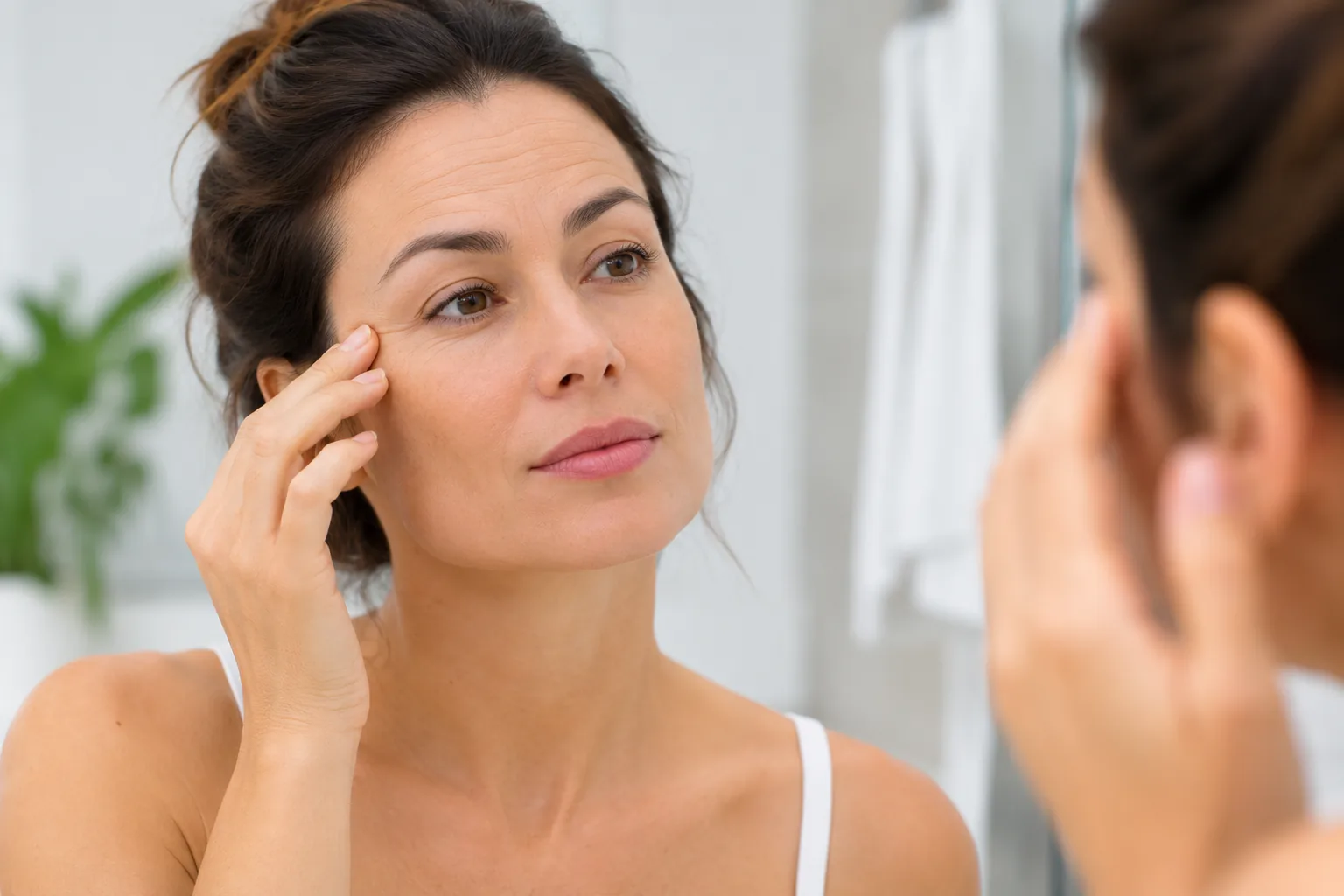


Botox can become a familiar part of your beauty routine, but what happens when you decide to take a break? Whether it is because of the cost, changing aesthetic preferences or simply wanting a more natural appearance, stopping Botox is a decision many people consider. The good news is that your face does not suddenly age overnight. However, you may notice some gradual changes as the effects of the treatment wear off.
What Happens When You Stop Getting Botox?
When you stop getting Botox, the treated facial muscles gradually regain their normal movement. As muscle activity returns, expression lines that were previously softened may become visible again.
Botox temporarily reduces the muscle contractions responsible for certain facial wrinkles. Once its effects wear off, these muscles begin functioning more normally.
You may notice changes in:
-
Horizontal forehead lines
-
Frown lines between the eyebrows
-
Crow's feet around the eyes
-
Eyebrow position
-
Facial expressions and movement
These changes generally develop over several weeks or months rather than appearing suddenly.
Does Your Face Look Worse After Stopping Botox?
Stopping Botox does not inherently make your face look worse than it would have without treatment.
However, after becoming accustomed to smoother skin, you may find the return of your natural expression lines more noticeable.
If you have been receiving Botox for several years, your skin will also have continued to age naturally during that time. Changes in collagen production, sun exposure and skin elasticity may contribute to differences in your appearance.
These changes are not necessarily caused by stopping Botox.
5 Changes You May Notice When You Stop Getting Botox
1. Your Forehead Lines Gradually Return
Horizontal forehead lines may become more visible as the muscles responsible for raising your eyebrows regain movement.
Initially, these lines may appear only during facial expressions. Over time, some may become visible when your face is at rest.
2. Your Facial Expressions Become More Noticeable
You may find it easier to raise your eyebrows, frown or make expressions that were previously softened by Botox.
For some people, this return of facial movement is one of the reasons they choose to discontinue treatment.
3. Crow's Feet Become More Visible
The fine lines around your eyes may gradually return, particularly when smiling or squinting.
Their appearance is influenced not only by muscle movement but also by skin elasticity, sun exposure and natural ageing.
4. Your Eyebrow Position May Change
Botox can influence eyebrow position by temporarily relaxing specific facial muscles.
If your treatment previously created a subtle lifting effect, your eyebrows may gradually return towards their natural position as the treatment wears off.
5. Your Skin May Appear Less Smooth
As repetitive facial movements return, the skin may no longer appear as smooth as it did during treatment.
This does not mean that your skin has been damaged. Rather, the temporary wrinkle-softening effect is no longer present.
Does Stopping Botox Make You Age Faster?
No. There is no established evidence that discontinuing Botox accelerates the natural ageing process.
Skin ageing is influenced by several factors, including genetics, sun exposure, collagen loss, hormonal changes and lifestyle habits.
Botox temporarily addresses certain movement-related wrinkles, but it does not stop the biological ageing process.
When treatment is discontinued, natural facial movement resumes and wrinkles may gradually become more noticeable.
Will Your Face Sag If You Stop Getting Botox?
Stopping Botox does not generally cause sudden facial sagging.
Facial sagging is primarily associated with changes in skin elasticity, facial fat, bone structure and collagen levels. Botox does not directly replace lost facial volume or tighten loose skin.
However, if Botox was used to create a subtle eyebrow lift or improve certain facial contours, losing that temporary effect may change how those areas appear.
It is also important to distinguish Botox from dermal fillers. While Botox reduces muscle activity, fillers add volume to specific facial areas. Their effects and the changes that occur after discontinuing treatment are different.
How Long Does It Take for Your Face to Return to Normal After Botox?
For many cosmetic applications, Botox effects typically last around three to four months, although the duration can vary.
| Time after your last Botox treatment | What you may notice |
|---|---|
| First 1–2 months | Muscle-relaxing effects generally remain noticeable |
| 2–3 months | Facial movement may gradually increase |
| 3–4 months | Expression lines may become more visible |
| 4–6 months | Much of the treatment's effect may have worn off |
| Beyond 6 months | Natural facial movement generally continues without the temporary effects of treatment |
These timeframes are approximate. Treatment dose, injection area, product formulation and individual muscle activity can influence how long the effects last.
What Happens If You Stop Botox After 10 Years?
People who have received Botox regularly for many years may wonder whether their facial muscles will ever function normally again.
Repeated botulinum toxin treatments can lead to changes in muscle thickness and activity. Once treatment stops, muscle function generally returns gradually, although the recovery pattern may differ following prolonged use.
Some individuals may find that certain expression lines remain less pronounced for a period after discontinuing treatment.
However, long-term outcomes vary, and Botox should not be considered a permanent solution for preventing wrinkles.
Can You Stop Botox Suddenly?
Yes. Cosmetic Botox treatments generally do not require a gradual reduction in dosage before stopping.
You can choose not to schedule another appointment and allow the effects of your previous treatment to wear off naturally.
There is no established physical withdrawal syndrome associated with discontinuing cosmetic Botox.
However, people receiving botulinum toxin injections for medical conditions, such as chronic migraine or muscle spasms, should discuss treatment changes with their healthcare provider.
How Can You Maintain Your Skin After Stopping Botox?
Taking a break from injectable treatments does not mean abandoning your skincare routine.
Several everyday habits can help support skin health and reduce premature signs of ageing:
-
Use broad-spectrum sunscreen daily.
-
Maintain a consistent moisturising routine.
-
Consider retinoids if appropriate for your skin.
-
Avoid smoking and excessive sun exposure.
-
Prioritise adequate sleep and balanced nutrition.
These measures cannot reproduce the muscle-relaxing effects of Botox, but they can support skin texture, hydration and overall skin health.
Can You Start Getting Botox Again After Taking a Break?
Yes, many people resume Botox treatments after taking a break of several months or even years.
There is generally no requirement to maintain a continuous treatment schedule for cosmetic purposes. A specialist can reassess your facial anatomy, muscle activity and aesthetic preferences before recommending further treatment.
If the ongoing expense of Botox is one of the reasons you are considering a break, our guide to Botox costs around the world provides a comparison of estimated treatment prices across different countries.
Is It Worth Continuing Botox?
Botox is a personal aesthetic choice rather than a requirement for healthy skin or graceful ageing.
Some people enjoy the smoother appearance it provides, while others prefer greater facial movement or decide that regular appointments no longer suit their lifestyle.
Choosing to stop treatment does not mean that your previous treatments were wasted. It simply means allowing your facial muscles to gradually return to their natural activity.
If you are considering starting, continuing or taking a break from injectable treatments, you can explore medical aesthetics specialists and clinics on MediFinder to discuss your options with a qualified professional.
- Last updated
- Language
- English
How did you find this article?
Why does Botox wear off so quickly? Discover 7 possible reasons, how long Botox normally lasts and what may affect your results.
Explore exosome skin treatments, potential benefits, scientific evidence, safety risks and how they compare with salmon DNA and polynucleotides.
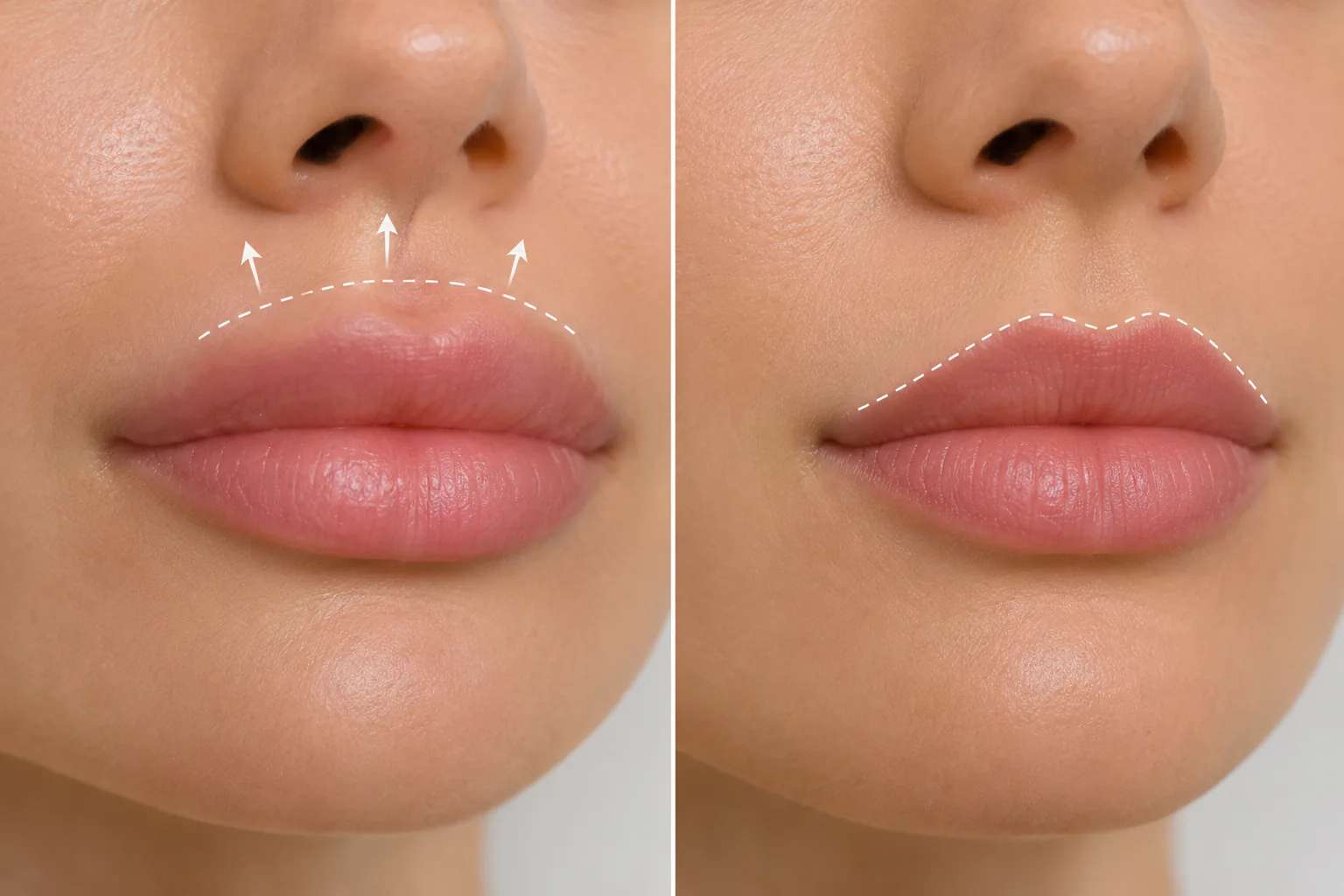
Learn why lip filler migration happens, how to recognize the signs, distinguish it from swelling and explore safe treatment options.
Subscribe to the Medifinder newsletter and never miss our latest content.