










Exosome Skin Treatments: Beauty Breakthrough or Overhyped Trend?
Explore exosome skin treatments, potential benefits, scientific evidence, safety risks and how they compare with salmon DNA and polynucleotides.

- Last updated
- 19 reads
- 4 min read
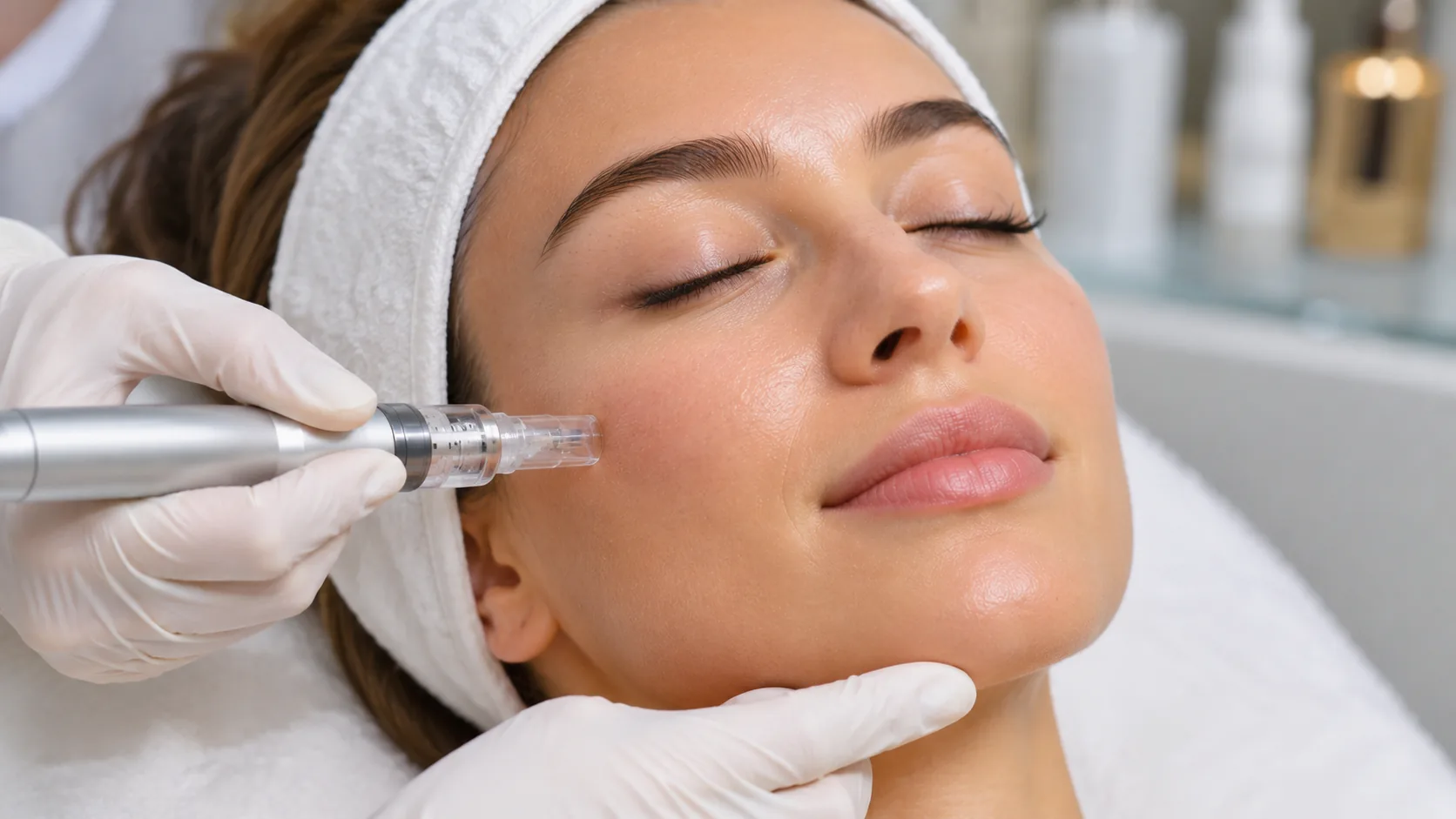


Just when the beauty industry seemed to have explored every possible approach to younger-looking skin, a new contender entered the conversation. Exosomes, once discussed primarily in regenerative medicine laboratories, are now appearing on aesthetic clinic menus and in luxury skincare products.
Unlike conventional treatments that focus on filling wrinkles or relaxing facial muscles, exosome skin treatments aim to influence the biological processes associated with skin repair and regeneration. The idea sounds compelling. But how much of the excitement is supported by scientific evidence, and how much is simply clever beauty marketing?
Why Are Exosomes Becoming So Popular in Aesthetic Medicine?
The focus of aesthetic medicine has gradually expanded beyond changing facial contours. More attention is being paid to skin texture, elasticity, hydration and overall tissue quality.
Exosomes fit into this growing interest in regenerative aesthetics. They are microscopic, membrane-bound particles naturally released by cells. These particles carry biological materials, including proteins, lipids and genetic molecules, that can participate in communication between cells.
Researchers are investigating how these signals influence inflammation, tissue repair and other cellular processes.
However, exosomes are not living stem cells. Although some preparations are derived from stem cell cultures, receiving an exosome-based treatment is not the same as undergoing stem cell therapy. For a broader understanding of this emerging field, explore our guide to the applications of exosome therapy.
How Do Exosome Skin Treatments Work?
Healthy skin relies on communication between different types of cells to maintain its structure and respond to damage.
As the skin ages, changes occur in collagen organisation, elasticity and natural repair processes.
Laboratory research suggests that certain exosomes may influence fibroblast activity, inflammatory signalling and tissue repair mechanisms.
Fibroblasts are particularly interesting in aesthetic medicine because they produce collagen and other components that help maintain skin structure.
The theory behind exosome skin rejuvenation is that introducing selected biological signals may support some of these natural processes.
However, demonstrating an effect in laboratory conditions does not necessarily establish that a commercially available exosome facial will produce the same results in human skin.
Five Potential Benefits of Exosome Skin Treatments
Early clinical research has identified several areas in which exosome-based treatments may be beneficial.
-
Improved skin texture: Some studies have reported a smoother skin surface following treatment.
-
Increased hydration: Selected formulations have been associated with improvements in skin moisture measurements.
-
Softer fine lines: Preliminary findings suggest potential improvements in superficial wrinkles.
-
Improved skin elasticity: Researchers are investigating whether exosome-related signalling can support tissue quality.
-
Post-procedure recovery: Exosomes are being studied as a possible addition to certain skin resurfacing and rejuvenation procedures.
Although these findings are encouraging, improvements should not be interpreted as guaranteed results or evidence that exosomes can reverse skin ageing.
Exosome Facial vs Exosome Injections: Understanding the Difference
Not every treatment advertised as an exosome facial involves the same product or delivery method.
Some formulations are designed for topical application. Others are marketed for use after procedures that temporarily disrupt the skin barrier, while some providers offer injectable preparations.
| Application method | Important considerations |
|---|---|
| Topical exosome serum | Penetration through intact skin remains a limitation |
| Exosomes after microneedling | The disrupted skin barrier introduces additional safety considerations |
| Exosomes after laser treatment | Investigated for possible recovery-related benefits |
| Injectable exosomes | Experimental use with significant regulatory and safety concerns |
A product intended for external cosmetic use should not automatically be considered suitable for application to damaged skin or injection.
The method of administration can significantly influence both the potential effects and the associated risks.
Do Exosome Skin Treatments Actually Work?
Scientific research has produced promising results, but the evidence is not yet strong enough to support many of the dramatic claims found in beauty advertising.
A 2026 systematic review examining 19 human studies reported encouraging short-term findings across several skin-quality measures. However, most studies were not randomized, and differences in study design and follow-up limited the strength of the conclusions.
Another review published in 2026 examined topical exosome treatments and highlighted considerable differences between research preparations and commercially available products.
These limitations make it difficult to establish which formulations are most effective, how long improvements last and whether the benefits justify the cost.
Results observed after combined treatments also deserve careful interpretation. Microneedling and laser procedures can independently improve skin quality, making it difficult to determine how much additional benefit comes specifically from exosomes.
Exosomes vs Salmon DNA: Are They the Same Thing?
Exosomes and salmon DNA treatments are frequently discussed together because both belong to the growing field of regenerative aesthetics.
Nevertheless, they involve different biological materials.
Salmon DNA treatments generally use purified DNA-derived compounds, including polynucleotides and polydeoxyribonucleotides (PDRN).
Exosomes, by contrast, are extracellular particles that transport different types of biological molecules between cells.
| Feature | Exosomes | Salmon DNA |
|---|---|---|
| Main component | Cell-derived extracellular vesicles | Purified DNA-derived compounds |
| Proposed mechanism | Cellular communication | Support for tissue maintenance and repair |
| Application | Depends on the formulation | Commonly administered through injections |
| Scientific evidence | Emerging and heterogeneous | Promising but still developing |
Both approaches aim to improve aspects of skin quality, but neither has been established as universally superior.
Read our guide to salmon DNA treatments for a closer look at their composition and potential benefits.
Our article on [polynucleotides
- Last updated
- Language
- English
How did you find this article?

Why does Botox wear off so quickly? Discover 7 possible reasons, how long Botox normally lasts and what may affect your results.

What happens when you stop getting Botox? Learn whether wrinkles return, skin begins to sag and your face changes as the effects wear off.
Learn why lip filler migration happens, how to recognize the signs, distinguish it from swelling and explore safe treatment options.
Subscribe to the Medifinder newsletter and never miss our latest content.