










What Should You Do When a Dental Abscess Swells? When Should You See a Doctor?
Learn what to do when a dental abscess causes swelling, which home measures may provide temporary relief and when you need urgent dental or emergency care.

- Last updated
- 208 reads
- 10 min read
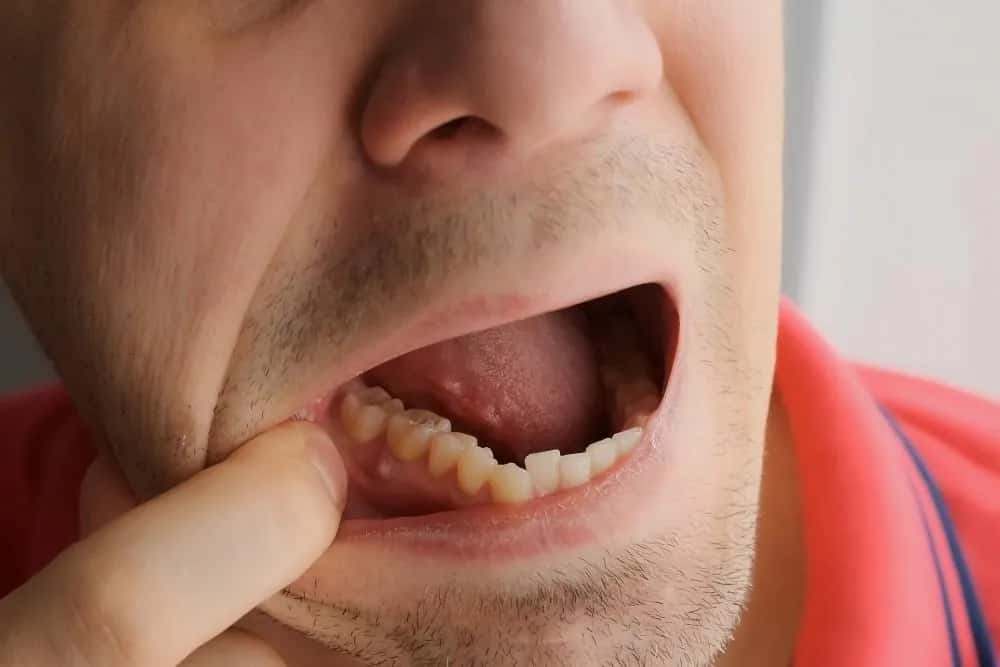


Swelling around a painful tooth or gum should never be treated as a minor cosmetic problem. It may indicate that bacteria have reached the inside of a tooth, the tissues surrounding its root or a deeper area of the gum. As pressure builds, the affected area can become tender, warm and increasingly swollen.
A dental abscess is a collection of pus caused by infection. It may develop after untreated tooth decay, a cracked tooth, advanced gum disease or an injury that allows bacteria to enter the dental tissues. Unlike a small mouth ulcer, an abscess does not normally disappear without professional treatment. Even when it drains and the swelling temporarily becomes smaller, the source of infection can remain.
If you have noticed swelling, you should contact a dentist promptly rather than waiting for severe pain. Early treatment may make it possible to save the affected tooth and reduce the risk of infection spreading to the face, jaw or neck.
What Does a Swollen Dental Abscess Look Like?
The appearance of a dental abscess can vary depending on where the infection has developed. You may notice a raised bump on the gum, swelling around one tooth or a larger area of facial swelling.
A small abscess on the gum may resemble a pimple. It may appear red, white or yellow and can occasionally release pus or an unpleasant-tasting fluid. The bump may shrink after draining and then return several days later.
When the infection develops around the root of a tooth, the swelling may not be immediately visible inside the mouth. Instead, you may feel pressure, throbbing pain or tenderness when biting. As the infection progresses, the cheek or jaw may begin to swell.
Common symptoms accompanying a swollen dental abscess include:
- Continuous or throbbing toothache
- Pain when biting or chewing
- Sensitivity to hot and cold
- Red or swollen gums
- A bad taste or smell in the mouth
- Pus draining from the gum
- Tender glands beneath the jaw
- Fever or a general feeling of illness
Pain can sometimes spread toward the ear, jaw or neck. The tooth may also feel slightly raised, as though it touches the opposite tooth before the others when you close your mouth.
What Should You Do First When a Dental Abscess Swells?
Your first step should be to arrange an urgent dental assessment. You should not wait for the swelling to become large or for the pain to become unbearable. Contact your usual dentist and explain that you have dental swelling, possible pus or a painful gum bump.
If your clinic is closed, look for an emergency or out-of-hours dental service in your area. A dentist can determine whether the swelling is caused by an abscess, gum inflammation, an impacted tooth or another condition.
While waiting for your appointment, keep the area reasonably clean. Brush your teeth gently with a soft toothbrush, taking care not to press aggressively against the swelling. Avoid repeatedly touching the area with your fingers or tongue.
You may rinse your mouth carefully with lukewarm salt water if you can do so without swallowing it. This may help keep the area clean and soothe irritated tissues, but it will not remove infection from inside the tooth.
Choose soft foods and chew on the opposite side of your mouth. Very hot, cold, sugary or hard foods may increase the pain. Drinking enough water can also help prevent your mouth from becoming dry.
Should You Apply Heat or Cold to the Swelling?
A cold compress placed against the outside of the cheek may help reduce discomfort and limit swelling. Wrap a cold pack in a clean towel rather than placing ice directly against your skin. Use it for short periods and allow your skin to rest between applications.
You should generally avoid applying strong heat to an area of facial swelling. Heat may make throbbing and inflammation feel worse in some cases. Hot water bottles and very warm compresses should not be used as substitutes for professional treatment.
Do not place ice directly inside the mouth against the affected tooth. Prolonged direct contact may irritate the gum and worsen sensitivity.
Can You Drain a Dental Abscess at Home?
You should never squeeze, puncture or cut a dental abscess yourself. Trying to drain the swelling with a needle or another sharp object can damage the surrounding tissues and introduce additional bacteria.
A gum abscess may burst without assistance. If this happens, you may notice a sudden release of unpleasant-tasting fluid and a temporary reduction in pressure. Rinse your mouth gently and contact a dentist even if the pain improves.
Drainage does not mean that the infection has been cured. The affected tooth, root or gum pocket may still contain bacteria. Without treatment, the swelling can return or the infection can spread deeper into the surrounding tissues.
You should also avoid trying to press pus from the area. Repeated pressure may irritate the gum and delay appropriate treatment.
Can Painkillers Help With a Dental Abscess?
Over-the-counter pain relief may reduce discomfort while you arrange dental care, but it does not treat the underlying infection.
Paracetamol, also known as acetaminophen, or an anti-inflammatory medicine such as ibuprofen may be suitable for some adults. You should follow the instructions on the product label and avoid taking more than the recommended amount.
Ibuprofen may not be appropriate if you have certain stomach, kidney, bleeding or cardiovascular conditions. It may also be unsuitable during particular stages of pregnancy or when taken with some prescription medicines. Paracetamol may not be suitable for people with certain liver conditions.
Ask a pharmacist or healthcare professional for advice when you are unsure which medicine you can safely use. You should also mention any blood-thinning medication, allergies, pregnancy or long-term health conditions.
Never place aspirin or a crushed painkiller directly against the gum or tooth. This can cause a chemical burn and create an additional painful wound.
When Should You See a Dentist?
A suspected dental abscess requires prompt dental care. You should arrange an urgent appointment when you have swelling around a tooth, a gum pimple, pus, persistent toothache or pain when biting.
You should also seek dental treatment when:
- The pain continues despite appropriate pain relief
- The swelling is gradually increasing
- You have a foul taste caused by drainage
- The tooth has broken or developed a large cavity
- The gum is red, tender or repeatedly bleeding
- The swelling disappears and then returns
- You have difficulty opening your mouth normally
- You feel feverish or generally unwell
A dental abscess usually needs treatment of the tooth or gum that caused it. Waiting for the pain to stop can allow the problem to become more complicated.
When Is a Dental Abscess an Emergency?
Some symptoms suggest that infection may be spreading beyond the immediate area of the tooth. In these circumstances, routine dental care may not be enough.
Seek emergency medical attention when you experience difficulty breathing or swallowing, swelling beneath the tongue, swelling spreading toward the neck or eye, or rapid enlargement of the face or jaw. Problems speaking, severe weakness, confusion or an inability to open the mouth can also require urgent assessment.
Do not attempt to drive yourself if breathing, swallowing or alertness is affected. Ask another person to take you or contact your local emergency service.
Swelling near the eye deserves particular attention. Infection in an upper tooth can sometimes affect nearby facial tissues. Redness around the eye, difficulty opening it or changes in vision should not be ignored.
Swelling in the floor of the mouth or beneath the jaw may also become serious because it can interfere with the airway. These symptoms require immediate medical assessment.
Is a Dental Abscess Dangerous?
A dental abscess can become dangerous when infection spreads from the tooth into the jaw, facial tissues, neck or bloodstream. This does not happen in every case, but it is not possible to predict safely which untreated infection will remain local.
The severity of the pain is not always a reliable measure of danger. If pressure is released after an abscess drains, the pain may decrease even though bacteria remain. In some cases, the nerve inside the tooth dies and the tooth stops hurting while the infection continues around the root.
The risk of complications may be greater if you have diabetes, a weakened immune system or a condition that reduces your ability to fight infection. People receiving chemotherapy, immune-suppressing treatment or certain long-term medications should mention this when arranging care.
Older adults, young children and pregnant patients may also need individual assessment. You should not postpone treatment because of pregnancy. Your dentist can plan suitable imaging, anaesthesia and medication when treatment is necessary.
How Quickly Can a Dental Infection Spread?
There is no fixed timetable for the spread of a dental abscess. Some infections remain local for a period, while others can worsen rapidly. The location of the tooth, the type of bacteria, your immune response and whether the abscess can drain all influence how the condition progresses.
An increase in swelling over several hours is concerning. Fever, chills, fatigue or swelling that moves beyond the gum can indicate that your body is responding to a wider infection.
You should not rely on the number of days you have had the problem. A relatively new swelling can still require emergency care when it affects breathing, swallowing, speech, the eye or the neck.
Will a Dental Abscess Go Away on Its Own?
A dental abscess should not be expected to heal without treatment. Symptoms may come and go, but the source of the infection usually remains until the affected tooth or gum is treated.
The abscess may drain through the gum and become smaller. Pain can also improve if the nerve inside the tooth loses its function. Neither change confirms that healing has occurred.
Untreated infection may return as another painful swelling. It can also damage the bone supporting the tooth, making successful treatment more difficult.
Home remedies can temporarily improve comfort but cannot clean infected tissue from inside a tooth or remove a deep gum pocket.
How Does a Dentist Treat a Swollen Abscess?
Treatment depends on the source and extent of the infection. Your dentist will examine the tooth, surrounding gum and facial tissues. The tooth may be tested for sensitivity and tenderness, and an X-ray may be taken to locate infection around the root or assess nearby bone.
If the tooth can be saved, root canal treatment may be recommended. During this procedure, infected tissue is removed from inside the tooth, the canals are cleaned and the space is sealed. The tooth may later need a filling or crown.
If the tooth is too damaged to restore, extraction may be necessary. Removing the tooth eliminates the source of infection and allows the area to drain.
An abscess in the gum may require professional drainage and thorough cleaning around the tooth. Treatment for advanced gum disease may also be required.
The dentist may release pus through the tooth, gum or a small incision when drainage is necessary. You should not attempt any part of this process at home.
Are Antibiotics Always Necessary?
Antibiotics are not automatically required for every dental abscess. When infection is confined to one area and can be treated by drainage, root canal therapy or extraction, dental treatment addresses the source directly.
Antibiotics may be prescribed when there is spreading swelling, fever, general illness or a higher risk of complications. The choice of medicine depends on your symptoms, medical history, allergies and local clinical guidance.
Antibiotics should not be viewed as a replacement for dental treatment. The symptoms may return after the medication is finished if the infected tooth remains untreated.
You should take prescribed antibiotics exactly as instructed. Do not use leftover medication, share antibiotics with another person or change the dose without professional advice.
What Should You Avoid While Waiting for Treatment?
Smoking and vaping can irritate oral tissues and may interfere with healing. Alcohol may also interact with medicines and worsen dehydration, so avoiding these products is sensible while you are unwell.
Do not use household chemicals, alcohol, bleach, essential oils or concentrated substances on the swelling. These products can burn the gum without treating the infection.
Avoid hard foods that place pressure on the affected tooth. Sticky sweets and very sugary drinks may also worsen discomfort.
You should not delay your appointment simply because painkillers have made the symptoms manageable. Pain control is temporary and does not prevent infection from progressing.
How Can You Reduce the Risk of Another Dental Abscess?
Preventing dental abscesses begins with controlling tooth decay and gum disease. Brush your teeth regularly with fluoride toothpaste and clean between them using floss or interdental brushes.
Limit frequent sugary snacks and drinks, particularly between meals. Repeated sugar exposure allows oral bacteria to produce acids throughout the day.
Attend dental examinations even when you do not have pain. Early cavities, cracked fillings and gum problems can often be treated before infection develops.
A broken tooth or lost filling should be assessed promptly. The longer the internal tissues remain exposed, the greater the opportunity for bacteria to enter.
You should also mention dry mouth, persistent gum bleeding or difficulty cleaning particular areas. Addressing these problems early can help protect both the teeth and surrounding tissues.
- Last updated
- Language
- English
How did you find this article?
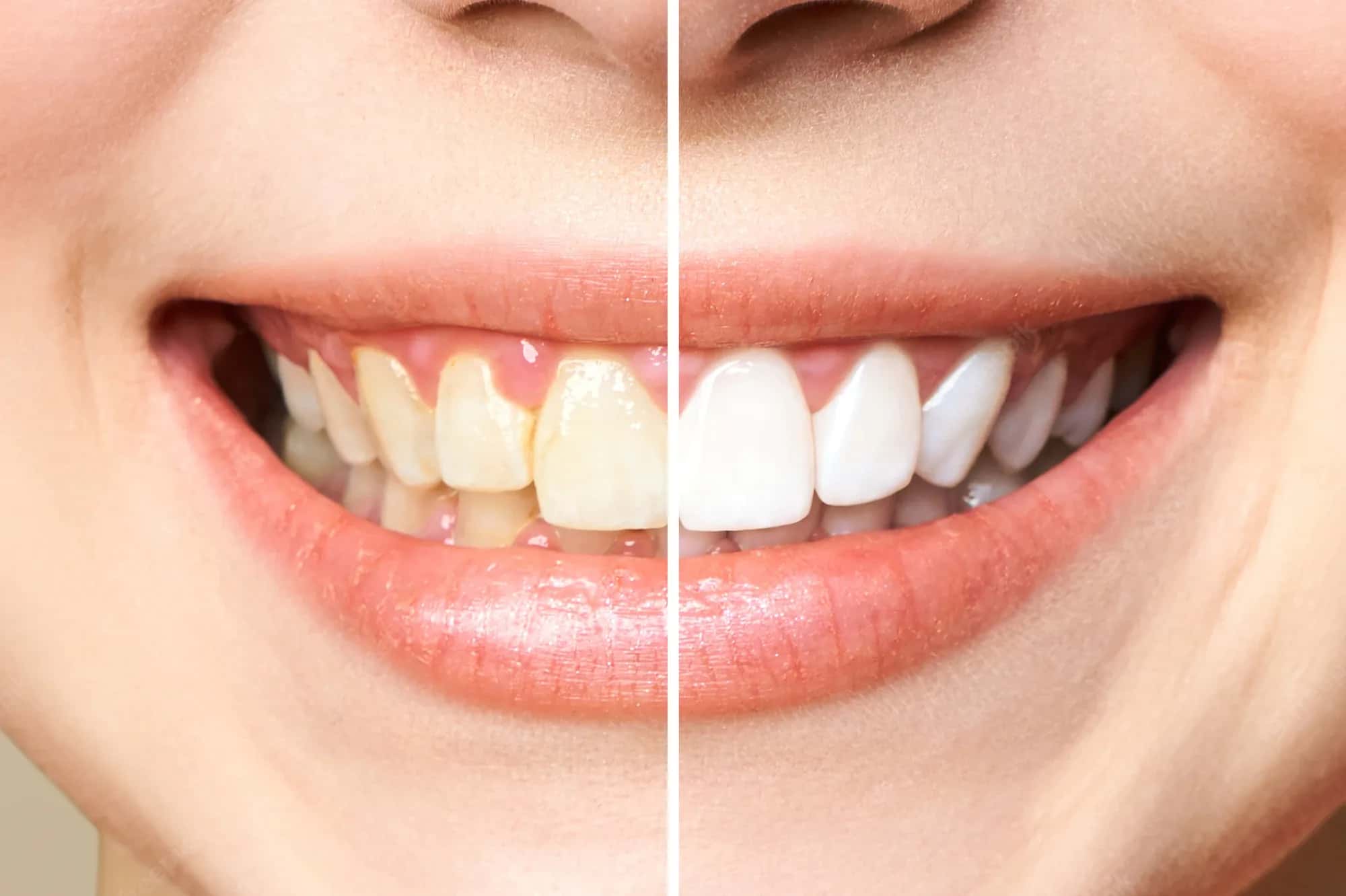
Teeth whitening costs around the world vary substantially, with professional treatment generally costing less in countries such as Turkey, Mexico and India than in the United States or United Kingdom.
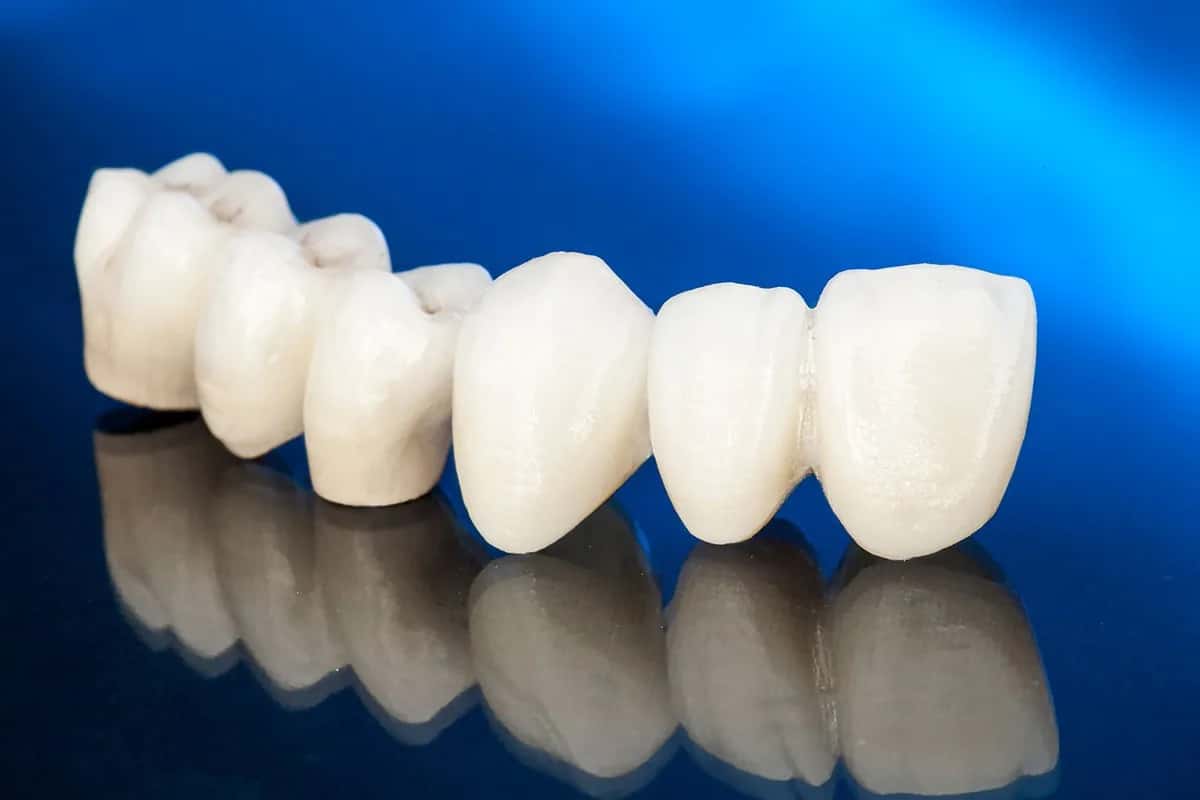
Zirconium crown costs around the world vary significantly, from approximately €180–€400 per tooth in Turkey to $1,000–$2,500 in the United States, based on published 2026 private-treatment prices.
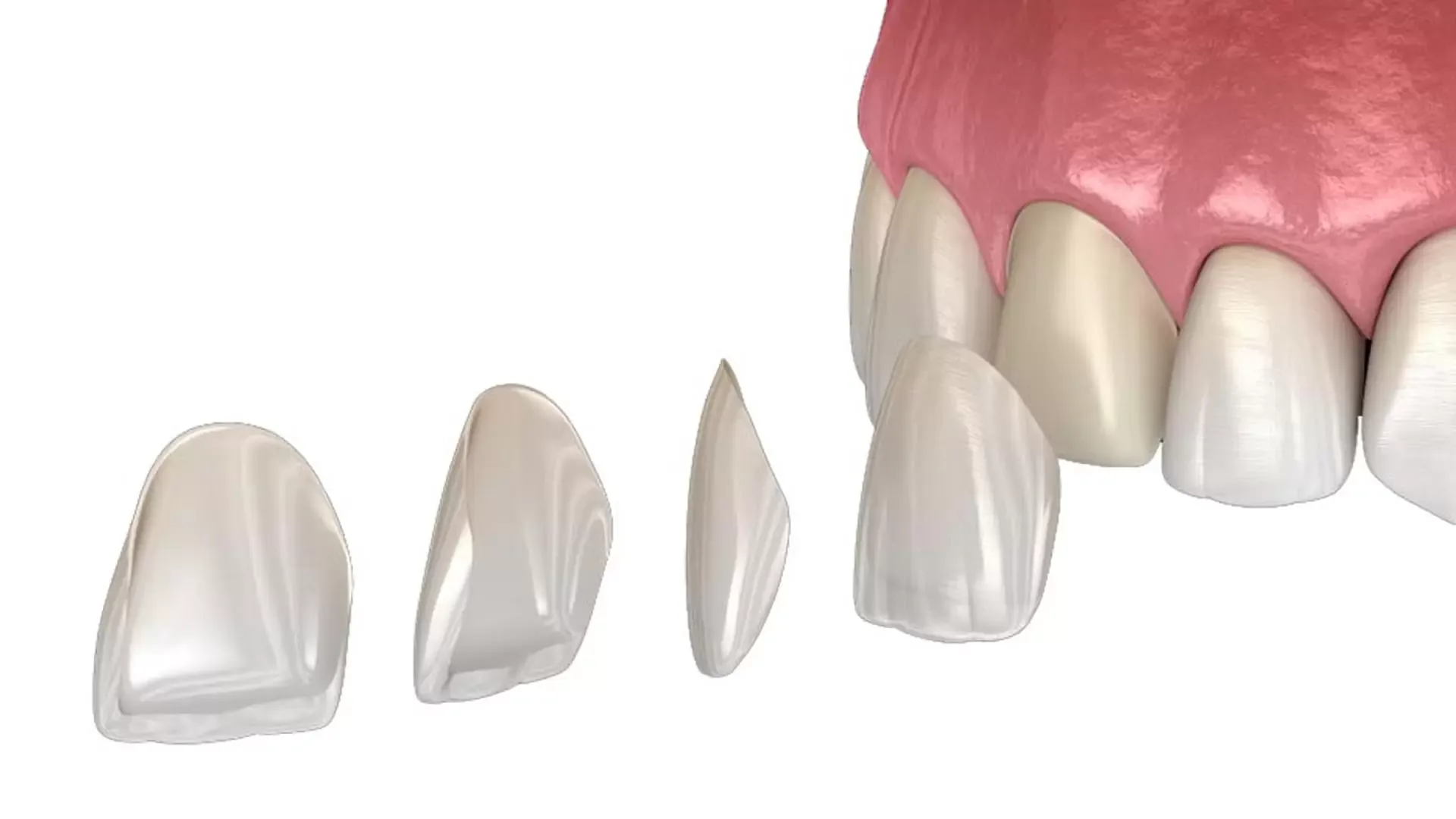
E-Max costs around the world differ significantly, with ceramic veneers and crowns available at lower published prices in countries such as Turkey, Mexico and Hungary than in the United States or United Kingdom.
Subscribe to the Medifinder newsletter and never miss our latest content.