










Teeth Whitening Costs Around the World: 2026 Country-by-Country Price Guide
Teeth whitening costs around the world vary substantially, with professional treatment generally costing less in countries such as Turkey, Mexico and India than in the United States or United Kingdom.

- Last updated
- 17 reads
- 14 min read
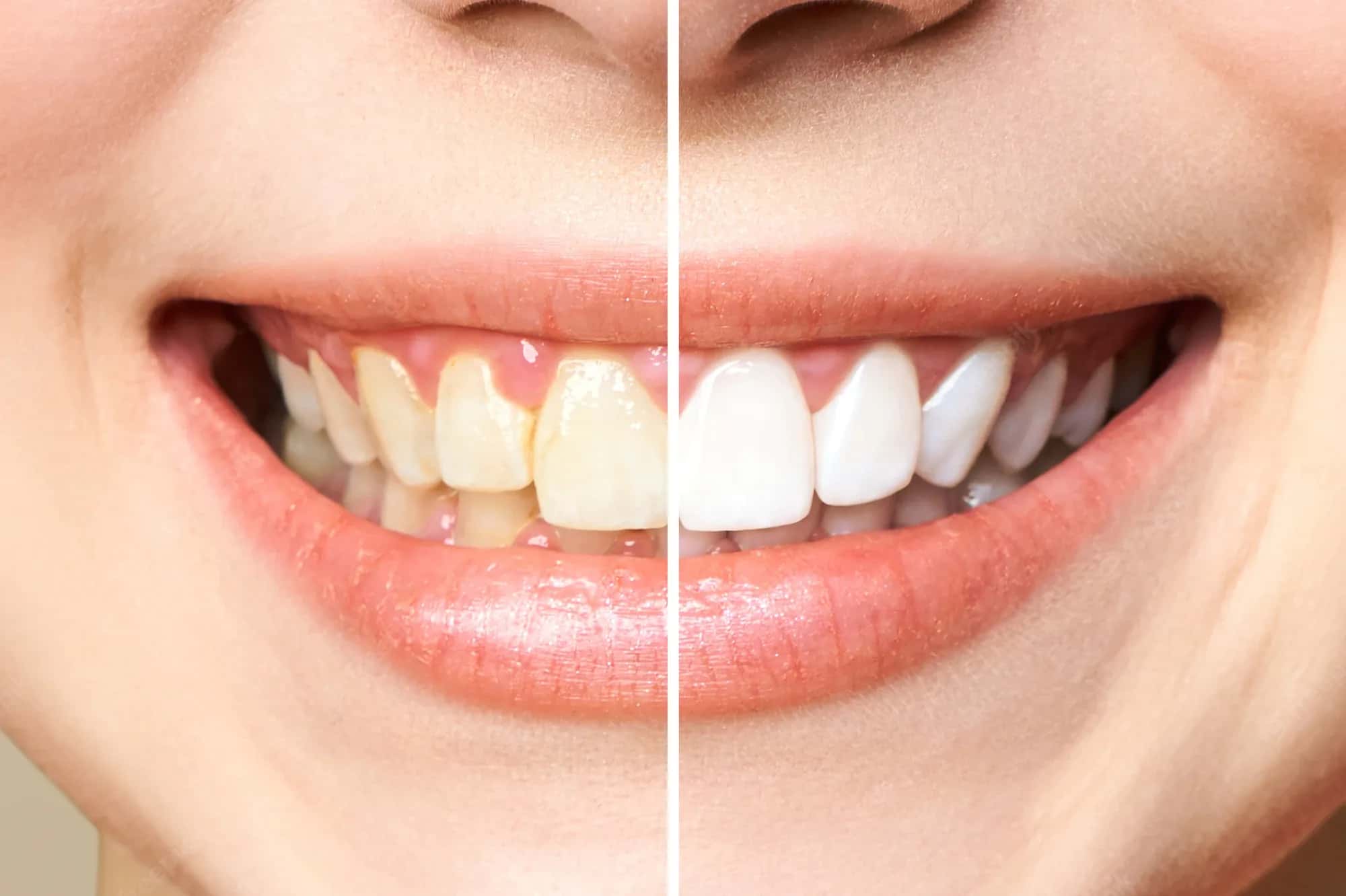


What Does Professional Teeth Whitening Actually Include?
Professional teeth whitening uses bleaching agents, usually hydrogen peroxide or carbamide peroxide, to break down compounds responsible for tooth discoloration.
Unlike a routine dental cleaning, which primarily removes external stains and deposits, bleaching can lighten the natural color of tooth structure.
The process normally begins with an assessment of the teeth and gums. Existing restorations, sensitivity and the type of discoloration all influence whether whitening is appropriate.
During in-office treatment, the surrounding soft tissues are protected before whitening gel is applied. With dentist-supervised home whitening, individually fitted trays deliver the gel over a series of applications.
The quoted fee should reflect the complete method being provided.
Why Do Teeth Whitening Costs Differ Between Countries?
International whitening prices reflect differences in operating expenses, professional labor, local purchasing power and treatment packaging.
However, economic factors are only part of the explanation.
A short in-office appointment may cost less than a package combining professional bleaching with custom home trays and additional gel.
The whitening system, preparation required and number of treatment visits can also affect the fee.
This makes direct comparisons difficult when advertisements provide only a starting price.
A treatment costing $200 in one country is not necessarily equivalent to a $500 package elsewhere if the first covers one appointment and the second includes several stages of care.
How Much Does Teeth Whitening Cost Around the World in 2026?
The following ranges provide an indicative comparison of professional in-office teeth whitening prices published or advertised in 2026.
| Country | Indicative professional in-office whitening cost |
|---|---|
| United States | US$300–$1,000 |
| United Kingdom | £300–£700 |
| Turkey | €150–€450 |
| Mexico | US$100–$350 |
| Hungary | HUF 75,000–150,000 |
| Poland | PLN 600–2,000 |
| Germany | €250–€800 |
| Spain | €200–€500 |
| Thailand | US$100–$350 |
| India | ₹7,000–₹20,000 |
| Australia | A$400–A$1,500 |
| Canada | C$300–C$900 |
These are broad private-market reference ranges, not official national averages or guaranteed treatment quotations. Prices can represent a single appointment or a defined in-office course, and additional cleaning, home trays or follow-up services may be excluded.
Local currencies are retained to avoid treating temporary exchange rates as permanent price differences.
How Much Does Professional Teeth Whitening Cost in the United States?
Professional in-office teeth whitening in the United States commonly falls between approximately $300 and $1,000.
The lower end may cover a straightforward session, while a more extensive package can include additional applications or maintenance products.
Dentist-supervised take-home trays are generally another option and may offer a lower initial expense than in-office whitening.
The financial decision should be based on the patient's discoloration and preferred treatment schedule rather than the assumption that the most expensive procedure must produce the whitest result.
Importantly, whitening is usually an elective cosmetic expense, so patients should expect to pay privately unless a particular benefit arrangement states otherwise.
What Is the Price of Teeth Whitening in the United Kingdom?
Private in-office teeth whitening in the United Kingdom commonly costs approximately £300 to £700, although published starting prices can fall outside that range.
Dentist-prescribed home whitening is another established option, using custom trays and gel over several days or weeks.
Purely cosmetic teeth whitening is not provided through routine NHS treatment, so the expense is generally paid privately.
There is also a significant safety consideration.
Whitening products containing hydrogen peroxide above 0.1% and up to 6% are subject to professional dental restrictions in the United Kingdom.
A cheaper treatment offered outside the regulated dental setting should not be assumed to provide an equivalent or appropriate bleaching service.
How Much Does Teeth Whitening Cost in Turkey?
Turkey offers professional whitening at prices that can be considerably lower than those in higher-priced Western markets.
Indicative in-office fees commonly fall between approximately €150 and €450, with different whitening courses occupying different points within that range.
Some packages also offer custom trays for home use, while others include only the whitening appointment.
For international patients, the relatively modest treatment price creates an important practical question: whether a separate journey is financially justified.
A whitening appointment may make sense when combined with an already planned trip, but flights and accommodation can easily outweigh the savings from one cosmetic procedure.
What Does Teeth Whitening Cost in Mexico?
Professional teeth whitening in Mexico is commonly advertised at approximately $100 to $350, depending on the treatment offered.
The lower prices can be attractive for patients comparing the procedure with private care in the United States.
However, whitening prices need to be compared on the same basis.
One quotation might cover both upper and lower teeth, while another may refer to a shorter treatment or a particular bleaching system.
Patients who live close to the border may find follow-up relatively convenient.
For those traveling from farther away, transport and accommodation should be included in the calculation before treating the lower advertised fee as a substantial saving.
How Do Teeth Whitening Prices Compare in Hungary and Poland?
Hungary and Poland both offer professional whitening at prices that may be lower than those in several Western European countries.
In Hungary, published in-office whitening fees commonly appear between approximately HUF 75,000 and 150,000.
In Poland, a broad planning range is around PLN 600 to 2,000, although published 2026 prices extend beyond those figures. A substantial sample of Polish dental price lists placed the median LED-assisted in-office whitening fee at approximately PLN 1,200.
These figures demonstrate why the lowest advertised price should not be treated as representative of an entire country.
Comparing treatment duration, cleaning requirements and whether both dental arches are included provides a clearer financial picture.
How Much Does Teeth Whitening Cost in Germany and Spain?
Germany generally has higher published prices for professional whitening than some neighboring dental tourism markets.
In-office treatment commonly costs approximately €250 to €800, with some packages including preparatory cleaning or additional whitening services.
In Spain, indicative in-office prices commonly fall between €200 and €500.
For someone living in either country, the difference may be less significant than the expense of arranging international travel.
Another consideration is treatment type. A dentist-supervised home whitening course may be available at a lower price than a combined in-office and home-treatment package.
The most useful comparison examines the expected treatment process, not simply the amount displayed beside the word bleaching.
What Are Teeth Whitening Prices in Thailand and India?
Thailand and India are among the destinations where private professional whitening can be relatively affordable.
Indicative in-office treatment costs in Thailand are approximately $100 to $350, while prices in India commonly range from ₹7,000 to ₹20,000.
These figures can be attractive alongside a broader dental treatment plan.
However, whitening itself is generally a comparatively short cosmetic procedure, which limits the financial benefit of traveling a long distance solely for treatment.
There is also no reason to assume that lower-cost whitening requires a fundamentally different chemical process.
The relevant differences concern the treatment protocol, oral health assessment and the services included in the fee.
How Much Does Teeth Whitening Cost in Australia and Canada?
Australia and Canada generally have higher professional whitening prices than many international dental tourism destinations.
In Australia, in-office whitening may cost approximately A$400 to A$1,500, while dentist-supervised home trays generally occupy a lower price category.
Canadian in-office fees commonly range from around C$300 to C$900, with custom home whitening also available.
These broad figures reflect differences in treatment duration, product selection and package structure.
Because whitening is primarily cosmetic, insurance benefits are usually limited or unavailable.
Someone considering an international alternative should compare the complete local expense with travel costs and the availability of future care, rather than evaluating the treatment fee in isolation.
Why Can Two Whitening Treatments Have Very Different Prices?
A higher whitening price does not necessarily indicate that the teeth will become proportionally whiter.
Some procedures use an in-office gel application designed to provide a relatively rapid visible change. Others combine the appointment with an extended home program to refine the result.
The original tooth shade and type of discoloration also matter.
Yellow-toned teeth may respond differently from gray discoloration or staining associated with certain medications.
In addition, the dental team may need to address sensitive areas, existing fillings or gum inflammation before beginning.
The value of a treatment depends on whether its approach matches the dental condition, not on the technology used in its advertising.
Which Teeth Whitening Methods Affect the Total Cost?
Several approaches can improve tooth color, but they differ in price, treatment time and the degree of professional oversight.
-
In-office whitening: Professional bleaching gel is applied during a dental appointment, making it suitable for patients seeking a supervised procedure within a relatively short period.
-
Dentist-supervised home whitening: Custom trays deliver prescribed gel over several days or weeks, usually at a lower price than premium in-office treatment.
-
Combined whitening: An in-office session is followed by home applications, increasing the initial cost but allowing a more extended treatment plan.
-
Over-the-counter products: Whitening strips, gels and toothpastes generally cost less, although their effectiveness, ingredient concentrations and suitability differ from professionally supervised treatment.
Is In-Office Whitening More Expensive Than Custom Take-Home Trays?
In-office whitening usually costs more than dentist-supervised home treatment because it requires a dedicated appointment, professional application and protection of the surrounding tissues.
Custom home whitening involves an initial examination and individually made trays, followed by gel applications performed according to instructions.
The lower price does not automatically mean that home treatment is less effective.
Research indicates that different professionally supervised bleaching protocols can produce meaningful color improvements.
For patients comfortable following a gradual treatment schedule, home trays may offer a favorable balance of cost and convenience.
A faster appointment is valuable when timing matters, but speed alone should not determine which method is chosen.
Is Laser or LED Teeth Whitening Worth Paying Extra For?
Laser and LED systems are often promoted as advanced ways to intensify professional whitening.
However, the bleaching gel is responsible for the chemical process that lightens tooth discoloration.
Research reviewing multiple clinical studies has found that light activation generally does not improve the final whitening effect compared with appropriate gel-based protocols without additional light.
Some light-assisted methods may also increase sensitivity.
This does not mean every light-based technique is unsuitable. It means a premium price justified solely by laser or LED technology deserves careful consideration.
A sensible comparison should focus on the whitening agent, treatment duration, protective measures and expected result rather than treating light activation as proof of superior performance.
Does the Quoted Price Cover One Session or a Complete Whitening Course?
A session and a complete course are not necessarily the same purchase.
An in-office appointment may include several applications of bleaching gel within one visit. A broader treatment package might involve a second appointment or custom trays for additional whitening at home.
Some prices also refer to treatment of a single arch rather than both upper and lower teeth.
This difference can make one quotation appear unusually inexpensive.
Before comparing offers, patients should establish whether the price covers the complete intended treatment, including any necessary review.
A clearly defined course provides a better basis for budgeting than an advertised session price with uncertain inclusions.
Can Professional Cleaning Reduce the Need for Whitening?
Teeth can appear darker because of external stains caused by substances such as tea, coffee and tobacco.
Professional cleaning removes plaque, calculus and certain surface discolorations, potentially making the teeth look noticeably brighter without chemical bleaching.
However, cleaning does not change the underlying natural shade of the tooth in the way whitening agents can.
This distinction can save unnecessary expense.
A person mainly concerned about visible brown surface stains may be satisfied after appropriate cleaning and polishing.
Someone whose teeth are naturally yellow or have deeper discoloration may still want bleaching afterward.
The correct sequence begins by identifying what is actually causing the color change.
Can Dental Crowns, Veneers and Fillings Be Whitened?
Whitening products change the color of natural teeth but do not reliably lighten porcelain veneers, ceramic crowns or tooth-colored composite fillings.
This can create an unexpected expense when restorations are present in the visible smile.
Imagine someone with two front crowns who decides to whiten the surrounding natural teeth. The untreated crowns may then appear darker by comparison, even though they previously matched well.
Replacing those restorations could cost substantially more than the whitening itself.
For that reason, existing dental work should be assessed before selecting a target shade.
When new crowns or veneers are planned, whitening the natural teeth first can help establish the appropriate final restoration color.
How Does Tooth Sensitivity Affect Whitening Treatment Costs?
Temporary tooth sensitivity is one of the most common effects of bleaching.
It may be more noticeable with higher peroxide concentrations or prolonged exposure, particularly when the teeth already have sensitive areas.
A treatment plan may therefore involve lower concentrations, shorter applications or products intended to manage sensitivity.
These adjustments can affect treatment duration and sometimes introduce additional expense.
However, discomfort should not simply be accepted as evidence that the whitening is working.
Sharp or persistent pain, exposed dentin, untreated cavities and gum problems need attention before further bleaching.
Choosing an aggressive whitening protocol to avoid additional appointments can be counterproductive when the teeth are already sensitive.
Which Additional Expenses May Be Missing From Whitening Quotes?
The advertised whitening fee may not represent the complete amount required to prepare, whiten and maintain the teeth.
-
Dental examination and shade assessment: An initial oral health review, photographs or color records may be separate from the whitening fee.
-
Professional cleaning: Scaling, plaque removal and polishing may be recommended before bleaching, particularly when deposits or external stains are present.
-
Additional whitening products: Custom trays, extra gel, another session or a take-home maintenance kit may increase the overall price.
-
Restorative adjustments: Existing front fillings, crowns or veneers may need replacement if they no longer match the newly whitened natural teeth.
How Much Does Whitening a Single Dark Tooth Cost?
A single tooth may become darker after trauma or root canal treatment, creating a different problem from generalized tooth discoloration.
In suitable root canal-treated teeth, internal bleaching can be considered. The whitening agent is placed within the tooth under controlled conditions rather than applied only to its outer surface.
This requires an assessment of the previous root canal treatment and suitable protection of the root filling.
The procedure may need more than one appointment.
Its price is commonly quoted per tooth and can be substantially different from the cost of whitening an entire dental arch.
Internal bleaching should not be confused with a standard cosmetic whitening session, because the technique and clinical considerations are different.
Does Dental Insurance Cover Teeth Whitening?
Professional teeth whitening is generally classified as elective cosmetic dentistry.
As a result, standard dental insurance arrangements frequently exclude it from routine reimbursement.
In the United Kingdom, cosmetic whitening is not available as a routine NHS treatment.
In other countries, some private dental plans or membership programs may offer reduced fees, but a discounted treatment is not the same as insurance paying the complete cost.
An examination or cleaning carried out for oral health reasons may have a different benefit status from whitening itself.
The relevant comparison is the final amount the patient must pay for the chosen treatment after any eligible benefits or discounts.
Is Traveling Abroad for Teeth Whitening Financially Worthwhile?
International dental treatment can offer genuine price advantages, but teeth whitening involves a smaller financial commitment than procedures such as implants or extensive ceramic restorations.
Consider someone comparing a £500 whitening course at home with a €200 session abroad.
The foreign treatment fee is lower, but flights, accommodation and local transport may exceed the difference.
Travel can make more sense when whitening is added to an existing trip or combined with other appropriately planned dental treatment.
The practical value also depends on whether further applications or adjustments will be necessary.
A lower initial fee is not a saving if the complete treatment becomes more expensive once travel and follow-up are included.
How Long Do Teeth Whitening Results Last?
Whitening results are not permanent, although many people maintain a visibly lighter shade for an extended period.
The duration depends on the original discoloration, treatment method, oral hygiene and exposure to staining substances.
Coffee, tea, tobacco and certain foods can gradually affect tooth appearance.
Some people choose occasional touch-up treatment, while others remain satisfied without frequent maintenance.
The important consideration is that regular repeat bleaching should not become an automatic habit.
A change in shade should be assessed before another treatment course, particularly when sensitivity develops.
The lifetime expense is therefore better understood as an initial whitening cost plus possible maintenance, rather than a guaranteed one-time purchase.
What Risks and Warning Signs Should Patients Understand?
Professional whitening is generally well tolerated when appropriate precautions are taken, but bleaching agents can cause unwanted effects and are not suitable for every dental condition.
-
Temporary tooth sensitivity: Cold sensitivity or brief discomfort may occur during treatment, particularly with stronger bleaching products or longer exposure.
-
Gum irritation: Whitening gel contacting the soft tissues can produce temporary inflammation or a burning sensation, especially when protection is inadequate.
-
Uneven color results: Existing crowns, veneers and fillings will not whiten with natural teeth, and different types of discoloration may respond unevenly.
-
Persistent or unusual pain: Severe sensitivity, ongoing gum injury or pain affecting one particular tooth should prompt dental assessment rather than repeated whitening applications.
What Should You Check Before Accepting a Teeth Whitening Quote?
A reliable quotation should identify the actual whitening method and the complete treatment being purchased.
It should specify whether the price covers both dental arches, how many appointments are included and whether the treatment involves in-office bleaching, custom home trays or a combination.
The proposed plan should also explain whether cleaning and oral examination are included.
Patients with visible fillings or crowns should understand the possibility of a color mismatch after whitening.
When treatment takes place abroad, any follow-up needs should be considered before travel arrangements are finalized.
The most useful quotation is one that makes the expected process and total expense clear, rather than simply presenting the lowest advertised starting price.
How Can You Compare Teeth Whitening Costs Without Compromising Dental Health?
Comparing teeth whitening prices internationally requires a consistent definition of the treatment.
An in-office bleaching course in Turkey or Mexico should be compared with a similar professional course in the United States, United Kingdom or another country.
A basic whitening session is not equivalent to a combined package containing custom trays, extra gel and follow-up.
The best-value option is also not necessarily the most aggressive one.
Stronger whitening agents, additional light activation and repeated applications do not guarantee a proportionally better outcome, particularly when the underlying tooth shade or existing restorations limit the achievable result.
A sensible financial decision considers the initial fee, preparatory treatment, maintenance and any additional costs caused by changes in restoration color.
Most importantly, healthy teeth and gums should take priority over achieving the lightest possible shade.
Teeth whitening provides the greatest value when it addresses a realistic cosmetic concern, uses an appropriate bleaching method and produces an attractive result without unnecessary treatment or avoidable damage to oral health.
- Last updated
- Language
- English
How did you find this article?
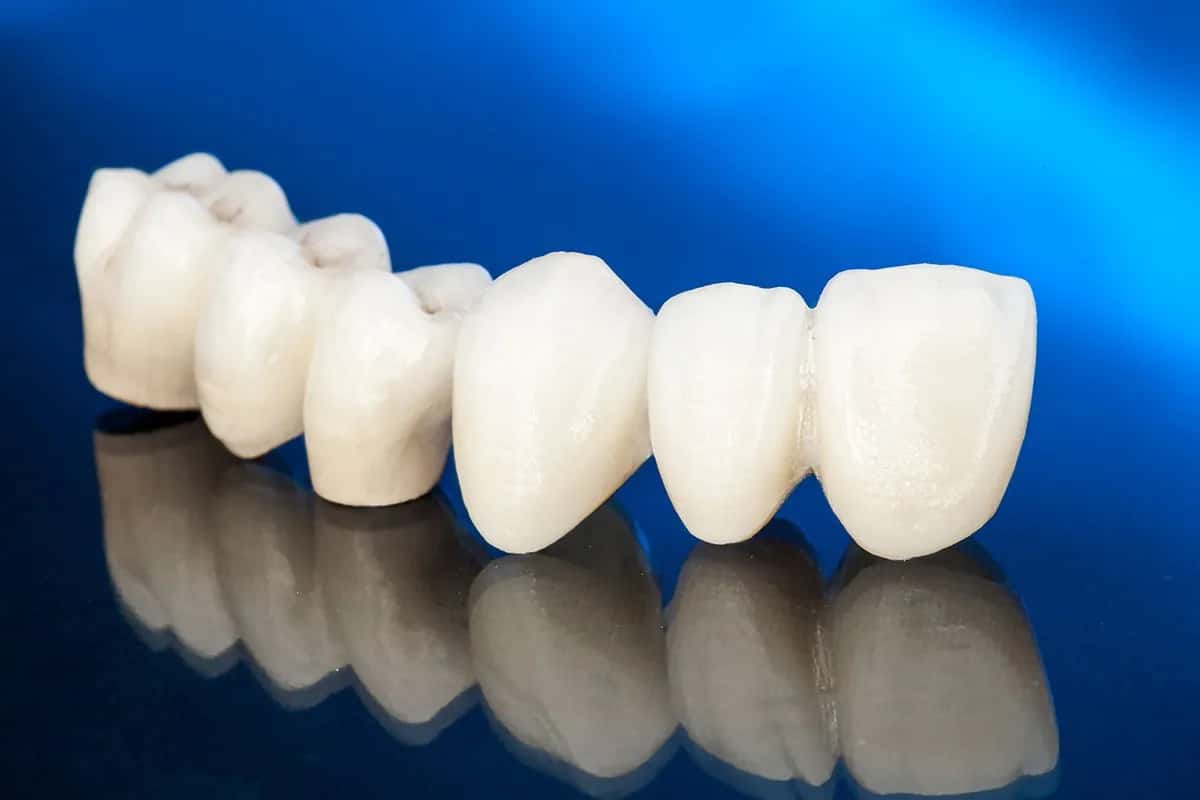
Zirconium crown costs around the world vary significantly, from approximately €180–€400 per tooth in Turkey to $1,000–$2,500 in the United States, based on published 2026 private-treatment prices.
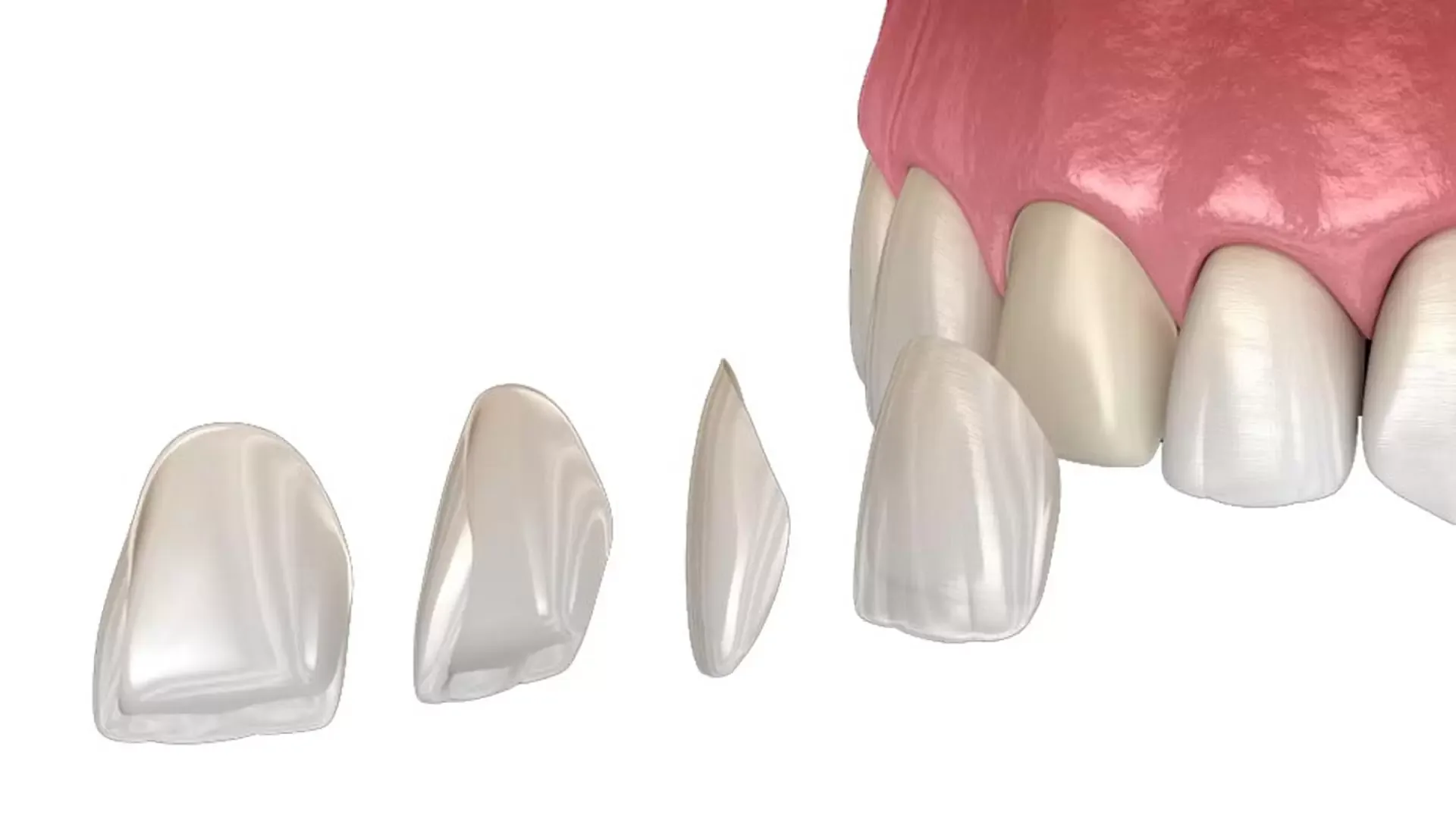
E-Max costs around the world differ significantly, with ceramic veneers and crowns available at lower published prices in countries such as Turkey, Mexico and Hungary than in the United States or United Kingdom.
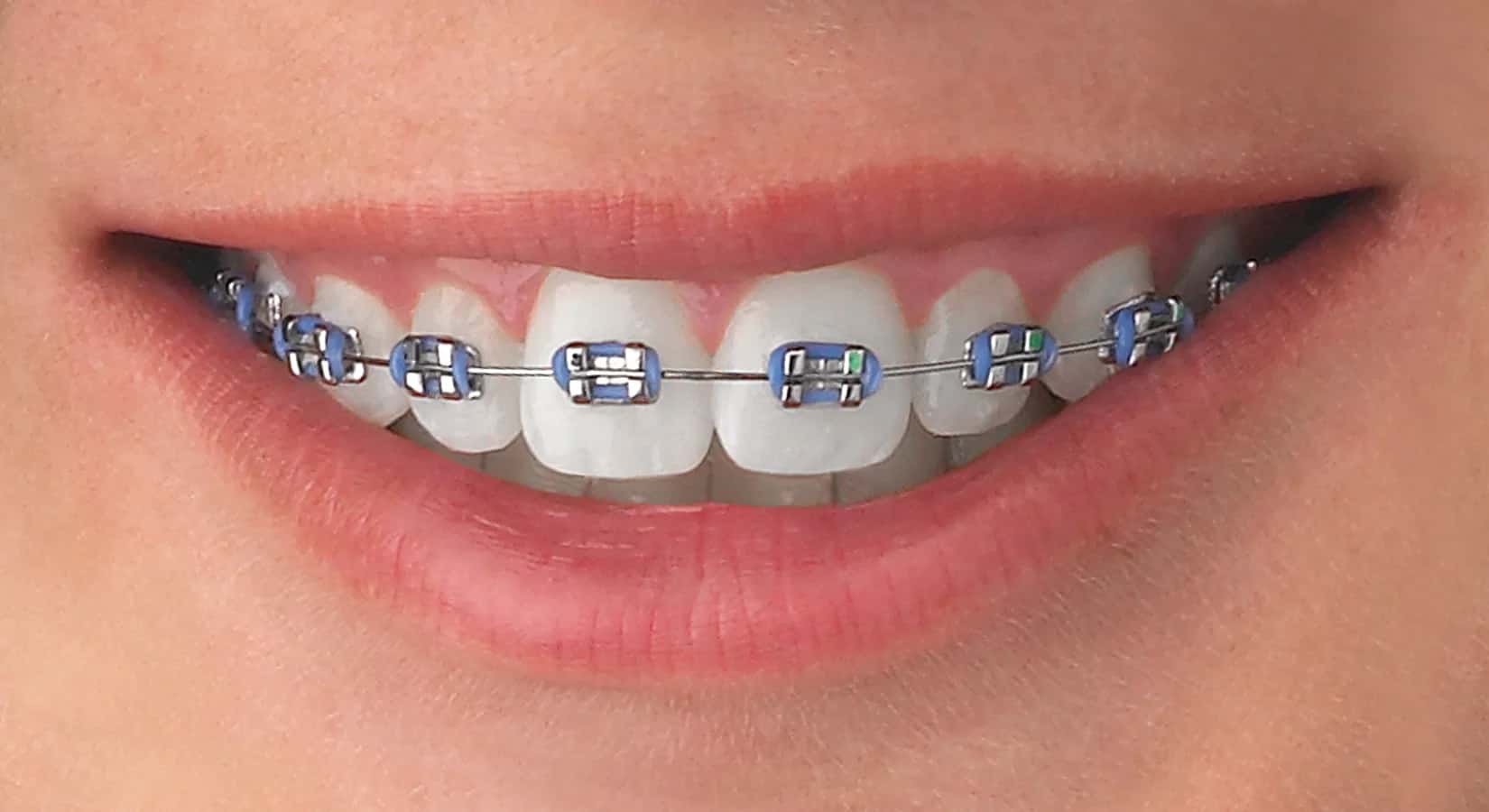
Braces costs around the world vary significantly, with complete metal braces treatment available at relatively low prices in countries such as India, Turkey and Mexico, while patients in the United States, Australia and parts of Europe often face higher fees.
Subscribe to the Medifinder newsletter and never miss our latest content.