










Zirconium Crown Costs Around the World
Zirconium crown costs around the world vary significantly, from approximately €180–€400 per tooth in Turkey to $1,000–$2,500 in the United States, based on published 2026 private-treatment prices.

- Last updated
- 23 reads
- 14 min read
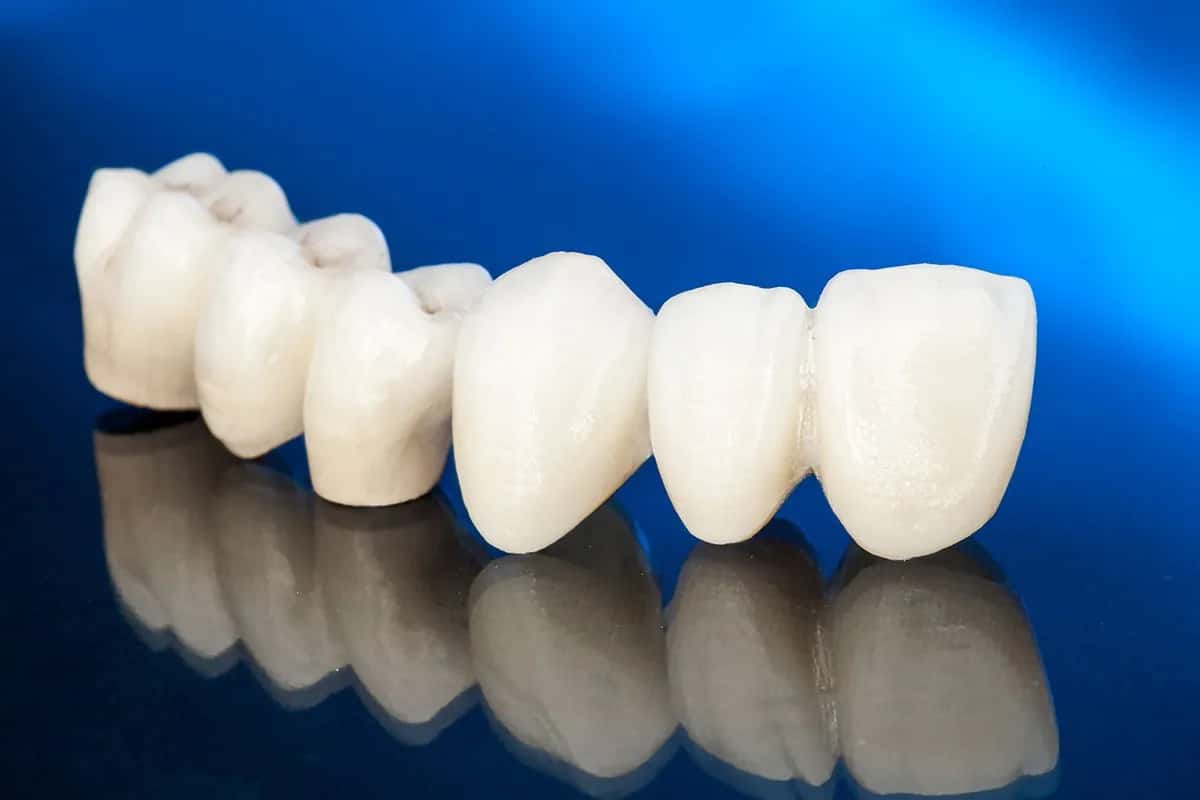


What Is a Zirconium Crown and What Is It Made Of?
A zirconium crown is a tooth-shaped restoration made from zirconium dioxide, commonly called zirconia, a strong dental ceramic used to protect and rebuild damaged teeth.
Although zirconium is a metallic element, zirconia is an oxide ceramic rather than a conventional metal alloy. Its tooth-colored appearance allows crowns to be manufactured without the metal framework found in traditional porcelain-fused-to-metal restorations.
A zirconia crown typically covers the prepared surfaces of a natural tooth, restoring its shape and helping it withstand chewing forces.
The term zirconium teeth is sometimes used in cosmetic dentistry advertising, but it usually refers to zirconia crowns rather than replacement teeth made entirely from a metallic material.
How Do Monolithic and Layered Zirconia Crowns Differ?
Not every zirconia crown has the same structure.
A monolithic crown is manufactured from a single piece of zirconia. This design reduces the possibility of porcelain chipping because there is no separate outer ceramic layer that can detach or fracture.
Monolithic restorations are frequently used for back teeth, where chewing forces are substantial.
A layered zirconia crown contains a strong zirconia framework covered by an additional aesthetic ceramic. The outer layer can provide more detailed control over translucency, color and surface characteristics.
However, that porcelain layer introduces a potential source of chipping.
The difference matters financially because additional laboratory layering and individual characterization can increase the restoration fee.
Why Do Zirconium Crown Costs Vary Between Countries?
International prices reflect different economic conditions, but the cost of producing a crown is not determined by geography alone.
Professional labor, laboratory fabrication, equipment investment, local taxes and the cost of operating a dental facility all contribute to the final fee.
The restoration itself also matters. A standardized monolithic molar crown may require less aesthetic customization than an upper central incisor that must match the neighboring natural tooth precisely.
Some published prices include digital impressions, a temporary crown and fitting appointments. Others describe only the laboratory restoration.
This makes the definition of the treatment more important than an attractive headline price.
How Much Do Zirconium Crowns Cost Around the World in 2026?
The following table summarizes indicative private-market prices for a single zirconia crown placed on a natural tooth.
| Country | Approximate zirconia crown cost per tooth |
|---|---|
| United States | US$1,000–$2,500 |
| United Kingdom | £550–£1,200 |
| Turkey | €180–€400 |
| Mexico | US$350–$750 |
| Hungary | €230–€560 |
| Poland | PLN 1,800–3,500 |
| Germany | €600–€1,300 |
| Spain | €500–€900 |
| Thailand | US$220–$780 |
| India | US$180–$650 |
| Australia | A$1,500–A$2,800 |
| Canada | C$1,200–C$2,500 |
These are broad 2026 pricing indicators compiled from published fees and treatment listings, not official national averages or guaranteed quotations. More complex cases and premium laboratory work can exceed the figures shown.
Prices are presented in their stated currencies, and the table excludes implant surgery, root canal treatment and other preparatory procedures unless included in an individual quotation.
How Much Does a Zirconium Crown Cost in the United States?
Zirconia crowns in the United States commonly cost approximately $1,000 to $2,500 per natural tooth in the private market.
The expense can be higher when a front tooth requires detailed aesthetic matching or when the underlying tooth needs significant reconstruction.
For example, a $1,500 crown may be only one part of the treatment if an old restoration must be removed and the remaining tooth rebuilt.
Insurance may reduce the amount paid directly when a crown is medically necessary, but the benefit depends on coverage conditions and annual limits.
The price of a crown should therefore be compared with its complete restorative treatment, not with an isolated laboratory charge.
What Is the Cost of a Zirconia Crown in the United Kingdom?
Private zirconia crowns in the United Kingdom are commonly advertised at approximately £550 to £1,200 per tooth.
A monolithic crown for a back tooth may fall toward the lower portion of that range, while more aesthetically demanding restorations can cost considerably more.
Patients should also distinguish private fees from publicly funded dental treatment.
In England, clinically necessary crowns may be provided through the NHS when the applicable treatment criteria are satisfied. However, a particular cosmetic material is not automatically available simply because a patient prefers it.
For someone considering private treatment, the quotation should establish whether preparation, provisional protection, laboratory fabrication and final fitting are all included.
How Much Do Zirconium Crowns Cost in Turkey?
Turkey has some of the lower published international prices for zirconia crowns, with indicative 2026 fees of approximately €180 to €400 per tooth.
For six crowns, that produces a restoration-only estimate of €1,080 to €2,400.
A useful local reference is the Turkish dental fee schedule for 2026, which lists a zirconia crown at approximately 13,750 Turkish lira including tax. That guide figure serves a different purpose from discounted international-patient advertisements and should not be interpreted as the price charged in every treatment setting.
A more important distinction concerns what is actually being purchased.
Some smile makeover packages involve twenty or more full crowns, even when the patient's main concern is tooth color. Covering healthy teeth unnecessarily can carry a biological cost that outweighs the initial financial saving.
What Are Zirconia Crown Prices in Mexico?
Mexico offers published zirconia crown prices commonly ranging from approximately $350 to $750 per tooth, although more comprehensive treatment packages can cost more.
Patients comparing Mexican prices with United States fees may find a substantial difference, especially when several teeth genuinely require crowns.
However, the starting fee may not include diagnostic imaging, removal of an existing crown or reconstruction of a damaged tooth.
Location also affects the practical cost. Someone living near the border may be able to return for an adjustment more easily than a patient traveling from another continent.
A complete calculation should include both the dental expense and access to appropriate follow-up care.
How Do Zirconia Crown Prices Compare in Hungary and Poland?
Hungary and Poland are established European destinations for restorative dental treatment.
Published 2026 zirconia crown prices in Hungary commonly fall between approximately €230 and €560 per tooth.
In Poland, representative prices range from about PLN 1,800 to PLN 3,500, with more extensive aesthetic work sometimes exceeding that amount.
The differences are not explained by the country alone.
A standard crown produced through a digital milling workflow has different laboratory requirements from a hand-characterized restoration intended to blend with visible front teeth.
For an accurate comparison, both quotations should describe the same restoration design, number of units and included treatment stages.
What Do Zirconium Crowns Cost in Germany and Spain?
In Germany, zirconia crowns commonly carry private treatment prices of approximately €600 to €1,300 per tooth.
The amount paid personally may be lower when the patient qualifies for a statutory insurance contribution toward medically necessary dental restoration.
That contribution is generally linked to the dental condition and the applicable standard treatment rather than covering the entire cost of a preferred premium material.
In Spain, published zirconia crown prices commonly fall between approximately €500 and €900 per tooth, with higher fees possible for complex aesthetic restorations.
Comparing Germany and Spain purely on the gross private price can therefore be misleading when insurance contributions or additional laboratory services differ.
How Much Do Zirconia Crowns Cost in Thailand and India?
Thailand and India are additional markets where published zirconia restoration fees may be substantially below those in North America or Australia.
In Thailand, representative price listings range from approximately $220 to $780 per tooth.
Indian published prices include zirconia crowns from around $180, with more extensive restoration packages reaching approximately $650 or more.
These broad ranges reflect differences in crown construction, treatment inclusions and laboratory work.
The financial advantage is less straightforward when a patient needs only one crown and must travel internationally.
Flights and accommodation may consume the saving, while a return visit for an adjustment could increase the total expense further.
What Are Zirconia Crown Prices in Australia and Canada?
Australia generally has higher private fees for zirconia restorations, with indicative prices of approximately A$1,500 to A$2,800 per tooth.
In Canada, published estimates commonly range from C$1,200 to C$2,500, although some standard restorations fall below the upper end.
Both countries have private dental benefit arrangements that may reimburse part of a medically necessary crown.
However, coverage can be limited by annual maximums, waiting periods or restrictions on major restorative work.
A patient considering treatment abroad should compare the actual amount payable locally after eligible benefits.
The advertised international price is not automatically the most economical option once insurance and future appointments are considered.
Why Can a Front Tooth Zirconia Crown Cost More Than a Molar Crown?
An upper front tooth creates an aesthetic challenge that a less visible back tooth may not present.
The crown must reproduce subtle variations in color, translucency and surface texture while blending with neighboring teeth under different lighting conditions.
A monolithic molar crown may be designed primarily around chewing efficiency, strength and accurate fit.
A front crown often requires more individual characterization, particularly when only one tooth is being restored.
This additional laboratory work can increase the price.
The position of the tooth therefore affects the work involved, even though both restorations are described as zirconia crowns.
Are Zirconia Crowns More Expensive Than Porcelain-Fused-to-Metal Crowns?
Zirconia crowns often cost more than conventional porcelain-fused-to-metal restorations, but the difference is not consistent across every market.
A porcelain-fused-to-metal crown has a metal framework covered with tooth-colored porcelain.
Zirconia avoids the need for that conventional metal framework and can produce a favorable appearance near the gum margin.
Both approaches have established clinical uses.
The presence of zirconia does not automatically make a crown superior in every situation. Tooth location, available space, bite forces and aesthetic requirements determine which restorative design offers the most appropriate balance.
Material price alone cannot settle that decision.
How Do Zirconia Crowns Compare With E-max Crowns in Price?
E-max crowns are made from lithium disilicate glass ceramic, a material valued for its aesthetic properties and ability to reproduce natural tooth translucency.
Zirconia is generally associated with high strength and is widely used for both front and back teeth.
Their prices frequently overlap.
A premium, individually characterized zirconia crown can cost more than a simpler lithium disilicate restoration, while an E-max crown may be more expensive than a standard monolithic zirconia molar crown.
Neither material should be selected on price alone.
The underlying tooth color, available restoration thickness, chewing forces and the position of the crown all influence the most suitable choice.
How Much Do Four, Eight or Twenty Zirconia Crowns Cost?
The number of crowns has a direct effect on the total treatment fee.
At €250 per crown, four restorations cost €1,000, eight cost €2,000 and twenty cost €5,000.
At €900 per crown, the same treatment sizes rise to €3,600, €7,200 and €18,000.
These are illustrative calculations, excluding additional dental work and travel.
However, the number of crowns should not be chosen to match an advertised package.
A patient with four damaged teeth has a different clinical need from someone seeking twenty restorations for a brighter smile.
The appropriate number is determined by the condition of the teeth, not the attractiveness of a bulk price.
What Should a Per-Tooth Zirconia Crown Price Include?
A complete crown quotation should identify the steps needed to deliver a properly fitting permanent restoration, rather than stating only the cost of the ceramic itself.
-
Assessment and preparation: The plan should clarify whether the examination, required imaging and shaping of the natural tooth are included.
-
Digital or conventional impressions: Scanning or impression-taking, bite records and communication with the dental laboratory should be accounted for.
-
Temporary crown and fabrication: Provisional protection, zirconia material, milling and any aesthetic layering or characterization should be clearly specified.
-
Fitting and adjustment: Try-in, final cementation or bonding, bite correction and the immediate postoperative review should have defined charges or inclusions.
Is an Implant-Supported Zirconia Crown More Expensive?
A zirconia crown attached to a dental implant is not financially equivalent to a crown placed on a natural tooth.
A natural-tooth crown is supported by the prepared tooth structure.
An implant restoration depends on an artificial implant fixture and a connecting component called an abutment.
The zirconia crown may therefore be only one item within a larger treatment plan involving implant surgery, healing and prosthetic reconstruction.
A custom abutment and the method used to attach the crown can also affect the price.
When comparing quotations, implant fixture, abutment and crown fees should be identified separately so that an inexpensive crown price is not mistaken for the cost of replacing an entire missing tooth.
How Do Root Canal Treatment and Core Build-Ups Affect the Price?
The condition of the tooth beneath a crown can change the cost more than the ceramic material itself.
A tooth with extensive decay may need a core build-up to replace missing structure before crown preparation.
If the pulp is irreversibly inflamed or infected, root canal treatment may be necessary before the permanent restoration is fitted.
A root canal-treated tooth with little remaining structure can present further restorative challenges.
However, not every tooth receiving a crown requires endodontic treatment.
Removing the nerve simply because a crown is planned would be inappropriate when the pulp is healthy and can be preserved.
The total budget should reflect treatment that is genuinely necessary to restore the tooth.
Is a Full-Mouth Zirconia Smile Makeover Always Necessary?
A full-mouth zirconia makeover may be appropriate when many teeth have extensive damage, failing restorations or severe wear that requires comprehensive reconstruction.
That situation is fundamentally different from wanting a whiter smile when the natural teeth are healthy.
For isolated discoloration, whitening may provide a less invasive solution.
Small chips or gaps may be suitable for composite bonding, while selected cosmetic concerns can sometimes be corrected with porcelain veneers.
Placing full crowns on twenty healthy teeth involves a considerable amount of irreversible tooth preparation.
The lower cost of a complete overseas package should not determine the number of teeth treated.
Why Does Tooth Preparation Matter More Than the Cheapest Price?
A zirconia crown requires the tooth to be prepared so the restoration has sufficient space, shape and support.
This commonly involves removing enamel and some underlying tooth structure.
The amount depends on the crown design and the remaining condition of the tooth, but the process is irreversible.
For a heavily damaged tooth, the additional coverage may provide an important restorative benefit.
For a healthy tooth needing only a modest cosmetic change, that preparation may be unnecessary.
Once substantial natural structure has been removed, the tooth will require ongoing restorative protection.
The long-term biological commitment is therefore more important than saving a few hundred dollars on the initial crown.
Which Extra Expenses Can Increase Dental Treatment Costs Abroad?
An advertised crown fee may exclude several necessary procedures and practical travel expenses.
-
Preparatory dental care: Tooth extraction, root canal treatment, replacement fillings, periodontal therapy and core build-ups can increase the total.
-
Additional diagnostic work: X-rays, three-dimensional imaging where justified, detailed bite records and other assessments may have separate fees.
-
Travel and accommodation: Flights, hotel nights, local transport and time away from work can substantially affect the financial comparison.
-
Repairs and follow-up: Bite adjustments, replacement of a damaged crown or an unscheduled return visit may generate expenses after the initial treatment has finished.
Can a Zirconia Crown Be Made and Fitted in One Visit?
Some zirconia crowns can be designed and manufactured through digital chairside workflows, allowing treatment to be completed within a single appointment.
An intraoral scanner captures the prepared tooth, and a digital system designs the restoration for milling.
However, zirconia manufacturing may require additional processing, including sintering and finishing, before the crown is ready for placement.
More complex cases can also benefit from separate laboratory stages and additional assessments.
Same-day availability should not take priority over accurate fit, comfortable chewing contacts or appropriate aesthetic matching.
A restoration completed over two appointments is not inherently inferior to one made on the same day.
How Long Do Zirconia Crowns Last?
Zirconia crowns can provide long-lasting service, although they should not be considered permanent restorations.
A major 2026 systematic review estimated five-year survival of approximately 96.8% for monolithic zirconia single crowns and 97.3% for zirconia crowns with a porcelain veneer layer.
These findings represent pooled clinical results, not guaranteed survival rates for an individual restoration.
The same analysis found fewer ceramic fractures and chipping complications with monolithic designs than with layered alternatives.
Long-term performance also depends on the health of the underlying tooth, the crown margin, the bite and daily plaque control.
A crown that remains intact is not necessarily free from biological problems beneath it.
What Problems Can Lead to Zirconia Crown Repair or Replacement?
Zirconia is a strong ceramic, but its mechanical properties do not eliminate every complication.
A layered crown may develop chipping of its outer porcelain. A monolithic crown can still fracture under unfavorable conditions, although its construction avoids that particular layering problem.
Cement failure can cause a crown to loosen or detach.
Decay may also develop at the margin when plaque accumulates around the restoration, particularly if the surrounding tooth structure is vulnerable.
Teeth grinding, poorly balanced chewing contacts and periodontal problems can affect the long-term result.
Persistent discomfort, a loose crown or gum inflammation should be assessed before the problem becomes more extensive.
Does Dental Insurance Cover Zirconium Crowns?
Insurance coverage for zirconia crowns depends on whether the restoration is considered medically necessary and how the relevant dental benefit is structured.
A crown placed to restore a severely damaged tooth may qualify for reimbursement under certain insurance arrangements.
An elective crown placed on a healthy tooth purely to change its appearance is less likely to receive the same benefit.
In Germany, statutory coverage commonly involves a fixed contribution toward medically necessary dental restoration, with additional costs for premium materials potentially remaining the patient's responsibility.
Private insurance in the United States, Canada and Australia can operate through different reimbursement limits and conditions.
The relevant financial comparison is the actual out-of-pocket expense after any eligible coverage.
What Should You Verify Before Paying for Zirconia Crowns Abroad?
A reliable international comparison requires more than matching the number of teeth and the advertised price per unit.
-
Confirm the restoration type: Establish whether the proposal involves monolithic zirconia, layered zirconia, crowns on natural teeth or implant-supported restorations.
-
Review the clinical justification: Each tooth should have a documented reason for full crown coverage, including an explanation of the preparation required and any conservative alternatives.
-
Compare complete written fees: Crown fabrication, laboratory work, temporary restorations, additional treatment, travel arrangements and fitting appointments should be clearly accounted for.
-
Clarify long-term responsibility: Understand how bite adjustments, complications, crown replacement and dental follow-up will be managed after returning home.
The best value is not simply the lowest advertised zirconium crown price. It is a treatment that restores teeth which genuinely need protection, preserves healthy structure wherever possible and produces crowns that remain comfortable, functional and maintainable over time.
- Last updated
- Language
- English
How did you find this article?
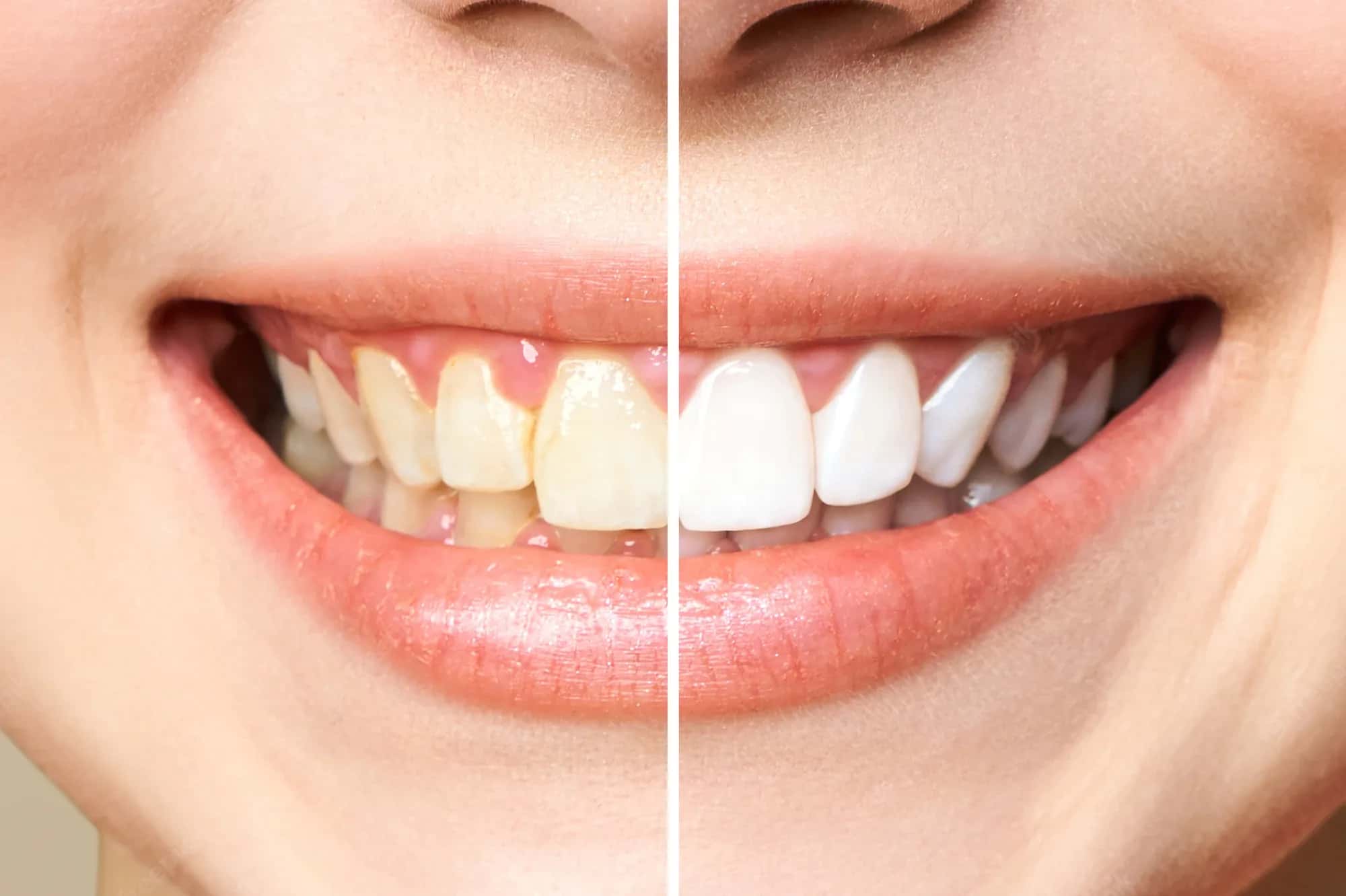
Teeth whitening costs around the world vary substantially, with professional treatment generally costing less in countries such as Turkey, Mexico and India than in the United States or United Kingdom.
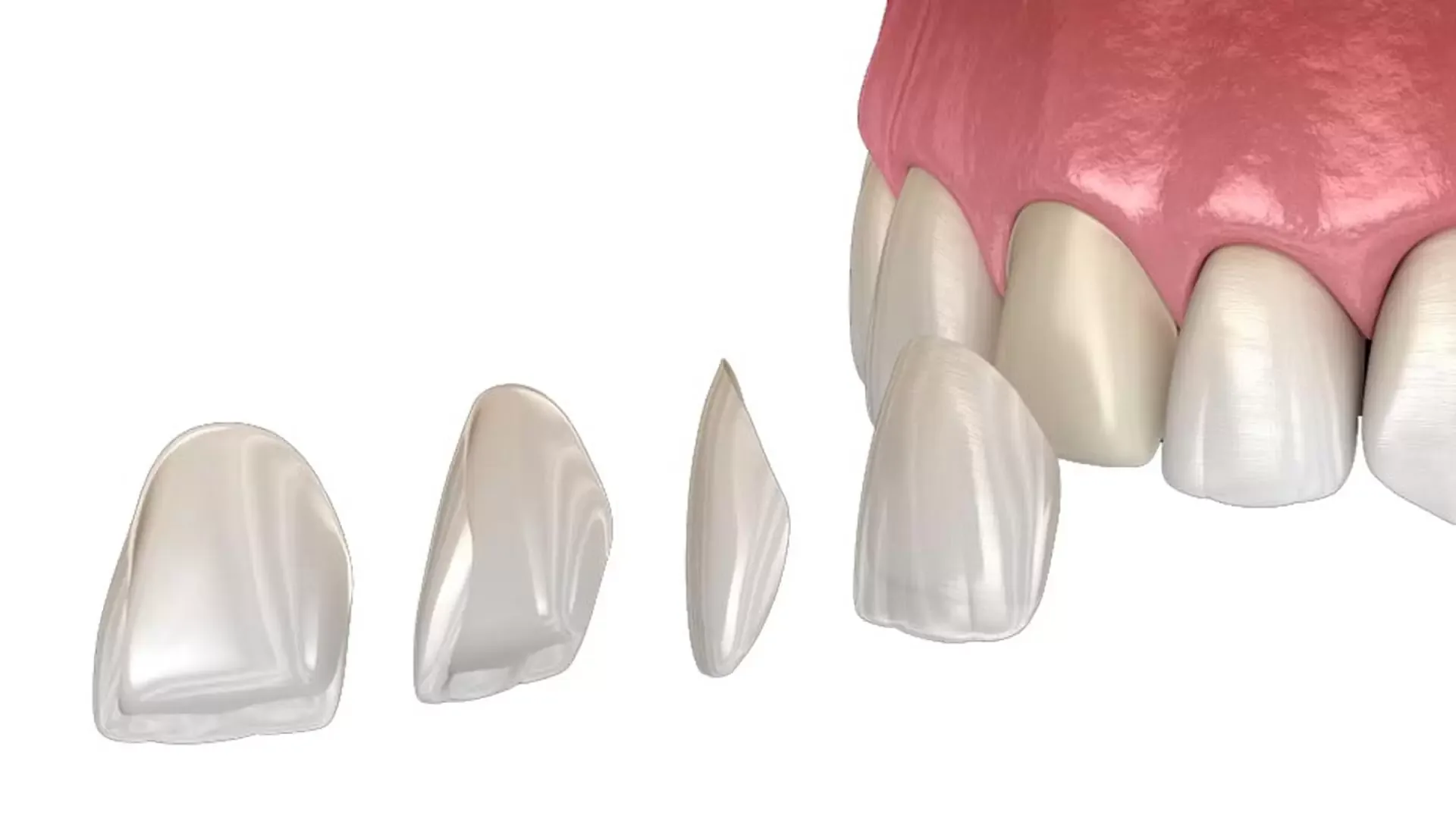
E-Max costs around the world differ significantly, with ceramic veneers and crowns available at lower published prices in countries such as Turkey, Mexico and Hungary than in the United States or United Kingdom.
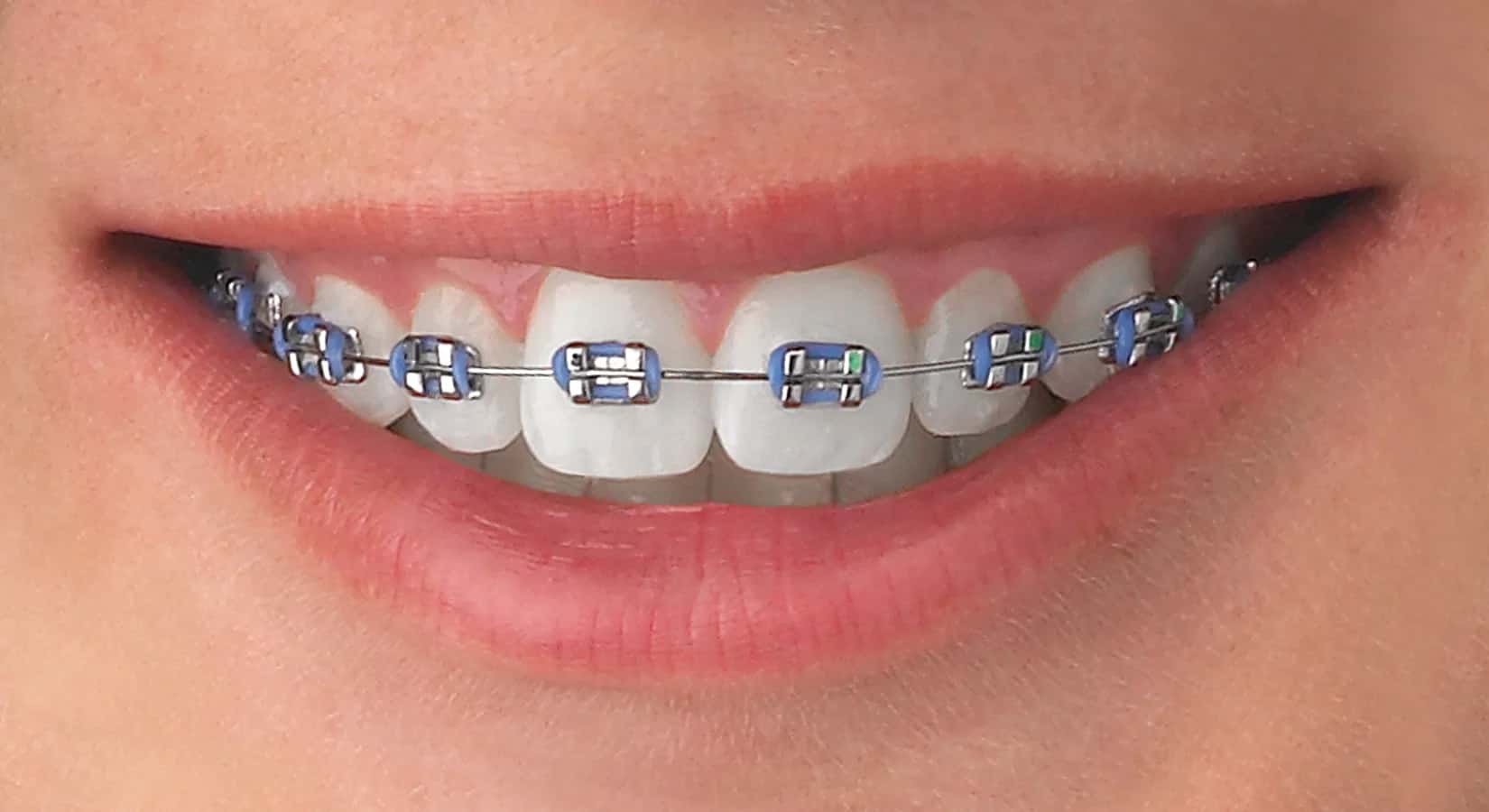
Braces costs around the world vary significantly, with complete metal braces treatment available at relatively low prices in countries such as India, Turkey and Mexico, while patients in the United States, Australia and parts of Europe often face higher fees.
Subscribe to the Medifinder newsletter and never miss our latest content.