










Types of Obesity
Learn about the main types of obesity, including abdominal, hormonal, genetic and sarcopenic obesity, and discover how each type may affect treatment.

- Last updated
- 154 reads
- 9 min read
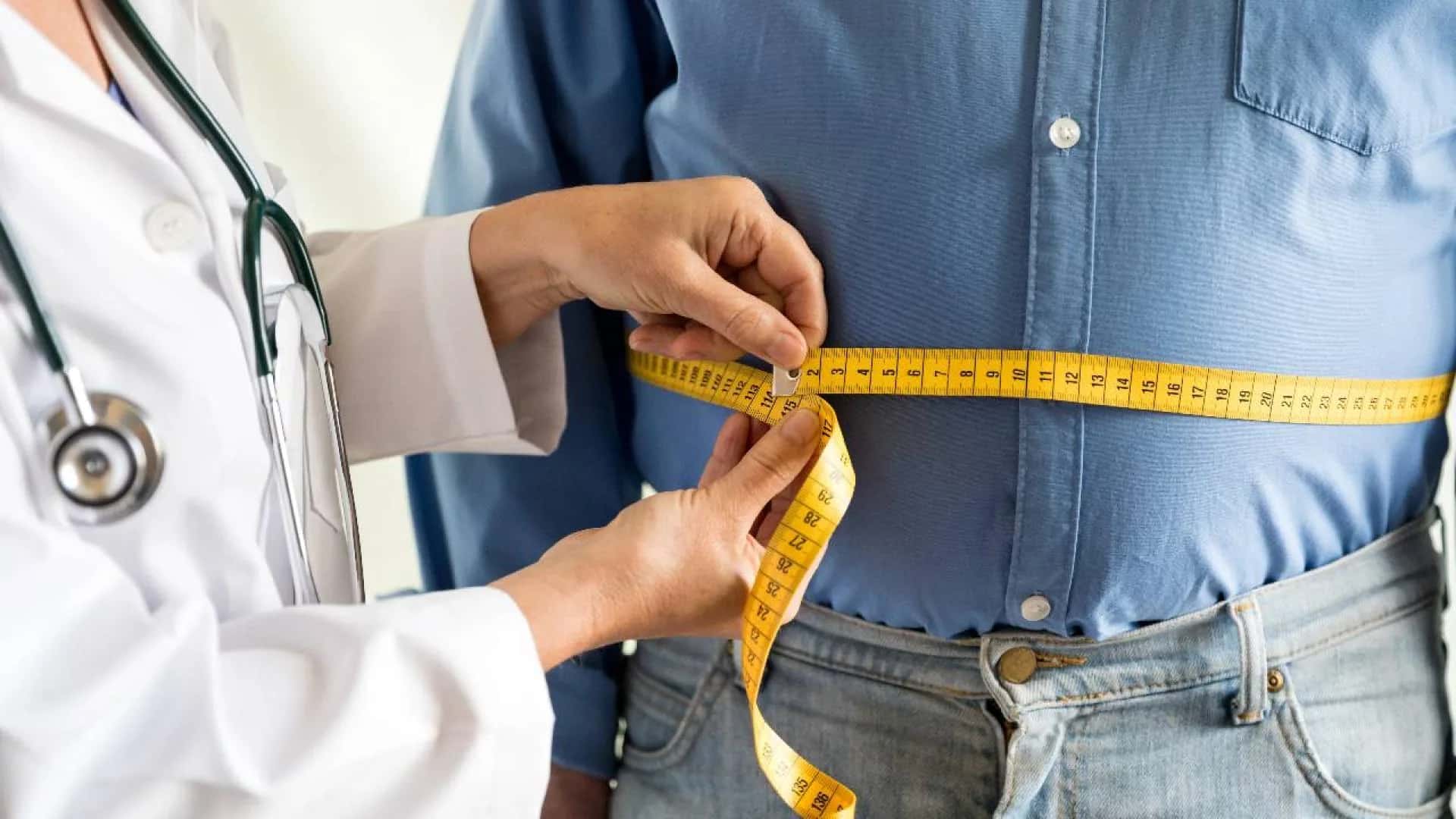


Obesity is a chronic condition in which excess body fat begins to affect health. However, not every person with obesity has the same body composition, fat distribution, medical risks or underlying causes. Two people may have a similar body weight but require very different treatment plans.
Doctors can classify obesity in several ways. They may use body mass index, examine where fat accumulates, evaluate metabolic health or investigate whether medicines, hormones, genetics or eating behaviour contribute to weight gain.
Understanding the different types of obesity can help you recognise why one standard diet does not work for everyone. It can also help your healthcare team select a more appropriate combination of nutrition support, physical activity, medication, psychological care or surgery.
Obesity Classified by Body Mass Index
Body mass index, commonly called BMI, compares your weight with your height. Doctors often use it as an initial screening tool because it provides a quick and practical way to estimate weight-related health risk.
In adults, obesity is generally divided into three BMI classes:
-
Class 1 obesity: BMI between 30 and 34.9
-
Class 2 obesity: BMI between 35 and 39.9
-
Class 3 obesity: BMI of 40 or higher
Class 3 obesity is sometimes called severe or morbid obesity, although many healthcare professionals now prefer the term severe obesity because it sounds less stigmatising.
BMI has limitations. It cannot distinguish fat from muscle, and it does not show where your body stores fat. A muscular person may have a high BMI without having excess body fat. Another person may have a lower BMI but still carry harmful fat around the abdominal organs.
For this reason, doctors should interpret BMI alongside waist measurement, blood pressure, blood tests, medical history and body composition.
Abdominal or Central Obesity
Abdominal obesity develops when fat accumulates mainly around the waist and internal organs. People often describe this pattern as an “apple-shaped” body.
Visceral fat sits deep inside the abdomen around organs such as the liver and intestines. It behaves differently from fat stored directly beneath the skin. Visceral fat can release inflammatory substances and affect insulin sensitivity, cholesterol and blood pressure.
You may have central obesity even when your overall BMI does not fall within the obesity range. Waist circumference can therefore provide useful information about metabolic risk.
Abdominal obesity is strongly associated with:
-
Type 2 diabetes
-
High blood pressure
-
Fatty liver disease
-
Abnormal cholesterol
-
Heart disease
-
Sleep apnoea
Treatment usually focuses on sustainable weight loss, increased physical activity, improved sleep and management of blood sugar and cholesterol. Your doctor may also consider anti-obesity medication when lifestyle changes alone do not provide enough improvement.
Peripheral or Lower-Body Obesity
Peripheral obesity involves greater fat accumulation around the hips, thighs and buttocks. This pattern is sometimes called “pear-shaped” obesity.
Subcutaneous fat makes up most of this tissue. It sits beneath the skin rather than around the internal organs. Lower-body fat generally creates a lower metabolic risk than visceral abdominal fat, although large amounts can still affect mobility, joints and quality of life.
Hormones and genetics strongly influence this fat-distribution pattern. Women commonly store more fat around the hips and thighs before menopause.
Peripheral obesity may contribute to:
-
Knee or hip discomfort
-
Reduced mobility
-
Skin irritation
-
Venous problems
-
Difficulty finding comfortable clothing
-
Emotional distress
You cannot choose where your body loses fat first. Exercises can strengthen specific muscles, but they do not remove fat from one selected area. Overall weight management remains the most reliable approach.
Generalised Obesity
Generalised obesity occurs when excess fat spreads relatively evenly across the body rather than concentrating in one region.
You may carry extra weight in the face, arms, abdomen, hips and legs. This pattern can still increase the risk of diabetes, heart disease, joint problems and sleep apnoea, especially when total body fat remains high.
Generalised obesity may develop gradually through a combination of genetics, appetite regulation, reduced activity, high-calorie food intake, poor sleep and environmental factors.
Because the weight distribution appears balanced, some people underestimate the associated health risk. Blood tests and blood-pressure measurements can reveal problems that do not cause obvious symptoms.
Visceral Obesity
Visceral obesity specifically refers to excessive fat around the internal abdominal organs. It overlaps with central obesity but focuses more directly on the location of fat inside the abdomen.
A firm, enlarged waist may suggest visceral fat, although imaging provides a more precise assessment. Doctors do not routinely need a scan simply to diagnose obesity, but they may identify visceral fat during imaging performed for another medical reason.
Visceral obesity can increase insulin resistance and encourage fat accumulation in the liver. It may also contribute to chronic low-grade inflammation.
Even moderate weight loss can reduce visceral fat and improve metabolic health. Regular walking, resistance exercise, better sleep and reduced intake of sugary drinks may help alongside a structured nutritional plan.
Subcutaneous Obesity
Subcutaneous obesity develops when most excess fat lies directly beneath the skin. You can usually pinch this softer fat around the abdomen, arms, thighs or hips.
This type may produce fewer metabolic problems than visceral obesity, but it is not automatically harmless. A large total amount can still place strain on the joints, affect breathing and reduce physical comfort.
Subcutaneous fat also influences body shape and may remain in certain areas after substantial weight loss. Cosmetic treatments can change contour in selected patients, but they do not treat obesity or improve the metabolic effects of excess body fat.
Metabolically Unhealthy Obesity
Metabolically unhealthy obesity occurs when excess weight accompanies problems such as insulin resistance, high blood pressure, fatty liver or abnormal cholesterol.
You may feel well even while these changes develop. Routine check-ups therefore play an important role.
Common signs include:
-
Elevated fasting glucose
-
High triglycerides
-
Low protective HDL cholesterol
-
Increased waist circumference
-
High blood pressure
-
Fatty liver changes
This type requires active treatment because the risk extends beyond body weight. Your doctor may address diabetes, blood pressure and cholesterol at the same time as weight management.
A reduction in waist size and improvement in blood tests may matter as much as the total kilograms lost.
Metabolically Healthy Obesity
Some people with obesity have normal blood sugar, blood pressure and cholesterol at the time of assessment. Clinicians sometimes describe this pattern as metabolically healthy obesity.
The term does not mean that obesity carries no risk. Metabolic health can change over time, and excess weight may still affect joints, breathing, fertility, mobility and sleep.
You should continue attending check-ups even when your test results remain normal. Preventive care can help identify changes early.
The goal does not always need to involve rapid or dramatic weight loss. Maintaining fitness, protecting muscle and preventing further gain may provide meaningful benefits.
Hormonal or Endocrine-Related Obesity
Hormonal disorders can contribute to weight gain, although they account for a smaller proportion of obesity cases than many people assume.
Possible endocrine causes include:
-
Underactive thyroid
-
Cushing’s syndrome
-
Polycystic ovary syndrome
-
Growth-hormone disorders
-
Certain hypothalamic conditions
Hormonal obesity may cause additional symptoms. For example, an underactive thyroid can produce fatigue, constipation, dry skin and cold sensitivity. Cushing’s syndrome may cause easy bruising, muscle weakness and characteristic changes in fat distribution.
Treating the hormonal condition can make weight management easier, but it may not lead to complete weight loss by itself. Long-standing eating habits, reduced activity and metabolic adaptation may still require attention.
Do not take thyroid hormone or other hormonal products for weight loss without a confirmed medical need.
Medication-Induced Obesity
Some medicines increase appetite, alter metabolism, cause fluid retention or reduce energy levels. Weight gain does not affect every user, but it can become significant in certain people.
Medicines that may contribute include some:
-
Antidepressants
-
Antipsychotics
-
Steroids
-
Diabetes treatments
-
Epilepsy medicines
-
Hormonal therapies
-
Blood-pressure medicines
Never stop a prescribed medicine independently. Sudden withdrawal may create serious health problems.
Tell your doctor when you notice persistent weight gain after starting treatment. They may adjust the dose, consider an alternative or add a weight-management strategy.
The benefits of a medicine may still outweigh its effect on weight. A personalised discussion helps you balance both issues safely.
Genetic Obesity
Genes influence hunger, fullness, fat storage and energy use. Common obesity usually involves many genetic variations interacting with lifestyle and environment.
Rare single-gene disorders can cause severe obesity beginning in early childhood. These conditions may produce intense hunger and rapid weight gain.
A specialist may consider genetic testing when obesity begins very early, hunger appears extreme or additional developmental features exist.
Genetic influence does not mean that treatment cannot help. It means your body may defend a higher weight more strongly and that you may need long-term medical support.
Modern targeted treatments may help selected people with specific genetic conditions, but they do not suit common obesity in general.
Childhood Obesity
Childhood obesity requires a different approach from adult obesity. Doctors assess growth using age- and sex-specific charts rather than adult BMI limits.
Family eating patterns, sleep, school routine, screen time, genetics and emotional well-being can all influence a child’s weight.
Treatment should support healthy growth rather than focus only on rapid weight loss. Families usually benefit from changing meals and activity patterns together.
Avoid shaming, teasing or strict food punishment. These approaches can damage self-esteem and increase the risk of disordered eating.
Children with obesity may need screening for diabetes, fatty liver, high blood pressure and sleep apnoea, especially when additional risk factors exist.
Sarcopenic Obesity
Sarcopenic obesity combines excess body fat with low muscle mass or reduced muscle strength. It becomes more common with ageing but can also develop after repeated crash diets, prolonged inactivity or chronic illness.
A person with sarcopenic obesity may not appear extremely heavy. BMI can therefore miss the problem.
This type increases the risk of falls, weakness, reduced mobility and loss of independence. Treatment should not focus only on calorie restriction.
You need enough protein and regular resistance exercise to protect or rebuild muscle. Rapid weight loss without strength training can make the condition worse.
A doctor or dietitian may assess your grip strength, walking speed, body composition and nutritional intake.
Behavioural and Emotional Eating-Related Obesity
Some people gain weight partly because they use food to manage stress, boredom, sadness or anxiety. Others may experience binge-eating disorder, which involves episodes of consuming large amounts of food with a sense of lost control.
This pattern does not reflect a character flaw. Emotional and biological factors can reinforce each other.
Psychological treatment can help you identify triggers, build alternative coping strategies and reduce guilt. Medication may also help selected patients.
Extreme dieting often worsens binge eating by increasing hunger and creating an all-or-nothing relationship with food. A structured, flexible meal plan usually offers a safer foundation.
How Do Doctors Choose the Right Treatment?
Doctors consider more than obesity type. They also review your BMI, waist circumference, blood tests, medical conditions, previous attempts and treatment preferences.
Options may include:
-
Nutritional counselling
-
Behavioural therapy
-
Structured exercise
-
Sleep treatment
-
Prescription medication
-
Endoscopic procedures
-
Bariatric surgery
A person with abdominal obesity and diabetes may benefit from a different plan than an older adult with sarcopenic obesity.
The best treatment targets both the excess fat and the factors that maintain it.
Conclusion
The main types of obesity include central, peripheral, generalised, visceral and subcutaneous obesity. Doctors may also classify obesity according to metabolic health, hormonal causes, medication use, genetics, age or body composition.
The location and cause of excess fat influence health risks. Abdominal and visceral fat usually create a greater metabolic risk, while sarcopenic obesity can reduce strength and mobility even when body weight does not appear extremely high.
BMI provides a useful starting point, but it cannot show the full picture. Waist measurement, blood tests, muscle mass, medical history and daily habits all matter.
Understanding your obesity type can make treatment more precise. Rather than following a one-size-fits-all diet, you can work with your healthcare team to build a plan that addresses appetite, metabolism, muscle health, emotional factors and long-term weight maintenance.
- Last updated
- Language
- English
How did you find this article?

This page explains how donor egg IVF works, who may consider it, how donors and embryos are selected, what affects success, and what patients should understand before treatment.

Gastric sleeve cost around the world can vary from about $3,000 in lower-cost destinations to more than $25,000 in high-cost healthcare systems. Turkey, Mexico, and India often offer affordable package prices, while the United States, the United Kingdom, and Germany usually have higher private-pay costs.
Explore advanced obesity treatments, including medical therapy, endoscopic procedures and bariatric surgery, and learn how doctors choose the right approach.
Subscribe to the Medifinder newsletter and never miss our latest content.