










What Are the Advanced Treatments for Obesity?
Explore advanced obesity treatments, including medical therapy, endoscopic procedures and bariatric surgery, and learn how doctors choose the right approach.

- Last updated
- 123 reads
- 10 min read
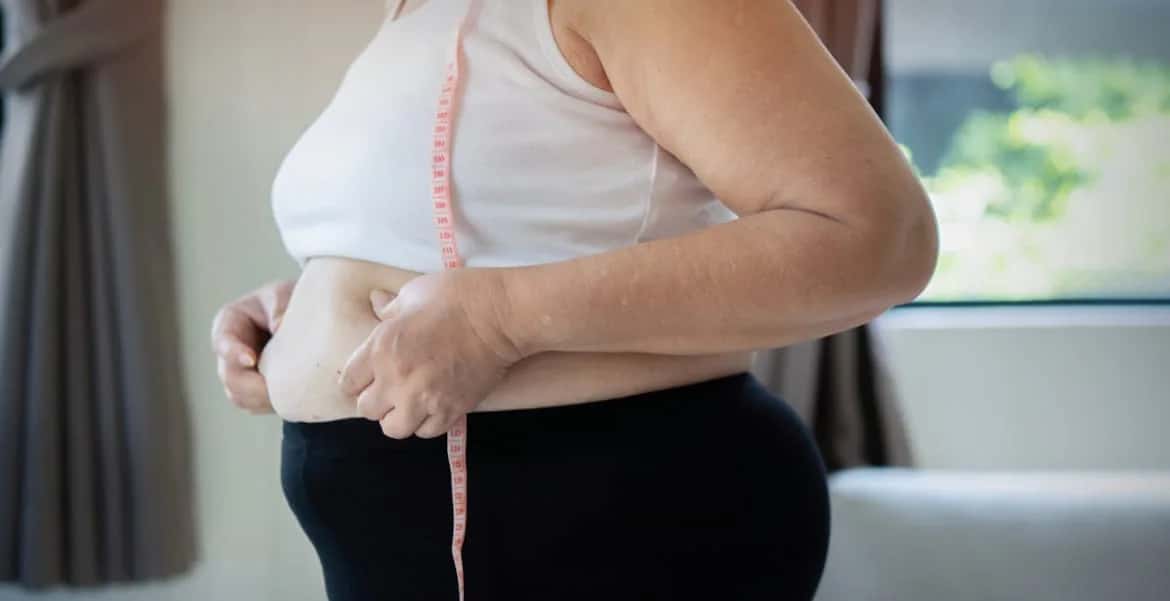


Obesity is a chronic health condition influenced by appetite regulation, hormones, genetics, sleep, stress, medication use, environment and daily habits. It does not develop simply because someone lacks willpower, and effective treatment usually requires more than a short-term diet.
Advanced obesity treatments aim to improve both weight and health. Depending on your needs, a treatment plan may include structured nutrition support, anti-obesity medication, endoscopic procedures or metabolic surgery. Doctors may also address related conditions such as type 2 diabetes, high blood pressure, sleep apnoea, fatty liver disease and joint pain.
The right treatment depends on your body mass index, waist measurement, medical history, previous weight-loss attempts and personal goals. Your doctor should also consider how obesity affects your mobility, emotional well-being and quality of life.
No single method suits everyone. Some people respond well to medication and behavioural support, while others need a procedure that produces a stronger and more durable metabolic effect.
Why Does Obesity Require Long-Term Treatment?
The body often resists weight loss. When you lose weight, hunger signals may increase while energy expenditure decreases. These biological changes can make maintenance difficult even when you follow a careful eating plan.
This explains why weight regain remains common after restrictive diets. The problem does not always come from poor motivation. Your body may actively push you toward your previous weight.
Modern obesity treatment therefore focuses on long-term management. Doctors may combine nutrition, physical activity, psychological support and medical treatment rather than expecting one temporary intervention to solve the problem permanently.
A successful plan should improve health markers as well as the number on the scale. Better blood-sugar control, easier movement, improved sleep and reduced blood pressure may represent meaningful progress even before you reach your final weight goal.
Comprehensive Medical Assessment
Advanced treatment begins with a detailed assessment. Your doctor may review your weight history, eating patterns, sleep quality, activity level, medicines and family history.
Blood tests can help identify diabetes, insulin resistance, abnormal cholesterol, thyroid problems, vitamin deficiencies and liver-related changes. The doctor may also screen for sleep apnoea, hormonal conditions or medicines that encourage weight gain.
Mental health deserves equal attention. Emotional eating, binge-eating disorder, depression, anxiety and chronic stress can influence both treatment choice and long-term success.
Your clinician should not assume that every case has the same cause. A personalised assessment makes it easier to select a treatment that addresses the strongest biological and behavioural factors affecting you.
Structured Medical Weight-Management Programmes
A medically supervised programme usually provides more support than a general diet plan. It may include a doctor, dietitian, psychologist, exercise specialist and obesity-care nurse.
The programme can help you:
-
Create a realistic calorie deficit
-
Increase protein and fibre intake
-
Build regular meal patterns
-
Reduce emotional or impulsive eating
-
Improve sleep
-
Increase daily movement
-
Monitor medical conditions
-
Prepare for medication or surgery
The aim is not to create the most restrictive menu possible. A sustainable plan should fit your work, culture, budget and family life.
Behavioural therapy may also help you recognise triggers, plan difficult situations and recover from setbacks without abandoning treatment.
Anti-Obesity Medications
Prescription weight-loss medicines have become an important part of advanced obesity treatment. These medicines may reduce hunger, increase fullness, slow stomach emptying or affect appetite pathways in the brain.
Some newer treatments act on hormones involved in blood-sugar control and satiety. They can produce substantial weight loss in suitable patients, particularly when combined with dietary and behavioural support.
Other medications work through different mechanisms, such as reducing appetite signals or affecting reward-related eating.
Your doctor may consider medication when lifestyle treatment alone has not produced enough improvement and when your weight creates a meaningful health risk.
Anti-obesity medication does not replace healthy habits. It can make those habits easier to maintain by reducing constant hunger and food-related thoughts.
GLP-1-Based Treatments
GLP-1-based medicines imitate or strengthen the action of a natural gut hormone involved in appetite and glucose regulation. They may help you feel full earlier, remain satisfied for longer and eat smaller portions.
Some treatments act on more than one hormonal pathway. These combined mechanisms may produce greater weight loss in certain patients.
The medicines usually begin at a low dose and increase gradually. This approach allows your body to adjust and may reduce digestive side effects.
Common problems can include nausea, constipation, diarrhoea, reflux and abdominal discomfort. Eating slowly, reducing very fatty meals and avoiding oversized portions may improve tolerance.
These medicines do not suit everyone. Your doctor should review your medical history, gallbladder health, digestive symptoms, pregnancy plans and other medicines before prescribing them.
What Happens When Medication Stops?
Weight regain can occur after anti-obesity medication ends because hunger signals may return. This does not mean the treatment failed. It reflects the chronic nature of obesity.
Some people may need long-term medication, just as patients with high blood pressure may need ongoing treatment. Others may stop after achieving specific goals or move to a different strategy.
Your doctor should review effectiveness, side effects, cost and health improvements regularly. Continuing an ineffective treatment does not provide value, while stopping a successful medicine without a maintenance plan may increase the risk of regain.
A good long-term plan includes nutrition, movement, sleep and follow-up whether you continue medication or not.
Intragastric Balloon Treatment
An intragastric balloon is a temporary device placed inside the stomach. It occupies space and may help you feel full with smaller meals.
Doctors usually insert the balloon through the mouth using an endoscope, although some systems use different placement methods. The procedure does not involve removing part of the stomach.
The balloon remains in place for a limited period and must then be removed or passed according to the device design.
Nausea, vomiting, cramping and reflux can occur during the adjustment period. Some patients tolerate the balloon well, while others struggle with persistent symptoms.
The balloon works best as part of a supervised programme. Without changes in eating behaviour and long-term follow-up, weight regain may occur after removal.
Endoscopic Sleeve Gastroplasty
Endoscopic sleeve gastroplasty is a minimally invasive procedure performed through the mouth. The doctor uses an endoscope and specialised suturing equipment to fold and reduce the usable volume of the stomach.
The procedure creates a narrower stomach shape without removing stomach tissue. It may help you feel full earlier and slow the passage of food.
Recovery is generally shorter than after traditional bariatric surgery, although the procedure still requires anaesthesia, dietary progression and medical monitoring.
Possible risks include pain, nausea, bleeding, infection and damage to surrounding tissue. Results depend heavily on the doctor’s experience and your commitment to follow-up care.
Endoscopic sleeve gastroplasty may suit people who need more help than medication or lifestyle treatment can provide but do not require, or do not want, conventional surgery.
Bariatric and Metabolic Surgery
Bariatric surgery remains one of the most effective treatments for severe obesity. It can produce significant and lasting weight loss while improving several obesity-related diseases.
The term “metabolic surgery” highlights that the benefits extend beyond stomach size. Some operations change appetite hormones, insulin response and the way the digestive system handles nutrients.
Doctors may recommend surgery when obesity causes serious health risks or when non-surgical methods have not achieved sufficient improvement.
Surgery requires preparation, lifelong monitoring and permanent changes in eating habits. It should not be viewed as an effortless shortcut.
Sleeve Gastrectomy
Sleeve gastrectomy removes a large portion of the stomach and leaves a narrow, tube-shaped section.
The smaller stomach limits meal size and alters hormones involved in hunger. Many patients notice reduced appetite during the early period after surgery.
The operation does not reroute the intestines, but it permanently changes the stomach. Possible complications include bleeding, leakage, reflux, narrowing and nutritional problems.
Some patients experience worsening acid reflux after sleeve surgery. Your surgeon should review existing reflux symptoms before recommending this option.
You will need to follow a staged diet after the operation and take supplements according to your medical team’s instructions.
Gastric Bypass
Gastric bypass creates a small stomach pouch and connects it to a later section of the small intestine. This limits food intake and changes nutrient absorption and hormone signalling.
The procedure may provide strong weight loss and significant improvement in type 2 diabetes. It may also help selected patients with severe reflux.
However, gastric bypass requires careful long-term nutritional monitoring. Iron, vitamin B12, calcium, vitamin D and other deficiencies can develop without appropriate supplementation.
Possible risks include leakage, ulcers, internal hernias, bowel obstruction and dumping syndrome. Dumping can cause sweating, weakness, palpitations or diarrhoea after meals high in sugar.
You should understand the permanent dietary and medical responsibilities before choosing surgery.
Other Surgical Options
Some patients may need procedures that create a stronger metabolic effect than a standard sleeve or bypass. These operations may reduce nutrient absorption more significantly and can produce substantial weight loss.
They may suit selected people with very severe obesity or difficult-to-control metabolic disease. However, they also increase the importance of lifelong supplementation and follow-up.
The surgeon should explain why a particular operation offers an advantage in your case. The most powerful procedure is not automatically the best one.
Your eating habits, reflux, diabetes, previous abdominal surgery and ability to attend follow-up appointments all influence the choice.
How Is the Right Treatment Selected?
Doctors usually consider several factors:
-
Body mass index and waist measurement
-
Type 2 diabetes or insulin resistance
-
High blood pressure and cholesterol
-
Sleep apnoea
-
Fatty liver disease
-
Reflux and digestive problems
-
Previous weight-loss attempts
-
Current medication
-
Pregnancy plans
-
Mental health
-
Ability to attend long-term follow-up
Your preferences also matter. Some people feel comfortable with injections but do not want surgery. Others prefer one surgical treatment rather than years of medication.
A shared decision should balance expected weight loss, medical benefit, side effects, cost, recovery and durability.
The Importance of Nutrition After Advanced Treatment
Medication and procedures change appetite or stomach capacity, but they do not automatically create a nutritious diet.
You still need enough protein to protect muscle mass. Vegetables, fruit and whole grains provide fibre and micronutrients. Healthy fats support normal body functions, while sugary drinks and highly processed foods can add large amounts of energy without creating fullness.
After surgery or an endoscopic procedure, portion sizes and meal texture require particular attention. Eating too quickly can cause pain, nausea or vomiting.
A dietitian can help you meet nutritional needs while respecting the limits created by treatment.
Preserving Muscle During Weight Loss
Rapid weight loss can reduce both fat and muscle. Losing too much muscle may lower strength, reduce mobility and make long-term weight maintenance harder.
Adequate protein and resistance exercise help protect lean tissue. You do not need an extreme bodybuilding programme. Simple strength exercises performed consistently can make a meaningful difference.
Your doctor may also monitor vitamin D, iron and other factors that affect energy and muscle function.
The goal should involve becoming metabolically healthier and physically stronger, not simply reaching the lowest possible weight.
Psychological Support and Eating Behaviour
Obesity treatment can change your body more quickly than your thoughts or habits. Some people continue to struggle with emotional eating, body-image concerns or fear of weight regain after significant weight loss.
Psychological support can help you adapt to new routines and expectations. It may also reduce the risk of transferring food-related coping patterns to alcohol, shopping or another behaviour.
If you experience binge eating, discuss it openly before medication or surgery. Treating the eating disorder improves both safety and long-term results.
Seeking psychological help does not mean that your obesity is “all in your mind.” It recognises that biological, emotional and social factors often interact.
Can Obesity Return After Advanced Treatment?
Weight regain can occur after medication, endoscopic procedures or surgery. The risk varies, and a small increase does not mean complete failure.
Possible causes include:
-
Return of strong hunger signals
-
Frequent high-calorie drinks
-
Loss of meal structure
-
Reduced physical activity
-
Poor sleep
-
Emotional stress
-
Medication changes
-
Hormonal conditions
-
Limited follow-up
Early intervention often works better than waiting until regain becomes substantial. Your medical team may adjust nutrition, restart medication, investigate a surgical issue or recommend behavioural support.
Conclusion
Advanced obesity treatments include prescription medication, intragastric balloons, endoscopic sleeve gastroplasty and bariatric surgery. Each option works differently and offers a different level of weight loss, risk and long-term responsibility.
Modern appetite-regulating medicines may help you manage hunger and achieve substantial improvement without surgery. Endoscopic procedures offer an intermediate option, while metabolic surgery may provide the strongest and most durable result for severe obesity.
The best treatment does not depend only on body weight. Your health conditions, previous attempts, eating behaviour, medication use and personal preferences all matter.
Long-term success requires follow-up, balanced nutrition, physical activity, muscle protection and psychological support. Obesity is a chronic condition, so effective care should continue after the first weight-loss phase.
A personalised plan can help you choose the least invasive treatment that still provides enough benefit for your health.
- Last updated
- Language
- English
How did you find this article?
This page explains how donor egg IVF works, who may consider it, how donors and embryos are selected, what affects success, and what patients should understand before treatment.

Gastric sleeve cost around the world can vary from about $3,000 in lower-cost destinations to more than $25,000 in high-cost healthcare systems. Turkey, Mexico, and India often offer affordable package prices, while the United States, the United Kingdom, and Germany usually have higher private-pay costs.
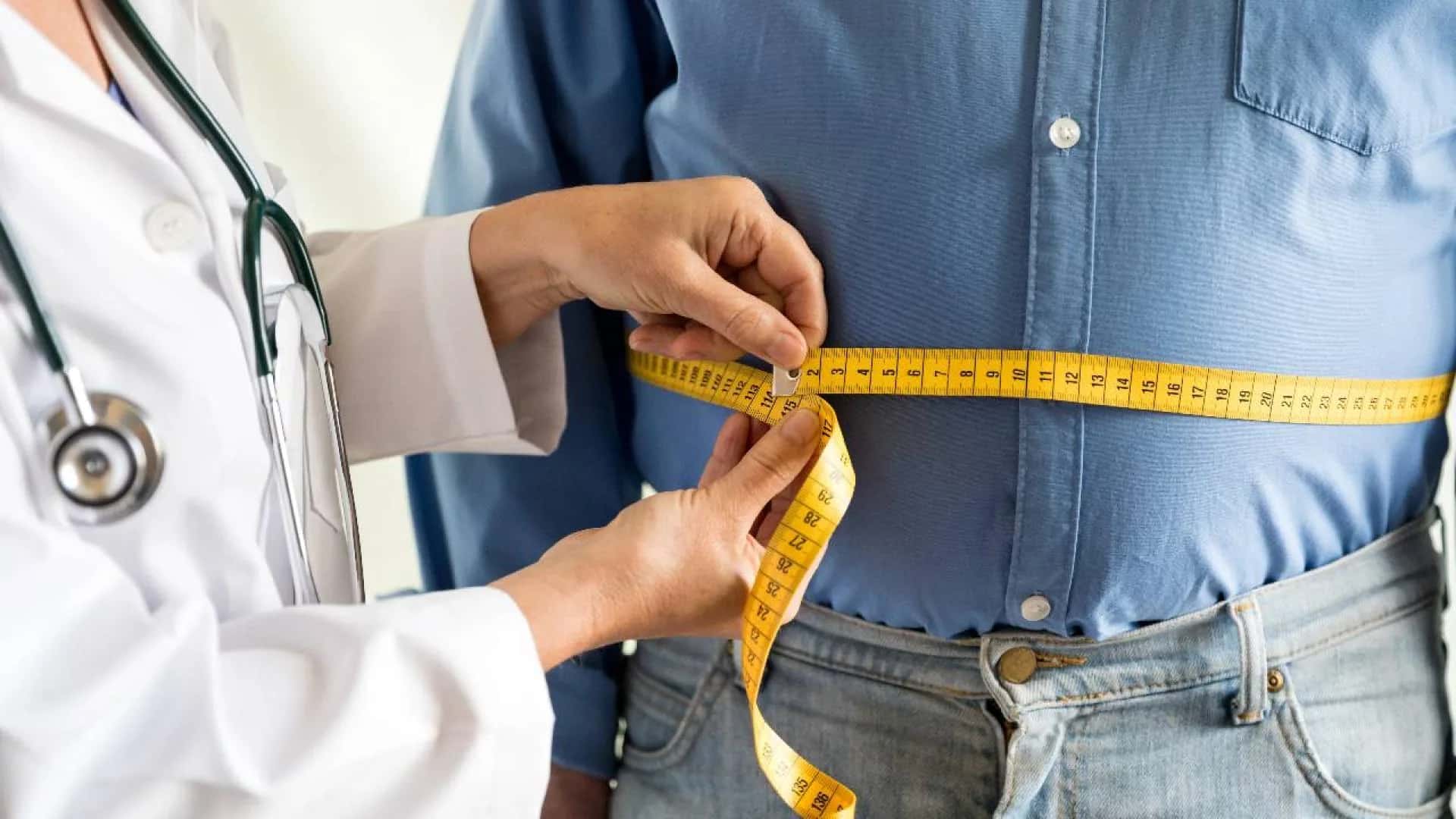
Learn about the main types of obesity, including abdominal, hormonal, genetic and sarcopenic obesity, and discover how each type may affect treatment.
Subscribe to the Medifinder newsletter and never miss our latest content.