










Donor Egg IVF
This page explains how donor egg IVF works, who may consider it, how donors and embryos are selected, what affects success, and what patients should understand before treatment.

- Last updated
- 65 reads
- 10 min read


What Is Donor Egg IVF?
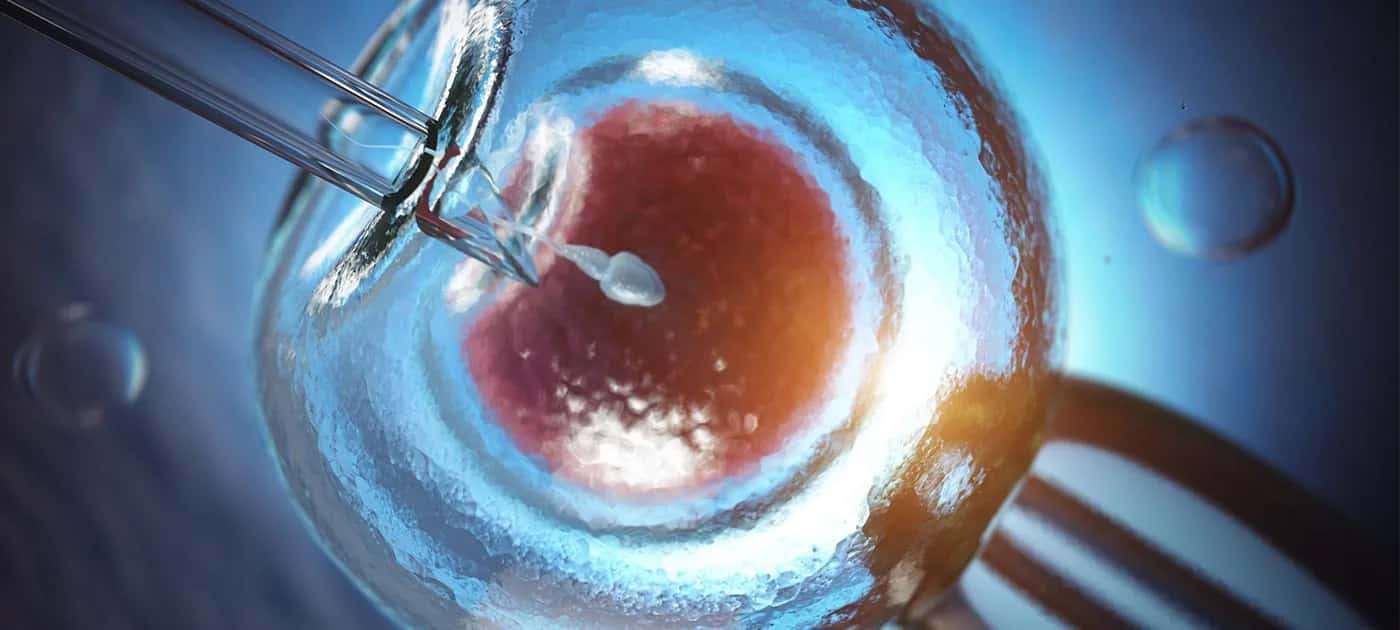
Donor egg IVF is an assisted reproduction treatment in which an egg from another person is fertilized with sperm and the resulting embryo is transferred into the intended mother's uterus or another gestational carrier.
The major difference from conventional IVF is where the egg comes from. The recipient does not undergo ovarian stimulation to produce the egg used in that treatment cycle, although medication is usually needed to prepare the uterine lining.
Donor eggs may be used fresh after a donor stimulation cycle or obtained from previously frozen eggs, depending on the treatment plan and availability.
Who May Consider IVF With Donor Eggs?
Donor egg IVF may be considered when producing a viable egg is difficult, previous IVF cycles repeatedly produce poor-quality embryos, or a genetic concern makes using the intended mother's eggs less suitable.
Situations in which donor eggs may be discussed include:
-
Significantly reduced ovarian reserve
-
Premature ovarian insufficiency
-
Menopause
-
Repeated IVF failure related to egg quality
-
Repeated embryo abnormalities associated with egg age
-
Previous removal of the ovaries
-
Certain inherited genetic conditions
-
Ovarian damage after some cancer treatments
-
Very poor response to ovarian stimulation
-
Absence of usable eggs for another medical reason
A fertility assessment should still examine the uterus, sperm source, general health, and pregnancy suitability before treatment begins.
Why Are Donor Eggs Used in IVF?
Donor eggs are primarily used when the main barrier to pregnancy comes from the availability or quality of eggs rather than the ability of the uterus to carry a pregnancy.
Egg quality declines with reproductive aging, and the probability of chromosomal abnormalities in embryos increases as egg age rises. Using eggs from a younger screened donor can change that part of the reproductive equation.
This does not remove every reason IVF can fail. Sperm quality, embryo development, laboratory performance, uterine conditions, and general reproductive health still matter.
The treatment simply replaces the egg component while allowing pregnancy to proceed in the recipient when medically appropriate.
How Does the Donor Egg IVF Process Work?
Donor egg IVF usually involves donor selection, egg retrieval or thawing, fertilization, embryo culture, preparation of the uterine lining, and embryo transfer.
With fresh donation, the donor undergoes ovarian stimulation so several follicles can mature. The eggs are then collected and fertilized with the intended sperm source.
When frozen donor eggs are used, the treatment begins with thawing the selected eggs before fertilization.
Meanwhile, the recipient typically uses medication to prepare the endometrium. Once an embryo reaches the planned developmental stage and the lining is ready, the embryo is placed into the uterus through a thin transfer catheter.
How Are Egg Donors Selected?
Egg donor selection combines medical screening with personal preferences because the aim is to identify someone medically suitable for donation while helping recipients make a choice they feel comfortable with.
Screening commonly evaluates several areas:
-
Personal and family medical history
-
Infectious disease testing
-
Reproductive health
-
Relevant genetic screening
-
Medication and substance history
-
Psychological suitability where required
-
Age and ovarian response
-
Previous donation or pregnancy information when available
-
Physical characteristics requested by recipients
-
Blood group or other matching preferences when relevant
The exact screening process depends on the treatment program and local rules, so recipients should ask which tests were completed rather than assuming every donor database uses identical standards.
Are Egg Donors Genetically Related to the Baby?
An egg donor has a genetic relationship to the child because the donated egg contributes half of the nuclear DNA used to create the embryo.
The sperm source supplies the other half of the nuclear DNA. The egg also provides mitochondrial DNA, which comes from the donor rather than the person carrying the pregnancy.
Pregnancy still creates an important biological relationship between the recipient and the developing fetus, but carrying the pregnancy does not replace the donor's inherited DNA.
Understanding this distinction before treatment can help intended parents approach questions about genetics, disclosure, and family identity with clearer expectations.
Does the Intended Mother Share Any DNA With a Donor Egg Baby?
An intended mother who carries a pregnancy created from a donor egg does not contribute the egg's inherited nuclear DNA unless she is also the egg source.
The pregnancy environment can influence fetal development and gene activity through complex biological and epigenetic processes, but this should not be interpreted as changing which DNA the embryo inherited.
This distinction sometimes becomes blurred in discussions about donor conception.
The person carrying the pregnancy still provides the uterine environment, blood supply through the placenta, nutrition, hormonal environment, and many other conditions that influence development, while the donor egg remains the genetic source of the egg.
How Are Donor Eggs Fertilized?
Donor eggs are fertilized in an embryology laboratory using sperm from the intended father or another selected sperm source.
Fertilization may take place through conventional insemination or through intracytoplasmic sperm injection, commonly called ICSI, where a single sperm is injected into an egg.
The choice depends on sperm characteristics, the number of available eggs, previous fertilization history, and the laboratory plan.
After fertilization, embryos are monitored as they develop over several days. Embryologists evaluate progression before selecting an embryo for fresh transfer or freezing suitable embryos for later use.
Not every fertilized egg will necessarily develop into a transferable embryo.
Can Fresh and Frozen Donor Eggs Both Be Used?
Both fresh and frozen donor eggs can be used for IVF, and each approach changes the timing and logistics of treatment.
Fresh donation usually involves coordinating the donor's stimulation and retrieval with the recipient's preparation. This can provide access to the eggs from one complete retrieval cycle, but scheduling becomes more complex.
Frozen donor eggs are already stored and can often shorten the matching process because donor stimulation has already occurred.
The number of eggs available may differ between the two routes. The decision should therefore consider egg quantity, donor availability, fertilization plans, treatment timing, and how the program handles unused embryos.
How Is the Uterus Prepared for Donor Egg IVF?
The uterus is usually prepared by creating an endometrial environment that can support embryo implantation at the correct point in the cycle.
Many programmed cycles use estrogen to build the lining followed by progesterone to reproduce the hormonal sequence that occurs after ovulation. The timing of progesterone must match the developmental age of the embryo scheduled for transfer.
Some recipients can also undergo treatment in a natural or modified natural cycle when ovulation and hormone production remain predictable.
Ultrasound and sometimes blood tests help monitor preparation. The goal is not simply to reach a certain lining measurement, but to synchronize the uterus and embryo appropriately.
How Many Embryos Are Usually Transferred?
Many donor egg IVF programs favor transferring one embryo when the embryo quality and clinical circumstances support that approach because transferring more embryos increases the chance of twins or higher-order pregnancy.
A twin pregnancy carries more maternal and fetal risk than a singleton pregnancy, even when conception occurs through fertility treatment.
Transferring two embryos may raise the probability that at least one implants in some circumstances, but it also changes the multiple-pregnancy risk.
The decision should consider embryo quality, developmental stage, previous treatment history, uterine factors, and the broader pregnancy risk rather than focusing only on maximizing the chance of a positive test in one transfer.
What Affects Donor Egg IVF Success?
Donor egg IVF success depends on several biological and treatment factors, so the age of the egg donor alone cannot determine the outcome.
Important factors include:
-
Donor age and egg quality
-
Number of mature eggs available
-
Fertilization rate
-
Sperm quality
-
Embryo development
-
Chromosomal competence of the embryo
-
Embryology laboratory conditions
-
Uterine cavity health
-
Endometrial preparation
-
Correct embryo transfer timing
-
Recipient health
-
Previous reproductive history
A high-quality donor egg can improve one important part of treatment, but implantation and healthy pregnancy still require several stages to proceed successfully.
Does the Recipient's Age Affect Donor Egg IVF Success?
The recipient's age affects pregnancy health more directly than egg quality when a younger donor provides the egg, although age still matters in the overall treatment assessment.
The embryo's age-related chromosomal risk is driven largely by the age of the egg source rather than the age of the person carrying the pregnancy.
However, pregnancy at an older maternal age can carry higher rates of conditions such as hypertension, gestational diabetes, cesarean delivery, and other medical complications.
For that reason, donor eggs can address age-related egg quality without removing the need to assess whether pregnancy itself is medically appropriate.
Can Donor Egg IVF Fail?
Donor egg IVF can fail because even high-quality donor eggs do not guarantee fertilization, normal embryo development, implantation, or an ongoing pregnancy.
A cycle can stop at several points. Some eggs may not fertilize, some embryos may stop developing, and a transferred embryo may not implant.
Pregnancy can also begin and later miscarry.
When a transfer fails, the next step depends on where the process stopped and whether additional embryos remain frozen. Repeated failures may lead to reassessment of the uterine cavity, sperm, embryo factors, transfer timing, or other medical issues rather than automatically changing donors.
What Happens to Extra Embryos?
Extra suitable embryos can often be frozen for future transfer, allowing another pregnancy attempt without repeating the egg donation and fertilization process.
The exact options depend on local regulation and the consent arrangements established before treatment.
Frozen embryos may later be used for another attempt, stored for a future sibling, donated where permitted, or eventually discarded according to the agreed legal and ethical framework.
These decisions can become emotionally difficult once treatment has already succeeded.
Discussing embryo storage duration, annual fees, future disposition, and what happens if family circumstances change before creating embryos can prevent confusion later.
What Are the Pregnancy Risks With Donor Eggs?
Pregnancy with donor eggs can progress normally, but research has identified a higher risk of some hypertensive complications, including preeclampsia, compared with certain pregnancies using a person's own eggs.
The reason appears complex and may involve immune relationships between the pregnant person and the genetically different embryo.
General pregnancy risks also depend on the recipient's age, blood pressure, metabolic health, weight, obstetric history, and whether one or more embryos were transferred.
Donor egg treatment should therefore include both fertility planning and appropriate obstetric risk assessment, particularly when the recipient is older or already has medical conditions that affect pregnancy.
Can Donor Egg IVF Be Used After Menopause?
Donor egg IVF can allow pregnancy after natural menopause when the uterus remains capable of supporting pregnancy and the person is medically suitable for treatment.
The ovaries no longer need to provide the egg because the donor supplies it. Hormonal medication can prepare the endometrium for embryo transfer even when natural menstrual cycles have stopped.
The more important limitation becomes the medical safety of pregnancy rather than ovarian function.
Cardiovascular health, blood pressure, metabolic disease, previous pregnancy history, and other age-related health factors require careful assessment because fertility treatment can create pregnancy without removing the physiological demands pregnancy places on the body.
How Long Does a Donor Egg IVF Cycle Take?
The duration of donor egg IVF depends heavily on whether treatment uses fresh or frozen eggs and how quickly donor selection and uterine preparation can be completed.
Frozen eggs can simplify scheduling because retrieval has already taken place. Once matching and medical preparation are complete, the recipient can begin endometrial preparation and move toward fertilization and embryo transfer.
Fresh donation generally requires more coordination because donor stimulation, egg retrieval, fertilization, and recipient preparation must follow a synchronized plan.
The broader timeline can also expand when genetic testing of embryos, additional uterine evaluation, or medical clearance is needed before transfer.
What Should You Ask Before Starting Donor Egg IVF?
Before treatment begins, patients should understand both the medical plan and the decisions that may affect future family life.
Useful questions include:
-
What donor screening has been completed
-
Whether the eggs are fresh or frozen
-
How many mature eggs are included
-
How fertilization will be performed
-
How embryos will be cultured
-
Whether genetic embryo testing is being considered
-
How the uterine lining will be prepared
-
How many embryos are planned for transfer
-
What happens to unused embryos
-
What follow-up is provided after transfer
-
Which pregnancy risks need additional assessment
-
What information about the donor can be accessed later
Clear answers make the process easier to understand before emotionally significant decisions arise.
What Is the Most Important Thing to Understand About Donor Egg IVF?
The most important point is that donor egg IVF changes the source of the egg, but it does not remove the biological complexity or uncertainty of IVF itself.
A younger donor egg can substantially improve the egg-quality component when ovarian aging or diminished ovarian function is the main barrier. Fertilization, embryo development, implantation, pregnancy health, and birth still represent separate stages.
The treatment also carries questions that extend beyond the procedure itself, including genetics, disclosure, embryo storage, donor information, and future family conversations.
Approaching these decisions before treatment begins usually creates a clearer path than focusing only on the embryo transfer.
- Last updated
- Language
- English
How did you find this article?

Gastric sleeve cost around the world can vary from about $3,000 in lower-cost destinations to more than $25,000 in high-cost healthcare systems. Turkey, Mexico, and India often offer affordable package prices, while the United States, the United Kingdom, and Germany usually have higher private-pay costs.
Learn about the main types of obesity, including abdominal, hormonal, genetic and sarcopenic obesity, and discover how each type may affect treatment.

Explore advanced obesity treatments, including medical therapy, endoscopic procedures and bariatric surgery, and learn how doctors choose the right approach.
Subscribe to the Medifinder newsletter and never miss our latest content.