









Hair Loss in Women With PCOS
Learn why hair loss in women with PCOS occurs, how hormonal changes affect follicles and which treatments may help protect density and support regrowth.

- Last updated
- 122 reads
- 10 min read


Hair loss in women with PCOS often develops gradually, starting with a wider part, reduced volume or increased visibility of the scalp around the crown. Polycystic ovary syndrome can influence hair growth through androgen activity, insulin resistance and changes in the menstrual cycle, but it does not affect every woman in the same way.
In many cases, hair loss in women with PCOS follows the pattern of female pattern hair loss. The follicles remain present, but they slowly produce finer and shorter strands. This process may progress without treatment, although early diagnosis can help you protect existing density and choose a more effective management plan.
PCOS can also occur alongside iron deficiency, thyroid problems, stress-related shedding or nutritional changes. For this reason, a proper assessment should examine more than hormone levels alone.
How PCOS Can Affect Hair Growth?
PCOS is a hormonal and metabolic condition that can affect ovulation, menstrual cycles, skin, body hair and scalp hair. Some women with PCOS produce higher levels of androgens, while others show increased sensitivity to normal androgen levels.
Androgens include hormones such as testosterone. Within certain tissues, the body can convert testosterone into a more active hormone called dihydrotestosterone, or DHT. Genetically sensitive scalp follicles may respond to androgen activity by becoming progressively smaller.
As a follicle miniaturises, it produces a thinner strand during each growth cycle. The active growth phase also becomes shorter, so the hair may fall sooner and take longer to replace. Over time, thick terminal hairs can begin to resemble soft, fine hairs that provide less scalp coverage.
Not every woman with PCOS develops this pattern. Genetics, age, hormone sensitivity and other health factors influence whether scalp thinning occurs.
What Does PCOS-Related Hair Loss Look Like?
PCOS-related hair loss commonly affects the top and central areas of the scalp. Your part may become wider, and the hair around the crown may appear less dense under bright light.
Unlike typical male pattern baldness, female pattern hair loss usually does not create a completely bald crown or a deeply receded frontal hairline. Many women retain the front edge of the hairline while losing density behind it.
You may first notice that your ponytail feels smaller or that your usual hairstyle no longer provides the same coverage. The change often develops slowly, making it difficult to recognise until you compare recent photographs with older ones.
Some women also experience excessive shedding. However, sudden handfuls of hair may indicate an additional condition, such as telogen effluvium, rather than follicle miniaturisation alone.
Is Every Case of Hair Loss in PCOS Hormonal?
PCOS can contribute to hair thinning, but it should not receive the blame for every strand you lose.
Iron deficiency can cause diffuse shedding, particularly when you experience heavy or prolonged menstrual bleeding. Thyroid disorders may also change hair texture, growth and density. Rapid weight loss, restrictive diets, illness, emotional stress and certain medications can push more follicles into the resting phase.
Scalp conditions can add another problem. Seborrheic dermatitis, psoriasis, infection and inflammatory forms of alopecia may cause itching, scaling, pain or patchy loss.
Hair loss alone does not prove that you have high androgen levels. Some women with female pattern hair loss have normal hormone test results. Others may have biochemical androgen excess without obvious scalp thinning.
A dermatologist or endocrinologist should consider the complete pattern rather than relying on one symptom.
Which PCOS Symptoms May Occur Alongside Hair Loss?
Scalp thinning may develop with other signs of androgen activity. These can include persistent acne, coarse facial hair or increased body hair around the chest, abdomen and thighs.
You may also experience irregular periods, missed periods, difficulty predicting ovulation or challenges with fertility. Some women develop darkened, thickened areas of skin around the neck, underarms or groin, which may occur alongside insulin resistance.
Weight gain can accompany PCOS, but you do not need to have overweight to develop the condition. Women at a lower body weight can also have PCOS and androgen-related hair changes.
A sudden increase in facial hair, rapidly progressing scalp loss, a deeper voice or other signs of virilisation require prompt medical evaluation. These changes do not always fit the usual course of PCOS and may signal another source of androgen excess.
How Doctors Diagnose PCOS-Related Hair Loss
Your clinician will usually begin with your medical history. Be prepared to discuss when the thinning started, how quickly it progressed and whether your menstrual cycle has changed.
A scalp examination can reveal whether follicles produce strands of different diameters. This variation often supports a diagnosis of female pattern hair loss. The specialist may also look for redness, scale, broken hairs or signs of scarring.
Blood tests may assess androgen levels and exclude other hormonal conditions. Depending on your symptoms, your clinician may also evaluate thyroid function, iron stores, blood count, blood sugar or other nutritional markers.
PCOS diagnosis does not depend on hair loss alone. Clinicians usually consider ovulatory problems, clinical or biochemical signs of androgen excess and ovarian appearance while excluding other possible causes.
You may need input from both a dermatologist and a gynaecologist or endocrinologist when scalp thinning forms part of a broader hormonal condition.
Topical Minoxidil for PCOS Hair Loss
Topical minoxidil remains a common first-line treatment for female pattern hair loss. It does not treat PCOS itself, but it can support follicle activity and extend the active growth stage.
You apply the treatment directly to the scalp, usually around the part and other areas of reduced density. Consistency matters because occasional use rarely produces a meaningful result.
Some women notice increased shedding during the first several weeks. This temporary change can occur as follicles move into a new growth cycle. Visible improvement generally takes several months, and fuller results may require six to twelve months.
Minoxidil can cause dryness, irritation or unwanted facial hair when it runs onto the face. Wash your hands after application and allow the product to dry before going to bed.
Discuss its use with a healthcare professional if you are pregnant, planning pregnancy or breastfeeding.
Antiandrogen Treatments for Women With PCOS
When androgen activity contributes to progressive thinning, a clinician may consider an antiandrogen medication. Spironolactone is one of the treatments commonly used in selected women.
Spironolactone can reduce androgen effects on sensitive tissues. It may slow continued miniaturisation and support density, particularly when you also have acne or unwanted facial hair.
The medication does not suit everyone. It can affect blood pressure, potassium levels and menstrual regularity. Your clinician may request blood tests or review your kidney function and medication list before and during treatment.
Antiandrogen medicines can affect fetal development and require reliable pregnancy prevention when appropriate. You should not take them while pregnant or trying to conceive.
Results develop slowly. You may need six months or longer before you can judge whether treatment has reduced shedding or improved scalp coverage.
Can Birth Control Pills Help With PCOS Hair Loss?
Combined hormonal contraceptives may help manage several PCOS symptoms by reducing ovarian androgen production and increasing proteins that bind circulating hormones.
For some women, this hormonal change may support a broader treatment plan for acne, unwanted facial hair and scalp thinning. However, birth control pills do not directly stimulate follicles in the same way as minoxidil.
The choice of contraceptive depends on your health history, blood pressure, smoking status, migraine history and risk of blood clots. A treatment that suits one woman may not suit another.
Hormonal contraception also conflicts with an immediate goal of pregnancy. Discuss your reproductive plans openly so your clinician can recommend a safe and practical strategy.
Does Metformin Regrow Hair?
Metformin helps improve insulin sensitivity and may support menstrual regularity or metabolic health in women with PCOS. It can form an important part of treatment when insulin resistance, impaired glucose control or related risks exist.
However, metformin does not work as a direct hair growth medication. Improving the broader hormonal and metabolic environment may indirectly help some women, but you should not expect it to reverse established follicle miniaturisation on its own.
Your clinician may combine metabolic treatment with minoxidil, hormonal medication or an antiandrogen when scalp thinning needs targeted management.
Do not judge the success of PCOS treatment only by changes in your hair. Menstrual health, blood sugar, fertility goals and long-term metabolic risk also matter.
Can Weight Loss Improve PCOS Hair Thinning?
Sustainable weight management can improve insulin sensitivity and some hormonal features of PCOS in women who have overweight. Even a moderate change may support menstrual and metabolic health.
That does not guarantee complete hair regrowth. Once follicles have begun to miniaturise, they often need a targeted treatment.
Rapid or extreme weight loss can also make shedding worse. Severe calorie restriction, low protein intake and sudden changes in body weight may trigger telogen effluvium several months later.
Choose a gradual, nutritionally balanced approach rather than a crash diet. Build meals around protein, vegetables, fibre-rich carbohydrates and healthy fats. The goal should support your whole body rather than focus on the scale alone.
Women with PCOS at a healthy or lower body weight should not attempt unnecessary weight loss as a hair treatment.
Nutrition and Deficiencies That May Affect Recovery
No single PCOS diet can restore every thinning follicle. Still, adequate nutrition gives your hair the materials it needs to grow.
Protein matters because hair shafts consist mainly of keratin. Include suitable sources such as eggs, fish, poultry, dairy products, beans, lentils, tofu, nuts and seeds.
Iron deserves attention if you have heavy periods, follow a restrictive diet or experience fatigue and dizziness. Low iron stores can add diffuse shedding to an existing pattern of hormonal thinning.
Vitamin D, vitamin B12, folate and zinc may also require investigation when your history suggests a deficiency. Hair loss alone cannot confirm that you need a supplement.
Avoid taking several high-dose hair vitamins without testing. Excessive vitamin A, selenium or zinc can contribute to hair loss and other health problems.
How to Protect Thinning Hair From Further Damage
Gentle care will not change androgen activity, but it can prevent breakage from making your hair appear thinner.
Avoid tight ponytails, braids and extensions that repeatedly pull around the hairline. Reduce frequent bleaching, chemical straightening and high-temperature styling when your strands feel fragile.
Wash your scalp as needed. Shampooing does not cause genetic hair loss; it releases strands that have already completed their growth cycle.
Use a wide-tooth comb on wet hair and begin detangling at the ends. Lightweight volumising products, a different part or a shorter cut may improve the appearance of fullness during treatment.
Protect visible areas of scalp from strong sunlight with a hat or suitable scalp sunscreen.
How Long Does PCOS Hair Regrowth Take?
Hair treatment requires patience. You may notice less shedding after three to six months, but visible improvement in density often takes longer.
New hairs must emerge and grow enough to contribute to scalp coverage. Short strands around the part may represent early regrowth even when the overall change still looks modest.
Take photographs every two or three months using the same lighting, angle and hairstyle. This approach gives you a more reliable comparison than checking your scalp every day.
Female pattern hair loss usually requires long-term management. Stopping a treatment that protects your follicles may allow thinning to resume.
When Should You Seek Medical Advice?
Arrange a professional assessment when your part continues to widen, your ponytail becomes noticeably smaller or the thinning progresses over several months.
Seek help sooner if hair loss develops suddenly, creates circular patches or causes pain, burning, redness or heavy scaling. A shiny scalp without visible follicle openings may suggest scarring and requires prompt attention.
You should also contact a clinician if hair loss occurs with severe fatigue, unexplained weight changes, rapidly increasing facial hair or major changes in your menstrual cycle.
Early diagnosis gives you the best chance of preserving follicles before miniaturisation becomes advanced.
Frequently Asked Questions
Can PCOS hair loss grow back?
PCOS-related thinning may improve, particularly when you begin treatment early and the follicles remain active. Minoxidil, appropriate hormonal management and antiandrogen treatment may help selected women. Advanced miniaturisation can become harder to reverse.
Does lowering testosterone stop PCOS hair loss?
Reducing androgen activity may slow progression, but hormone control does not guarantee complete regrowth. Many women need a treatment that directly supports follicle growth as well.
Can women with normal testosterone still have PCOS hair loss?
Yes. Follicles may show increased sensitivity to normal androgen levels, and a single blood test does not reveal everything about hormone activity within the scalp.
Is minoxidil safe for women with PCOS?
Many women can use topical minoxidil, but it may not suit every medical or reproductive situation. Discuss treatment with a clinician if you are pregnant, planning pregnancy, breastfeeding or managing another health condition.
Does PCOS cause bald patches?
PCOS usually causes gradual thinning across the top of the scalp rather than smooth circular patches. Distinct bald areas may indicate alopecia areata, infection or another condition.
Can supplements reverse PCOS hair loss?
Supplements may help when you have a confirmed deficiency. They do not usually reverse androgen-related follicle miniaturisation when your nutrient levels remain normal.
Will hair loss stop after treating PCOS?
Managing PCOS may reduce one factor contributing to thinning, but hair loss often needs its own long-term treatment. Your response depends on the diagnosis, severity and condition of the follicles.
- Last updated
- Language
- English
How did you find this article?
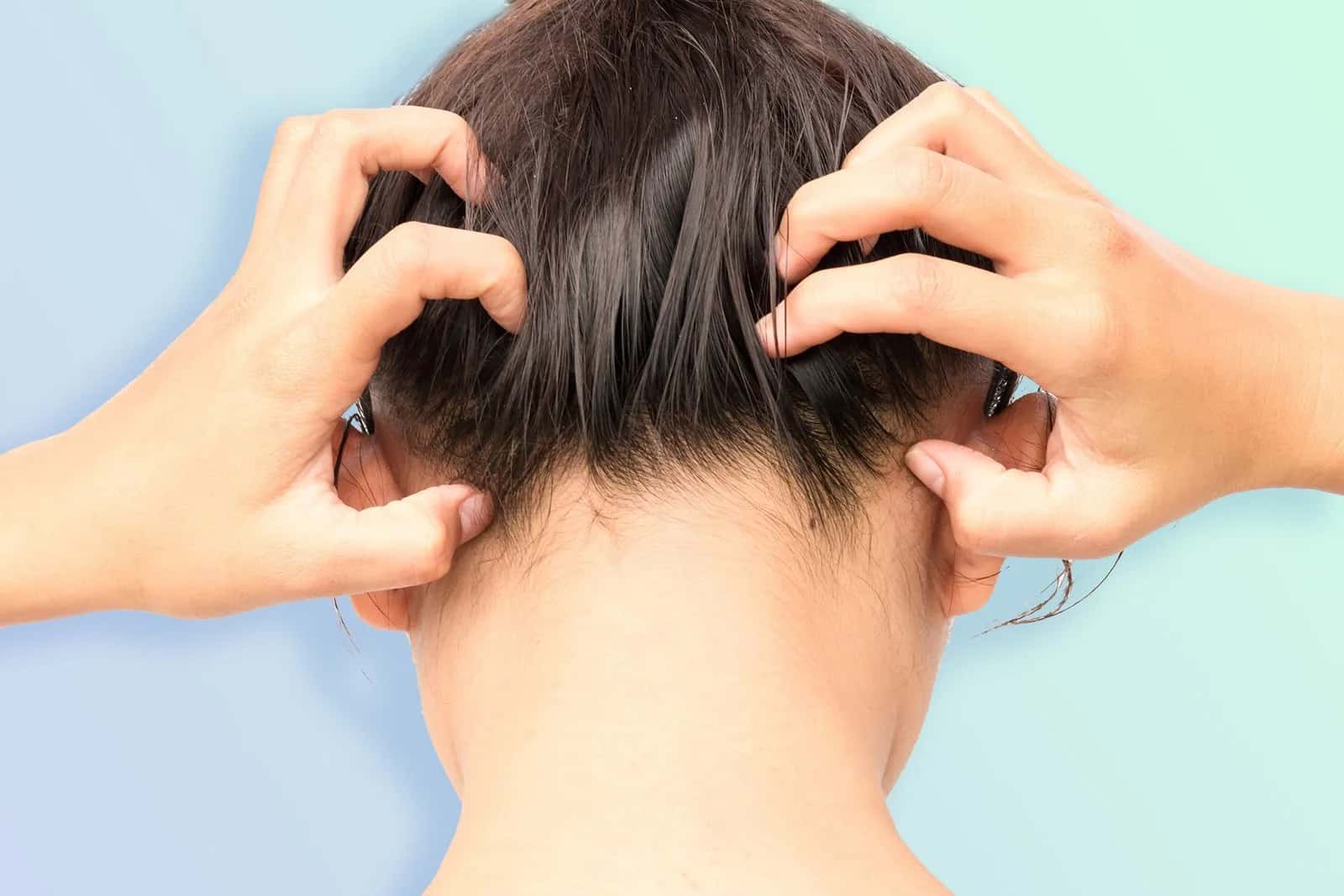
Air conditioning can dry out your scalp by reducing indoor humidity and affecting the skin's ability to maintain adequate moisture. Prolonged exposure to dry, cooled air may contribute to itching, flaking, tightness, and irritation, particularly when the scalp is already sensitive or prone to dryness.
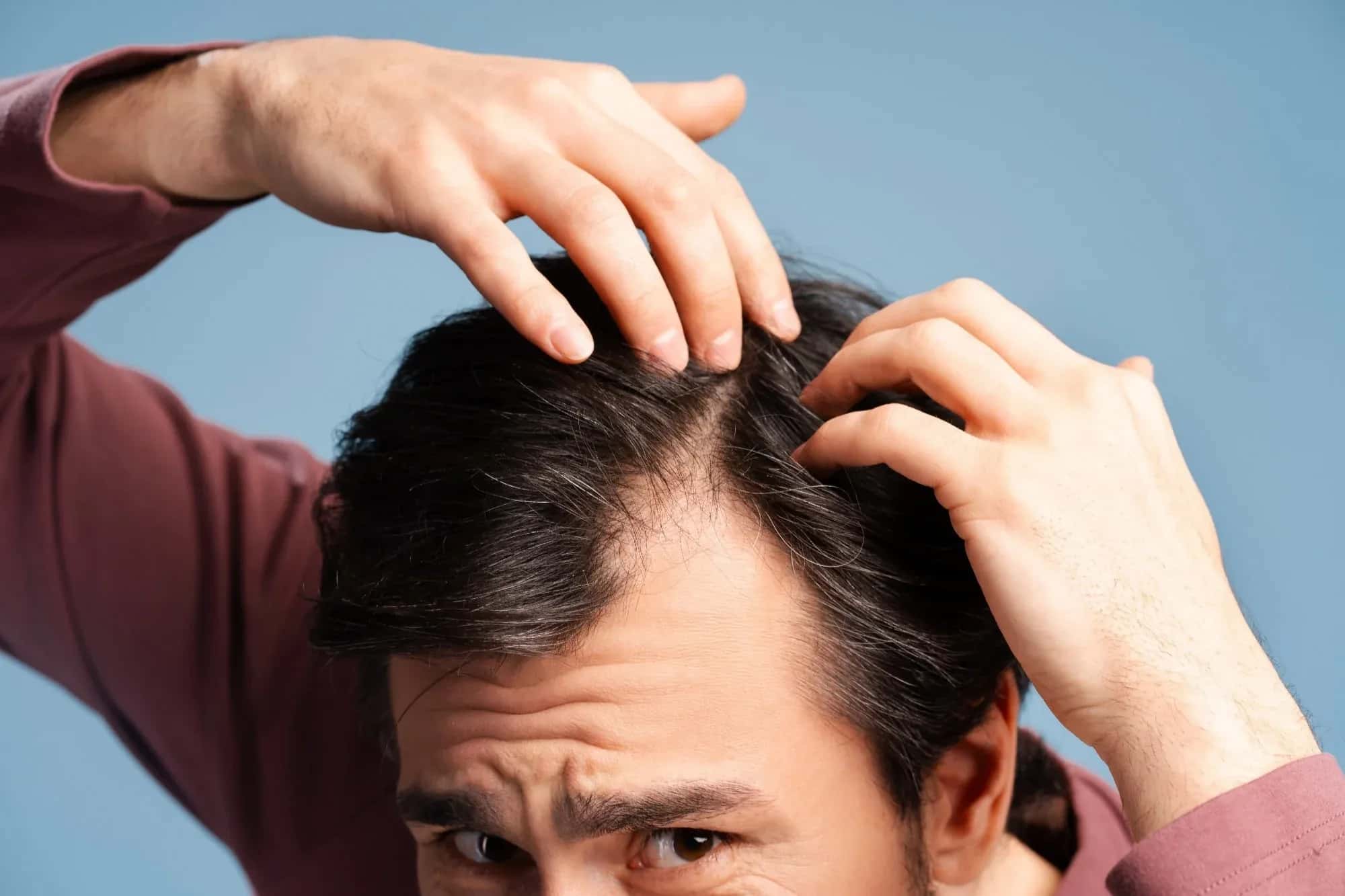
Certain dietary supplements can cause hair loss when taken in excessive amounts, particularly products containing high doses of vitamin A, selenium, or other concentrated nutrients. While supplements can help correct nutritional deficiencies that affect hair growth.
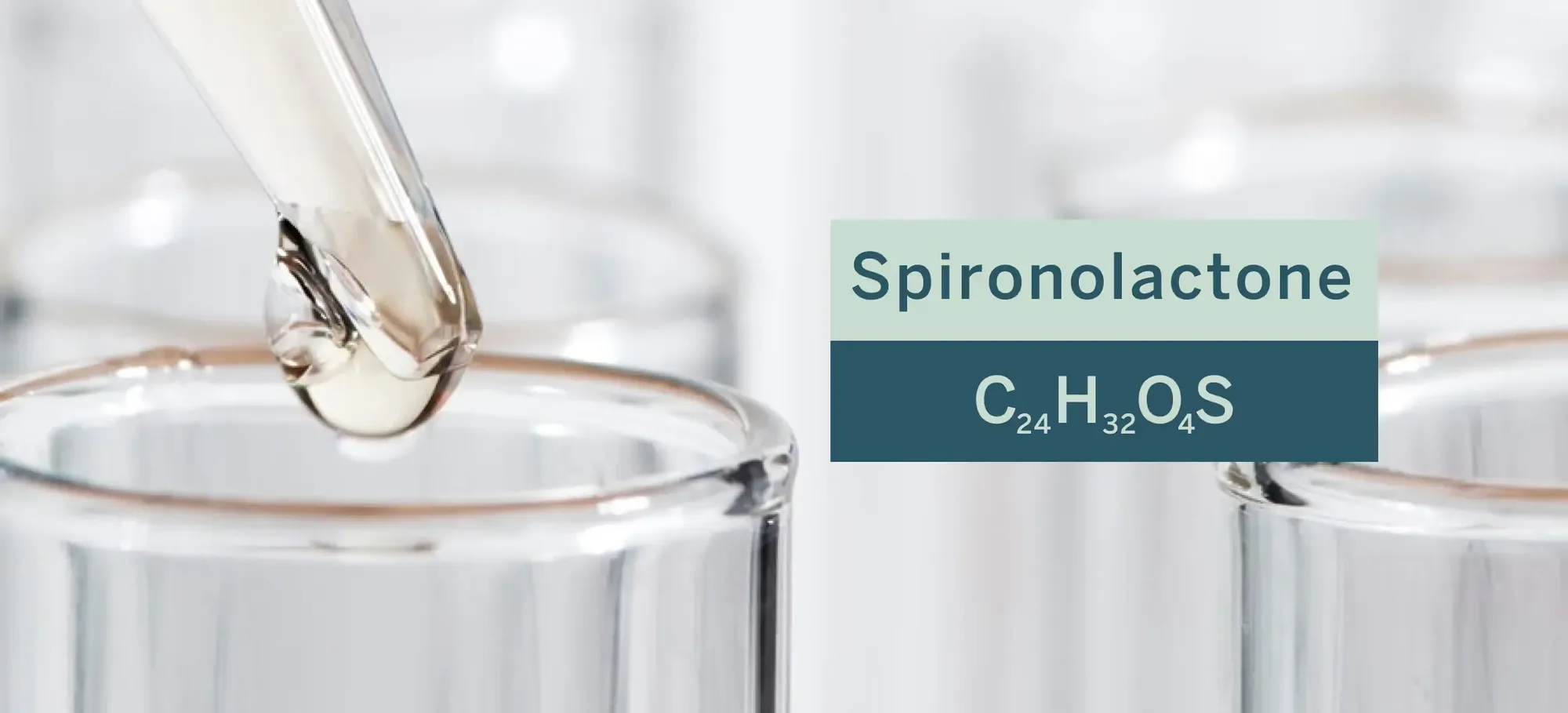
Spironolactone for female hair loss can help slow progressive thinning and improve hair density by reducing the effects of androgens on sensitive hair follicles. Although this prescription medication is not specifically approved for hair loss, clinical research supports its use in selected women.
Subscribe to the Medifinder newsletter and never miss our latest content.