










Shedding After Hair Transplant Surgery
Panicking over hair fallout? Discover why shedding after hair transplant surgery is a completely normal biological phase and learn exactly when permanent regrowth begins.

- Last updated
- 164 reads
- 8 min read
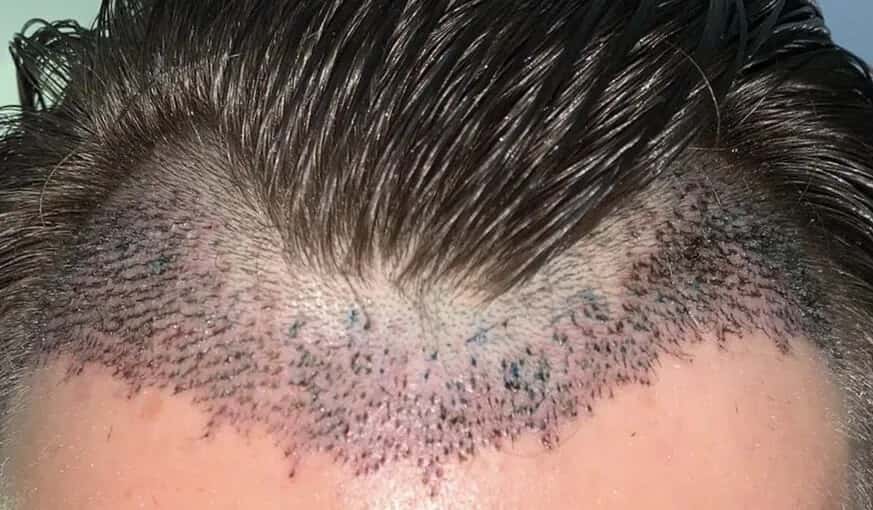


Experiencing shedding after hair transplant surgery almost always triggers a massive wave of panic for patients who just invested heavily in their appearance. You spend weeks carefully protecting your scalp, sleeping upright, and washing with extreme caution, only to watch those precious newly implanted hairs suddenly wash down the shower drain. Rest assured, noticing shedding after hair transplant surgery is not a sign of surgical failure or poor aftercare; it represents a perfectly natural, biologically necessary phase of your recovery journey. Medical professionals commonly refer to this phenomenon as "shock loss," and every single patient goes through it to some degree. To navigate this highly stressful period without unnecessary anxiety, you need to understand the exact physiological mechanisms forcing your follicles into a temporary resting state. By breaking down the science of the hair growth cycle and setting realistic timelines, you can comfortably manage your expectations and look forward to the permanent, dense growth that inevitably follows this temporary setback.
The Biological Mechanics Behind the Fallout
To make sense of the sudden hair loss, you must first understand how hair naturally grows. Human hair follicles operate on a continuous, three-phase cycle: the anagen (active growth) phase, the catagen (transitional) phase, and the telogen (resting and shedding) phase. On a normal, healthy scalp, these cycles operate independently, which is why you naturally lose fifty to a hundred hairs a day without ever going bald.
However, an invasive cosmetic procedure violently disrupts this natural rhythm. During the extraction and implantation process, the surgical team physically removes the follicular unit from its blood supply, handles it under a microscope, and places it into a newly created incision. This intense physical trauma causes the follicle to panic. To survive the transition and protect its vital core cells, the follicle intentionally completely shuts down its active growth cycle. It immediately skips the transitional phase and enters the telogen resting phase. As a direct biological consequence of entering this dormant state, the follicle releases its grip on the existing hair shaft, causing the hair to detach and fall out. You must internalize a crucial medical fact: the physical hair shaft falling out is simply dead protein, while the living, healthy root remains securely anchored deep beneath the surface of your scalp.
Pinpointing the Exact Timeline of Hair Fall
Knowing exactly when this fallout begins helps you mentally prepare for the visual changes in the mirror. You will leave the clinic with tiny, short hairs visible in the recipient area, giving you an immediate preview of your future hairline. During the first two weeks, these short hairs will actually continue to grow slightly, falsely leading you to believe you might bypass the shedding phase entirely.
Do not let this brief growth period fool you. Usually, between day fourteen and day twenty-one, the telogen phase officially takes hold. You will begin noticing loose hairs on your pillowcase, on your towel after a gentle wash, or stuck to your fingertips when you apply lotion. The shedding typically peaks between the third and sixth week following your operation. By the time you reach the two-month mark, the recipient area will likely look completely bare, returning you to your pre-surgery appearance. This timeline operates strictly on biological clockwork, and you cannot rush, skip, or negotiate with it.
Did You Lose a Graft or Just a Hair Shaft?
The absolute biggest fear you will face during the first month involves distinguishing between a harmless shed hair and a permanently lost graft. Patients frequently rush to contact their clinics, terrified that they just ruined their results because they saw a hair with a tiny white bulb attached to the end fall out in the shower.
You can easily differentiate between the two scenarios by looking for the presence of blood. For the first ten days, your grafts remain incredibly fragile. If you accidentally bump your head against a doorframe or violently scratch your scalp, you will physically dislodge a graft. When a graft dislodges, you will feel a sharp pinch, and the extraction will be accompanied by a sudden, distinct flow of active bleeding from the pore.
If you pass the two-week mark, the grafts have locked permanently into the dermal tissue. When you see a hair fall out at week three or week four, even if it has a white, jelly-like bulb at the end, you are only looking at the shed shaft. That white bulb simply represents the root sheath of the hair shaft, not the dermal papilla (the actual hair-producing factory). Without active bleeding and physical trauma, a falling hair perfectly signals a successful transition into the resting phase.
Native Hair Effluvium: The Unspoken Challenge
While you anticipate losing the newly implanted hairs, you might feel completely blindsided if the native, original hairs surrounding the surgical zone begin to fall out as well. Surgeons refer to this condition as telogen effluvium, or secondary shock loss.
When the medical team injects large volumes of tumescent fluid and adrenaline into your scalp to control bleeding and create a workable surgical surface, the surrounding native tissue experiences significant collateral stress. The severe localized inflammation and temporary disruption of micro-circulation force neighboring healthy follicles into the exact same resting phase as the transplanted grafts. This causes your native hair to thin out dramatically, creating an awkward, patchy appearance that makes you look significantly balder than you did before the operation. Fortunately, native shock loss remains entirely temporary. As the internal inflammation subsides and normal blood flow resumes, these native follicles awaken and push out new, healthy hair shafts right alongside your transplanted grafts.
Actionable Steps to Support Your Scalp
You cannot stop the shedding phase from happening; biology must run its course. However, you can actively create the optimal physical environment to ensure the follicles awaken from their dormant state as quickly and robustly as possible.
You must optimize your systemic blood circulation. Once your surgeon clears you for physical activity—usually around the one-month mark—engage in regular cardiovascular exercise. Elevated heart rates push oxygen-rich blood directly to the tiny capillaries feeding your dormant hair roots. Additionally, you should spend five to ten minutes every evening gently massaging your scalp with the pads of your fingertips. Physical manipulation stimulates local blood flow, delivering the necessary nutrients the follicles need to rebuild the hair shafts.
If your clinic recommends pharmaceutical support, adhere to the regimen strictly. Applying topical Minoxidil dilates the blood vessels around the follicle, effectively shortening the telogen phase and encouraging the root to re-enter the active growth phase faster. Many clinics also utilize Platelet-Rich Plasma (PRP) therapy a few weeks after the procedure. By injecting your own concentrated growth factors directly into the scalp, you bathe the traumatized follicles in a healing serum that rapidly accelerates cellular regeneration.
Surviving the Psychological "Ugly Duckling" Phase
Navigating the second and third months requires immense mental fortitude. The medical community affectionately dubs this the "ugly duckling" phase because the combination of shed transplants, native shock loss, and lingering redness creates a harsh aesthetic reality. You will likely feel deep regret, wondering if the financial expense and physical discomfort were truly worth it.
You must actively manage your psychology during this period. Stop inspecting your scalp under harsh, bright bathroom lights every single day. Hair growth happens at a microscopic pace, and obsessing over daily changes only spikes your cortisol levels. High stress actually restricts blood flow to your scalp, inadvertently delaying the very growth you desperately want.
If you feel self-conscious returning to the office or attending social events, you can safely wear loose-fitting baseball caps or bucket hats to conceal the sparse areas. However, you must completely avoid using heavy chemical hair fibers, concealer sprays, or thick pomades during this vulnerable resting phase. These artificial products clog the healing pores, suffocate the dormant roots, and trigger aggressive bacterial infections that can permanently destroy your final results.
The Turning Point: Welcoming Permanent Regrowth
The heavy psychological burden finally lifts around the three-to-four-month mark. Deep beneath the skin, the follicles complete their resting cycle and actively start producing new keratin structures. You will begin to feel a rough, sandpaper-like texture across your bald spots. Soon after, incredibly fine, colorless vellus hairs will push through the surface of the skin.
Do not panic if these initial sprouts look thin or weak. As the weeks progress into the fifth and sixth months, the hair shafts will significantly expand in diameter, produce dark melanin, and adopt the natural texture of your surrounding hair. By month six, you will enjoy approximately fifty to sixty percent of your final cosmetic density, allowing you to finally style your new hair and step out with confidence. You must remain patient, as the complete maturation process continues internally for a full twelve to fifteen months. Trust the biological process, maintain excellent scalp hygiene, and know that the alarming shedding phase you survived simply paved the way for a lifetime of permanent growth.
Frequently Asked Questions
Does every single patient experience the shedding phase?
Yes, virtually every individual undergoing surgical hair restoration will experience shock loss to some degree. While a very rare minority of patients might retain a small percentage of the transplanted hair shafts that continue growing without shedding, the vast majority will lose between eighty and one hundred percent of the implanted hairs by the end of the second month.
Can I speed up the shedding phase by rubbing my scalp?
You should never aggressively rub, scrub, or attempt to pull the hairs out to speed up the process. While you want the shedding phase to end, forcefully removing the hair shafts can cause physical damage to the healing pore and the underlying root. Allow the hairs to detach and fall out naturally during your gentle, daily washing routine.
Will the shed hair grow back thicker than before?
The hair that eventually grows back will perfectly match the thickness and genetic characteristics of the hair in your donor zone. The initial hairs that fall out often look thin because they suffered surgical trauma. When the follicle awakens and generates a new shaft in its permanent location, it produces a robust, healthy, full-thickness adult hair.
What if the shedding continues past the third month?
The bulk of the shedding concludes by the end of the second month. If you continue to experience heavy, aggressive hair fall from your native hair beyond the fourth month, you should consult your operating surgeon. Prolonged shedding usually points to an underlying nutritional deficiency, high stress levels, or a separate dermatological issue that requires targeted medical intervention.
- Last updated
- Language
- English
How did you find this article?
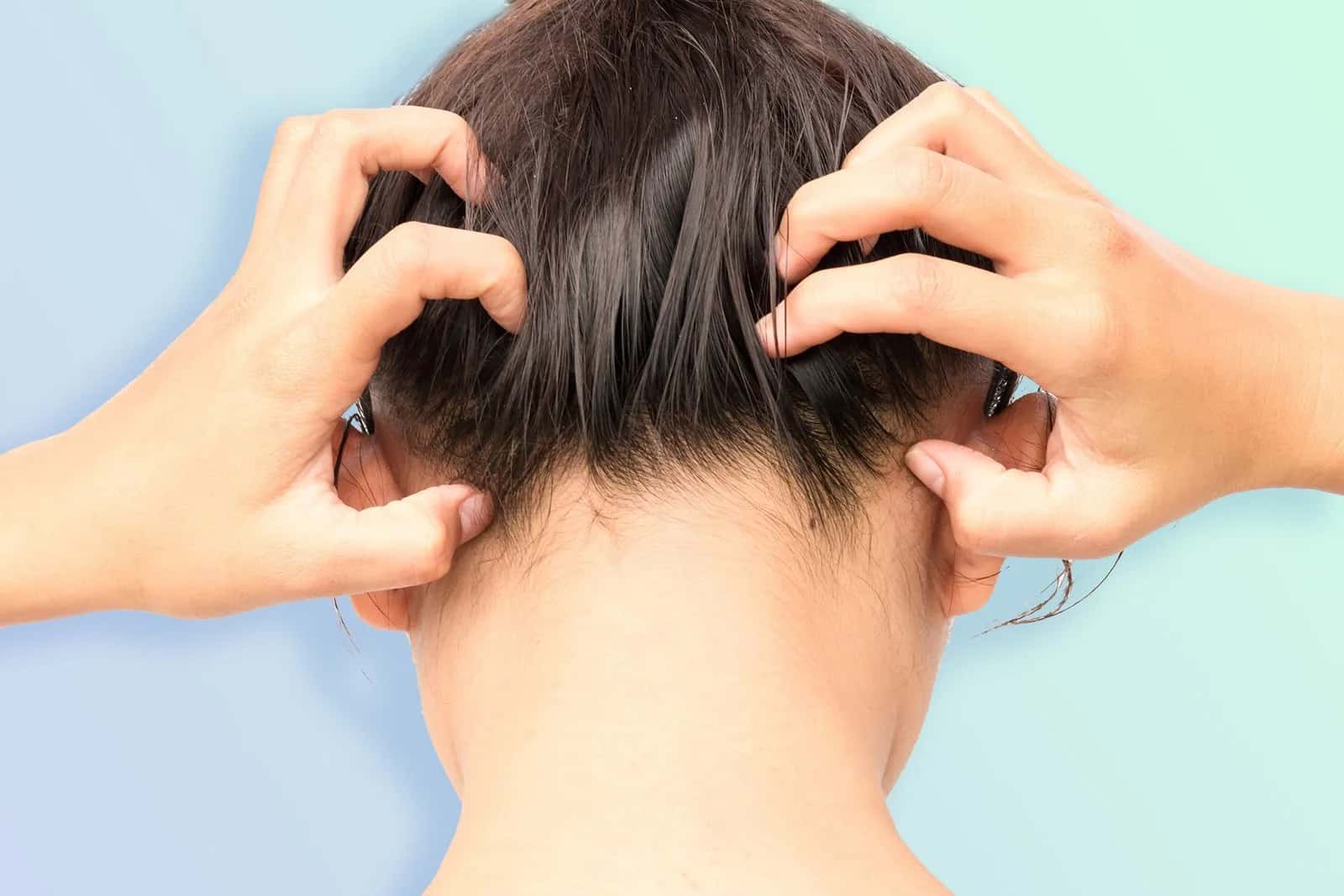
Air conditioning can dry out your scalp by reducing indoor humidity and affecting the skin's ability to maintain adequate moisture. Prolonged exposure to dry, cooled air may contribute to itching, flaking, tightness, and irritation, particularly when the scalp is already sensitive or prone to dryness.
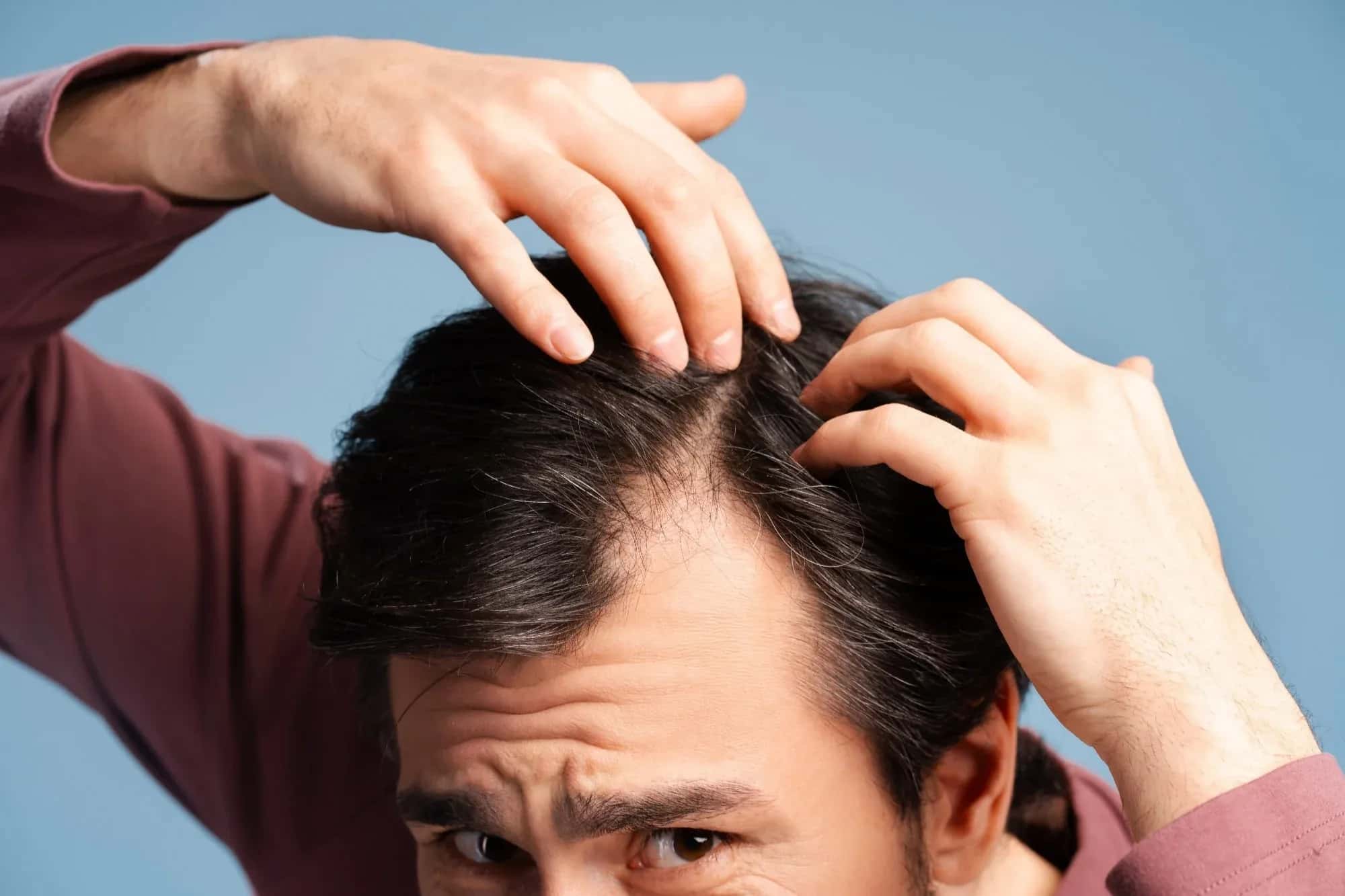
Certain dietary supplements can cause hair loss when taken in excessive amounts, particularly products containing high doses of vitamin A, selenium, or other concentrated nutrients. While supplements can help correct nutritional deficiencies that affect hair growth.

Spironolactone for female hair loss can help slow progressive thinning and improve hair density by reducing the effects of androgens on sensitive hair follicles. Although this prescription medication is not specifically approved for hair loss, clinical research supports its use in selected women.
Subscribe to the Medifinder newsletter and never miss our latest content.