










Robot-Assisted Dental Implant Surgery
Robot-assisted dental implant surgery combines three-dimensional imaging, digital treatment planning and robotic guidance to help position dental implants accurately within the jawbone.

- Last updated
- 34 reads
- 14 min read


What Is Robot-Assisted Dental Implant Surgery?
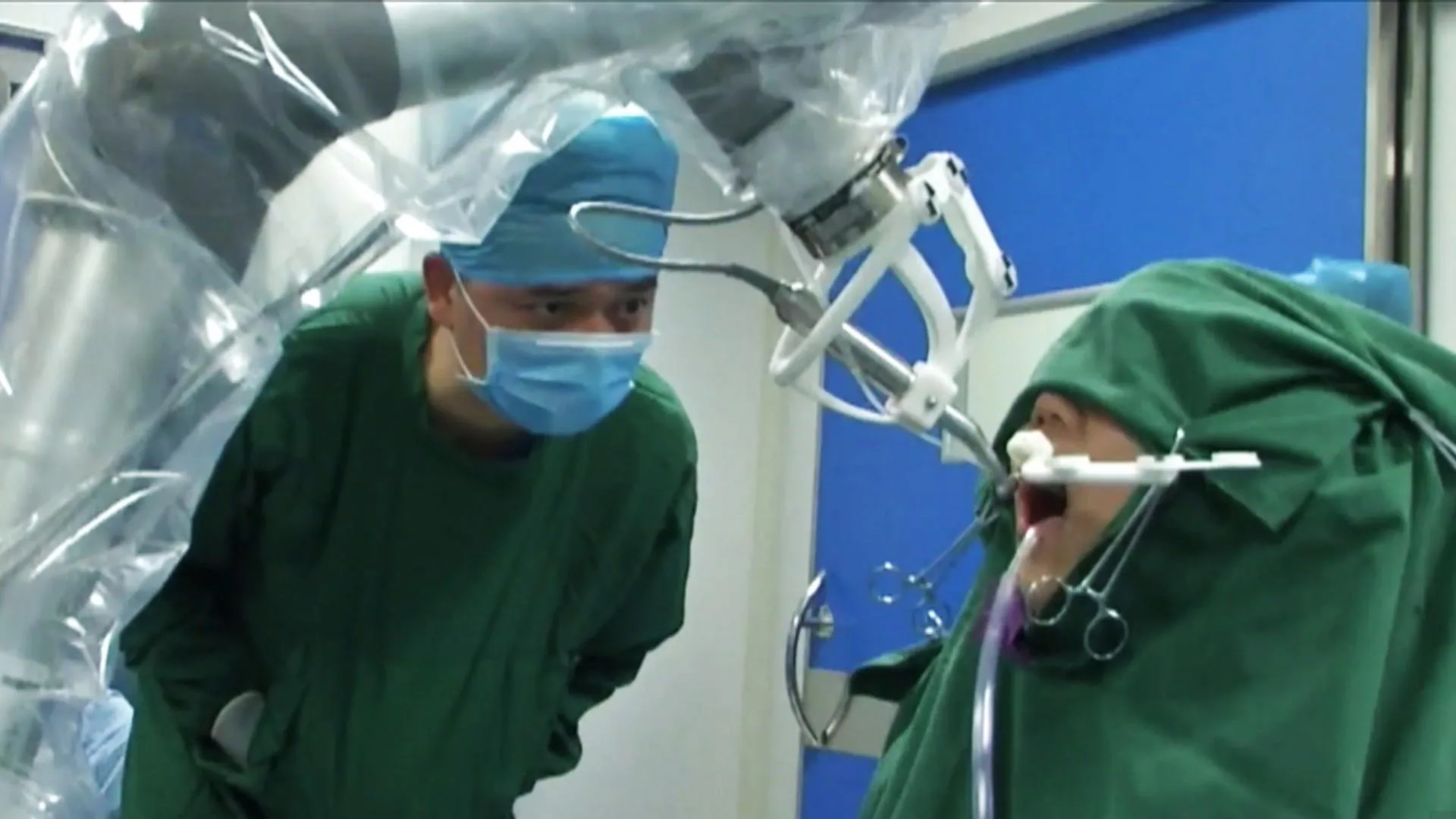
Robot-assisted dental implant surgery is a method of placing artificial tooth roots with the support of a computer-controlled robotic system. The technology connects a digitally planned implant position with instruments that help carry out the planned surgical movements.
The central purpose is to control three factors that matter enormously during implant placement: where the implant enters the bone, the direction it follows and how deep it is inserted.
These details determine the relationship between the implant, neighboring teeth, anatomical structures and the crown that will eventually be attached.
Rather than replacing clinical judgment, robotic guidance helps translate a treatment plan into precise movements inside a limited surgical space.
Does a Robot Perform Dental Implant Surgery Without a Dentist?
The surgeon remains responsible for diagnosis, treatment planning, patient safety and the clinical decisions made during the procedure.
In commonly used haptic-guided systems, the surgeon holds and moves the surgical instrument while a robotic arm provides mechanical guidance. The system can resist movements that would take the drill outside the planned path.
Other robotic technologies have greater autonomy and can perform selected drilling or implant-placement movements after the surgical plan has been approved.
These systems still require trained clinical supervision, patient preparation and safety monitoring.
It is therefore misleading to describe every robotic implant procedure as either fully automatic or entirely hand-operated. The degree of robotic control depends on the technology being used.
Why Does Implant Planning Begin With the Final Tooth?
A dental implant is valuable because of the tooth it will support, not simply because a screw can be placed securely inside bone.
Imagine replacing a missing upper front tooth. There may be enough bone to insert an implant at several different angles, but only some positions will allow the final crown to emerge naturally from the gum.
An implant placed too far toward the lip could create an unnatural crown contour or compromise the surrounding soft tissue.
Robotic planning therefore works best when the intended restoration is designed before the surgical position is finalized.
The crown, implant and available bone should form one coordinated treatment plan.
How Are 3D Scans Used in Robotic Implant Planning?
Cone beam computed tomography, usually called CBCT, provides three-dimensional information about the jawbone and nearby anatomical structures.
The images help identify available bone height and width, neighboring tooth roots, the mandibular nerve canal and the maxillary sinus.
A digital impression or intraoral scan can add information about tooth surfaces, gum contours and the proposed restoration.
Planning software brings these records together so the implant position can be evaluated in relation to both bone anatomy and the future crown.
CBCT involves radiation exposure, so imaging should be justified by its diagnostic value. A detailed digital image is useful only when the underlying information is accurate and properly interpreted.
How Does the Robot Know the Exact Position of the Jaw?
A virtual implant plan exists inside a computer, but surgery takes place in a mouth that can move. The system must therefore establish a reliable relationship between the digital images and the patient's actual anatomy.
This process is called registration.
Depending on the robotic platform, a tracking device or reference marker may be attached to the teeth or another stable structure. The system then matches recognizable physical positions with corresponding points in the scan.
Some technologies use optical cameras, while others employ mechanical tracking arrangements.
Registration must be checked before drilling begins. If the reference shifts or tracking becomes unreliable, even an accurately designed surgical plan can be executed incorrectly.
What Are the Main Stages of Robot-Assisted Implant Surgery?
The workflow connects diagnosis, digital planning and physical guidance rather than treating the robotic arm as an isolated surgical instrument.
-
Digital examination and planning: Three-dimensional imaging and restorative information are used to select the implant's intended diameter, depth, entry point and angle.
-
Patient registration: The robotic system matches the digital plan with the actual position of the jaw and verifies the accuracy of its tracking arrangement.
-
Robot-guided preparation: The surgical instrument follows the planned trajectory with mechanical guidance, positional monitoring or controlled robotic movement, depending on the system.
-
Implant placement and verification: The prepared site receives the implant, while the surgeon assesses its stability, surrounding tissues and relationship to the intended restoration.
What Is the Difference Between Haptic Guidance and Autonomous Implant Surgery?
Haptic guidance creates a physical boundary around the planned surgical movement.
The surgeon advances the drill, but the robotic mechanism can resist changes in direction or depth that exceed the permitted path. It resembles having a carefully defined three-dimensional corridor through which the instrument can move.
Task-autonomous systems approach the procedure differently. After planning and registration, the robot can execute selected movements itself while the surgical team supervises.
Between these models are systems that automatically position or orient the instrument while the surgeon controls its advancement.
These distinctions matter because they influence the workflow, safety checks and the responsibilities assigned to the operator.
How Does Robotic Surgery Compare With Surgical Guides and Dynamic Navigation?
A conventional surgical guide is a physical template, usually produced from a digital plan, that directs the drill through predefined openings.
Dynamic navigation instead uses tracking technology and a screen to display the drill's position in relation to the planned implant trajectory. The surgeon interprets this information and adjusts the instrument accordingly.
Robotic guidance adds another level of assistance by mechanically controlling or executing selected movements.
All three approaches can improve placement precision compared with freehand surgery.
However, they introduce different requirements for registration, equipment access and surgical preparation. Robotic assistance is not automatically necessary when an established guided technique can achieve the planned result reliably.
How Accurate Is Robot-Assisted Dental Implant Placement?
Clinical studies assess accuracy by comparing the planned implant position with its actual position after surgery.
Researchers measure differences at the implant's coronal entry point, its deeper tip and its overall angle.
Recent clinical analyses of robotic placement have reported average positional deviations of approximately 0.6–0.7 millimeters and angular deviations commonly around 1.5–1.7 degrees.
These are averages across studied procedures, not maximum errors or guarantees for an individual implant.
Comparative research generally shows improved positional accuracy over freehand placement, with some advantages over other guided techniques.
Nevertheless, differences between robotic systems, registration methods and study designs mean the results should be interpreted carefully.
Does Greater Placement Accuracy Mean Better Implant Survival?
A more accurately positioned implant is not necessarily an implant that will survive longer.
Precision matters because favorable positioning can make it easier to preserve surrounding bone, avoid anatomical structures and produce a crown that is functional and cleanable.
Long-term implant survival, however, also depends on bone integration, gum health, bacterial plaque control and mechanical loading.
Recent randomized trial evidence supports improved positional accuracy with robotic systems, particularly compared with freehand surgery.
What remains less certain is whether that improvement consistently produces fewer complications, better patient experiences or higher long-term implant survival.
This distinction is important: achieving the planned position is a measurable technical result, while lasting oral health is a broader biological outcome.
Can Robotic Guidance Help Protect Nerves and Sinuses?
Some implant sites leave little room for positional error.
In the lower jaw, the implant must be planned with sufficient clearance from the inferior alveolar nerve canal. In the upper posterior jaw, the relationship to the maxillary sinus can limit the available drilling depth.
Robotic guidance can help maintain the selected angle and depth, reducing unintended movement away from the planned path.
However, the robot cannot correct an incorrectly identified nerve position or an unsuitable safety margin in the original plan.
Imaging interpretation, accurate registration and clinical verification remain essential.
Robotic guidance is an additional means of controlling instrument movement, not a guarantee that anatomical injury cannot occur.
Can the Surgical Plan Be Changed During the Procedure?
A digital plan should guide surgery without preventing necessary clinical decisions.
For example, the bone may provide less initial stability than expected, or the surgeon may identify an anatomical limitation that requires a different approach.
Some robotic platforms allow the planned implant trajectory to be revised after reassessment and appropriate verification.
The available flexibility depends on how the system operates and how it maintains registration.
If reliable guidance cannot be established, continuing along the original trajectory may be inappropriate.
The ability to stop, reassess and change the treatment remains essential, regardless of how sophisticated the equipment appears.
Does Robot-Assisted Implant Surgery Require Cutting the Gums?
Robotic guidance can support minimally invasive or flapless implant placement in selected situations.
A flapless procedure creates access to the bone without raising a broad section of gum tissue. This can limit soft tissue disruption when the anatomy is well understood and sufficient bone is available.
However, not every patient is suitable for this approach.
Direct surgical visibility may be necessary when the ridge is narrow, bone grafting is required or the surrounding tissues need reconstruction.
The presence of robotic guidance does not eliminate these biological considerations.
A procedure should be flapless because the anatomy makes that approach appropriate, not merely because a robotic system is available.
Is Robot-Assisted Dental Implant Surgery Painful?
Robot-assisted implant placement is generally performed with local anesthesia, which numbs the surgical region while the procedure takes place.
Patients may notice pressure, vibration or movement, but sharp pain should not be expected when anesthesia is effective.
Robotic guidance does not remove the need for anesthesia or make the jawbone insensitive to surgery.
Sedation may also be considered when additional anxiety management is appropriate.
After the anesthetic wears off, tenderness and swelling can develop as part of the normal healing response.
The intensity of these symptoms is influenced more directly by the extent of surgery and the condition of the tissues than by whether the drill was robot-guided.
Who May Benefit From Robotic Dental Implant Placement?
Patients with limited anatomical space may benefit from the additional control offered by robotic guidance.
For example, an implant planned between two existing tooth roots requires careful positioning to preserve neighboring structures while providing enough room for the final crown.
Robotic assistance may also be valuable when several implants must follow coordinated positions or when a difficult implant angle needs to be reproduced accurately.
However, suitability begins with the patient's oral health, available bone and restorative needs.
A person requiring a straightforward single implant may achieve an equally appropriate clinical result through another well-planned surgical approach.
The complexity of the treatment should justify the complexity of the technology.
Can Robotic Surgery Help With Narrow Bone or Difficult Implant Positions?
A narrow jaw ridge presents a difficult balance between using available bone efficiently and preserving adequate support around the implant.
Robotic guidance can help execute a carefully planned trajectory within that restricted space.
The benefit becomes particularly relevant when small changes in drill angle could reduce bone coverage or bring the implant close to a neighboring structure.
Yet precision cannot create bone where it does not exist.
If the ridge is too narrow to support the intended implant safely, bone augmentation or an alternative treatment may still be necessary.
Accurate placement is useful only when the planned position is biologically and mechanically appropriate.
What Are the Limitations of Robot-Assisted Implant Surgery?
Robotic assistance introduces additional technical capabilities, but it also creates requirements that must be satisfied before surgery can proceed safely.
-
Dependence on accurate registration: If imaging, reference markers or tracking information are unreliable, the guidance system may no longer represent the actual anatomy correctly.
-
Equipment and access constraints: Limited mouth opening, difficult posterior access or the space required for robotic instruments can restrict their practical use.
-
Additional preparation and expense: Imaging integration, system setup, verification and specialized equipment add complexity to the treatment workflow.
-
Limited long-term comparative evidence: Current studies support positional accuracy, but they have not established that robotic placement consistently improves implant survival or patient-reported outcomes over many years.
Can Robotic Guidance Be Used With Bone Grafting or Immediate Implants?
Robotic assistance can be incorporated into treatment plans involving immediate implant placement or selected sites requiring additional bone management.
An immediate implant is inserted during the same appointment as tooth extraction. The challenge is to achieve an appropriate position and sufficient stability despite the irregular shape of the extraction socket.
Robotic guidance may help reproduce the planned direction, but it does not guarantee the required bone support.
Similarly, grafting procedures involve biological decisions about bone volume, defect shape and tissue healing.
The robot can assist implant positioning; it does not replace the need to reconstruct inadequate bone or manage damaged soft tissues.
Can Robots Assist With Multiple Implants and Full-Arch Restorations?
When several implants support a bridge or a full-arch restoration, their positions must work together.
An implant may have adequate bone support yet create restorative difficulties if its angle is incompatible with the intended prosthesis.
Robotic systems can help reproduce a coordinated digital plan across multiple implant sites.
This may be useful when planning the emergence positions of screw-retained restorations or distributing implants within available bone.
However, full-arch treatment also involves bite relationships, prosthetic connections, maintenance access and substantial functional forces.
Even accurate placement of every implant does not guarantee that the final bridge will be comfortable, easy to clean or free from future complications.
What Happens During a Robot-Assisted Implant Appointment?
The appointment begins with reviewing the surgical plan and preparing the patient for the procedure.
After anesthesia, the tracking or registration components are positioned and the robotic system is aligned with the patient's anatomy.
The surgeon verifies that the planned coordinates correspond accurately to recognizable clinical landmarks.
Only after these checks does the guided drilling stage begin.
Depending on the platform, the surgeon moves the instrument within robotic constraints or supervises selected automated movements.
The implant is then inserted, and its initial stability and surrounding tissues are assessed.
The final steps may include placing a healing component, closing selected gum areas or arranging a suitable temporary restoration.
The robotic portion is one stage within a complete surgical procedure, not a replacement for the surrounding clinical work.
Is Robotic Dental Implant Surgery Faster Than Conventional Surgery?
The actual drilling movements may become efficient once the robotic system is correctly positioned and registered.
However, overall appointment duration includes much more than drilling.
The reference system must be attached, imaging data aligned and registration accuracy verified before the implant site can be prepared.
These additional steps can increase setup time, particularly during early use of a robotic workflow.
Clinical reviews have frequently reported longer procedures because of preparation and verification, although direct comparative evidence about total operating time remains inconsistent.
It would therefore be inaccurate to promise a shorter appointment simply because the treatment uses a robot.
The principal established benefit concerns placement precision, not guaranteed speed.
How Long Does Healing Take Before the Final Crown?
Robot-guided placement does not fundamentally change the biological process by which an implant integrates with the jawbone.
The soft tissues generally make substantial progress during the first one to two weeks, while osseointegration typically continues over several months.
The final crown is attached when the implant has achieved suitable stability and the surrounding tissues can support the intended restoration.
Some patients may receive a temporary tooth earlier, but an immediately visible crown is not necessarily ready for unrestricted chewing.
The guide to dental implant placement, healing and tooth replacement explains the stages between implant surgery and the finished restoration.
What Risks and Warning Signs Should Patients Know?
Robotic systems can improve control over instrument position, but they do not eliminate surgical or postoperative complications.
-
Infection and delayed healing: Increasing pain, spreading redness, persistent swelling or pus may indicate infection rather than ordinary postoperative inflammation.
-
Anatomical injury: Numbness that persists unexpectedly, unusual sensory changes or other concerning symptoms may require assessment for possible nerve involvement.
-
Implant instability: An implant that becomes mobile may not have achieved or maintained adequate integration with the jawbone.
-
Unexpected bleeding or severe swelling: Bleeding that cannot be controlled, rapidly expanding swelling or difficulty swallowing or breathing requires urgent medical attention.
Does Robot-Assisted Implant Surgery Cost More?
Robot-assisted dental implant surgery may carry a higher initial cost because it requires specialized equipment, digital planning and additional technical preparation.
However, the price of implant treatment includes more than the surgical method.
Diagnostic imaging, implant components, tooth extraction, bone grafting, temporary restorations and the final crown can all influence the total expense.
A straightforward implant should not be compared financially with a complex robotic procedure involving multiple missing teeth and extensive reconstruction.
The more useful comparison is between complete treatment plans addressing the same restorative problem.
Evidence establishing that robotic surgery provides better long-term value for money remains limited.
Higher technical precision is a meaningful consideration, but cost should be weighed against the actual clinical advantages expected at the intended implant site.
How Should Patients Care for a Robot-Placed Dental Implant?
The tissues around a robot-placed implant need the same protection and hygiene as those around an implant inserted using conventional techniques.
During early recovery, the surgical area should be kept clean according to the recommended postoperative instructions, without unnecessary rubbing or pressure.
Once healing allows normal brushing, careful plaque removal around the crown and gum margin becomes essential.
Professional maintenance helps identify inflammation, changes in tissue levels and problems with the restoration before they become extensive.
Robot-guided placement does not prevent peri-implant disease. The article on peri-implantitis and long-term dental implant health explains why the condition of the surrounding tissues remains important after osseointegration.
What Determines Whether Robotic Implant Surgery Is Worth Choosing?
The most important measure of robot-assisted dental implant surgery is whether it contributes to a safer, more suitable and maintainable tooth replacement.
A difficult implant position near a nerve, neighboring root or narrow bone wall may benefit from greater control over drilling direction and depth. A straightforward implant site may not require the same technological assistance to achieve a satisfactory result.
Current clinical evidence shows that robotic systems can reproduce planned implant positions with high accuracy. What it does not yet establish is a consistent long-term advantage in implant survival, comfort or other outcomes that patients experience directly.
The final assessment should therefore consider the anatomical difficulty, the proposed restoration, the quality of digital planning and the safeguards used during surgery.
Robotic guidance is most valuable when it solves a genuine surgical problem. The ultimate goal remains a stable implant, healthy surrounding tissues and a replacement tooth that functions naturally for years.
- Last updated
- Language
- English
How did you find this article?
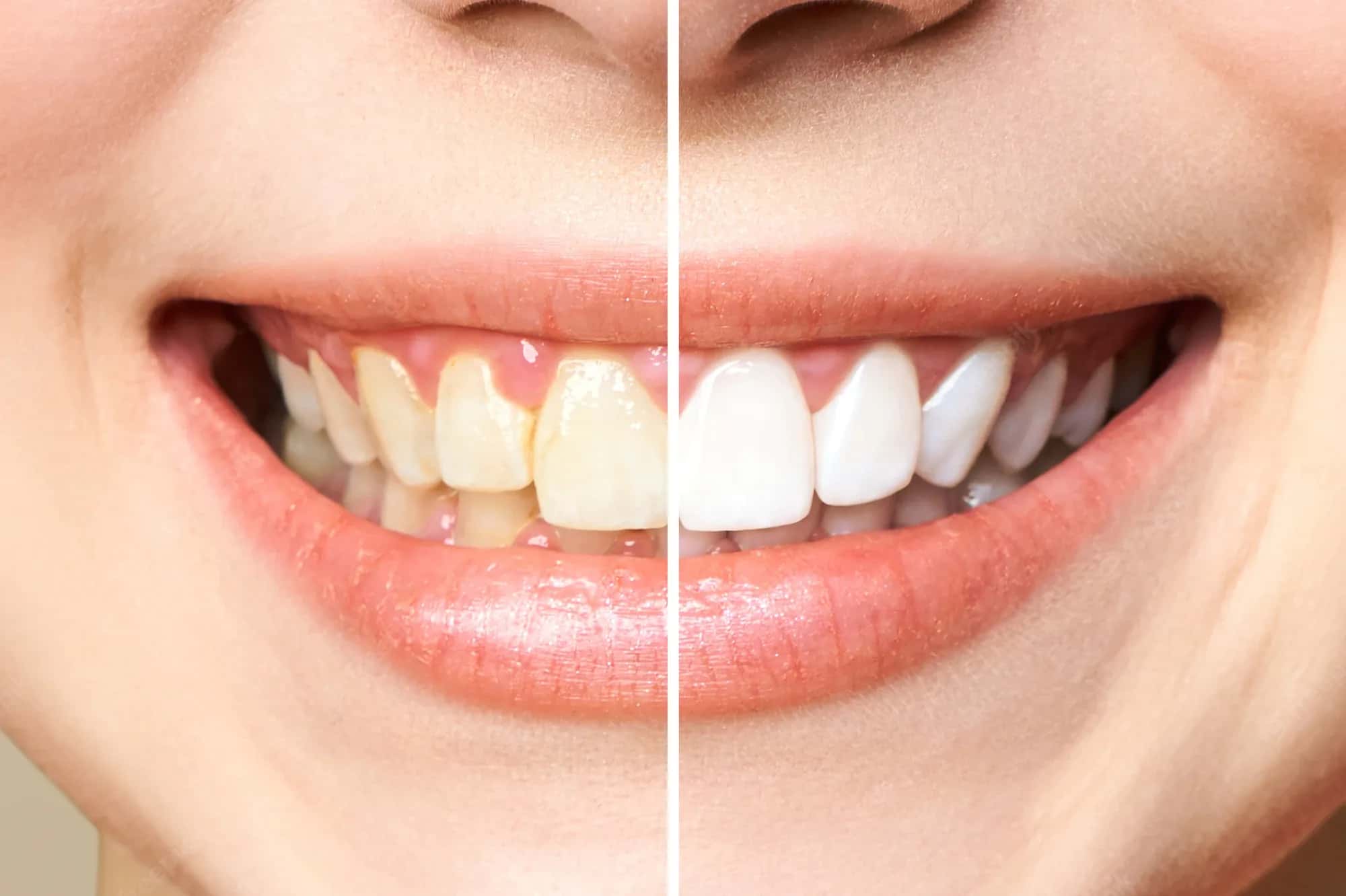
Teeth whitening costs around the world vary substantially, with professional treatment generally costing less in countries such as Turkey, Mexico and India than in the United States or United Kingdom.
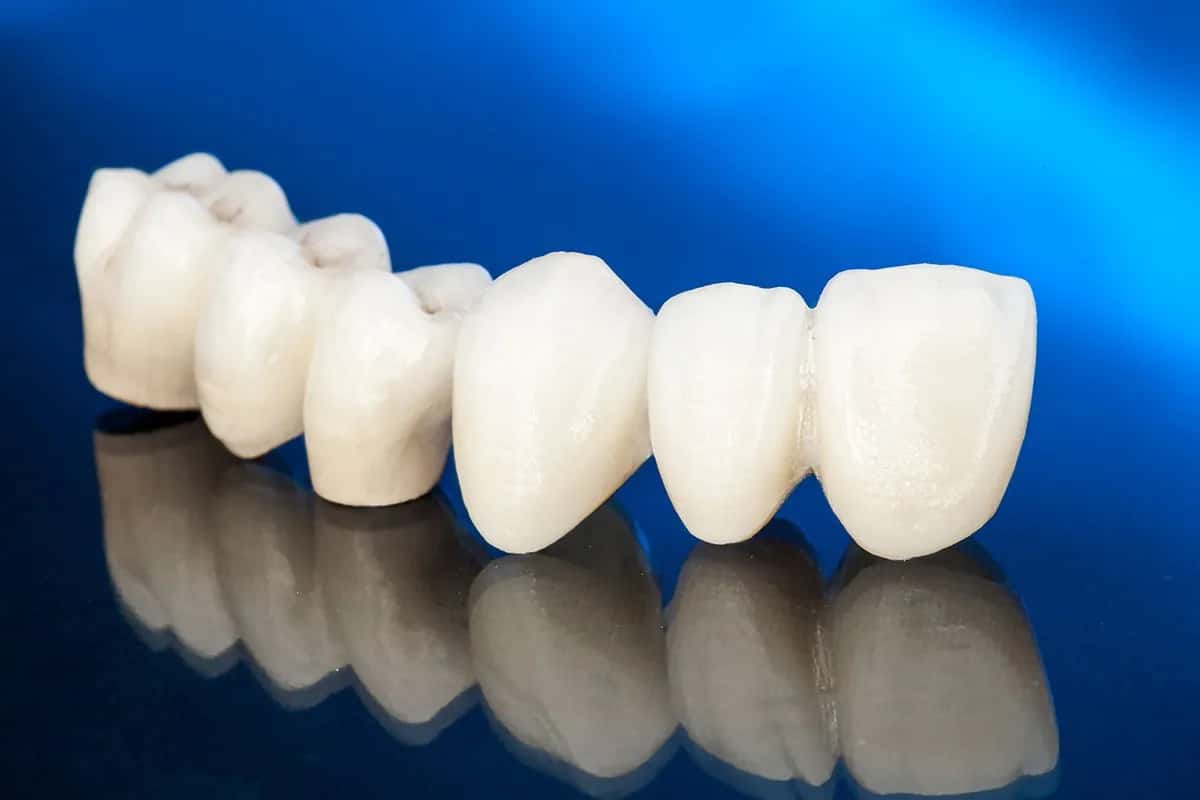
Zirconium crown costs around the world vary significantly, from approximately €180–€400 per tooth in Turkey to $1,000–$2,500 in the United States, based on published 2026 private-treatment prices.
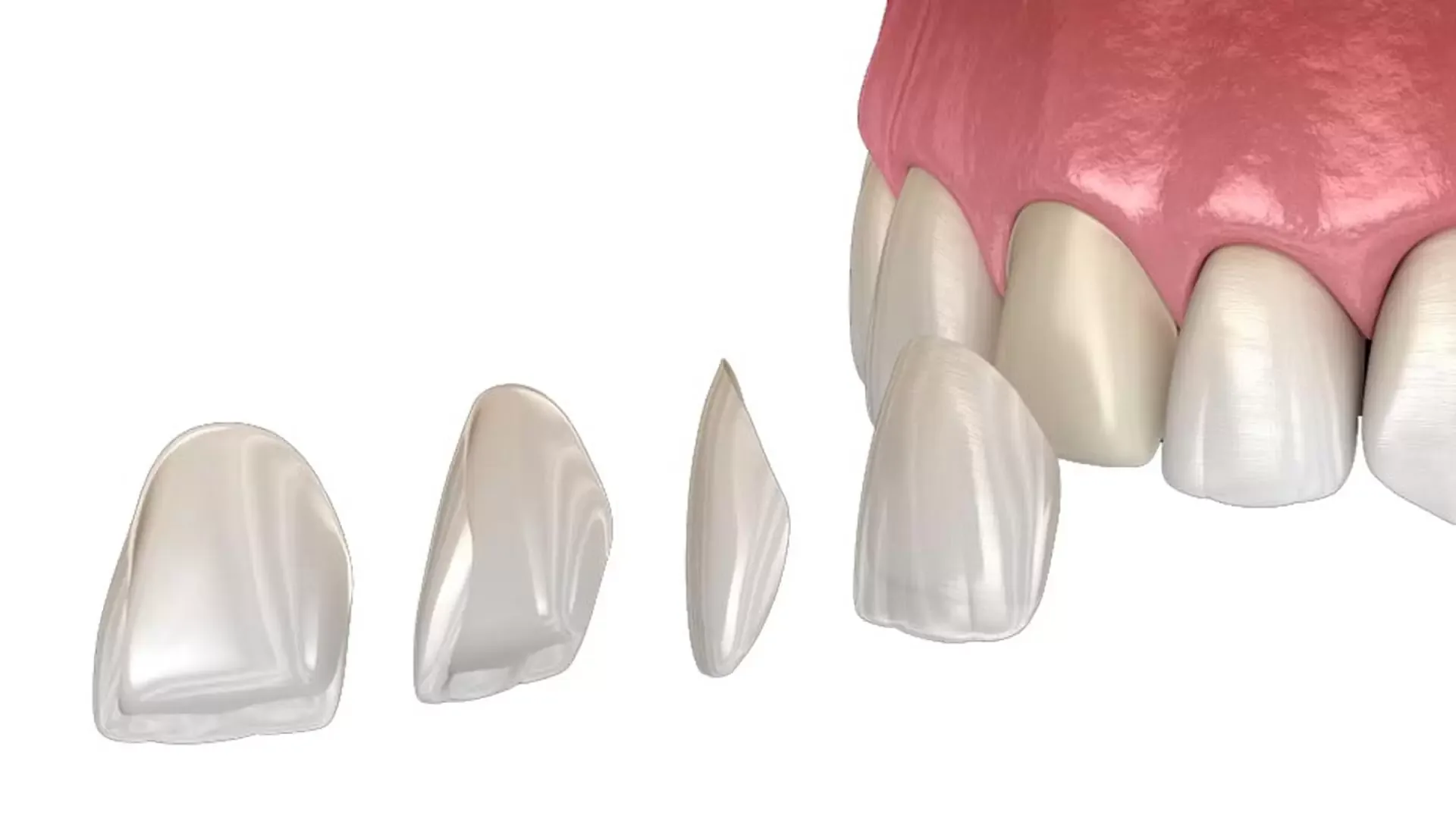
E-Max costs around the world differ significantly, with ceramic veneers and crowns available at lower published prices in countries such as Turkey, Mexico and Hungary than in the United States or United Kingdom.
Subscribe to the Medifinder newsletter and never miss our latest content.