This guide explains where cancer can begin in the human body, including organs, blood, bone, skin, brain and other tissues, and why some body parts develop cancer far more often than others.
This guide explains what quality of life means for people with cancer, what can improve or reduce it during and after treatment, and how patients and care teams can identify problems that need support.
This guide explains how cancer type is actually identified from pathology, the primary site, cell characteristics, staging and biomarker results, so you can understand your diagnosis without trying to identify cancer from symptoms alone.
This guide explains 17 changes that can sometimes occur with cancer, what makes them worth medical attention, and why having one of these symptoms does not automatically mean you have cancer.
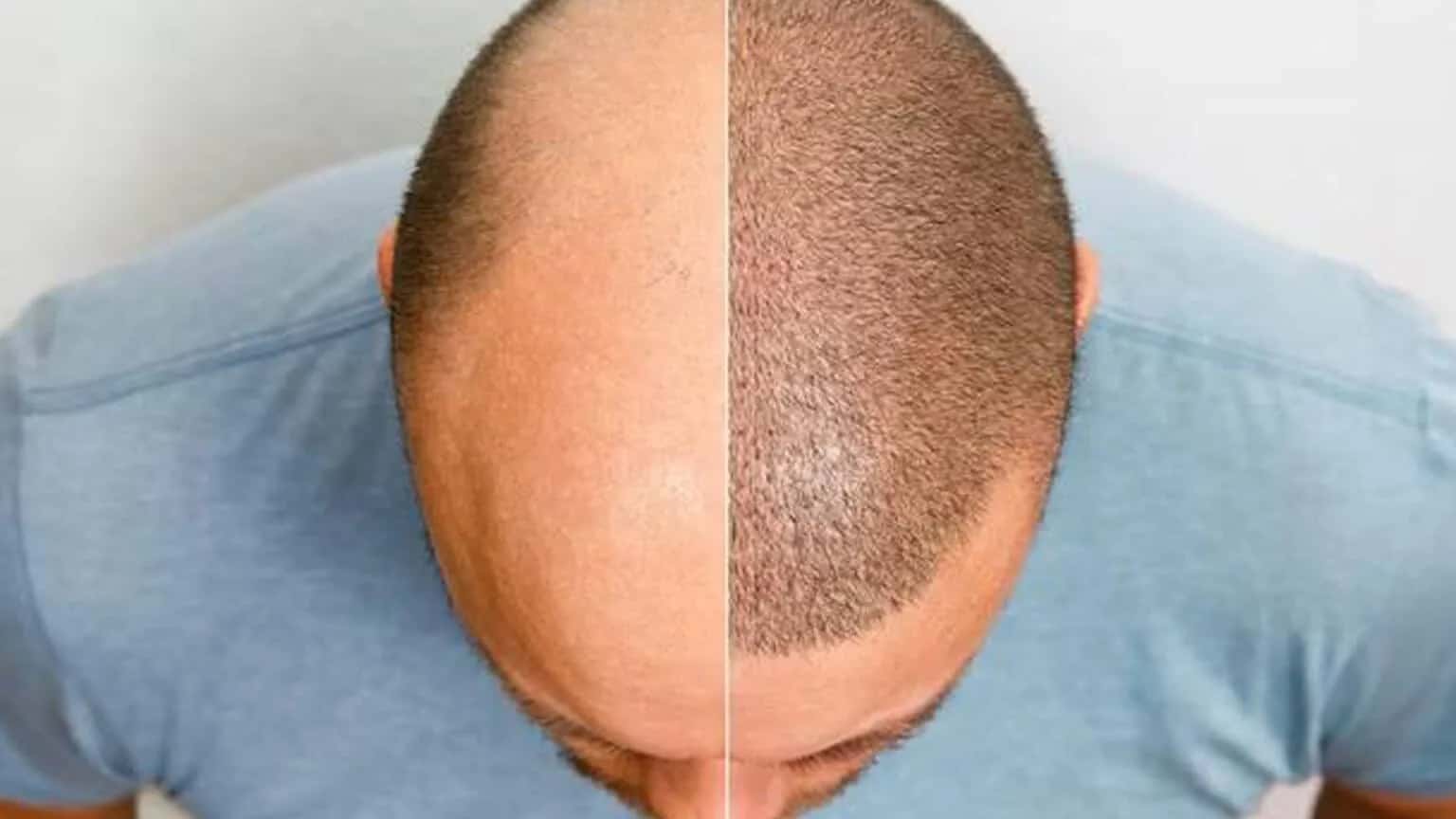
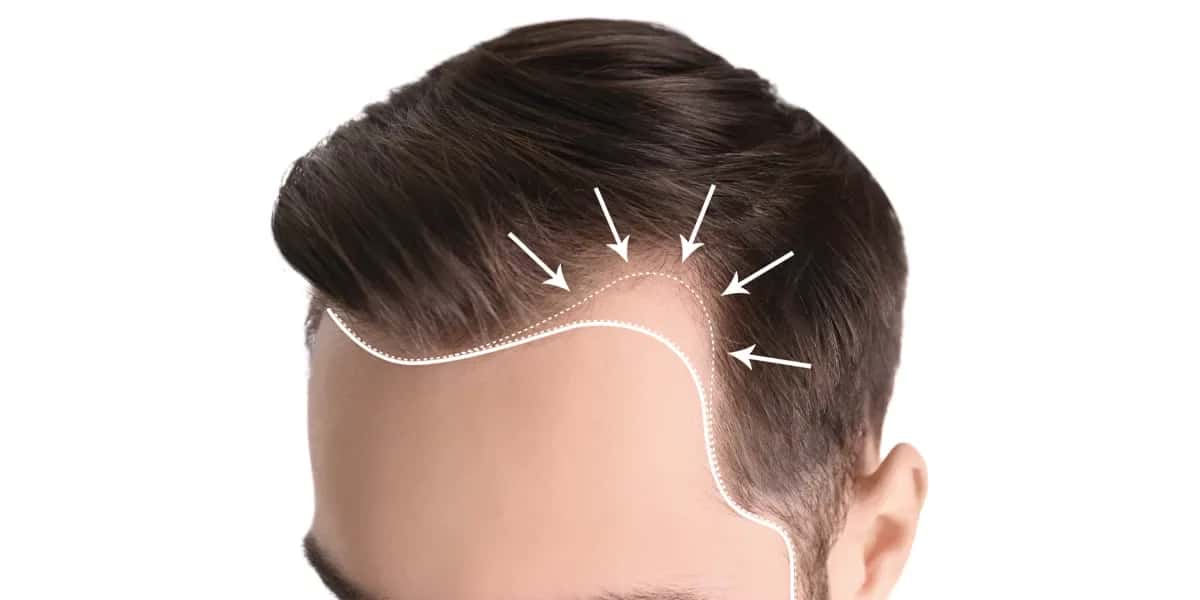
Hair implant or hair transplant? Understand the difference between the terms, how the procedure works, which techniques exist and when surgery is indicated.
See what to expect 5 months after a hair transplant, how the new hairs develop, why density still changes and which aftercare to maintain at this stage.












 Erkan Bayram