










17 Cancer Symptoms You Shouldn't Ignore
This guide explains 17 changes that can sometimes occur with cancer, what makes them worth medical attention, and why having one of these symptoms does not automatically mean you have cancer.

- Last updated
- 62 reads
- 11 min read


Most possible cancer symptoms are much more likely to have a non-cancerous explanation, but a new, unexplained, persistent or worsening change deserves attention rather than being ignored. Cancer can affect almost any organ, so there is no single symptom that reliably identifies it. Some cancers also produce few or no noticeable symptoms in their early stages.
What matters is the context. A cough after a respiratory infection has a different meaning from a cough that continues without an obvious explanation. Likewise, temporary tiredness after a stressful week is different from severe fatigue that persists despite adequate rest.
The following 17 symptoms are not a cancer checklist or a way to diagnose yourself. They are changes that may justify medical assessment, especially when they are unusual for you, continue, worsen or appear together with other unexplained symptoms.
1. Unexplained Weight Loss
Unintentional weight loss can sometimes occur with cancer, particularly when there has been no meaningful change in diet, exercise or lifestyle.
Cancer can influence appetite, metabolism and the way the body uses energy. Digestive problems associated with some cancers can also make eating more difficult. However, unexplained weight loss has many other possible causes, including thyroid disorders, gastrointestinal disease, diabetes, infections, depression and medication effects.
The important feature is that the weight loss is unexpected and continues. A substantial change that you cannot explain should be discussed with a healthcare professional rather than attributed automatically to aging, stress or appetite changes.
2. A New Lump or Persistent Swelling
A new lump or swelling anywhere in the body should be assessed if it persists, enlarges or feels different from surrounding tissue.
Possible areas include the breast, neck, armpit, groin, abdomen and testicle. Enlarged lymph nodes are particularly common during infections and often return to normal afterward. A lymph node that remains enlarged, becomes firmer or appears without an obvious infection deserves further evaluation.
Not every cancer produces a palpable mass, and most lumps are not malignant. Cysts, benign tumors, inflamed glands and infections are common alternatives. The presence of a painless lump should not be considered reassuring by itself because some cancerous masses cause little or no pain early on.
3. Unusual Bleeding or Bruising
Bleeding or bruising without a clear explanation can occasionally be associated with cancer and should not be repeatedly dismissed.
Relevant changes include blood in urine, blood in stool, coughing or vomiting blood, unexpected vaginal bleeding and bruises that appear without a remembered injury. Different types of bleeding have very different possible causes, many of which are benign.
For example, rectal bleeding may result from hemorrhoids, while blood in urine can occur with urinary infections or stones. Bleeding after menopause, persistent blood in urine or stool, or repeated unexplained bleeding generally warrants medical assessment regardless of whether cancer is ultimately the cause.
4. A Persistent Change in Bowel Habits
A lasting change in how often you have bowel movements, stool consistency or stool appearance can sometimes indicate a gastrointestinal problem that needs investigation.
Persistent diarrhea, constipation, unusually narrow stools or a continuing sense that the bowel has not emptied completely may occur with colorectal disease. Most episodes of constipation or diarrhea are temporary and related to diet, infection, medication or other common causes.
A change becomes more significant when it represents a clear departure from your normal pattern and does not resolve. Bowel changes accompanied by rectal bleeding, abdominal pain, anemia or unexplained weight loss deserve particular attention.
5. Blood in the Stool
Blood in the stool can occur with colorectal cancer, but hemorrhoids, anal fissures and other gastrointestinal conditions are more common explanations.
Blood may appear bright red, dark red or contribute to stools that look unusually dark. Small amounts of gastrointestinal bleeding can sometimes remain invisible and instead cause iron-deficiency anemia over time.
Repeated visible bleeding should not automatically be blamed on hemorrhoids without assessment, particularly when bowel habits have also changed. The same applies when bleeding occurs with unexplained abdominal pain, fatigue or weight loss.
6. Changes in Urination or Blood in the Urine
Blood in urine or a persistent change in urination should be medically assessed because several urinary and prostate conditions can cause these symptoms.
Changes may include difficulty starting urination, pain during urination, increased frequency, urgency or a noticeably weaker urinary stream. Urinary infections, kidney stones and benign prostate enlargement are common causes.
Visible blood in the urine deserves evaluation even when it occurs only once. Depending on age, sex and other factors, a clinician may investigate the kidneys, bladder, prostate or urinary tract to identify the cause.
7. A Cough That Does Not Go Away
A persistent or worsening cough can sometimes be associated with lung or airway cancer, although respiratory infections, asthma, reflux and smoking-related lung disease are considerably more common causes.
The duration and accompanying symptoms matter. A cough that continues after the expected recovery period, changes noticeably from a long-standing smoker's cough or appears with unexplained weight loss should be evaluated.
Coughing up blood requires particular attention. Even a small amount has causes other than cancer, but it should not simply be ignored because respiratory infections, blood clots and other potentially serious conditions can also produce it.
8. Persistent Hoarseness or Voice Changes
A voice that remains unusually hoarse without a clear explanation can sometimes reflect a problem involving the larynx, throat or nearby structures.
Temporary hoarseness is extremely common after respiratory infections, heavy voice use and irritation. Reflux can also affect the voice.
Concern increases when hoarseness does not improve, progressively worsens or appears alongside difficulty swallowing, a neck lump, persistent throat discomfort or unexplained weight loss.
Someone who regularly smokes or has significant alcohol exposure may have a different risk profile from someone who recently recovered from a cold, so clinical context remains important.
9. Shortness of Breath That Is New or Getting Worse
New or progressively worsening breathlessness should be investigated because cancer is only one of many possible explanations.
Heart disease, asthma, chronic lung disease, anemia, infections and blood clots can all cause shortness of breath. Some cancers can also affect breathing by involving the lungs, airways or surrounding tissues.
The symptom becomes especially important when normal activities suddenly make you unusually breathless or when it occurs together with persistent coughing, chest symptoms or unexplained weight loss.
Severe or sudden breathing difficulty is different from a routine outpatient symptom and may require urgent medical attention.
10. Difficulty Swallowing
Persistent difficulty swallowing can occur with conditions affecting the mouth, throat or esophagus and should be assessed rather than managed indefinitely with dietary changes.
Some people describe food feeling stuck. Others experience pain when swallowing or gradually shift toward softer foods because solid food becomes difficult.
Reflux, inflammation and structural narrowing are among the many non-cancerous explanations. However, progressive swallowing difficulty can also occur with cancers of the upper digestive tract or throat.
Difficulty swallowing accompanied by weight loss, persistent vomiting, pain or a change in voice deserves particularly timely evaluation.
11. Persistent Indigestion, Bloating or Feeling Full Quickly
Digestive symptoms that repeatedly occur or progressively worsen can occasionally be associated with cancers of the digestive or reproductive systems.
Persistent indigestion, abdominal discomfort, frequent bloating or becoming full after eating much less than usual are examples. These symptoms are far more commonly caused by reflux, gastritis, food intolerance, constipation and other benign conditions.
The pattern is more informative than one isolated episode. A noticeable change from your normal digestion that continues, particularly when combined with appetite loss, difficulty swallowing, anemia or unexplained weight loss, should be discussed with a clinician.
12. Severe or Persistent Fatigue
Cancer-related fatigue can be unusually persistent and may not improve adequately with normal sleep or rest.
Fatigue is one of the least specific symptoms on this list. Poor sleep, stress, anemia, thyroid disease, infections, nutritional deficiencies, depression and many other conditions can cause it.
What makes fatigue worth investigating is often its severity, duration and effect on everyday activities. Someone who previously managed normal work or exercise but develops a persistent unexplained loss of energy may need evaluation.
Cancer can sometimes cause fatigue directly or indirectly through anemia, inflammation, nutritional changes or altered metabolism.
13. Persistent Fever or Drenching Night Sweats
Repeated fever or unusually heavy night sweats without an obvious infection can sometimes accompany cancers such as lymphoma and leukemia.
Occasional sweating during a hot night is not the same as recurrent episodes that soak clothing or bedding. Likewise, brief fever during an infection is common.
The concern is a pattern without a clear explanation, especially when accompanied by swollen lymph nodes, unexplained weight loss, marked fatigue or persistent itching.
Many infections, inflammatory diseases, hormonal changes and medications can produce similar symptoms, so these symptoms alone cannot determine the cause.
14. Persistent or Unexplained Pain
Pain that is new, persistent, worsening or difficult to explain deserves evaluation even though most pain is not caused by cancer.
The significance depends heavily on its location and context. Persistent abdominal, chest, back, pelvic, bone or headache symptoms can arise from numerous common disorders.
Cancer-related pain can result from a tumor affecting nearby tissue, nerves or organs, but early cancer is not necessarily painful. Waiting for severe pain before seeking medical assessment can therefore be misleading.
A new pain pattern that continues without an obvious injury is more informative than occasional, familiar aches that resolve normally.
15. A New Mole, Changing Mole or Sore That Does Not Heal
A changing skin lesion or non-healing sore should be examined because some skin cancers first appear as visible changes.
A mole may become concerning when its size, shape, border, color or behavior changes. Bleeding, crusting, persistent itching or the appearance of a completely new unusual lesion can also justify assessment.
Skin cancer does not always look like a dark mole. Some lesions resemble a small flesh-colored bump, scaly patch or sore that repeatedly heals and returns.
Many skin changes are benign, but visual monitoring is useful because evolution over time can provide important diagnostic information.
16. Breast or Nipple Changes
A new breast lump is an important symptom to assess, but breast cancer can also cause changes that do not initially feel like a distinct lump.
Changes can include new swelling, skin dimpling, nipple inversion, unusual nipple discharge or a persistent change in the appearance of one breast. A lump may also appear in the armpit.
Most breast lumps are not cancerous. Hormonal changes, cysts and benign breast conditions are common.
Nevertheless, a newly discovered breast or underarm lump should generally be evaluated rather than watched indefinitely at home. Symptoms also do not replace routine breast screening when screening is recommended based on age and individual risk.
17. Persistent Mouth Changes or Neurological Symptoms
Persistent mouth changes or new neurological problems can sometimes be signs of serious disease and should be assessed according to their individual pattern.
A mouth ulcer that fails to heal, unexplained bleeding, persistent numbness or a red or white patch can require examination. Dental irritation, infections and inflammatory disorders remain common alternative explanations.
Neurological changes can include a new persistent headache pattern, seizures, unexplained weakness, facial drooping or changes in vision or hearing. Cancer is far from the only possible cause, but some neurological symptoms can indicate conditions requiring prompt assessment.
Sudden facial weakness, difficulty speaking, a first seizure, abrupt severe headache or sudden loss of vision should not be treated as routine possible cancer symptoms. These can represent medical emergencies requiring immediate care.
When Should You See a Doctor About a Possible Cancer Symptom?
You should arrange medical assessment when a new or unexplained symptom persists, worsens or represents a meaningful change from what is normal for you.
There is no universal waiting period that applies to all 17 symptoms. Some changes can reasonably be monitored briefly, whereas unexplained bleeding, a new persistent lump or certain neurological symptoms may justify earlier assessment. Guidance for more general unexplained symptoms often recommends medical review when they fail to improve over a period of a few weeks.
Factors that make a symptom more important to discuss include:
-
It is new and has no obvious explanation.
-
It persists or progressively worsens.
-
It repeatedly disappears and returns.
-
Several unexplained symptoms occur together.
-
It interferes with normal eating, breathing, sleeping or daily activity.
-
It involves unexplained bleeding, a persistent lump or significant weight loss.
-
It represents a clear change from your usual body function.
You do not need to determine whether cancer is likely before making an appointment. The purpose of medical assessment is to identify the cause, which is often something other than cancer.
Do These 17 Symptoms Mean You Have Cancer?
No, having one or even several of these symptoms does not mean you have cancer.
Many cancer warning signs overlap with extremely common conditions. Fatigue can come from anemia. Enlarged lymph nodes frequently result from infection. Blood in the stool can come from hemorrhoids. Persistent coughing can follow infection, asthma or reflux.
The value of recognizing symptoms lies in noticing abnormal changes rather than trying to diagnose cancer from them.
A clinician can use medical history, examination and, when appropriate, blood tests, imaging, endoscopy or biopsy to determine the actual cause. Symptoms alone generally cannot establish a cancer diagnosis.
Can Cancer Be Present Without Symptoms?
Yes, cancer can sometimes develop without causing noticeable symptoms, particularly during its earlier stages.
This is why feeling well does not make appropriate cancer screening unnecessary. Screening is designed to look for certain cancers or precancerous changes before symptoms appear.
The appropriate screening tests depend on factors such as age, sex, personal history, family history and individual risk.
Symptoms and screening therefore serve different purposes. Screening is intended for people who may have no symptoms, while a new concerning symptom requires diagnostic evaluation rather than waiting for the next routine screening appointment.
The Most Important Point About Cancer Warning Signs
The most useful cancer warning sign is often not one specific symptom but an unexplained change in your body that persists or becomes progressively different from normal.
Most such changes will ultimately have another explanation. That should be reassuring, but it should not become a reason to ignore symptoms indefinitely.
Pay attention to patterns, persistence and change. Seek appropriate medical evaluation when something remains unexplained, and remember that a symptom list can tell you when assessment may be worthwhile, but it cannot tell you whether you have cancer.
- Last updated
- Language
- English
How did you find this article?
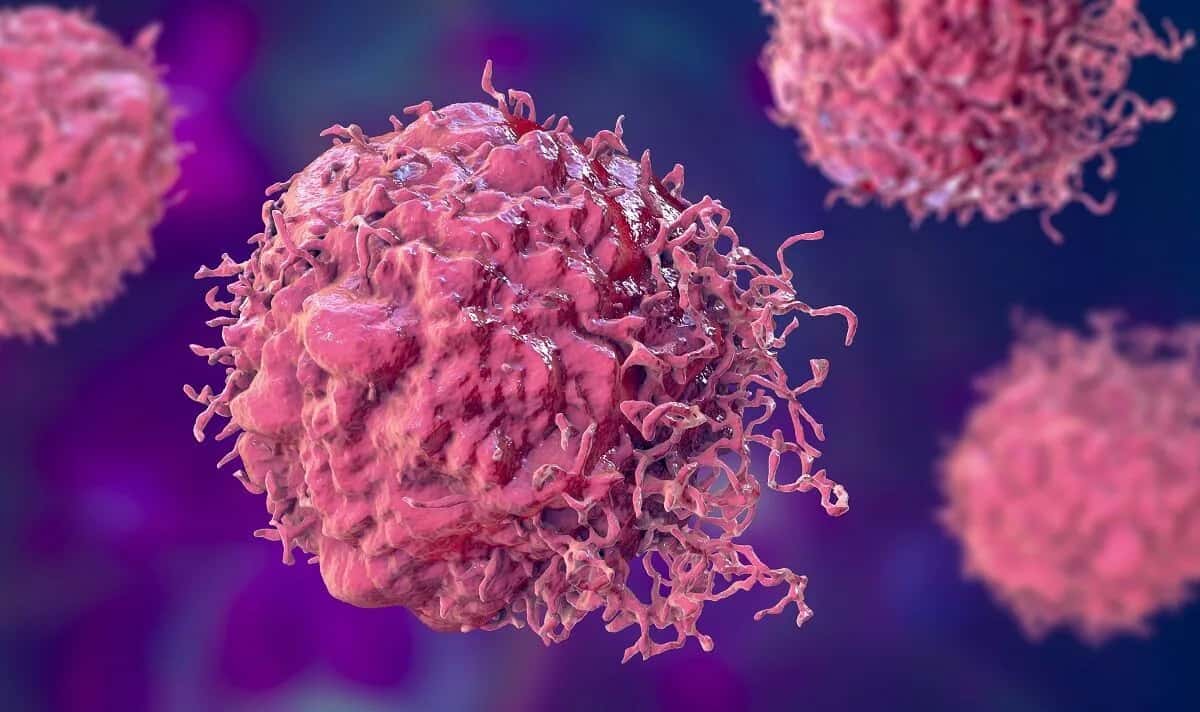
This guide explains common early signs of cancer, which persistent body changes deserve attention, and why symptoms alone cannot confirm or exclude a cancer diagnosis.

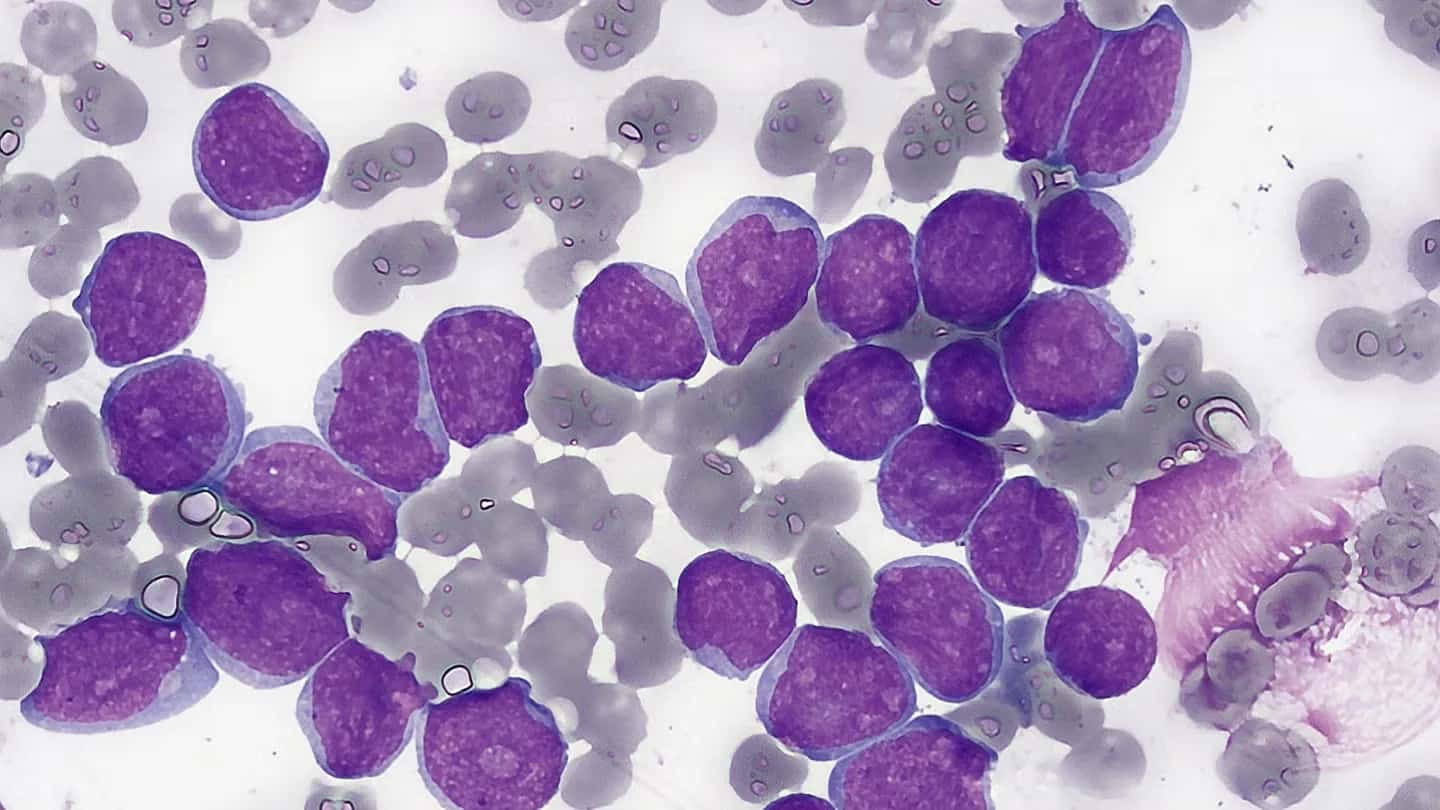
This guide explains the most common leukemia symptoms, how acute and chronic leukemia can appear differently, and which warning signs may justify further blood testing.

This guide explains where cancer can begin in the human body, including organs, blood, bone, skin, brain and other tissues, and why some body parts develop cancer far more often than others.
Subscribe to the Medifinder newsletter and never miss our latest content.