










2 Months After a Hair Transplant: How Does Your Hair Look at This Stage?
Learn what happens 2 months after a hair transplant, why the hair may fall out, when growth begins and which care routine to maintain at this stage.

- Last updated
- 90 reads
- 4 min read
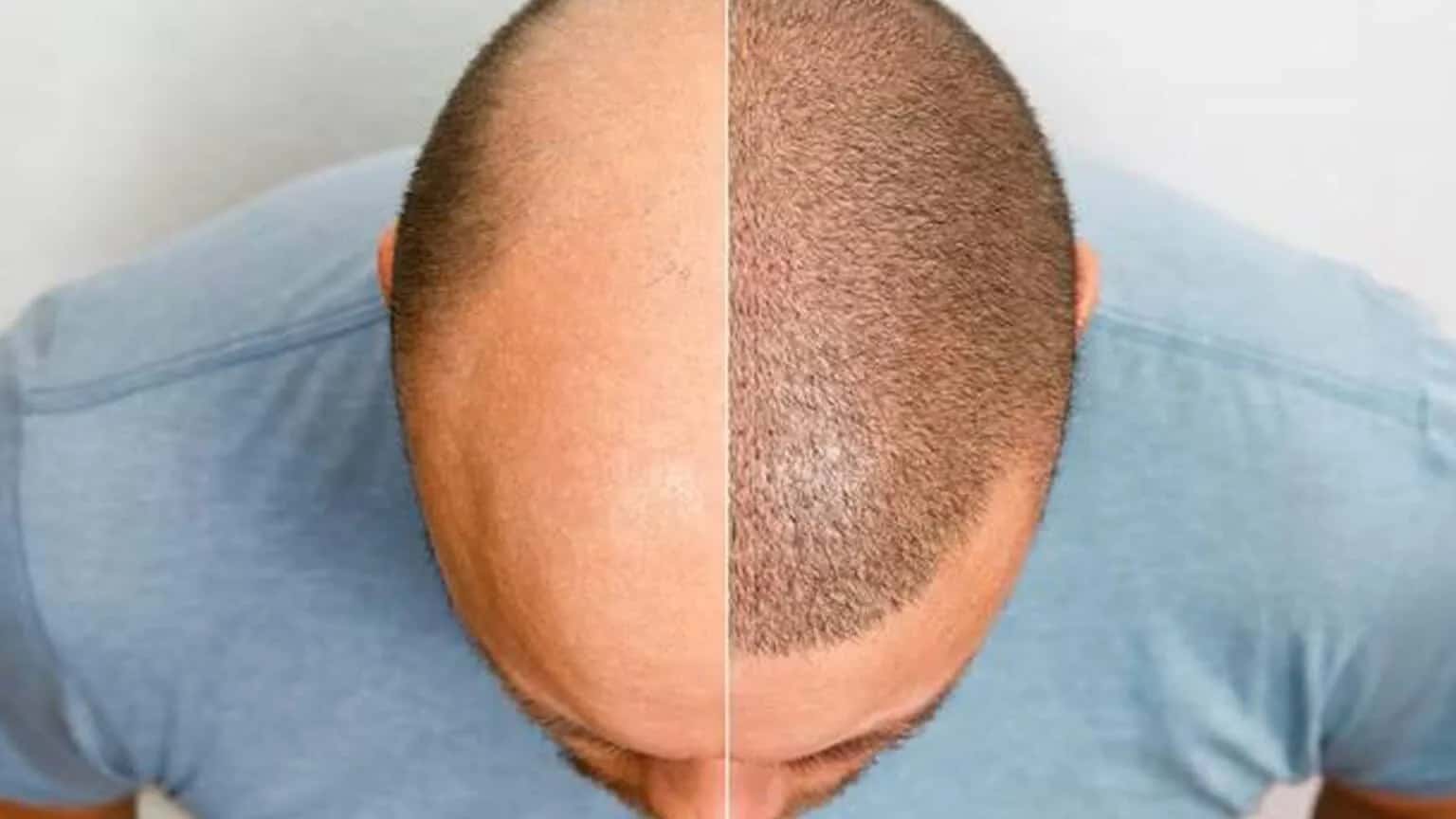


Two months after a hair transplant, you are going through one of the most difficult stages of the entire process. Your scalp has already healed, yet the visible result is still some way off. Many people worry at this point because their hair looks thinner than it did straight after the procedure.
By this stage, most of the transplanted shafts have already fallen out. This phase, known medically as telogen effluvium or shock loss, forms part of the normal biological process. Your follicles remain securely anchored in the scalp.
Understanding what happens during this period helps you avoid unnecessary anxiety. Genuine growth usually begins between the third and fourth month.
What happens in the second month?
Your follicles sit in a resting phase while they recover from the surgical trauma. Meanwhile, they establish new vascular connections with the scalp tissue.
This process, called neovascularisation, secures the permanent nourishment of the graft. Without this connection, the follicle could not produce a new hair.
Your scalp usually looks smooth and calm during this period. The crusts and redness have gone, and the recipient area visually resembles its pre-operative state.
You often observe little visible activity at this stage. This apparent stillness does not mean the procedure has failed.
Why does the hair fall out?
During the transplant, the follicle is briefly separated from its blood supply. This interruption of nutrients places it in a state of shock.
The follicle responds by releasing the visible hair shaft in order to conserve energy. It then enters the telogen phase, the resting phase of the hair cycle.
This shedding usually begins between the second and eighth week. By the second month, many people have already lost most of the transplanted shafts.
You should know that this reaction actually proves the follicle is alive. A dead follicle would show no biological response at all.
Can native hair fall out too?
You may also lose existing native hair in the recipient area. This effect results from the inflammation created by the surgical channels.
Already weakened or miniaturised hairs are the most affected. Thick terminal hairs generally withstand this stress better.
Some people also notice temporary shedding in the donor area. This phenomenon almost always remains limited in time.
These hairs usually grow back within three to four months. You should therefore not assume you have lost that density permanently.
How does the scalp look?
Your scalp should look normal and free of irritation at this point. The crusts have fallen off completely and the redness has disappeared in most people.
You may still notice a slight pink tone in the recipient area, particularly on fair skin. This colouring fades gradually over the following weeks.
Some people develop small spots or folliculitis as the hairs break through the surface. These minor changes often indicate returning follicular activity.
You should not squeeze or scratch these areas. Contact your clinic if you notice widespread redness, pain or discharge.
When does growth begin?
Most people see the first new hairs between the third and fourth month. Your follicles then re-enter the anagen phase, the active growth phase.
You first notice very fine, often colourless hairs. These early shafts look thin and irregular, which is entirely normal.
By the sixth month, density increases noticeably. The hairs thicken and gain more pigment with each cycle.
You reach the complete result twelve to eighteen months after the procedure. You should therefore not judge your outcome at the second month.
What care matters now?
You can usually wash your hair normally at this stage. Use a mild shampoo and massage the scalp gently with your fingertips.
Continue to avoid aggressive chemical treatments such as colouring or straightening. Your scalp remains more sensitive than usual during this period.
You can cut your hair, but choose scissors rather than clippers as a precaution. Confirm the timing with your clinic before booking a hairdresser appointment.
Also maintain a balanced diet with enough protein, iron and zinc. These nutrients support cell regeneration during recovery.
Managing aesthetic concerns
You may feel uneasy at this stage because your hair looks thinner than expected. Many people describe this period as the hardest part of the whole journey.
You can wear a loose hat or cap if your clinic allows it. Avoid tight headwear that creates constant pressure.
You can also use hair fibres or concealer products once the scalp has fully healed. Confirm their use with your practitioner first.
Photograph your progress each month using consistent lighting. This helps you notice changes that daily mirror checks tend to hide.
When to contact the clinic
Contact your clinic if you notice persistent pain, widespread redness or pus discharge. These symptoms may indicate an infection.
Also report very heavy shedding in the donor area. Visible bald patches around the extraction points deserve assessment as well.
Contact your practitioner if no growth appears after the sixth month. They can then assess follicular activity.
Follow-up appointments remain valuable during this period. They give you an objective assessment of your progress.
Conclusion
Two months after a hair transplant, you are in the resting phase that follows the shedding of the transplanted shafts. This stage belongs to the normal biological process and does not mean the procedure has failed.
Your follicles remain anchored in the scalp and are preparing a new growth cycle. Genuine growth usually begins between the third and fourth month.
Stay patient during this period and follow your clinic’s care instructions. Avoid aggressive treatments and protect the scalp from unnecessary irritation.
You only assess the final result after twelve to eighteen months. Until then, the process continues beneath the surface, even when you can see very little.
- Last updated
- Language
- English
How did you find this article?
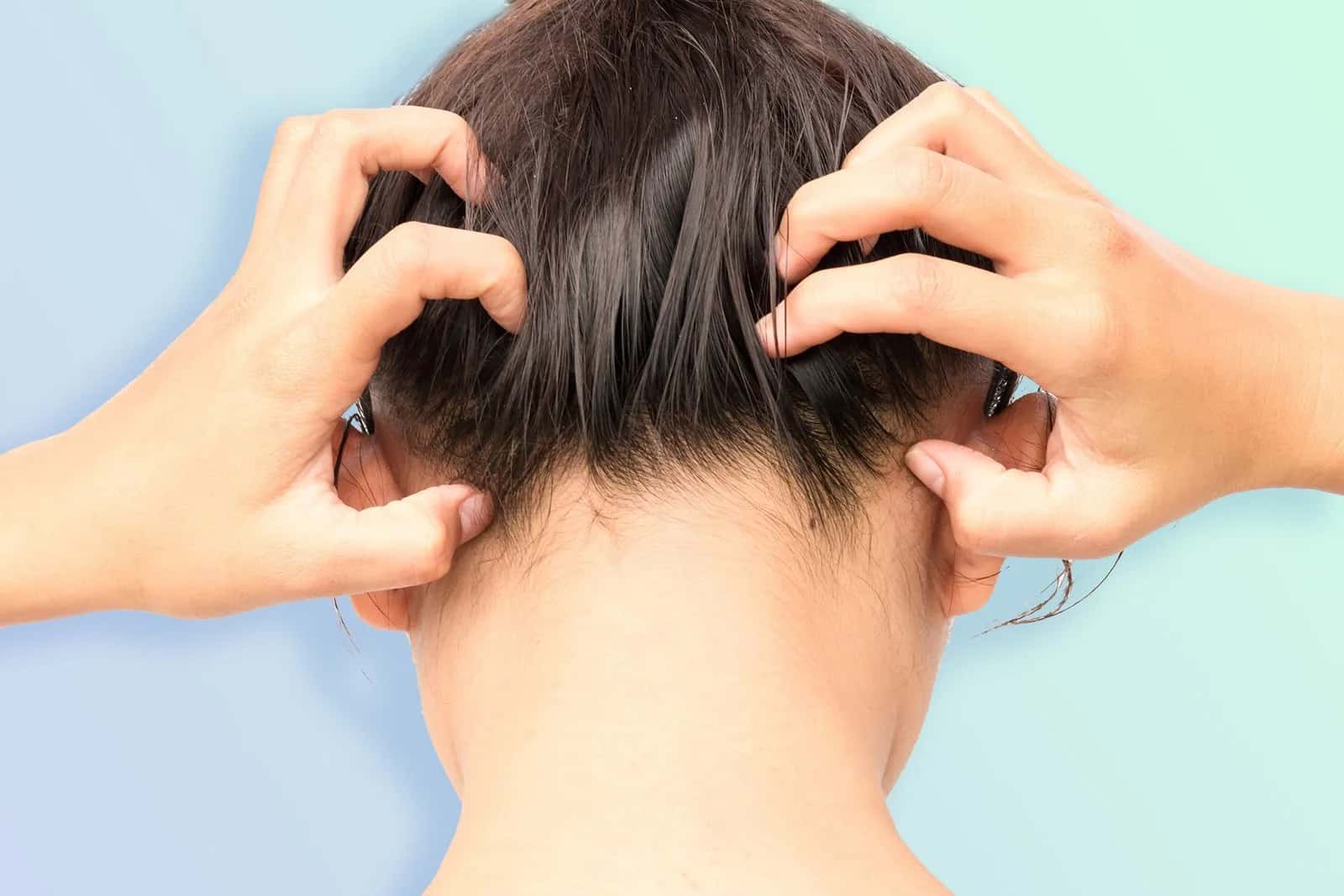
Air conditioning can dry out your scalp by reducing indoor humidity and affecting the skin's ability to maintain adequate moisture. Prolonged exposure to dry, cooled air may contribute to itching, flaking, tightness, and irritation, particularly when the scalp is already sensitive or prone to dryness.

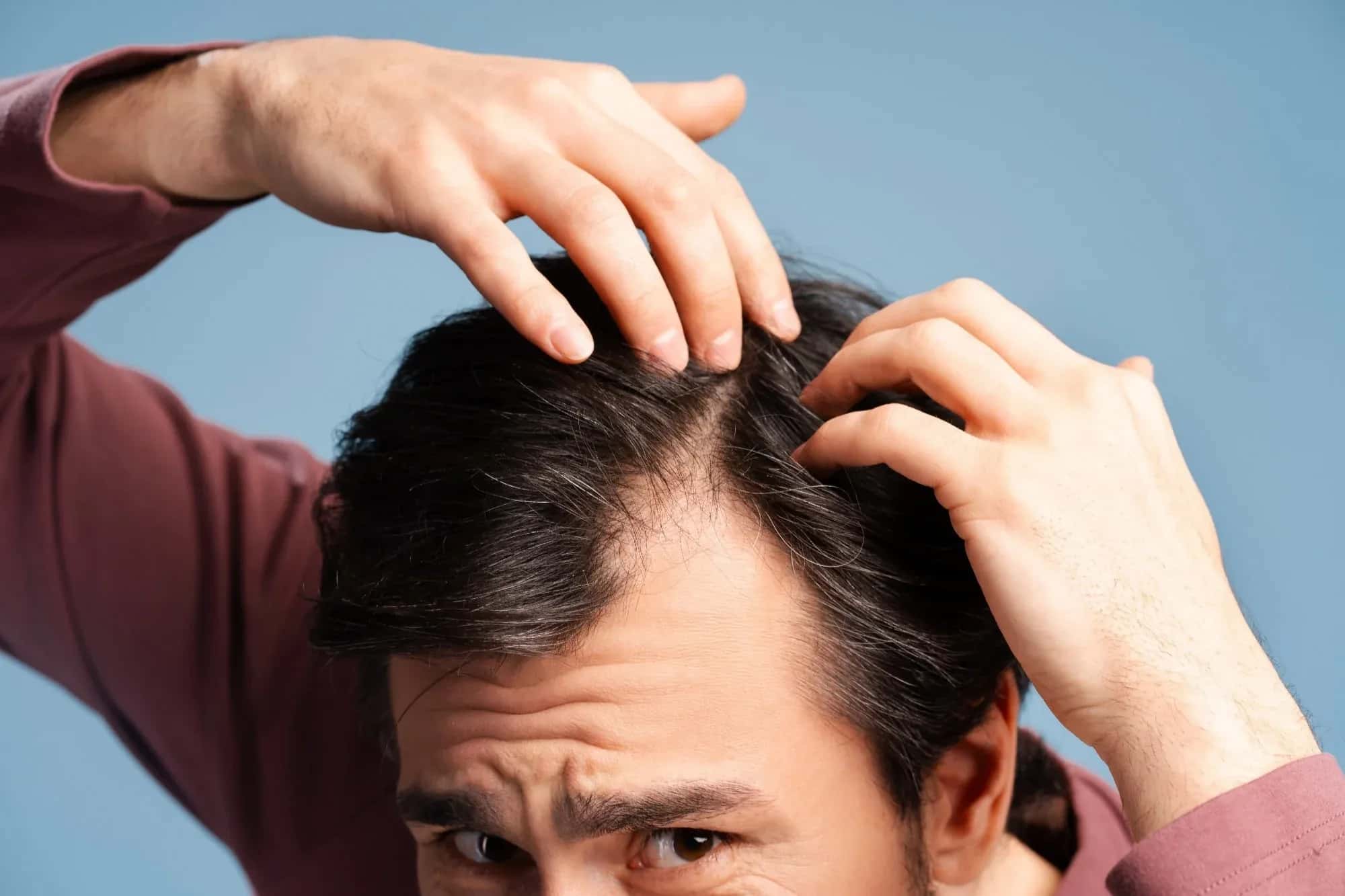
Certain dietary supplements can cause hair loss when taken in excessive amounts, particularly products containing high doses of vitamin A, selenium, or other concentrated nutrients. While supplements can help correct nutritional deficiencies that affect hair growth.
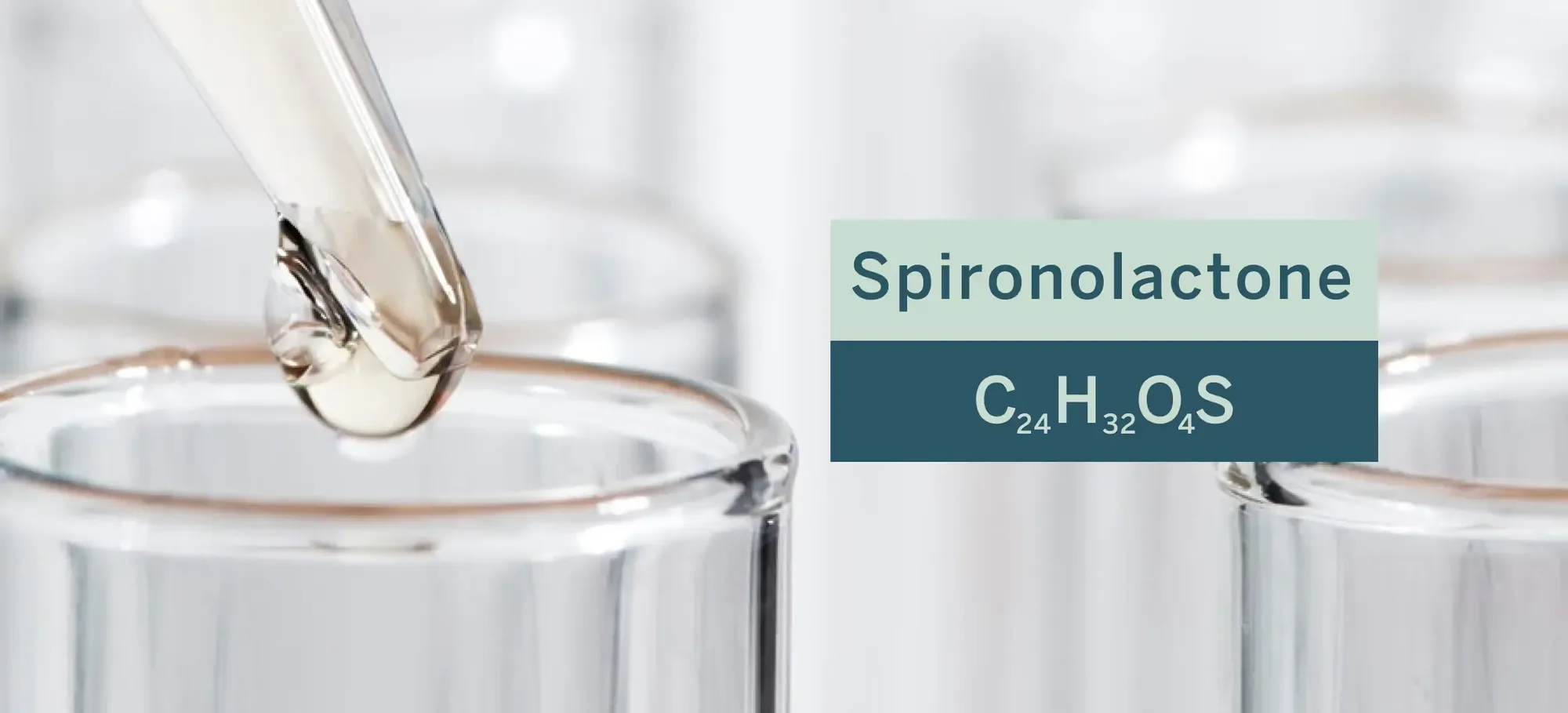
Spironolactone for female hair loss can help slow progressive thinning and improve hair density by reducing the effects of androgens on sensitive hair follicles. Although this prescription medication is not specifically approved for hair loss, clinical research supports its use in selected women.
Subscribe to the Medifinder newsletter and never miss our latest content.