










5 Months After Hair Transplant
See what to expect 5 months after a hair transplant, how the new hairs develop, why density still changes and which aftercare to maintain at this stage.

- Last updated
- 103 reads
- 4 min read



The fifth month after a hair transplant often marks the point where results finally start to become visible. The hardest waiting phase lies behind you, and many people notice a genuine change in the mirror for the first time.
At the same time, this point remains an intermediate stage. The hair is usually still fine, short and unevenly distributed, so the final result cannot be judged yet.
This guide describes what typically happens in month five, why density keeps fluctuating and which aftercare still makes sense at this stage.
How hair typically looks at five months
By month five, considerably more new hairs have usually broken through than in previous months. These hairs often remain thin, short and lighter than the rest of your hair.
You may notice that some areas grow faster than others. The hairline often shows progress earlier, while the part and crown frequently follow more slowly.
Your scalp may still look slightly pink, particularly on lighter skin. This redness usually continues to fade until it disappears entirely.
An uneven, occasionally patchy appearance is normal at this stage and does not signal a failed result.
Why density keeps fluctuating
Transplanted follicles do not enter the growth phase at the same time. Some start early while others stay dormant for several months longer.
Your result therefore builds gradually rather than as a single sheet of coverage. Areas that currently look thin can still fill in noticeably over the coming months.
In addition, the hairs already visible thicken over time. A fine shaft gradually gains diameter and creates a denser look even without new hairs appearing.
For this reason, the visual impression often improves more between month five and month ten than during the preceding months.
Can shedding still occur at this stage?
Yes. Some people still notice a mild loss of individual new hairs during month five.
This process belongs to the natural hair cycle. A weak first shaft can fall out while the follicle then pushes up a stronger one.
Shock loss of native hair can also extend into this period in some cases. It usually recovers once the scalp has fully stabilised.
Sudden, heavy and widespread shedding, by contrast, should be assessed medically.
Which aftercare makes sense at this stage
Your scalp has fully healed by now, so you can return to a normal routine.
Still worthwhile:
-
Regular, gentle washing of the scalp
-
Gentle scalp massage to support circulation
-
Sun protection for the scalp
-
A balanced diet with sufficient protein
-
Treating any confirmed deficiencies
-
Avoiding smoking
-
Adequate sleep and stress management
Continue using harsh dyes, high heat and tight hairstyles sparingly so that you do not strain the new hairs unnecessarily.
Can you cut or colour your hair?
A haircut is usually unproblematic at five months. Many clinics still recommend using scissors rather than clippers over the transplanted area.
Colouring is generally possible once the scalp has fully healed and shows no irritation. Ask your clinic beforehand, as recommendations vary.
Avoid strongly ammoniated products and long processing times if your scalp reacts easily.
A patch test before colouring can help you avoid unexpected reactions.
Accompanying medical treatment
A hair transplant does not stop progressive hair loss. Your non-transplanted hair can continue to thin.
Many specialists therefore recommend accompanying treatment, such as topical or oral therapies where medically indicated.
Do not stop a prescribed treatment on your own because growth is progressing. Stopping can allow the underlying hair loss to accelerate again.
Always discuss any adjustment with your treating clinician.
What you cannot judge at five months
You cannot assess final density or final hair texture at this stage.
The evenness of distribution also continues to change. Areas that look thin now can improve considerably later.
Likewise, it is too early to say whether a second session will be needed. That question is usually discussed meaningfully only after twelve months.
Comparisons with other people's photos help little, because hair texture, colour, graft count and starting point vary widely.
How to document progress usefully
Photographs are the most reliable way to recognise progress.
Use:
-
The same lighting every time
-
The same camera angles
-
Dry, unstyled hair
-
Shots from the front, top and side
-
A regular interval, such as monthly
Checking the mirror daily, by contrast, often creates unnecessary worry, because changes happen very slowly.
When to contact your clinic
Most observations at five months are normal, although certain signs require assessment.
-
Complete absence of growth across a larger area
-
Persistent redness, flaking or itching
-
Recurring painful pustules or cysts
-
Marked new shedding in the donor area
-
Visible scarring or hardening of the scalp
-
Persistent pain or numbness
A review at this stage can also help you place the remaining timeline in realistic terms.
What happens after month five
Between month six and month eight, clearly visible progress usually appears.
The hairs grow thicker, darker and more robust, which increases perceived density. Styling also becomes noticeably easier during this period.
The final result is normally assessed at twelve to eighteen months. With fine or light hair, full maturation can take longer.
Patience therefore remains an important part of the process even after month five.
Frequently asked questions
Is it normal for the result to still look thin at five months?
Yes. The hairs are usually still fine and short at this stage. Density and hair diameter continue increasing over the following months.
Why does one area grow more slowly than another?
Follicles do not enter the growth phase simultaneously. Uneven growth is normal at this stage and often evens out later.
Can I do everything again at five months?
Usually yes. Exercise, swimming, saunas and normal hair care are generally fine unless your clinic advises otherwise.
When can I judge the result?
A meaningful assessment usually comes at twelve months, and sometimes only at eighteen months with fine hair.
- Last updated
- Language
- English
How did you find this article?
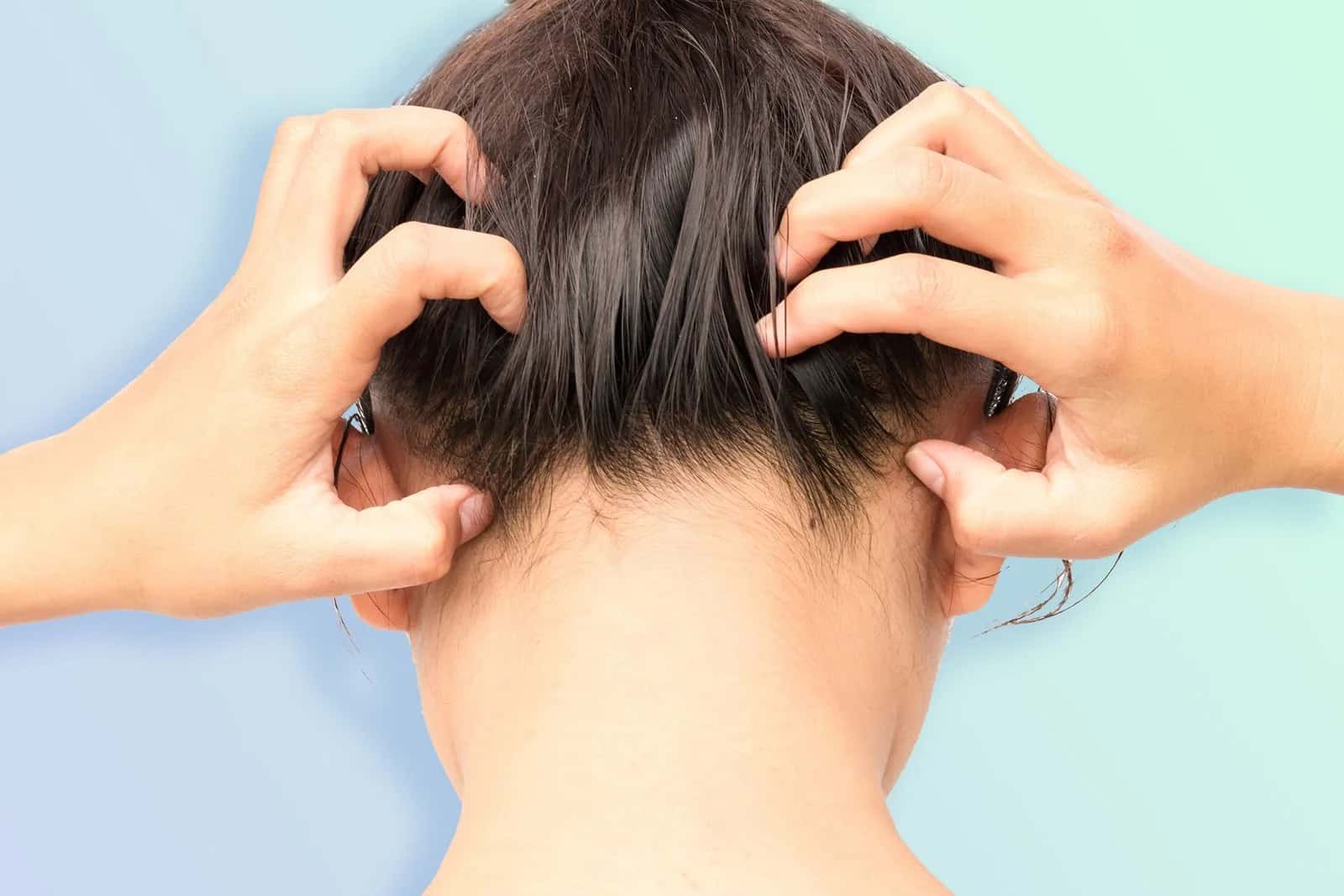
Air conditioning can dry out your scalp by reducing indoor humidity and affecting the skin's ability to maintain adequate moisture. Prolonged exposure to dry, cooled air may contribute to itching, flaking, tightness, and irritation, particularly when the scalp is already sensitive or prone to dryness.

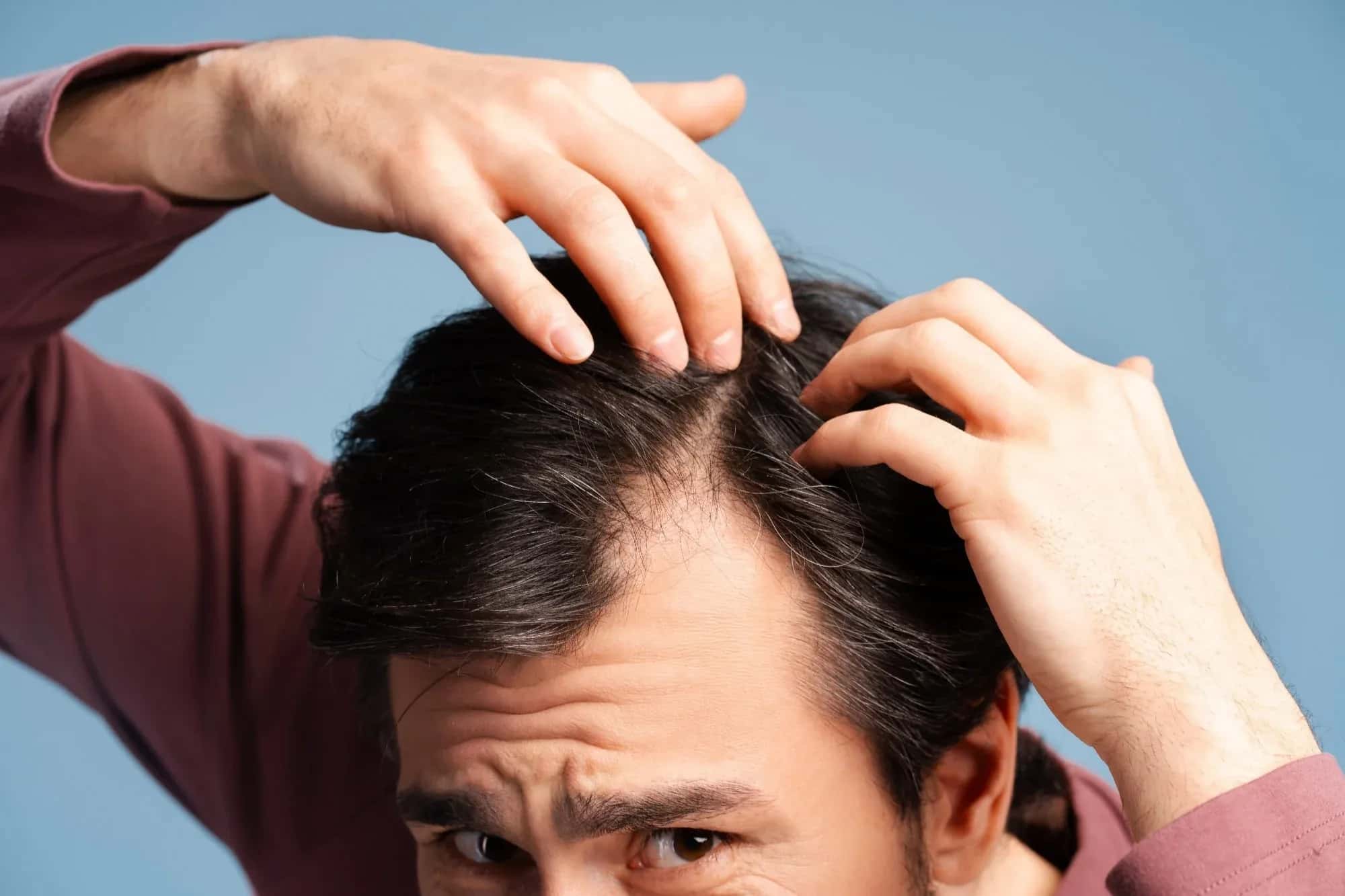
Certain dietary supplements can cause hair loss when taken in excessive amounts, particularly products containing high doses of vitamin A, selenium, or other concentrated nutrients. While supplements can help correct nutritional deficiencies that affect hair growth.
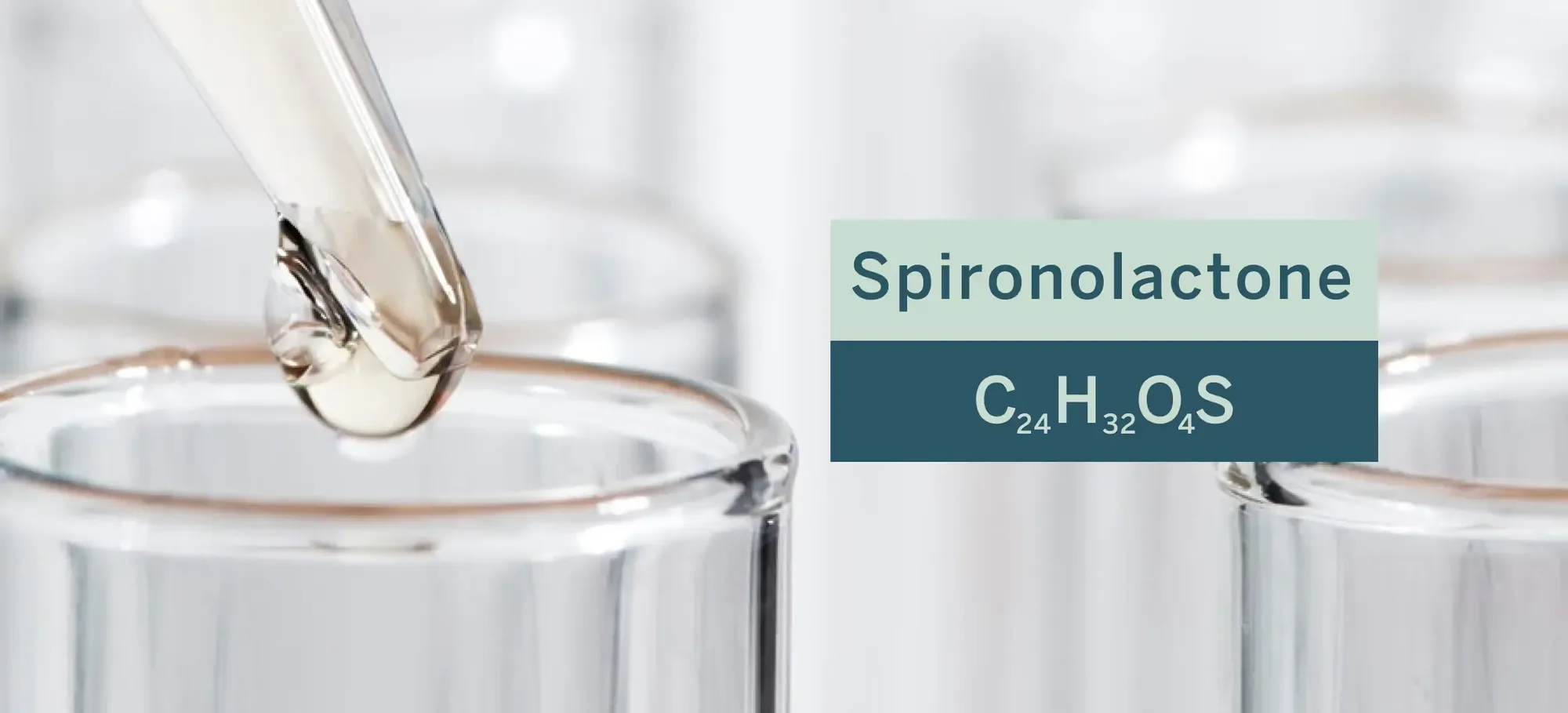
Spironolactone for female hair loss can help slow progressive thinning and improve hair density by reducing the effects of androgens on sensitive hair follicles. Although this prescription medication is not specifically approved for hair loss, clinical research supports its use in selected women.
Subscribe to the Medifinder newsletter and never miss our latest content.