










Hair Implant or Hair Transplant: What Is the Difference and How Does It Work?
Hair implant or hair transplant? Understand the difference between the terms, how the procedure works, which techniques exist and when surgery is indicated.

- Last updated
- 45 reads
- 5 min read
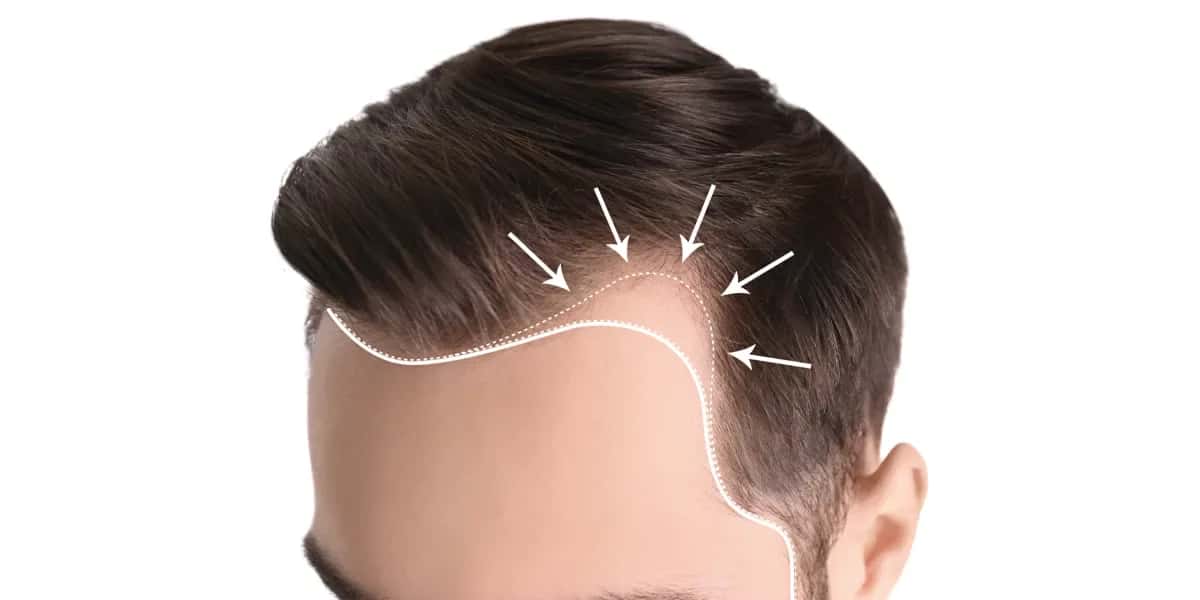


In everyday language, the terms hair implant and hair transplant usually refer to the same procedure. Both describe the surgical process of extracting hair follicles from a donor area and placing them into a thinning or bald region.
The confusion comes mainly from common usage and marketing. Some clinics prefer the word “implant” because it emphasises the placement stage. Others use “transplant”, a term that more accurately describes the movement of living tissue.
You should know that both procedures use your own hair. They do not involve artificial fibres or synthetic materials. The process relocates living, genetically resistant follicles from a safe zone into the area that needs coverage.
Is there a technical difference?
In medical terms, a transplant means transferring living tissue from one part of the body to another. The word therefore describes the whole process accurately.
An implant, by contrast, usually refers in medicine to introducing an artificial material into the body, as with dental or breast implants. Strictly speaking, the term fits less well when a procedure uses your own hair.
In hair surgery practice, many professionals use both words interchangeably. Some reserve “implant” for the specific stage of placing the grafts into the scalp.
You should therefore not rely on terminology when comparing clinics. The technique used, the team’s experience and the quality of aftercare matter far more.
What is a hair transplant?
During a hair transplant, the surgeon extracts follicles from the donor area at the back and sides of the head. This region is called “safe” because its follicles carry genetic resistance to dihydrotestosterone (DHT).
DHT is the hormone responsible for androgenetic alopecia. Because the follicles in this zone remain insensitive to it, they keep growing after being moved to the front.
The procedure only relocates existing hair from one area to another. It does not create new follicles and does not increase your total hair count.
Your donor capacity therefore sets the limit of what you can achieve. If you have a very large bald area and a weak donor reserve, you cannot expect complete coverage.
The main techniques
FUE (follicular unit extraction) is currently the most widely used method. It removes individual follicular units through tiny circular openings, without a linear incision.
Sapphire FUE uses sapphire blades to open the recipient channels. These blades allow more precise incisions and may reduce trauma to the surrounding tissue.
DHI (direct hair implantation) uses a Choi implanter pen to place the graft directly into the scalp. This technique requires no previously opened channels and shortens the time follicles spend outside the body.
FUT, the older strip technique, removes a band of skin from the back of the head. It leaves a linear scar and most modern clinics rarely use it today.
Who is a suitable candidate?
You may be suitable if your hair loss has stabilised and your donor density at the back of the head remains sufficient. Your general health must also allow the procedure.
Male and female pattern hair loss is the most common indication. Scars from accidents, burns or previous surgery can also be treated.
You should approach the procedure with realistic expectations about density. Surgery creates the illusion of fuller hair rather than the density of your youth.
Very young people with rapidly progressing hair loss are often not yet good candidates. In these cases, surgeons usually recommend medical stabilisation first.
How does the procedure work?
The session begins with hairline design and assessment of the donor area. The surgeon then administers local anaesthesia so you remain awake and free of pain throughout.
During the extraction phase, the team removes the follicular units one by one. They examine them under a microscope and keep them in a chilled preservation solution.
Next comes the preparation of recipient sites with the correct angle and growth direction. This step largely determines how natural the final result looks.
Finally, the surgeon implants the grafts individually into the prepared sites. The whole process often takes six to eight hours depending on the number of grafts.
Recovery and first results
Swelling around the forehead and eyes may appear during the first days. Small crusts form around each transplanted unit and fall off between the seventh and tenth day.
You should sleep with your head elevated and avoid any pressure on the recipient area during the first weeks. Pause intense exercise for about two weeks.
Between the second and eighth week, the transplanted shafts often fall out. This phase, known as shock loss, is normal and does not mean the procedure has failed.
New growth usually begins from the third or fourth month. You reach the complete result twelve to eighteen months after surgery.
Possible risks
Like any surgical procedure, a hair transplant carries risks. These include infection, bleeding, folliculitis and altered scalp sensation.
Scarring also remains possible, particularly if the surgeon over-harvests the donor area. FUE may leave tiny white dots, while FUT leaves a linear scar.
Another risk involves an unnatural result caused by an overly straight hairline or incorrect growth angles. Such problems are difficult to correct.
You significantly reduce these risks by choosing a qualified professional and a clinic that follows high hygiene standards.
Complementary treatments
Surgery does not stop the loss of your native hair. Untransplanted hair can continue thinning if you do not use supportive treatment.
Surgeons often recommend topical minoxidil or oral medication to slow progression. These treatments require long-term use.
Some clinics also offer PRP (platelet-rich plasma) to support healing and follicular quality. Results vary from person to person, however.
You should discuss these options before the procedure in order to build a long-term plan. An isolated surgery without a maintenance strategy can create an unnatural appearance years later.
Conclusion
Hair implant and hair transplant describe the same surgical procedure in everyday usage. The technically more accurate term is transplant, because the process moves living tissue taken from your own body.
Your decision should rest on the technique, the surgeon’s experience and the quality of aftercare, not on the wording a clinic uses.
You should also understand that the procedure redistributes existing hair rather than creating new follicles. Your donor capacity determines the achievable result.
An honest consultation with a qualified professional helps you set realistic goals and choose the technique best suited to your case.
- Last updated
- Language
- English
How did you find this article?
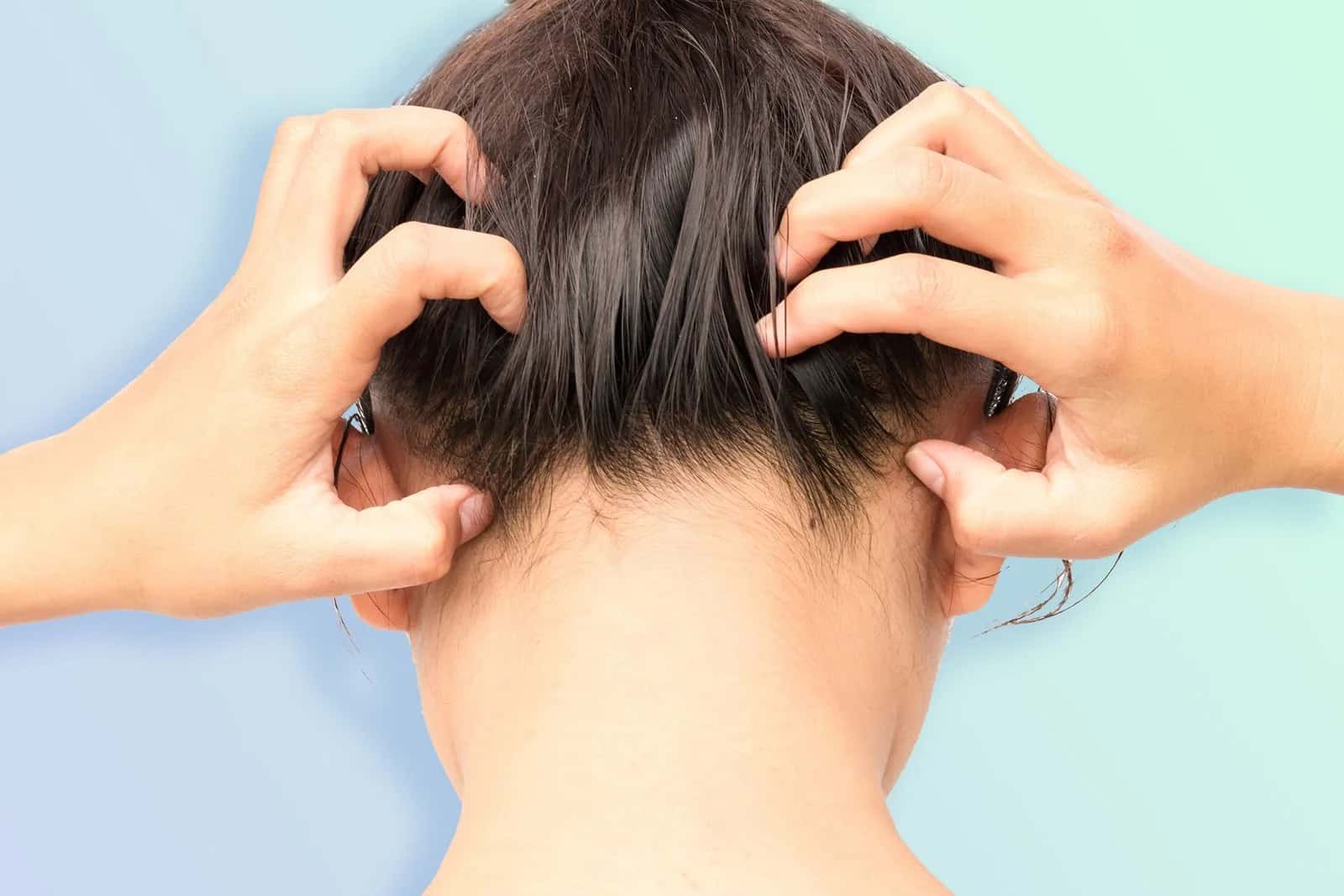
Air conditioning can dry out your scalp by reducing indoor humidity and affecting the skin's ability to maintain adequate moisture. Prolonged exposure to dry, cooled air may contribute to itching, flaking, tightness, and irritation, particularly when the scalp is already sensitive or prone to dryness.

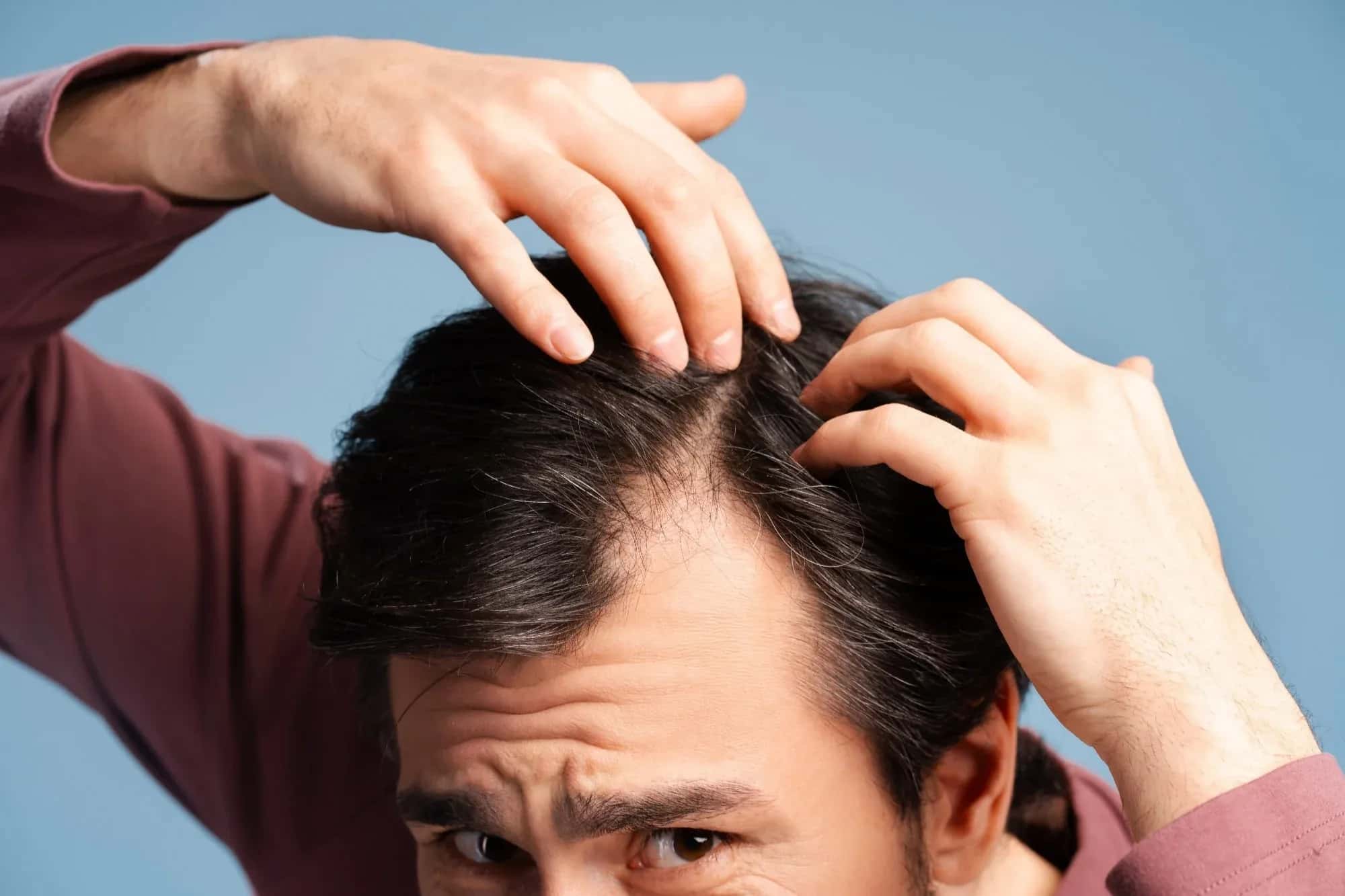
Certain dietary supplements can cause hair loss when taken in excessive amounts, particularly products containing high doses of vitamin A, selenium, or other concentrated nutrients. While supplements can help correct nutritional deficiencies that affect hair growth.
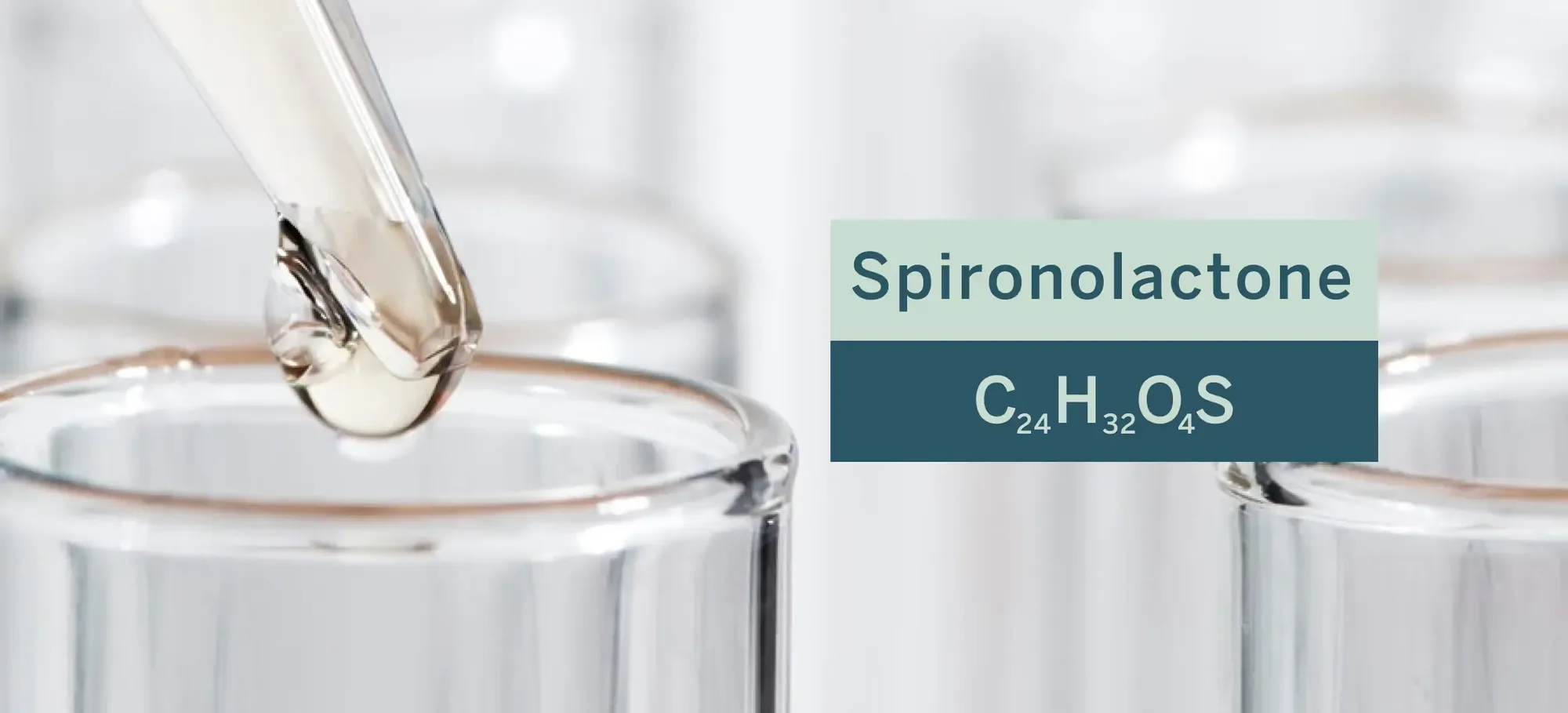
Spironolactone for female hair loss can help slow progressive thinning and improve hair density by reducing the effects of androgens on sensitive hair follicles. Although this prescription medication is not specifically approved for hair loss, clinical research supports its use in selected women.
Subscribe to the Medifinder newsletter and never miss our latest content.