










Hair Transplantation from Back Hair
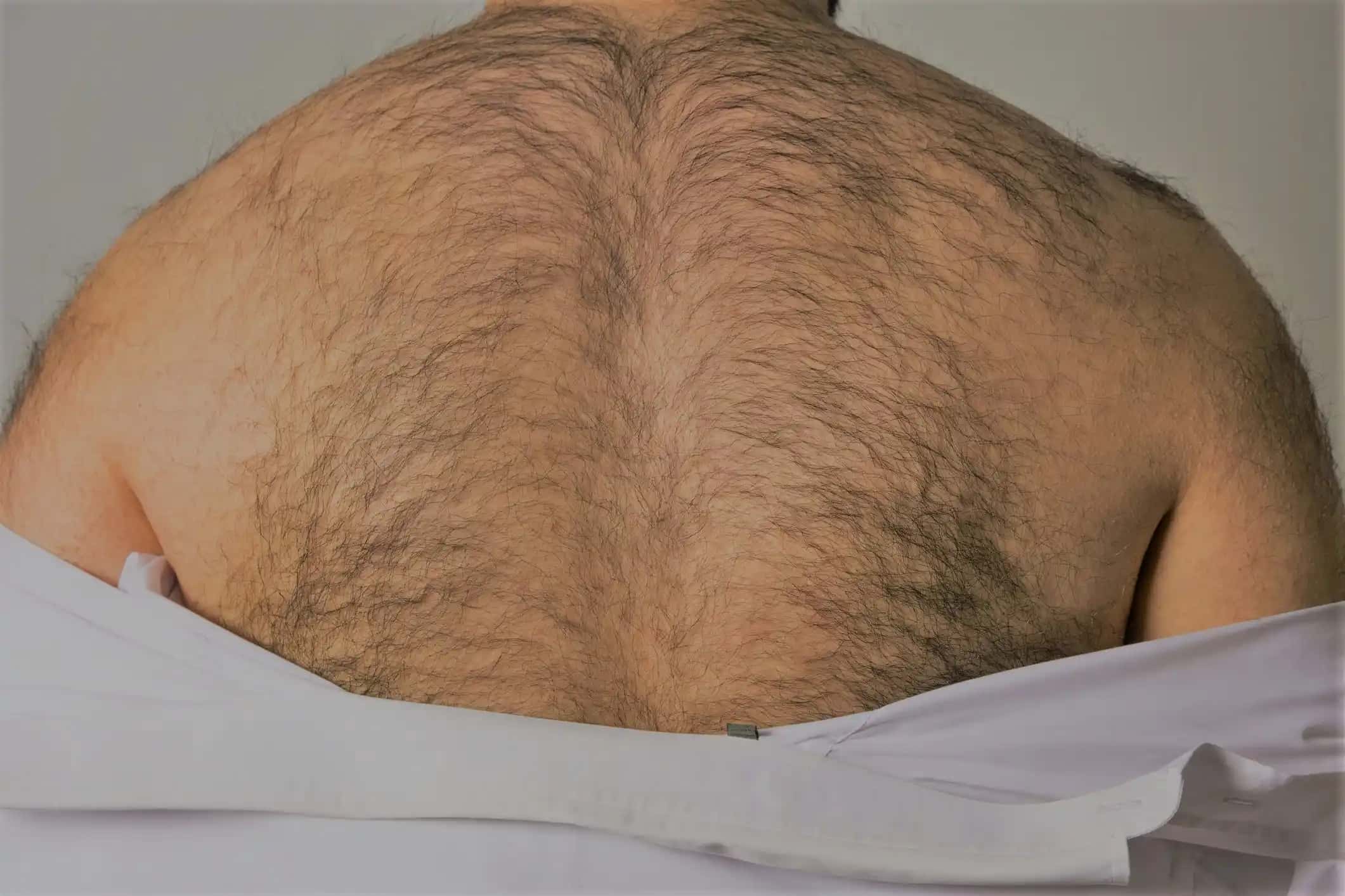
Hair transplantation from back hair is the transplantation of back hair to the scalp when the hair follicles in the nape area are insufficient.

- Last updated
- 198 reads
- 6 min read


What Is Hair Transplantation from Back Hair?
Hair transplantation from back hair is the transplantation of back hair to the scalp when the hair follicles in the nape area are insufficient. This method is generally preferred to provide additional support for individuals with low donor capacity. During the procedure, suitable hair follicles from the back area are carefully extracted using specialized techniques. In this way, the hair transplant procedure aims to create a denser appearance. Since the structure of back hair differs from scalp hair, proper planning is extremely important.
How Is Hair Transplantation from Back Hair Performed?
Hair transplantation from back hair is performed by transferring hair follicles taken from the back area to bald regions.
Before the procedure, the suitable hair follicles in the back area are evaluated in detail and a treatment plan is prepared. Then, local anesthesia is applied and strong hair follicles are individually extracted using special devices. Micro channels are opened according to the natural hair growth direction, and the grafts are carefully placed. In this way, hair transplantation from back hair aims to create a denser appearance. Since the structure of body hair differs from scalp hair, the implantation angle is highly important.
What Should the Implantation Angle Be?
In hair transplantation, the implantation angle should be low and controlled to imitate the natural direction of hair growth.
During the procedure, the channels opened are planned according to the natural growth direction of the hair, and different angles are used depending on the region. Narrower angles are preferred at the frontal hairline, while the natural swirl direction of the crown area is taken into account. In this way, a more natural, symmetrical, and dense appearance can be achieved after hair transplantation. Incorrect implantation angles may cause the hair to appear unnatural and irregular.
The Difference Between Back Hair and Nape Hair
Nape hair is considered the gold standard in hair transplantation. This is because it has a longer growth cycle, adapts better to the scalp, and provides more natural looking results. Back hair, on the other hand, belongs to the body hair group. Its growth period may be shorter, it may not grow as long as scalp hair, and the number of hairs in each graft may vary more compared to the nape area.
This difference directly affects expectations regarding the final result. Hair transplantation performed with nape hair generally provides a more homogeneous appearance. Back hair may provide support when used as an additional donor source; however, it should not always be expected to create a dense and completely natural scalp appearance on its own. Some studies have shown that the graft survival rate of body hair may be lower than scalp hair grafts, meaning the results can vary from person to person.
Who Is Suitable for Hair Transplantation from Back Hair?
- Hair transplantation from back hair may be considered an additional donor source for individuals with a weak nape donor area.
- People who have previously undergone multiple hair transplant procedures and have reduced donor reserves in the nape area may be candidates for this method.
- The likelihood of success is higher in individuals who have thick, dark, and sufficiently dense terminal hair in the back area.
- In individuals with extensive baldness, back hair may be used together with nape hair and sometimes beard hair rather than alone.
- For individuals with high expectations for a natural looking frontal hairline, back hair is generally not preferred as the primary donor source.
Is Back Hair Strong Enough for Hair Transplantation?
When it has a suitable structure, back hair may be strong enough to serve as a supportive donor source for hair transplantation. This method is generally preferred when the hair follicles in the nape area are insufficient and aims to provide additional density. Due to its thick structure, back hair may produce effective results in certain areas. However, since the structure of body hair differs from scalp hair, it may not produce the same result in every individual. Therefore, graft quality, hair density, and growth direction are evaluated carefully.
Can a Natural Appearance Be Achieved?
A natural appearance can be achieved with back hair, but this depends on proper patient selection and accurate transplantation planning. Since the frontal hairline strongly affects facial expression, finer, softer, and naturally angled hairs are needed in this area. Back hair is usually not ideal for the frontal hairline. For this reason, experienced physicians generally use body hair not in the front hairline but in the middle and posterior density areas.
Mixing grafts is an important technique for achieving a natural appearance. While nape hair is used as the main structure, back hair may be added as supportive grafts in between. In this way, the feeling of density on the scalp increases without making the different structure of body hair too noticeable. This method may provide more balanced results, especially in individuals requiring a high number of grafts.
Recovery Process
When grafts are harvested from the back area, healing is monitored not only on the scalp but also in the donor region. During the first days, redness, sensitivity, small crusts, and tiny marks may appear in the harvested area. In most individuals, these symptoms gradually decrease over time. However, since the skin on the back is exposed to friction, clothing choice, hygiene, and the care process are important.
In the transplanted scalp area, crusting, redness, and temporary shedding commonly seen in classic hair transplantation may occur. Some of the transplanted hairs may shed during the first weeks. This is generally considered part of the normal hair transplant cycle. Permanent growth requires several months. The final appearance of body hair grafts may settle more slowly and may develop differently compared to scalp grafts.
Following the physician’s aftercare instructions affects the final result. Avoiding scratching the back area, not picking crusts, and avoiding intense exercise and excessive sweating during the early period support healing.
Risks and Realistic Expectations
Hair transplantation from back hair is a surgical procedure and, like all surgical procedures, carries certain risks. Scarring, discoloration, ingrown hairs, infection, sensitivity, and an uneven appearance may occur in the donor area. In the transplanted area, outcomes such as low graft survival rate, insufficient density, direction problems, or failure to achieve the expected natural appearance may occur.
The most effective way to reduce these risks is choosing the right clinic and an experienced medical team. Body hair transplantation is a more technical procedure compared to standard hair transplantation. The extraction angle of the grafts, storage conditions, implantation direction, and placement areas must all be planned more carefully. Medical publications also emphasize that the FUE technique makes the use of body hair possible, but proper patient selection is the determining factor.
Realistic expectations are the most important part of this method. The goal with back hair is usually not perfect density but better coverage and a more balanced appearance. Especially in individuals with extensive hair loss, achieving the desired result in a single session may not be possible. Multiple sessions, combination transplantation, or the use of different donor areas together may be necessary.
Can Hair Be Taken from the Back for Hair Transplantation?
In hair transplantation, when the donor area is insufficient, hair can be harvested from the back and transplanted into bald areas.
This method is generally preferred when the hair follicles in the nape area cannot provide sufficient density. During the procedure, strong hair follicles from the back area are carefully extracted using specialized techniques. They are then placed into the opened micro channels according to the natural direction of hair growth.
Is Hair Transplantation from Back Hair Possible?
Hair transplantation from back hair is possible in certain situations. In individuals with insufficient donor scalp hair, hair from the back area may be used as an alternative donor source. This method is generally performed within the scope of body hair transplantation and requires careful planning. However, since back hair is finer and structurally different from scalp hair, the results may be limited in terms of achieving a completely natural appearance.
- Last updated
- Language
- English
How did you find this article?
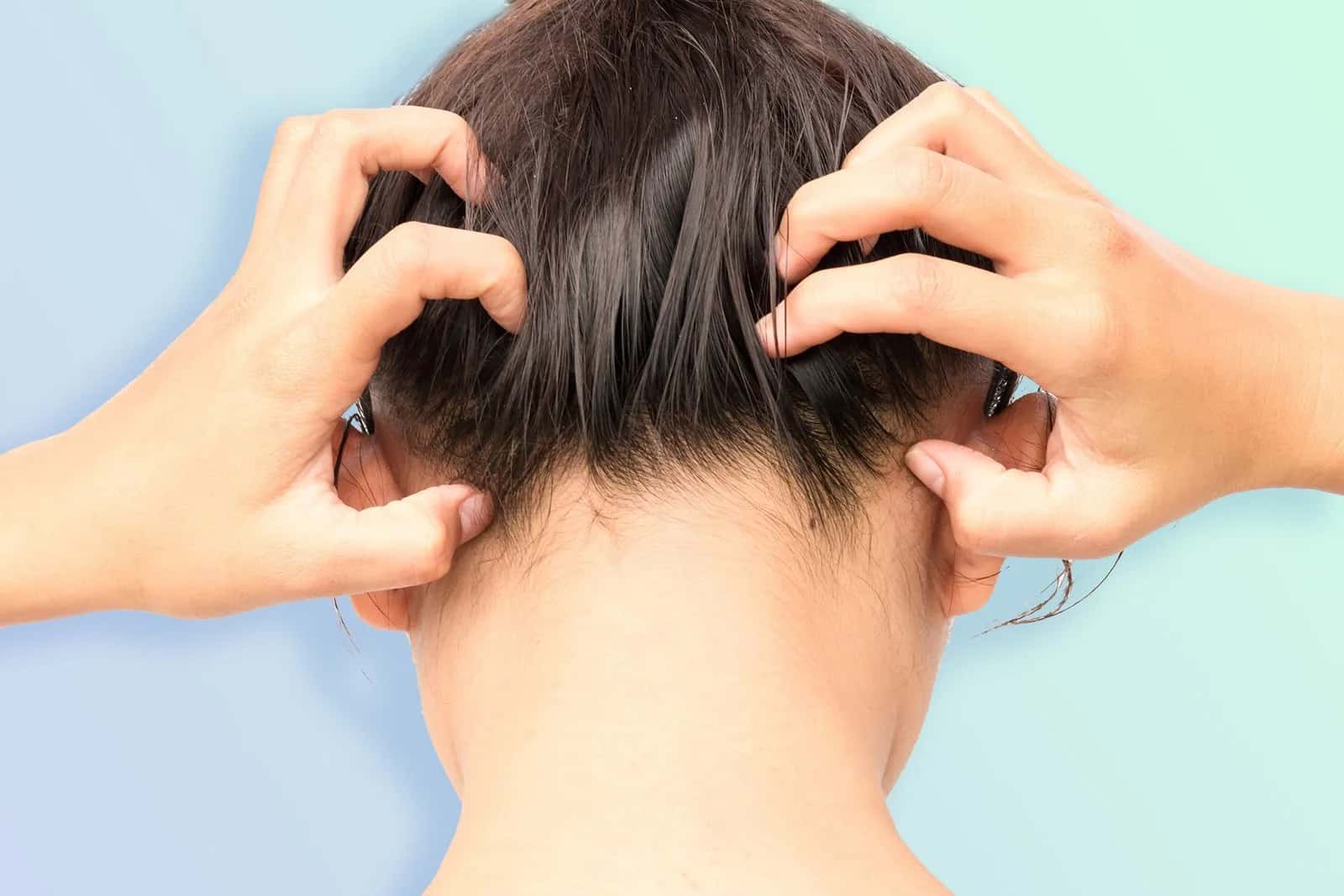
Air conditioning can dry out your scalp by reducing indoor humidity and affecting the skin's ability to maintain adequate moisture. Prolonged exposure to dry, cooled air may contribute to itching, flaking, tightness, and irritation, particularly when the scalp is already sensitive or prone to dryness.

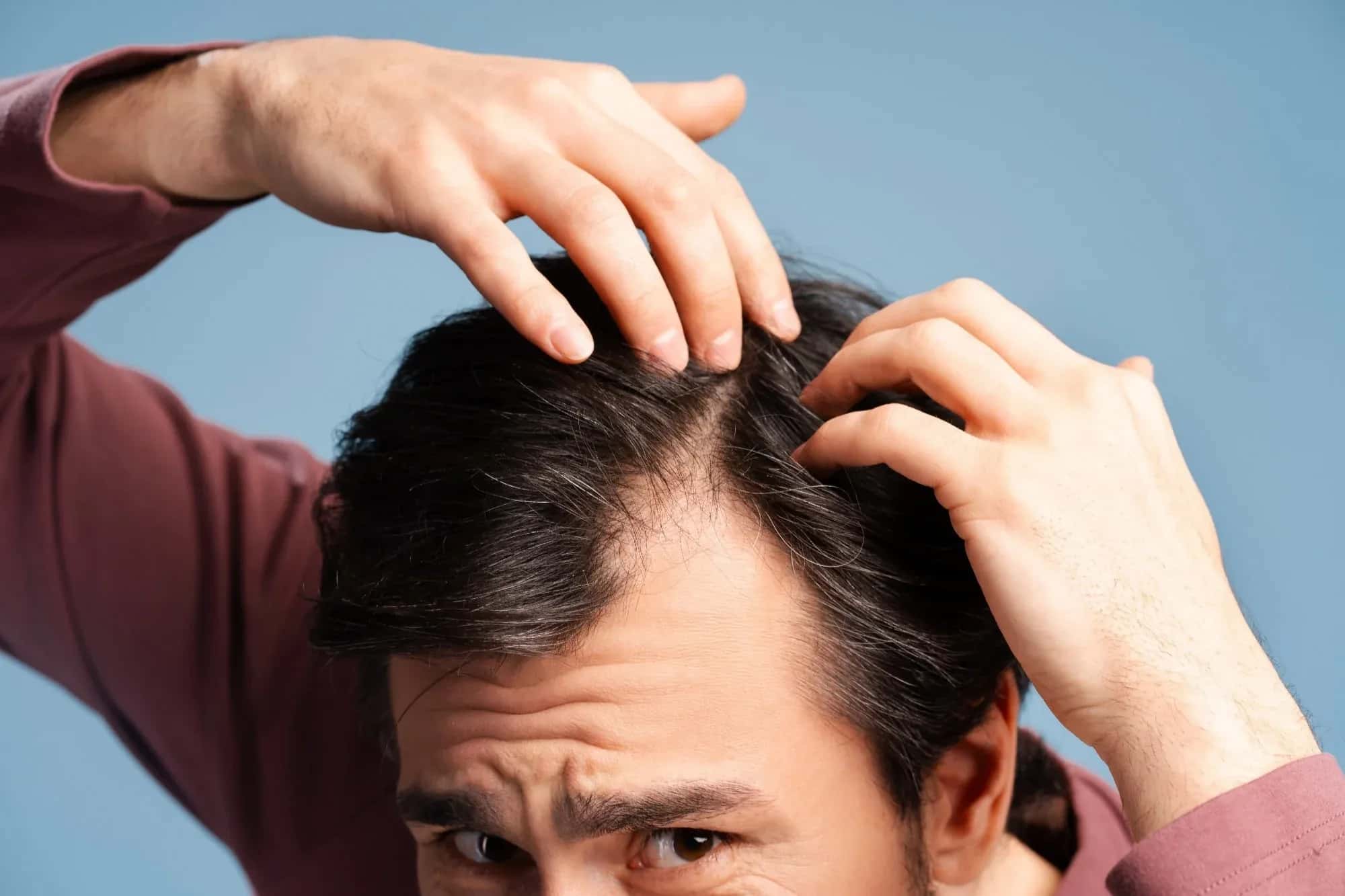
Certain dietary supplements can cause hair loss when taken in excessive amounts, particularly products containing high doses of vitamin A, selenium, or other concentrated nutrients. While supplements can help correct nutritional deficiencies that affect hair growth.

Spironolactone for female hair loss can help slow progressive thinning and improve hair density by reducing the effects of androgens on sensitive hair follicles. Although this prescription medication is not specifically approved for hair loss, clinical research supports its use in selected women.
Subscribe to the Medifinder newsletter and never miss our latest content.