










Hair Transplant Scabs
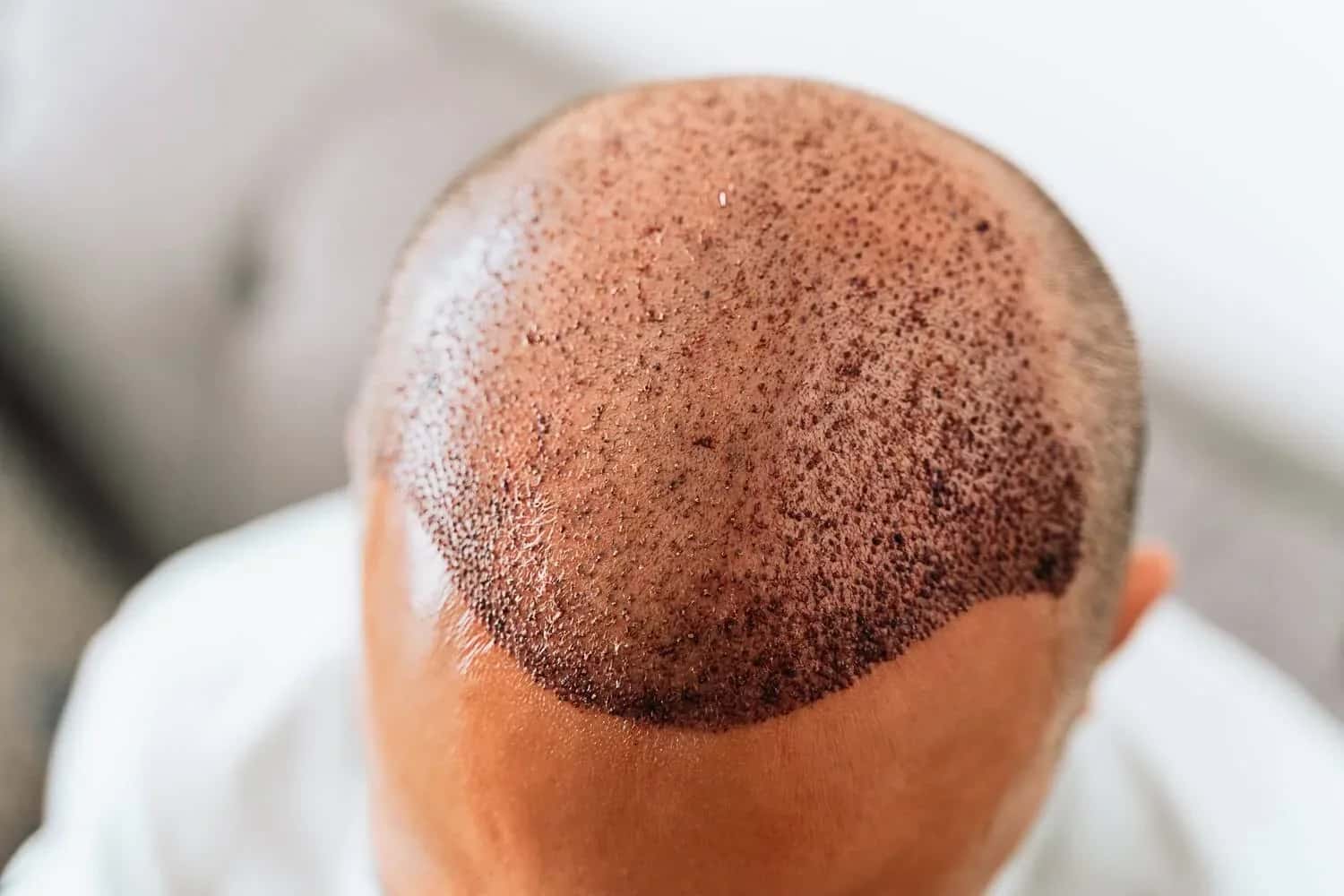
Hair transplant scabs are small crusts that form around implanted grafts during early healing. They usually contain dried blood, plasma, and skin fluid from the tiny implantation sites.

- Last updated
- 226 reads
- 7 min read


What are hair transplant scabs?
Hair transplant scabs are small protective crusts that form around the transplanted grafts during the healing process. They develop as tiny amounts of blood, plasma, and tissue fluid dry on the scalp after surgery. In most cases, scabs begin to form within the first few days after a hair transplant and naturally fall off within **7 to 14 days** with proper washing and aftercare.
Although hair transplant scabs are a normal part of recovery, they should never be picked or scratched. Removing them too early can irritate the scalp and may affect newly transplanted grafts before they become securely anchored. Instead, follow your surgeon's washing instructions, use the recommended shampoo, and gently massage the scalp only when advised. Regular cleansing helps soften the scabs so they detach naturally.
The amount of scabbing varies from person to person. Factors such as skin type, the number of grafts transplanted, and adherence to post-operative care can influence how long scabs remain. If scabs persist beyond two weeks, become increasingly painful, produce pus, or are accompanied by significant redness or swelling, contact your hair transplant clinic for evaluation, as these symptoms may indicate a complication requiring medical attention.
Why do scabs form after a hair transplant?
Scabs form because each extraction and implantation site creates a very small wound in the skin.
Blood and tissue fluid reach these openings immediately after the procedure. They then dry on the surface and create protective crusts. This process supports early wound closure and limits external irritation. The number of scabs often reflects the treated area and number of grafts. Dry skin can make them appear thicker or more visible. Heavy bleeding may also increase crust formation. However, normal scabbing does not indicate poor surgical work. Gentle washing and correct hydration usually help the crusts soften gradually.
When do hair transplant scabs appear?
Hair transplant scabs usually appear during the first one to three days after the procedure.
They may become more noticeable as the treated area dries. Small red points often develop into brown or yellowish crusts. The appearance can differ between the donor and recipient areas. Recipient scabs usually surround the newly implanted hairs. Donor scabs appear where individual follicles were extracted. Mild swelling or redness may occur during the same period. These changes should gradually improve rather than intensify. You should avoid covering the area with unsuitable hats or fabrics. Friction during this stage can disturb healing skin.
How long do hair transplant scabs last?
Hair transplant scabs usually loosen and disappear within seven to fourteen days after surgery.
The exact timing depends on your healing response and washing routine. Some crusts soften earlier, while thicker areas may need several additional days. Clinics often provide a specific schedule for washing and gentle removal. Following that schedule helps prevent unnecessary irritation. Scabs should become smaller and less firmly attached over time. They should not remain unchanged for several weeks. Persistent crusting may reflect dryness, inadequate washing, or another scalp problem. Contact your clinic when the expected healing timeline differs significantly from your instructions.
How should you wash hair transplant scabs?
You should wash hair transplant scabs gently using the method and products recommended by your clinic.
Early washing usually avoids strong water pressure and direct rubbing. Many clinics suggest applying foam or lotion before rinsing carefully. This step can soften crusts without pulling the grafts. Use lukewarm water because very hot water may irritate healing skin. Pat the area carefully rather than wiping it with a towel. Fingernails should never touch the recipient area. Washing frequency varies between clinics and procedures. Therefore, your personalised instructions should guide the routine. Correct washing keeps the scalp cleaner and supports gradual scab removal.
When can hair transplant scabs be removed?
Hair transplant scabs can usually be removed gently after the grafts have stabilised sufficiently.
Many clinics begin controlled removal around the seventh to tenth day. However, the exact timing depends on the surgical technique and healing progress. Scabs should first soften through regular washing or prescribed lotion. Gentle circular movements may then help release loosened crusts. You should never force a scab that remains firmly attached. Early aggressive removal can cause bleeding and skin irritation. Delayed removal may also increase itching and residue. Follow the clinic’s schedule because graft stability develops gradually during the first days.
Can you pick or scratch hair transplant scabs?
You should not pick or scratch hair transplant scabs because doing so may damage healing skin.
Fingernails can lift crusts before the underlying tissue is ready. This action may cause bleeding, inflammation, or accidental graft disturbance. Scratching also transfers bacteria from the hands to sensitive scalp areas. Itching can make restraint difficult during the first week. Gentle tapping near the area may feel safer than scratching. Your clinic may also recommend suitable moisturising or washing methods. Avoid applying unapproved oils, creams, or sprays. Persistent or severe itching should be discussed with the treating team.
What happens if hair transplant scabs fall off early?
Scabs falling off naturally during washing usually cause no problem when bleeding and pain are absent.
Some crusts loosen earlier because they were small or lightly attached. A visible hair may also remain inside the fallen scab. This does not automatically mean the follicle was removed. Transplanted hairs can shed while the follicle stays beneath the skin. Concern increases when early scab loss causes fresh bleeding. Bleeding may indicate that healing tissue was disturbed. You should avoid repeatedly checking or touching the area. Send clear photographs to your clinic when you notice bleeding, pain, or a visible tissue fragment.
What if hair transplant scabs remain after ten days?
Scabs remaining after ten days may still be normal, but they should usually be softening and decreasing.
Thicker crusts can persist longer in dry or densely treated areas. Incomplete washing may also delay their release. You should not respond by scraping them aggressively. Instead, follow the clinic’s approved softening and washing process. Gentle massage may be allowed once graft stability is confirmed. Persistent scabs can trap oil and cause additional itching. They may also hide redness or irritation underneath. Contact your clinic when crusts remain firmly attached beyond the expected period. The team can adjust your aftercare safely.
How can you distinguish a scab from a lost graft?
A scab is usually a dry crust, while a lost graft may include tissue and fresh bleeding.
Many fallen scabs contain short hair shafts, which can look alarming. However, seeing a hair inside a crust does not prove follicle loss. The visible hair may shed while the root remains within the scalp. A dislodged graft is more likely during the earliest recovery period. It may appear as a small tissue piece rather than a simple dry flake. Fresh bleeding can also accompany true displacement. Avoid squeezing or examining the fragment closely. Your clinic can assess photographs and explain whether further action is necessary.
Is itching around hair transplant scabs normal?
Mild itching around hair transplant scabs is normal during the healing process.
It often develops as the skin dries and small wounds begin closing. The sensation may increase when crusts become tight or start loosening. However, scratching can irritate the scalp and damage healing areas. Regular washing may reduce dryness and remove residue. Your clinic may recommend a suitable spray or moisturising product. You should use only products approved for transplanted skin. Severe itching with spreading redness may indicate irritation or infection. Contact the clinic when itching becomes painful, persistent, or associated with discharge.
Can hair transplant scabs become infected?
Hair transplant scabs can become infected when bacteria enter irritated or poorly healing skin.
Normal scabs usually remain dry and become smaller over time. Infection may cause increasing redness, warmth, swelling, pain, or unpleasant discharge. Fever or worsening tenderness also requires prompt medical attention. Picking, scratching, and using contaminated products can increase risk. Poor hygiene may contribute when washing instructions are ignored. However, excessive washing can also irritate the treated area. You should maintain the balanced routine recommended by your clinic. Do not apply antibiotics or antiseptics without professional guidance. Early assessment can prevent a minor problem from becoming more serious.
Do hair transplant scabs affect hair growth?
Normal hair transplant scabs do not usually prevent future growth when healing progresses without complications.
They form above the implantation sites and protect the skin during early recovery. The follicles remain beneath the surface as the crusts gradually loosen. Problems may occur when scabs are removed forcefully or become infected. Aggressive rubbing can irritate tissue and disturb recently placed grafts. Thick crusting may also delay comfortable washing. However, visible scabs alone do not predict a poor result. Hair growth depends more on graft survival, surgical technique, and biological healing. Final growth should be assessed over several months, not during scab formation.
How can excessive scabbing be reduced?
Excessive scabbing can be reduced through correct washing, gentle hydration, and strict adherence to aftercare instructions.
The scalp should not remain heavily coated with dried blood or product residue. Approved foam or lotion can help soften crusts before rinsing. Adequate fluid intake may also support general recovery. You should avoid hot water, strong shampoo, and direct shower pressure. Smoking can negatively affect circulation and wound healing. Touching the scalp repeatedly may also increase irritation. Do not apply cosmetic oils or thick creams without approval. When crusting appears unusually heavy, your clinic should review photographs and recommend specific care.
- Last updated
- Language
- English
How did you find this article?
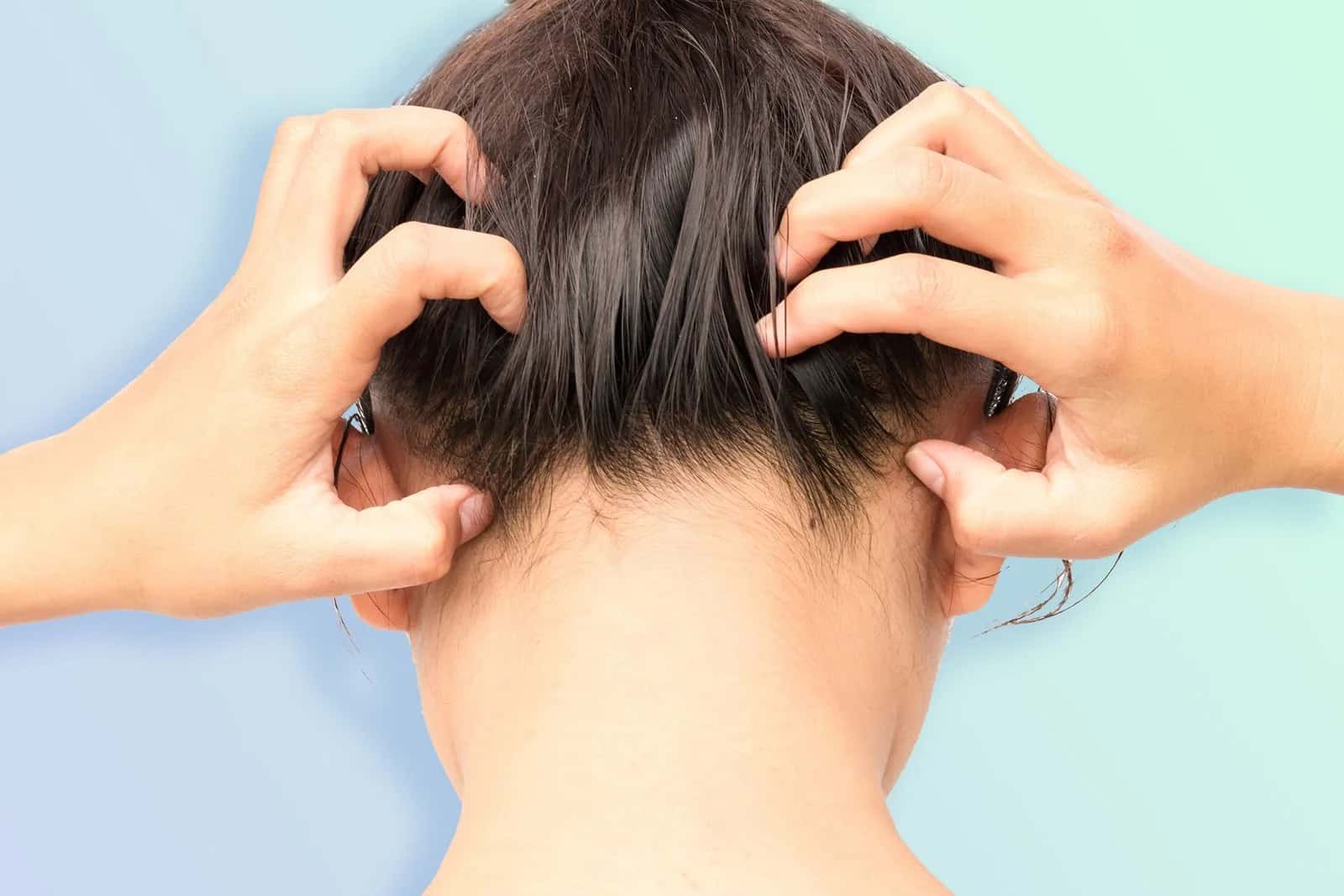
Air conditioning can dry out your scalp by reducing indoor humidity and affecting the skin's ability to maintain adequate moisture. Prolonged exposure to dry, cooled air may contribute to itching, flaking, tightness, and irritation, particularly when the scalp is already sensitive or prone to dryness.
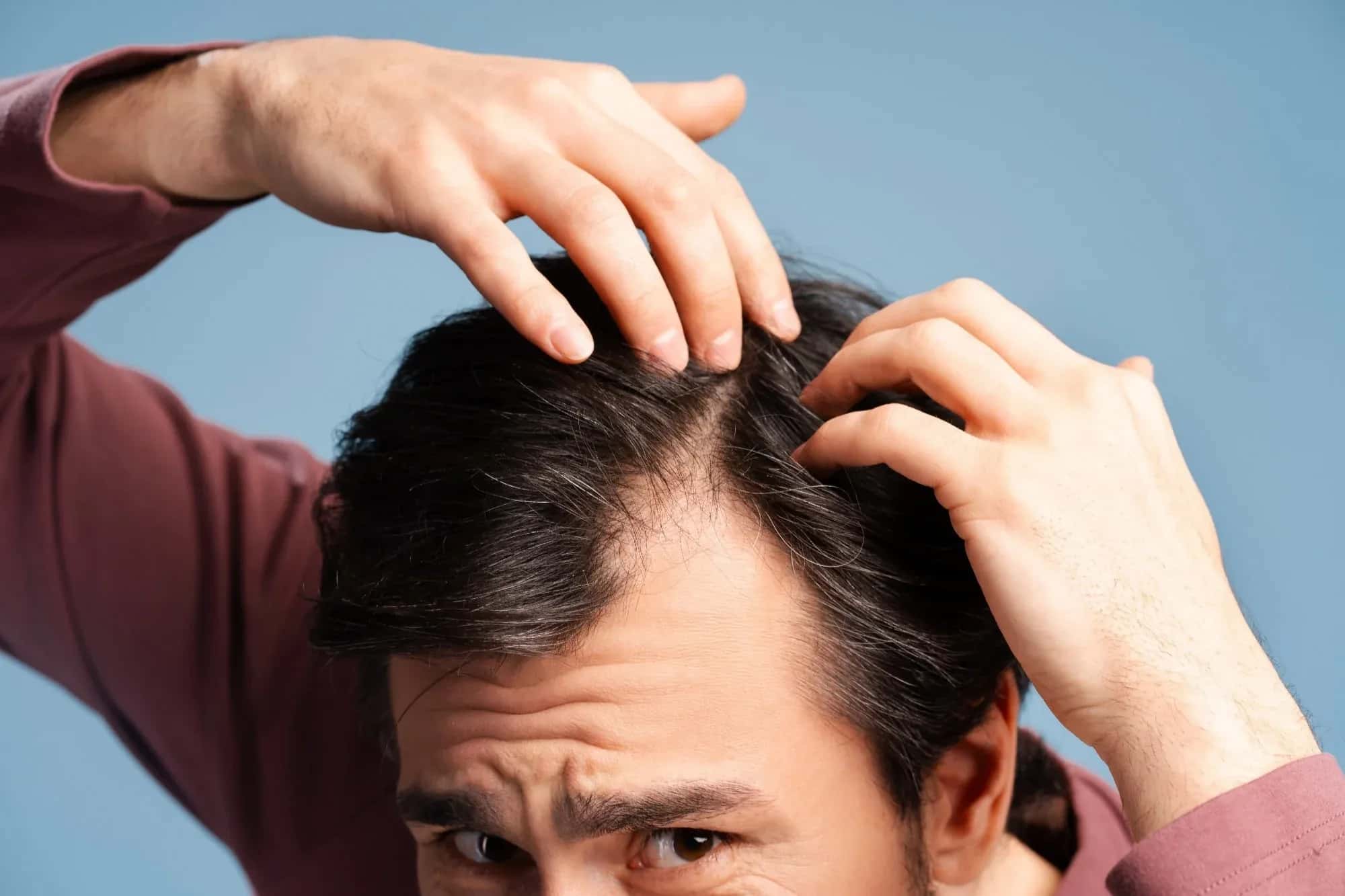
Certain dietary supplements can cause hair loss when taken in excessive amounts, particularly products containing high doses of vitamin A, selenium, or other concentrated nutrients. While supplements can help correct nutritional deficiencies that affect hair growth.
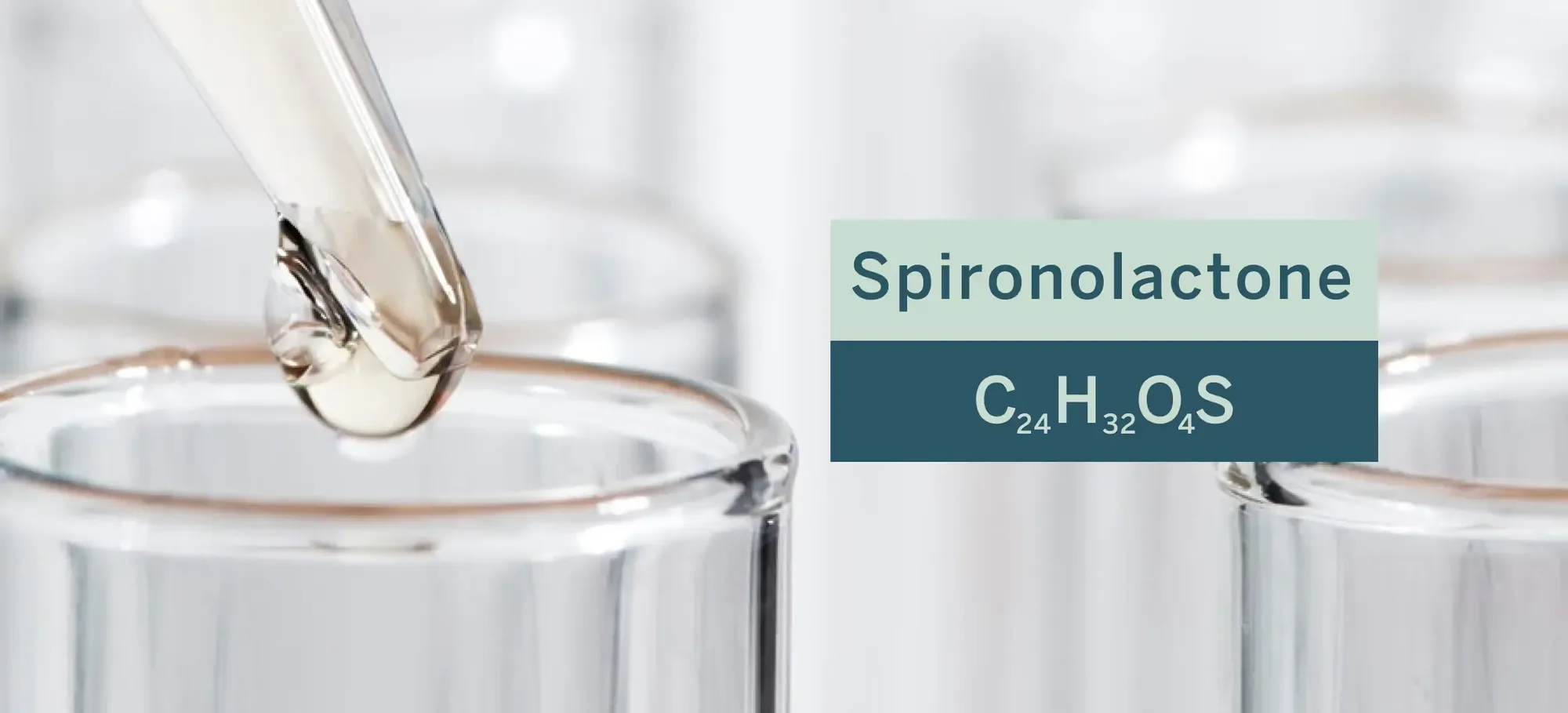
Spironolactone for female hair loss can help slow progressive thinning and improve hair density by reducing the effects of androgens on sensitive hair follicles. Although this prescription medication is not specifically approved for hair loss, clinical research supports its use in selected women.
Subscribe to the Medifinder newsletter and never miss our latest content.