










Applications of Exosome Therapy
Explore the potential applications of exosome therapy in hair loss, skin care, wound healing, joint disorders and regenerative medicine, including benefits, risks and limitations.

- Last updated
- 116 reads
- 9 min read


Exosome therapy has attracted considerable attention in regenerative medicine, dermatology, hair restoration and aesthetic care. Clinics sometimes present it as a treatment that can support tissue repair, improve skin quality or encourage hair growth. Scientific researchers are also investigating exosomes as drug-delivery tools and as potential therapies for inflammatory, neurological and cardiovascular conditions.
Despite this interest, an important distinction must be made at the beginning: most therapeutic uses of exosomes remain experimental. Early laboratory findings and small clinical studies may appear promising, but they do not prove that every product marketed as an exosome treatment is safe, effective or properly manufactured. In the United States, there are currently no FDA-approved exosome products for treating diseases or medical conditions.
If you are considering exosome therapy, you should therefore look beyond promotional claims. The source of the product, manufacturing standards, method of administration, scientific evidence and regulatory status all matter.
What Are Exosomes?
Exosomes are extremely small membrane-bound particles released by many types of cells. They form part of the body’s communication system, carrying substances such as proteins, lipids and genetic material from one cell to another.
Because their contents reflect the cells from which they originate, exosomes may influence inflammation, tissue repair, immune responses and cell behaviour. Researchers are exploring whether these natural communication particles can be isolated, purified and used to deliver beneficial signals to damaged tissues.
Exosomes are often associated with stem cells, but they are not stem cells themselves. They do not contain a nucleus and cannot reproduce like living cells. Instead, they carry biological messages produced by their source cells.
This cell-free structure is one reason exosomes are being studied as an alternative to certain cell-based approaches. However, it does not make them automatically risk-free. Their effects depend on their source, contents, preparation, purity, dose and route of administration.
Why Is Exosome Therapy Receiving So Much Attention?
Many regenerative treatments aim to influence the environment surrounding damaged or ageing tissues. Scientists have observed that some of the effects attributed to stem cells may result from the signals those cells release rather than from the cells permanently replacing damaged tissue.
Exosomes may carry some of those signals. In theory, a carefully prepared product could support communication between cells without requiring the administration of whole living cells.
They are also small enough to be investigated as carriers for medicines and biological molecules. Researchers are studying whether exosomes could deliver therapeutic substances to selected tissues while limiting exposure elsewhere in the body.
The difficulty lies in turning this scientific concept into a consistent treatment. Exosome products can differ substantially depending on the source cells, culture conditions, isolation method, storage process and quality controls. Standardised manufacturing and reliable characterisation remain major challenges.
Exosome Therapy for Hair Loss
Hair restoration is among the most heavily promoted applications of exosome therapy. Products may be applied to the scalp after microneedling or injected into areas affected by thinning.
The proposed aim is to influence the environment around hair follicles. Exosome contents may potentially affect inflammation, blood-vessel activity and signalling pathways involved in the hair-growth cycle.
Research is particularly focused on androgenetic alopecia, commonly known as male or female pattern hair loss. Clinical trials are evaluating whether exosome-based formulations can improve hair density, shaft thickness or patient-reported appearance. These investigations show that the field is active, but they also confirm that the treatment is still being tested rather than established as a universally accepted replacement for proven hair-loss therapies.
You should receive a proper diagnosis before considering scalp injections. Hair thinning can result from genetic factors, hormonal changes, nutritional problems, autoimmune disease, medication use or scarring conditions. Applying an experimental product without identifying the cause may delay appropriate treatment.
Skin Rejuvenation and Cosmetic Dermatology
Exosomes are also promoted for improving skin texture, fine lines, pigmentation and overall appearance. In aesthetic settings, they may be applied after laser treatment, radiofrequency procedures or microneedling.
The proposed benefit is based on their potential role in cell communication, collagen-related activity and inflammatory regulation. Some studies suggest that exosome-containing preparations may support skin recovery and improve certain measures of skin quality.
However, cosmetic exosome therapy is not one standardised procedure. Products may come from different biological sources and contain different concentrations of extracellular vesicles. Some preparations advertised as “exosome serums” may also contain growth factors, peptides and other ingredients, making it difficult to determine which component produced a visible change.
Reviews of cosmetic dermatology research describe possible applications in skin regeneration, photodamage, scar prevention and recovery after procedures. At the same time, they emphasise the need for stronger human trials and more consistent manufacturing methods.
Wound Healing
Wound healing is another significant research area. Exosomes derived from certain cell types may influence inflammation, new blood-vessel formation and the behaviour of cells involved in tissue repair.
Researchers are investigating their possible role in diabetic wounds, surgical wounds, burns and other injuries that are slow to heal. Experimental delivery methods include topical preparations, gels, dressings and injections around the affected tissue.
The concept is promising because chronic wounds often remain trapped in an inflammatory state and fail to progress through normal healing stages. A biological product capable of modifying that environment could have clinical value.
Most evidence, however, still comes from laboratory studies, animal models and early clinical investigation. Questions remain about the correct dose, timing, delivery method and long-term safety. Exosome therapy should not replace established wound management, which may include infection control, pressure relief, circulation assessment, blood-sugar management and appropriate dressings.
Scars and Recovery After Skin Procedures
Because exosomes are being investigated for wound repair, they have also attracted interest in scar management. Possible applications include acne scars, surgical scars and recovery following resurfacing procedures.
In aesthetic practice, an exosome preparation may be applied after controlled skin injury created by microneedling or laser treatment. The aim is to support recovery while reducing redness and downtime.
You should remember that applying a product to intact skin is different from placing it over skin whose protective barrier has been disrupted. Microneedling and laser procedures may increase penetration, but they may also increase the consequences of contamination or poor product quality.
The treatment environment, sterile technique and product traceability are therefore essential. A preparation labelled for research or topical cosmetic use should not automatically be assumed suitable for injection or application to freshly treated skin.
Joint and Cartilage Disorders
Exosome-based products are being investigated for osteoarthritis and cartilage damage, particularly in the knee. Researchers are interested in whether exosomes derived from mesenchymal stromal cells can influence inflammation and the balance between cartilage breakdown and repair.
Small early-stage trials are assessing injections into arthritic joints. These studies generally focus first on safety and tolerability before attempting to determine whether the treatment improves pain, movement or cartilage-related outcomes.
This research should not be interpreted as proof that commercially offered exosome injections can regrow cartilage. Osteoarthritis is a complex condition influenced by age, previous injury, body weight, joint alignment and activity level.
Established care may include exercise therapy, weight management, pain control and, in selected cases, surgery. You should be cautious when a clinic promises cartilage regeneration based on a single injection or presents an investigational product as a guaranteed alternative to conventional care.
Inflammatory and Autoimmune Conditions
Exosomes may carry signals that increase or reduce immune activity. This has led researchers to study them in inflammatory disorders and autoimmune diseases.
Potential targets include conditions affecting the skin, joints, digestive system and other organs. Exosomes derived from selected cell types may theoretically reduce excessive inflammatory signalling or encourage tissue repair after inflammation.
The same biological complexity that creates therapeutic potential also creates risk. An exosome preparation could contain molecules that behave differently depending on the recipient, the source cells and the disease environment. Scientists still need to determine how these products are distributed, how long their effects last and whether repeated exposure creates unexpected immune consequences.
Current evidence supports continued research rather than broad routine use for inflammatory disease.
Neurological Conditions
Researchers are examining whether exosomes could be useful in neurological medicine because they may act as biological messengers and potential drug-delivery vehicles.
Experimental work includes stroke, traumatic brain injury, spinal cord injury and neurodegenerative conditions. Possible goals include reducing damaging inflammation, supporting nerve-cell survival or delivering therapeutic molecules more effectively.
Neurological disorders are particularly challenging because substances must reach delicate and protected tissues. Exosomes may offer interesting delivery possibilities, but moving from animal studies to safe and effective human treatment is difficult.
You should be sceptical of clinics offering exosome therapy as a proven cure for neurological diseases. Serious conditions require specialist assessment, and unproven treatment may carry direct risks while also delaying evidence-based care.
Cardiovascular and Blood-Vessel Research
Exosomes are being studied for their potential effects on blood-vessel formation, inflammation and communication between heart cells.
Researchers have explored possible applications after heart attacks, in reduced blood flow and in tissue damage caused by cardiovascular disease. The goal is not simply to “regenerate the heart” but to understand whether selected extracellular vesicles can influence repair mechanisms.
These applications remain largely investigational. Cardiovascular patients may also take blood thinners or have conditions that increase the risk of injections and other procedures. You should not undergo experimental treatment without the involvement of the physicians managing your heart condition.
Lung, Kidney and Liver Disorders
Exosome research extends to organ injury involving the lungs, kidneys and liver. Investigators are exploring whether extracellular vesicles can modify inflammation, fibrosis and tissue-repair pathways.
Possible research areas include acute organ injury and chronic diseases that gradually replace healthy tissue with scar tissue. Exosomes are also being studied as biomarkers that may help identify disease activity or predict treatment response.
Using exosomes as biomarkers is different from using them as treatment. Detecting exosomes in blood or other fluids may help researchers understand disease, but it does not prove that injecting a manufactured exosome product will reverse organ damage.
Cancer Diagnosis and Drug Delivery
Exosomes have a complicated relationship with cancer. Tumour cells naturally release extracellular vesicles that may influence surrounding tissues and immune responses. These particles are being investigated as potential biomarkers for detecting disease or monitoring treatment.
Scientists are also studying engineered exosomes as delivery systems for anticancer medicines, RNA-based treatments and other targeted substances.
This field requires particular caution. Exosomes are not inherently beneficial; their effects depend on what they carry. Products from unsuitable or poorly characterised sources could theoretically deliver unwanted biological signals.
Cancer patients should not use commercially promoted exosome treatments outside properly supervised research. Claims that exosomes can cure cancer or replace oncology treatment are not supported by established clinical evidence.
What Are the Risks of Exosome Therapy?
The risks depend on the product and how it is administered. Possible problems include infection, inflammation, allergic reactions, contamination and unexpected immune effects. Injection procedures can also cause pain, bleeding, swelling and tissue injury.
A major concern is inconsistency. Two products described as “stem-cell exosomes” may differ in source, purity, particle concentration and biological contents. Without adequate testing, you may not know exactly what is being administered.
Regulators have reported serious adverse events associated with unapproved products marketed as containing exosomes. They have also warned companies about selling exosome products with unproven treatment claims.
What Should You Ask Before Treatment?
Before agreeing to exosome therapy, ask for the exact name of the product, its biological source and the manufacturer. Find out whether it is approved for the proposed use and whether the procedure is part of a registered clinical trial.
You should also ask how the product was tested for sterility, contamination and particle content. The clinic should explain the realistic benefits, known risks, alternatives and treatment costs without guaranteeing results.
Be cautious when one product is advertised for a long list of unrelated conditions. Claims that the same injection can treat hair loss, joint damage, neurological disease and general ageing may be driven more by marketing than by reliable clinical evidence.
- Last updated
- Language
- English
How did you find this article?
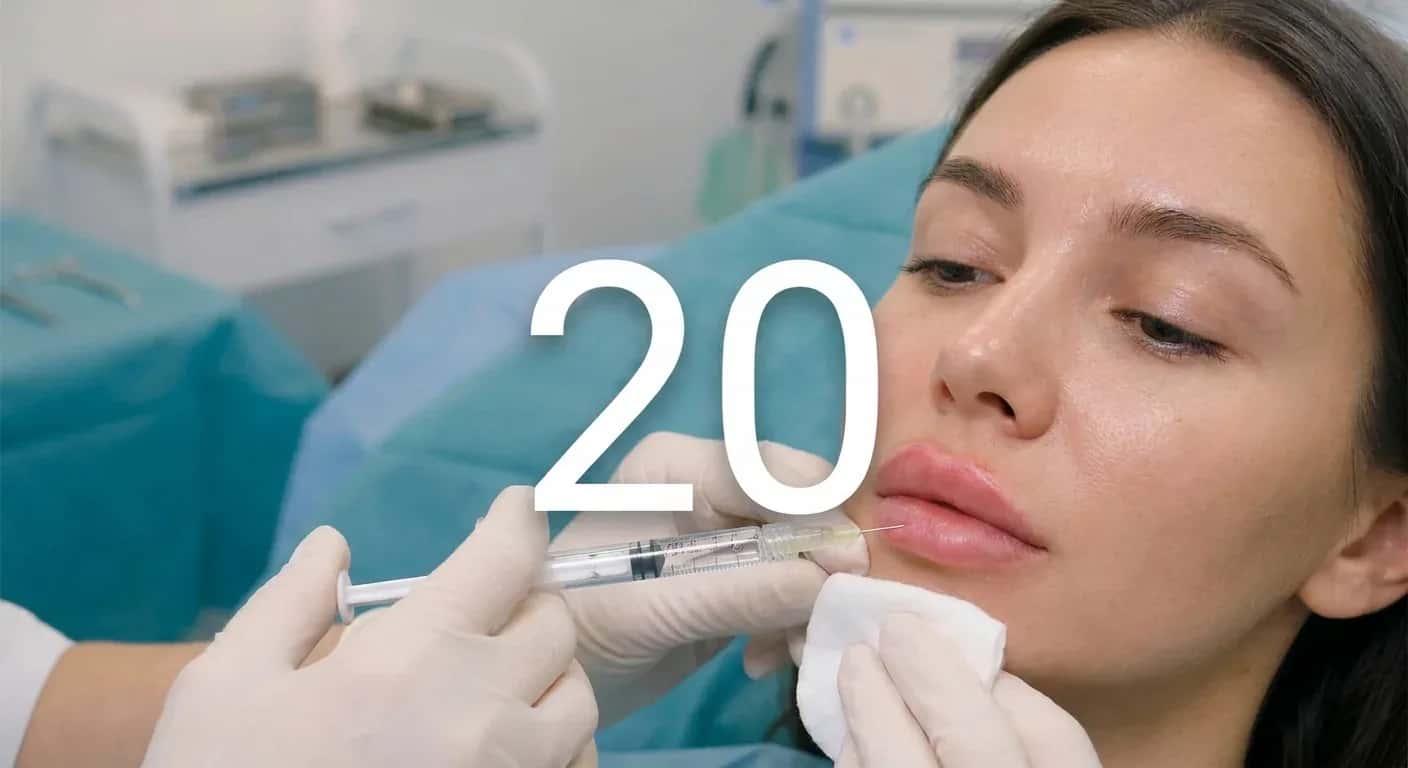
Many singers, actors, reality stars and influencers have talked openly about getting lip filler, and a growing number have also shared why they later had it dissolved. This guide looks at what 20 of these public figures said about their own lip treatments and what their experiences can teach anyone considering filler.


Filler fatigue describes the point where repeated dermal filler treatments leave a face looking heavier, puffier or less like itself, and it is pushing many people to rethink how they approach injectables. This guide explains what causes it, how to recognize an overfilled face.

Overfilled faces develop when injectable treatments add more volume than the facial anatomy can accommodate naturally, altering contours, proportions and sometimes facial expression.
Subscribe to the Medifinder newsletter and never miss our latest content.