






Donor Area Itch After Hair Transplant: Is It Normal?
Donor area itch after hair transplant is usually a normal part of healing, but it should still be watched carefully because intense itching, redness, bumps, discharge, or worsening pain may point to irritation, folliculitis, infection, or delayed healing.

- Last updated
- 188 reads
- 10 min read


Why Does the Donor Area Itch After Hair Transplant?
The donor area can itch because the scalp is repairing tiny wounds created during graft extraction. Healing skin often becomes dry, tight, sensitive, and slightly inflamed. As small scabs form and the skin barrier rebuilds, itching can appear.
In FUE hair transplant, each extracted follicular unit leaves a tiny opening. These openings close gradually. During this process, the scalp may feel prickly, tight, or itchy. In FUT surgery, itching may come from the healing incision line, stitches, scab formation, and nerve sensitivity around the scar.
Itching may also be linked to dryness. After surgery, patients often wash carefully, avoid strong rubbing, and use prescribed products. The scalp may become dry because normal oil balance changes during early recovery. Dry skin can itch even when healing is otherwise normal.
Is Donor Area Itching Normal?
Yes, donor area itching is usually normal after hair transplant, especially during the first few weeks. It often appears as the extraction sites close, crusts dry, and skin begins to recover. Some patients feel mild itching only for a few days, while others notice it for several weeks.
The intensity can vary. People with sensitive skin, dry scalp, dandruff history, eczema tendency, or strong healing reactions may feel more itching than others. Hot weather, sweating, tight hats, harsh shampoos, or sleeping friction can also make the donor area more uncomfortable.
Normal itching should gradually improve. It may come and go, but it should not become progressively worse with swelling, pus, fever, or severe pain. If the donor area looks more inflamed each day, the clinic should be contacted.
When Does Donor Area Itching Usually Start?
Donor area itching may start within the first few days after hair transplant. It often becomes more noticeable when scabs begin to form and dry. Some patients feel itching around day three to day seven, while others notice it later during the second or third week.
Itching can also appear after the first wash or when crusts begin to loosen. This does not always mean damage. It often means the skin surface is changing. However, scratching during this time can irritate the area and delay healing.
Delayed itching can also happen several weeks after surgery. This may be related to nerve recovery, dryness, follicle irritation, or small ingrown hairs. If itching appears with red bumps or pustules, folliculitis may be present and should be checked.
Can Itching Mean the Donor Area Is Healing?
Itching can be a sign of healing. As the skin repairs itself, nerve endings become more active, scabs loosen, and new surface skin forms. These changes can create an itchy or prickly feeling.
However, healing itch should remain manageable. It should not be associated with severe pain, spreading warmth, heavy swelling, thick discharge, or a strong smell. A mild itch on a dry or crusted donor area is different from painful inflamed bumps or infected skin.
Patients should avoid judging healing by itching alone. The donor area should be evaluated as a whole. Color, swelling, tenderness, scab condition, discharge, pain level, and overall comfort all matter.
Why Scratching Can Be a Problem
Scratching the donor area can slow healing and irritate the scalp. In the early days, the skin is still fragile. Nails can break scabs too early, introduce bacteria, and create small wounds. Even if the transplanted grafts are not in the donor area, scratching can still harm the donor skin.
Aggressive scratching may lead to bleeding, inflammation, scab disruption, folliculitis, or delayed recovery. It can also worsen itching by creating a scratch-itch cycle. The more the skin is scratched, the more irritated it becomes.
Patients often scratch without realizing it, especially during sleep. Keeping nails short, using clinic-approved soothing sprays, and protecting the scalp from friction can help reduce accidental irritation.
What Helps Relieve Donor Area Itch?
The safest way to relieve donor area itch is to follow the clinic’s aftercare instructions. Many clinics recommend gentle washing, saline spray, prescribed lotion, mild moisturizer, or specific post-transplant products depending on healing stage.
Cool compresses may help in some cases, but they should not be applied aggressively or directly over fragile wounds without guidance. The compress should be clean and used gently. Patients should avoid ice burns or pressure on healing skin.
If itching is severe, a doctor may recommend an antihistamine or another medication. Patients should not take medication randomly, especially if they already use other prescriptions or have medical conditions.
Moisturizing can help when dryness is the main cause, but the product must be safe for post-transplant skin. Strong fragrances, alcohol-based products, harsh essential oils, and unapproved creams can irritate the donor area.
Should You Use Aloe Vera or Oils?
Some patients use aloe vera, coconut oil, olive oil, tea tree oil, or other natural products to calm itching. These may sound gentle, but freshly treated donor skin can react badly to unapproved products. Burning, redness, clogged follicles, contact dermatitis, or delayed healing may occur.
Aloe vera may soothe some people, but it can sting or irritate others. Essential oils are especially risky because they can be strong and allergenic. Heavy oils may trap sweat or clog follicles, increasing bumps or irritation.
The safest approach is to ask the clinic before applying anything. A product that is harmless on normal skin may not be suitable for healing donor skin after hair transplant.
Could Itching Be Caused by Dryness?
Yes, dryness is one of the most common reasons for donor area itching after hair transplant. The scalp barrier becomes disrupted during extraction. Washing routines change, and patients may avoid normal shampooing for a short period. This can leave the donor area tight, flaky, and itchy.
Dryness-related itching usually feels like tightness, mild flaking, or prickling. It often improves with gentle washing and clinic-approved moisturizing. It should not cause thick pus, severe swelling, or spreading redness.
Patients should avoid over-washing or using harsh shampoos to fix dryness. Too much cleansing can make the scalp even drier. The goal is gentle balance.
Can Folliculitis Cause Donor Area Itching?
Yes, folliculitis can cause itching after hair transplant. Folliculitis means inflammation of hair follicles. It may appear as small red bumps, tender spots, whiteheads, or pustules. It can develop in the donor area or recipient area during healing.
Mild folliculitis may occur when follicles become irritated, blocked, or inflamed. Sweat, friction, oils, poor hygiene, tight hats, or bacterial overgrowth can contribute. Some cases settle with proper care, while others need medical treatment.
Patients should contact the clinic if itching comes with painful bumps, pus-filled spots, spreading redness, or tenderness. Squeezing bumps is not recommended because it may worsen inflammation or spread infection.
What Are Signs of Infection?
Infection is less common than normal itching, but it must be taken seriously. Warning signs include increasing pain, spreading redness, warmth, swelling, pus, bad smell, fever, chills, or wounds that look worse instead of better.
A small amount of early crusting is normal. Mild redness can also be normal. The concern is a pattern of worsening symptoms. If the donor area becomes hotter, more painful, more swollen, or begins to drain yellow or green fluid, medical advice is needed.
Patients with diabetes, immune problems, smoking history, or poor wound healing should be especially careful. Early treatment can prevent complications.
Can Nerve Healing Cause Itching?
Nerve irritation or recovery can cause itching, tingling, burning, numbness, or crawling sensations in the donor area. During hair transplant surgery, tiny nerve endings in the scalp may be irritated. As they recover, unusual sensations can appear.
This type of itching may feel deeper or more electric than ordinary dry-skin itch. It may come and go and can last longer than surface crusting. Some patients also report numbness in the donor area for weeks or months.
Nerve-related sensations often improve gradually. However, severe pain, persistent burning, or hypersensitivity should be discussed with the surgeon to rule out other causes.
Does Itching Differ After FUE and FUT?
Itching can happen after both FUE and FUT, but the pattern may differ.
After FUE, itching is usually spread across the extraction zone because many tiny sites are healing. It may feel like a broad prickly sensation over the back and sides of the scalp. Small scabs and dryness can contribute.
After FUT, itching may be more focused along the incision line. Stitches, scar healing, tightness, and nerve sensitivity can all play a role. Patients may also feel pulling or tension around the scar.
Both types of itching can be normal, but both require careful aftercare. Scratching, picking, or applying unapproved products can worsen healing.
How Long Does Donor Area Itching Last?
For many patients, donor area itching improves within the first two to four weeks. Some people feel only mild itching after the first wash, while others notice intermittent itch for several weeks.
In a smaller number of patients, itching can continue for several months. This may be related to nerve recovery, dry skin, folliculitis, scar maturation, or scalp sensitivity. Persistent itching is not always dangerous, but it should be reviewed if it is intense or associated with visible skin changes.
The timeline varies by technique, number of grafts, skin type, aftercare, climate, hygiene, and individual healing response. What matters most is whether the donor area is improving overall.
Can Sweat Make Donor Area Itch Worse?
Sweat can make the donor area itch more, especially during the early healing phase. Sweat contains salt and can irritate fresh extraction sites. Heat also increases blood flow and sensitivity, making itching more noticeable.
Patients are usually advised to avoid heavy exercise, saunas, steam rooms, intense sun, and sweating during the early recovery period. The exact timeline depends on the clinic’s protocol.
Light daily activity may be allowed sooner, but intense workouts should wait until the scalp is stable. Returning too early to heavy exercise can worsen swelling, redness, itching, or folliculitis.
Does Washing Reduce Itching?
Gentle washing can reduce itching when the scalp is ready. Washing helps soften crusts, remove dried fluid, reduce irritation, and improve comfort. However, washing too aggressively can damage healing skin.
Patients should follow the clinic’s instructions about when and how to wash. The usual approach involves gentle application of lotion or foam, mild shampoo, soft rinsing, and no scratching with nails. The donor area may tolerate slightly more contact than the recipient area, but it still needs care.
After washing, the scalp should be dried gently. Rubbing with a towel can irritate the donor area. Patting or air-drying is usually safer during early healing.
What Should You Avoid During Itching?
Patients should avoid scratching, picking scabs, using harsh shampoos, applying alcohol-based products, wearing tight hats too early, sweating heavily, exposing the scalp to strong sun, and using unapproved creams or oils.
They should also avoid self-treating possible infection with leftover antibiotics or random topical products. Wrong treatment can hide symptoms or worsen irritation.
If the itch is severe, asking the clinic is better than experimenting. Post-transplant skin is sensitive, and small mistakes can extend discomfort.
Can Allergic Reaction Cause Itching?
Yes, allergic or irritant contact dermatitis can cause donor area itching. This may happen after using a shampoo, lotion, spray, dye, oil, adhesive, hat material, or topical medication that irritates the skin.
Allergic itching may come with redness, burning, rash, swelling, flaking, or small bumps. It may appear in areas where the product touched the scalp.
If a new product makes itching worse, stop using it and contact the clinic. The doctor may recommend a safer alternative or prescribe treatment if inflammation is significant.
When Should You Contact the Clinic?
Patients should contact the clinic if donor area itching is severe, worsening, painful, or associated with red bumps, pus, bad smell, spreading redness, swelling, heat, bleeding, fever, or delayed wound closure.
They should also contact the clinic if they accidentally scratch the donor area until it bleeds, if the area feels unusually tender, or if itching prevents sleep for several nights.
A quick check can provide reassurance or allow early treatment. Waiting too long can make simple irritation harder to control.
What Questions Should Patients Ask?
Patients can ask practical questions during follow-up. Is my donor area healing normally? Can I use moisturizer? Which shampoo is safe? When can I return to exercise? Are these bumps folliculitis? Should I take an antihistamine? When can I wear a hat? Is redness still normal at this stage? How should I manage itching at night?
Clear answers reduce anxiety. Aftercare instructions should be specific because the right advice depends on the number of days after surgery, technique used, and current scalp condition.
- Last updated
- Language
- English
How did you find this article?
Air conditioning can dry out your scalp by reducing indoor humidity and affecting the skin's ability to maintain adequate moisture. Prolonged exposure to dry, cooled air may contribute to itching, flaking, tightness, and irritation, particularly when the scalp is already sensitive or prone to dryness.
Certain dietary supplements can cause hair loss when taken in excessive amounts, particularly products containing high doses of vitamin A, selenium, or other concentrated nutrients. While supplements can help correct nutritional deficiencies that affect hair growth.
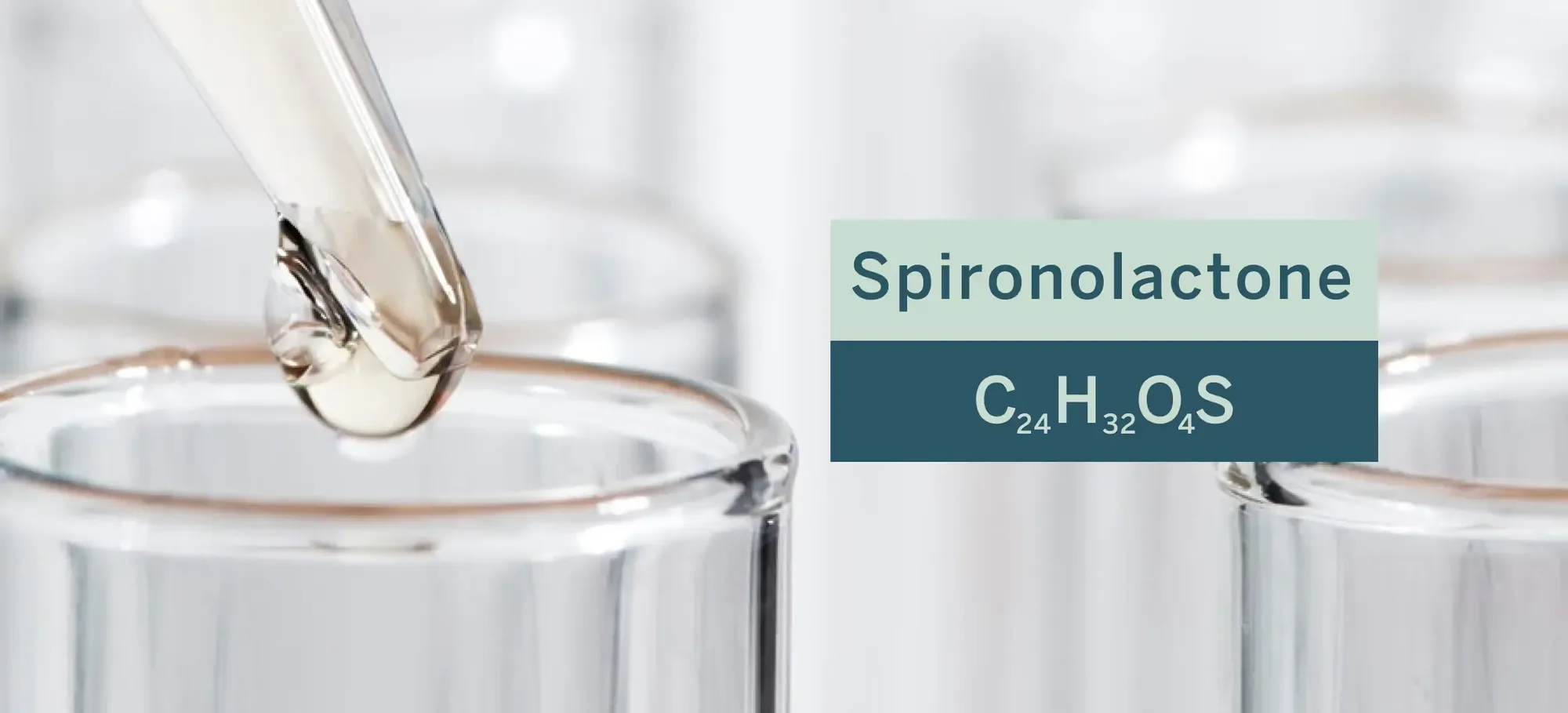
Spironolactone for female hair loss can help slow progressive thinning and improve hair density by reducing the effects of androgens on sensitive hair follicles. Although this prescription medication is not specifically approved for hair loss, clinical research supports its use in selected women.
Subscribe to the Medifinder newsletter and never miss our latest content.