










Folliculitis After Hair Transplant
Experiencing bumps or pimples on your scalp? Learn how to safely identify, treat, and prevent folliculitis after hair transplant surgery to protect your grafts.

- Last updated
- 194 reads
- 8 min read
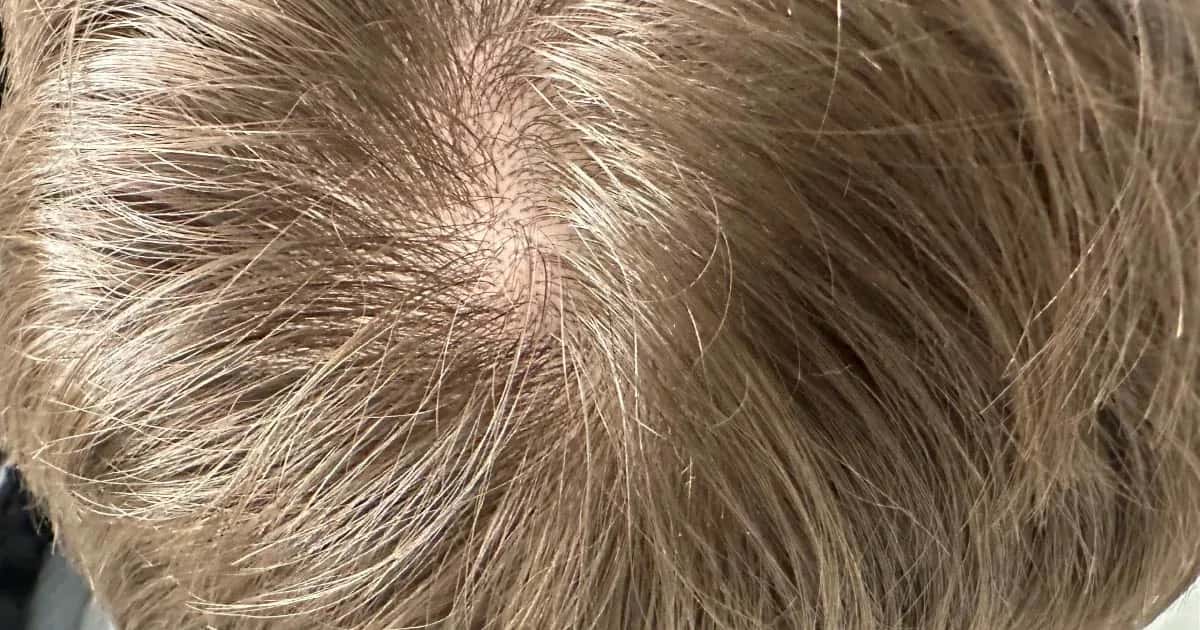


Experiencing folliculitis after hair transplant surgery can feel incredibly alarming, especially when you have just invested significant time and resources into restoring your hairline. As your scalp navigates the delicate healing process, you might suddenly notice small, red, pimple-like bumps forming across the recipient or donor areas. While this inflammatory reaction causes understandable panic, you should know that developing folliculitis after hair transplant surgery remains a relatively common and highly treatable condition. The journey to a full, dense head of hair requires immense patience, and encountering these unexpected bumps often feels like a major setback. You might find yourself staring into the mirror, terrified that these tiny pustules will permanently damage your precious grafts and ruin your final aesthetic result.
Understanding the precise biological reasons behind this inflammation, learning how to identify the severity of the outbreak, and implementing the correct treatment protocols will help you navigate this temporary hurdle with complete confidence. You do not have to watch your progress derail; you simply need to take the right actionable steps to guide your scalp back to a healthy state.
Understanding the Biological Mechanics of Scalp Inflammation
To effectively manage the situation, you first need to understand what happens beneath the surface of your skin. The term itself simply means the inflammation of a hair follicle. During your restoration procedure, the surgical team creates thousands of microscopic incisions to extract and implant the grafts. This process subjects your scalp tissue to significant physical trauma.
As your body heals, these tiny wounds close up, and the newly implanted hairs begin their natural growth cycle. Sometimes, the new hair shaft struggles to breach the surface of the skin. Instead of growing straight out, it curls back downward or sideways, creating a classic ingrown hair. Your immune system instantly detects this trapped hair as a foreign object and sends white blood cells to the area, resulting in a sterile, localized inflammatory response.
Alternatively, the inflammation can stem from a bacterial source. Your scalp naturally hosts various strains of bacteria. Because the surgery opens up thousands of tiny pathways, bacteria can occasionally enter the pores and multiply, leading to an infectious form of the condition. Knowing the difference between an ingrown hair and a genuine bacterial infection dictates exactly how you will manage the recovery process.
Key Triggers and Causes During Your Recovery Timeline
Several specific factors increase your risk of developing these frustrating bumps during the weeks and months following your procedure. Identifying these triggers allows you to adjust your daily habits and protect your healing tissue.
The most prominent cause revolves around the biological shedding and regrowth phase. Around the third or fourth month, the dormant follicles finally awaken and begin pushing new hair shafts toward the surface. Because the surrounding skin has healed and slightly thickened, the delicate new hairs face physical resistance, frequently resulting in widespread ingrown hairs.
Your daily hygiene routine also plays a massive role. Many patients feel terrified to touch their newly implanted grafts, leading them to wash their hair far too gently or infrequently. When you fail to cleanse the scalp properly, natural sebum (oil), dead skin cells, and daily environmental dirt rapidly build up on the surface. This heavy debris suffocates the pores and creates a perfect breeding ground for bacteria. Furthermore, if you apply heavy, greasy ointments, thick styling waxes, or unapproved essential oils to your scalp too early in the recovery phase, you will instantly clog the follicles and trigger an aggressive breakout.
Visual and Physical Symptoms You Should Never Ignore
You must differentiate between normal post-operative healing and an active inflammatory outbreak. During the first few weeks, your scalp will naturally appear red, pink, and slightly swollen. However, if you develop folliculitis, you will notice highly specific physical changes that demand your attention.
You will typically see clusters of small, raised red bumps that closely resemble facial acne. Many of these bumps will develop a distinct white or yellowish head filled with pus. When you lightly touch the affected area, the skin will feel highly tender, tight, and warm. You will also experience an intense, burning itch that goes far beyond the standard tingling sensations associated with normal wound healing.
Pay close attention to how these symptoms evolve. A mild outbreak consists of a few scattered bumps that resolve on their own within a few days. If the bumps rapidly multiply, merge together to form large painful cysts, or begin oozing a foul-smelling liquid, the situation has escalated from a simple ingrown hair to a deep bacterial infection that requires immediate medical intervention.
Will This Outbreak Ruin Your Hair Restoration Results?
The moment a patient spots a pimple on their newly designed hairline, panic immediately sets in. The absolute biggest fear involves losing the grafts and wasting the financial investment. You can take a deep breath; superficial inflammation rarely causes any permanent damage to your implanted follicles.
By the tenth to fourteenth day following your surgery, the root of the graft anchors permanently into the deep dermal layers of your scalp. The pimples you see forming weeks or months later generally sit at the very top epidermal layer. Because the inflammation remains shallow, the deep root remains entirely safe and securely locked in place. The pus will eventually drain, the skin will heal, and the hair will continue to grow exactly as planned.
However, you cannot simply ignore a severe, deep-rooted infection. If you allow an aggressive bacterial outbreak to fester completely untreated for weeks, the infection can penetrate deeper into the dermis and attack the actual hair bulb. This severe scenario can lead to permanent scarring and subsequent graft death. Early identification and prompt, appropriate action guarantee the safety of your results.
Immediate Actions and Safe Home Care Protocols
When you spot those first few red bumps, you must manage your immediate reaction. The absolute worst action you can take is trying to pop, squeeze, or forcefully pick at the pimples. Squeezing a pustule physically ruptures the follicle wall beneath the skin, pushing the bacteria and inflammatory debris much deeper into the tissue. This action instantly turns a minor, superficial problem into a major, deep-rooted infection and drastically increases the risk of permanent scarring.
Instead of picking, utilize the power of heat. Soak a clean, soft cloth in warm water, wring out the excess moisture, and gently press it directly against the affected area for ten to fifteen minutes. You can repeat this process three or four times a day. The gentle heat naturally dilates the local blood vessels, dramatically improving blood circulation to the area. This increased blood flow helps your immune system fight the inflammation and encourages the trapped pus to rise to the surface and drain naturally without any physical force.
You also need to adjust your washing routine immediately. Stop using any heavy styling products or thick conditioners. Wash your scalp twice a day using a mild, clinical shampoo. Work the shampoo into a rich lather in your hands first, then gently massage it into your scalp using the pads of your fingertips. This gentle mechanical action clears away the trapped sebum and dead skin cells, allowing the pores to breathe freely.
When to Seek Professional Clinical Intervention
While home remedies effectively resolve mild outbreaks, you must recognize the warning signs that indicate you need professional medical help. Do not attempt to play doctor if your condition rapidly worsens.
If the warm compresses and gentle washing yield no improvement after four or five days, or if the red bumps begin expanding into large, painful, deeply entrenched cysts, you must contact your operating clinic. Additionally, if you develop systemic symptoms such as a fever, swollen lymph nodes in your neck or behind your ears, or severe radiating pain across your scalp, a bacterial infection has likely taken hold.
Your surgeon will evaluate the outbreak and prescribe targeted medical treatments. They typically start with a topical antibiotic cream, such as fusidic acid or clindamycin, which you apply directly to the pustules to quickly eradicate the surface bacteria. They might also recommend washing your head with a specialized antibacterial shampoo containing chlorhexidine or ketoconazole. In severe, stubborn cases, the doctor will prescribe a short course of oral antibiotics to aggressively clear the infection from the inside out and protect the integrity of your deep grafts.
Proactive Habits to Protect Your Scalp Moving Forward
Preventing an outbreak always proves much easier than treating one. You can actively protect your scalp by adopting a few simple, hygienic daily habits throughout your entire first year of recovery.
Maintain a rigorously clean environment for your head to rest on. Change your pillowcases at least twice a week. Your pillowcase absorbs sweat, dead skin, and hair products every single night, turning it into a massive bacterial reservoir that presses directly against your healing scalp for eight hours at a time.
Manage your sweat aggressively. If you perform heavy cardiovascular exercise, lift weights, or work in a physically demanding job, you must wash your scalp immediately after you finish sweating. Leaving dried sweat on your head traps salt, bacteria, and toxins directly inside the open pores. Furthermore, avoid wearing tight, unwashed baseball caps, beanies, or hardhats for extended periods. Tight headwear creates a dark, warm, and humid microclimate on your scalp—the exact environmental conditions bacteria need to thrive and multiply. By prioritizing a clean, breathable environment, you allow your new hair to grow in thick, healthy, and completely free of complications.
Frequently Asked Questions
How long does this inflammation typically last?
A mild, non-infectious outbreak caused by ingrown hairs usually resolves on its own within five to seven days, especially when you apply warm compresses daily. If the condition stems from a bacterial infection and requires prescription topical creams or oral antibiotics, you will typically see complete clearing within ten to fourteen days of starting the medication.
Can I use standard acne treatments on my scalp?
You must absolutely avoid applying standard over-the-counter facial acne treatments to your healing scalp. Products containing high concentrations of salicylic acid, benzoyl peroxide, or strong retinoids will severely burn, dry out, and irritate the highly sensitive post-surgical tissue. Only use medical treatments specifically approved and prescribed by your hair restoration surgeon.
Does scratching the pimples permanently dislodge the grafts?
If you are past the initial two-week healing window, the grafts hold securely to the deep tissue, meaning light scratching will not dislodge the root. However, scratching breaks the surface of the skin and introduces dangerous bacteria from your fingernails directly into the irritated follicle. This instantly worsens the infection and can lead to deep scarring, which might ultimately kill the follicle.
Is it normal to get these bumps in the donor area too?
Yes, it occurs very frequently in the donor area. The surgical punch creates thousands of micro-wounds at the back of your head. As these extraction sites heal and close up, they can easily trap sebum, dirt, or microscopic hair fragments left behind during the surgery. The exact same warm compress and hygiene protocols apply perfectly to the donor region to clear the outbreak safely.
- Last updated
- Language
- English
How did you find this article?
Air conditioning can dry out your scalp by reducing indoor humidity and affecting the skin's ability to maintain adequate moisture. Prolonged exposure to dry, cooled air may contribute to itching, flaking, tightness, and irritation, particularly when the scalp is already sensitive or prone to dryness.
Certain dietary supplements can cause hair loss when taken in excessive amounts, particularly products containing high doses of vitamin A, selenium, or other concentrated nutrients. While supplements can help correct nutritional deficiencies that affect hair growth.
Spironolactone for female hair loss can help slow progressive thinning and improve hair density by reducing the effects of androgens on sensitive hair follicles. Although this prescription medication is not specifically approved for hair loss, clinical research supports its use in selected women.
Subscribe to the Medifinder newsletter and never miss our latest content.