










Discoid Lupus Erythematosus Hair Loss
Discoid lupus erythematosus hair loss is a form of scalp hair loss that can become permanent if inflammation damages the hair follicles and leaves scar tissue behind. Unlike temporary shedding, this type of hair loss may involve red, scaly, thickened, tender, itchy, or discolored patches on the scalp.

- Last updated
- 139 reads
- 10 min read


What Is Discoid Lupus Erythematosus?
Discoid lupus erythematosus is a chronic inflammatory skin condition that belongs to the lupus family. It mainly affects the skin rather than the whole body, although some patients may need evaluation for systemic lupus depending on symptoms and test results.
DLE lesions often appear as round or oval plaques. They may look red, scaly, thick, crusted, or darker or lighter than the surrounding skin. Over time, active lesions can heal with scarring, thinning of the skin, and pigment change.
When DLE develops on the scalp, the stakes are higher because inflammation can damage the structures needed for hair growth. Once scar tissue replaces normal follicle structures, regrowth becomes limited or impossible in that area.
This is why discoid lupus erythematosus hair loss should not be treated like ordinary shedding. It needs dermatological assessment and long-term control.
Why Does DLE Cause Hair Loss?
DLE causes hair loss because inflammation attacks the skin around hair follicles. In the early stage, follicles may still be alive, and treatment may reduce inflammation enough to preserve hair. In later stages, chronic inflammation can destroy follicles and create scar tissue.
Healthy hair growth depends on intact follicle openings and surrounding scalp tissue. In scarring alopecia, these follicle openings may disappear. The skin may become smooth, shiny, firm, or discolored. Once this happens, hair regrowth becomes much less likely.
This process can be slow, which makes it easy to underestimate. A small patch may remain active for months before the patient realizes it is expanding. Early signs such as scale, redness, itching, or tenderness should not be ignored.
How Does Discoid Lupus Hair Loss Look?
Discoid lupus hair loss may appear as one or more patches on the scalp. These areas may have redness, white or yellow scale, crusting, dark spots, light spots, thickened skin, or a rough surface. Some patches feel sore, itchy, tender, or burning.
As the condition progresses, the affected area may become smoother and shinier. Hair follicles may no longer be visible. The patch may look pale in the center with darker edges, or it may leave uneven pigmentation depending on skin tone.
DLE hair loss can sometimes be mistaken for alopecia areata, fungal infection, psoriasis, seborrheic dermatitis, lichen planopilaris, traction alopecia, or ordinary dandruff. Because treatments differ, correct diagnosis matters.
A dermatologist may examine the scalp with magnification and may recommend a biopsy when the diagnosis is uncertain.
Is Discoid Lupus Hair Loss Permanent?
Discoid lupus hair loss can be permanent if scarring has already destroyed the follicles. This is the most important point for patients to understand. In early active areas, treatment may help control inflammation and protect remaining follicles. In fully scarred areas, regrowth is much harder.
The difference between active inflammation and established scarring is essential. An active lesion may still show redness, scale, tenderness, itching, or follicular plugging. A scarred area may look smooth, shiny, pale, or firm, with no visible hair openings.
Treatment aims to stop active disease first. Even when hair cannot fully return in scarred areas, controlling inflammation can prevent the patch from spreading and protect nearby follicles.
Can Early Treatment Save Hair?
Yes, early treatment can help protect hair when follicles are still present. The earlier DLE is recognized and controlled, the better the chance of preventing permanent scarring alopecia.
Treatment may reduce redness, scaling, itching, tenderness, and ongoing follicle damage. It may also stop existing patches from growing larger. Some hair regrowth may occur if the follicles were inflamed but not destroyed.
Delaying care is risky. Many patients wait because the patch is small, hidden under hair, or not painful. Unfortunately, scalp DLE can continue damaging follicles even when symptoms are mild. Any persistent scaly or inflamed hair loss patch deserves medical evaluation.
What Symptoms Should Raise Concern?
Patients should seek evaluation if hair loss comes with scalp redness, scale, crusting, burning, tenderness, itching, pain, pigment change, or thickened patches. A smooth shiny bald area, loss of visible follicle openings, or a patch that slowly expands should also raise concern.
DLE can also affect other skin areas. Patients may notice persistent plaques on the face, ears, lips, or sun-exposed skin. These lesions may worsen after sun exposure.
Symptoms outside the skin should also be discussed with a doctor. Joint pain, mouth ulcers, unusual fatigue, fever, chest pain, photosensitivity, or unexplained rashes may lead the clinician to evaluate for broader lupus involvement.
Not every patient with DLE has systemic lupus, but careful review is important.
How Is Discoid Lupus Erythematosus Diagnosed?
Diagnosis usually begins with a detailed skin and scalp examination. The clinician will look at the shape of the plaques, scale, pigment change, follicular openings, redness, scarring, and distribution.
Dermoscopy or trichoscopy can help identify features such as follicular plugging, loss of follicular openings, scale, blood vessel changes, and scarring. These findings can support the diagnosis and help separate DLE from other causes of hair loss.
A scalp biopsy may be recommended when the diagnosis is unclear. The biopsy can show inflammation patterns and scarring changes under the microscope. Blood tests may also be ordered if the doctor wants to check for systemic lupus markers or related autoimmune activity.
A correct diagnosis is important because treating DLE like ordinary dandruff or stress shedding may allow permanent damage to progress.
Which Conditions Can Look Similar?
Several scalp conditions can resemble discoid lupus erythematosus hair loss. Alopecia areata may cause round bald patches but usually lacks heavy scale and scarring in early cases. Seborrheic dermatitis may cause flaking and redness but does not usually destroy follicles. Psoriasis may create thick scale and red plaques. Fungal infection can cause scaling, broken hairs, and inflammation.
Lichen planopilaris is another scarring alopecia that may look similar to scalp DLE. Traction alopecia from tight hairstyles can also cause hair loss and scarring in advanced cases. Central centrifugal cicatricial alopecia may affect the crown and can overlap in appearance with other scarring conditions.
Because the scalp can react in similar ways to different diseases, visual guessing is not enough. A dermatologist may need trichoscopy, biopsy, medical history, and follow-up to confirm the cause.
What Treatments Are Used for DLE Hair Loss?
Treatment depends on severity, location, activity, symptoms, and whether scarring has already developed. The main goal is to reduce inflammation and prevent further follicle destruction.
Doctors may use topical corticosteroids, steroid injections into active lesions, calcineurin inhibitors, antimalarial medications, anti-inflammatory treatments, or other systemic medications in more persistent cases. Treatment choice depends on the patient and should be guided by a dermatologist.
Sun protection is also an important part of management because ultraviolet light can worsen cutaneous lupus in many patients. Scalp protection may include hats, shade, and sunscreen on exposed areas when appropriate.
Treatment should not be stopped too early just because symptoms improve. DLE often requires ongoing monitoring.
Are Steroid Injections Helpful?
Steroid injections may be used for active scalp lesions when the dermatologist believes inflammation is damaging follicles. These injections can help calm localized inflammation and may reduce redness, tenderness, scaling, and progression.
They are not suitable for every patient or every lesion. The dose, depth, interval, and treated area require medical judgment. Possible side effects include skin thinning, pigment change, small depressions in the skin, or local irritation.
Patients should not expect steroid injections to regrow hair in fully scarred areas. Their main role is often to control active inflammation and protect remaining follicles.
Can Medication Regrow Lost Hair?
Medication may help regrow hair only if the follicles are still alive. In early DLE lesions, hair may improve after inflammation is controlled. In scarred areas where follicles have been destroyed, regrowth is limited.
This distinction can be difficult for patients because some areas may contain both active inflammation and scarring. A patch may have a scarred center and an active edge. Treatment can still be valuable because it may prevent the edge from expanding.
Some patients may also have another type of hair loss at the same time, such as androgenetic alopecia or telogen effluvium. In those cases, additional treatments may be considered, but only after diagnosis.
Why Is Sun Protection Important?
Sun exposure can trigger or worsen discoid lupus lesions in many patients. Ultraviolet light may increase inflammation, prolong active plaques, and contribute to pigment changes.
Scalp protection can be challenging because hair does not always provide complete coverage. Patients with thinning areas, part lines, or exposed patches may need extra protection. Wide-brim hats, avoiding intense midday sun, protective hairstyles, and sunscreen on exposed skin can help.
Sun protection should be consistent, not only used during holidays or beach trips. Daily incidental exposure can matter, especially for sensitive patients.
Does Hair Care Affect DLE?
Gentle hair care can help reduce irritation, although it does not replace medical treatment. Patients with active scalp DLE should avoid harsh scratching, aggressive brushing, tight hairstyles, chemical burns, strong bleaching, excessive heat, and products that sting or inflame the scalp.
Protective styling should not create traction. Tight braids, extensions, ponytails, or wigs that rub inflamed areas may worsen discomfort or contribute to additional hair loss.
A dermatologist can help guide safe scalp care. Some medicated shampoos may be useful when flaking or inflammation overlaps with other scalp conditions, but they should be chosen carefully.
Can DLE Hair Loss Affect Confidence?
Yes, discoid lupus erythematosus hair loss can affect confidence deeply. Hair loss patches may be visible, difficult to style, or emotionally distressing. The possibility of permanent scarring can also create anxiety.
Patients may feel frustrated if they were first told the condition was dandruff, stress, or simple alopecia. They may also feel discouraged when scarred areas do not regrow.
Emotional support matters. Patients should know that the main goal is disease control and protection of remaining hair. Cosmetic support such as gentle styling, scalp camouflage, wigs, hair fibers, or dermatology-guided restoration discussions may help some patients feel more comfortable.
Is Hair Transplant Possible After DLE?
Hair transplant may be considered only in carefully selected cases after DLE has been inactive for a significant period. Transplanting into an active inflammatory scalp is risky because the disease may damage the new grafts.
A dermatologist and hair restoration surgeon must evaluate disease stability, scarring, blood supply, donor hair, and expectations. Even in stable cases, results may be less predictable than in non-scarring hair loss.
Patients should not rush into hair transplant surgery while lesions are active. The priority is to stop inflammation first. Cosmetic restoration can be discussed later if the scalp remains stable.
Can DLE Come Back After Treatment?
Yes, DLE can flare again after improvement. It is a chronic condition, which means long-term monitoring is important. Flares may occur with sun exposure, medication changes, stress, illness, or sometimes without an obvious trigger.
Patients should learn their early warning signs. New redness, scale, tenderness, itching, or spreading around old patches should be checked quickly. Early treatment of flares can reduce the risk of additional scarring.
Follow-up frequency depends on disease severity and treatment plan. Some patients need regular dermatology visits, while others may need closer monitoring during active phases.
What Should Patients Track at Home?
Patients can track changes by taking clear scalp photos under similar lighting every few weeks. Useful angles include the affected patch, surrounding hair, part line, crown, and any exposed scalp areas. Photos help show whether lesions are shrinking, spreading, or becoming less inflamed.
Patients should also note symptoms such as itching, tenderness, burning, scaling, crusting, or increased shedding. Sun exposure, new hair products, stress, illness, and medication changes may also be worth recording.
Tracking should support care, not create anxiety. Daily checking can make small changes feel overwhelming. A steady record is more useful than constant inspection.
What Questions Should You Ask a Dermatologist?
Patients should ask clear questions during consultation. Do I have active inflammation or established scarring? Are my hair follicles still visible in the affected area? Do I need a biopsy? Could this be another scarring alopecia? Should I be checked for systemic lupus? What treatment should start now? How long before improvement is expected? How can I protect my scalp from sun exposure? What signs mean I need urgent review?
The answers should help the patient understand both the current condition and the long-term plan. A good treatment strategy should explain what can be improved, what may not regrow, and how to prevent new damage.
What Mistakes Should Patients Avoid?
The biggest mistake is waiting too long. A small active DLE patch can gradually become a permanent scarred area. Another mistake is treating the condition only with cosmetic products, oils, or anti-dandruff shampoos without medical diagnosis.
Patients should also avoid stopping prescribed treatment early. DLE may look calmer before inflammation is fully controlled. Incomplete treatment can allow recurrence.
Harsh hair treatments, tight hairstyles, unprotected sun exposure, and repeated scratching can also worsen scalp irritation. The safest approach combines medical treatment, gentle care, and regular follow-up.
- Last updated
- Language
- English
How did you find this article?
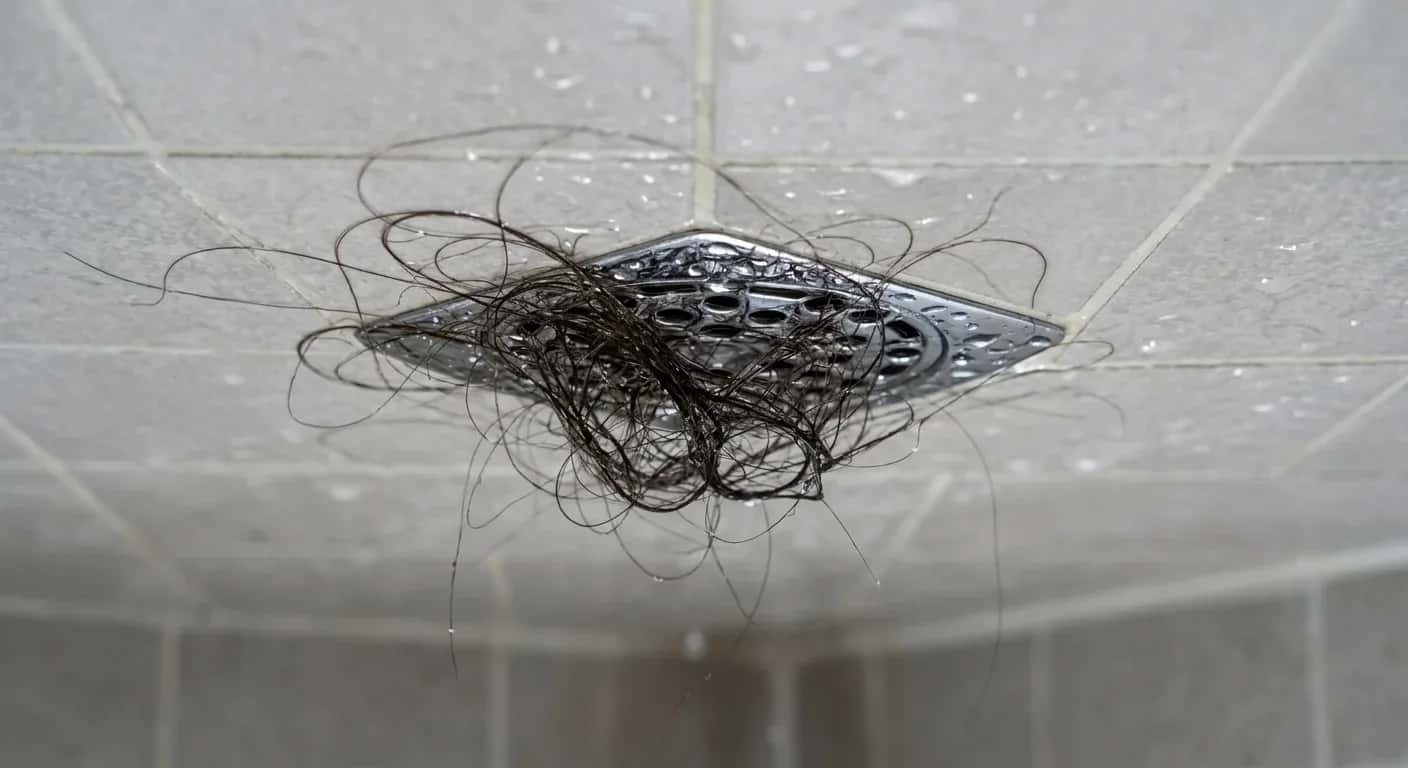
Washing simply releases many of these loose hairs at the same time, which can make normal shedding appear more dramatic than it really is. So, how much hair loss in the shower is normal, and when does the amount suggest excessive shedding or another form of hair loss?
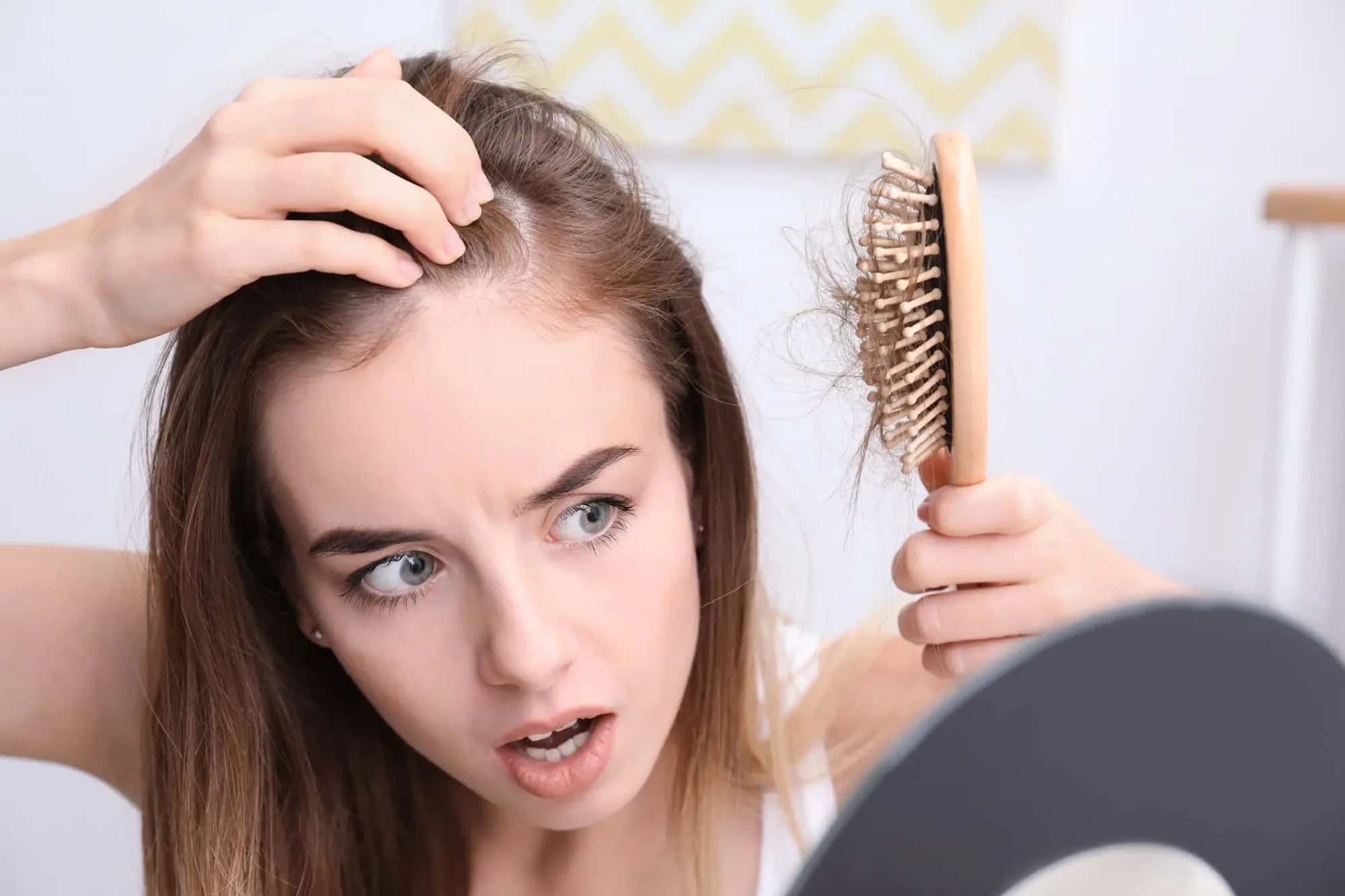
This guide explains what sudden hair loss means, which conditions commonly trigger rapid shedding, and how different patterns can point toward different underlying causes.
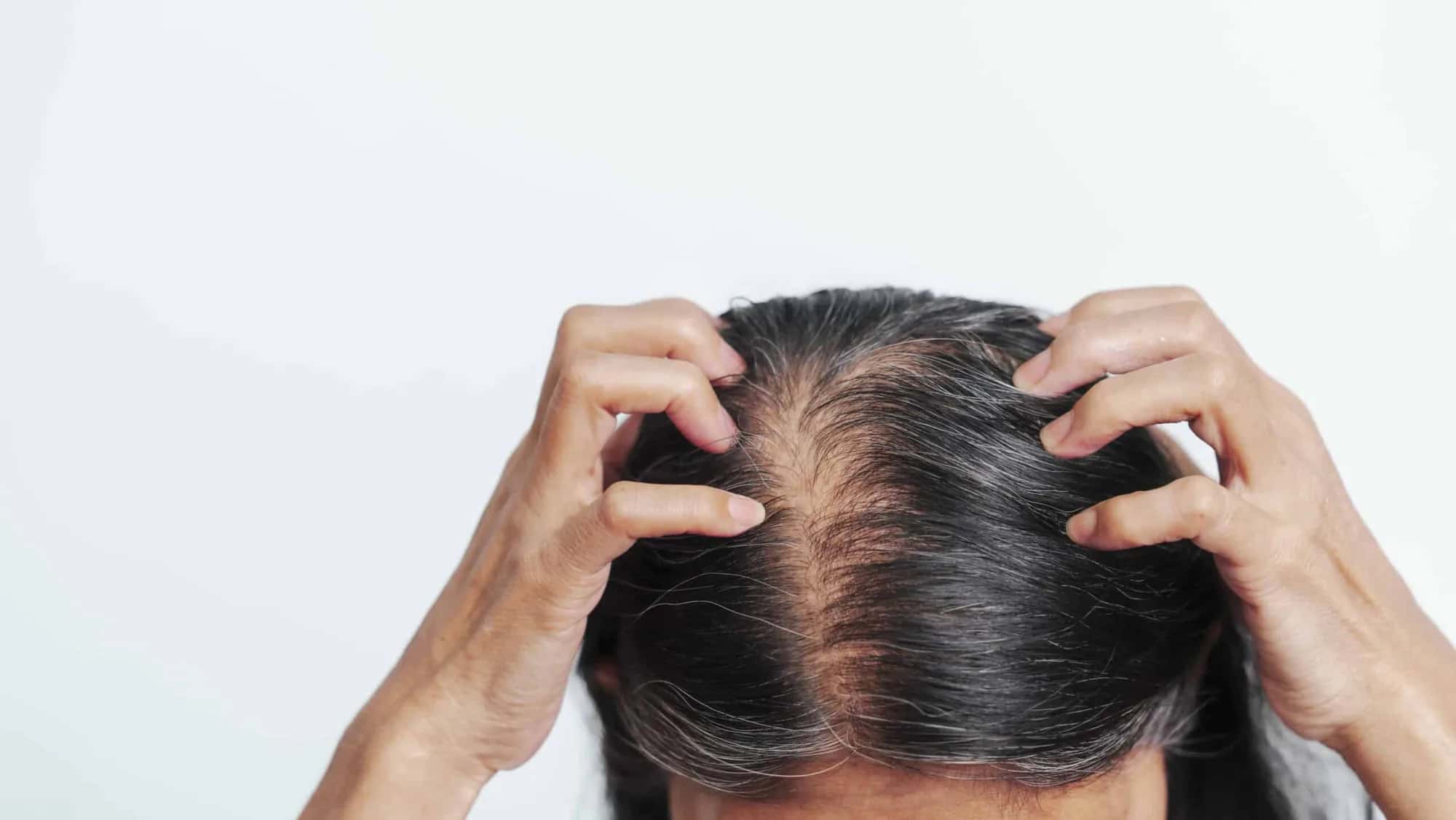
This guide explains how iron deficiency can contribute to hair loss, which blood tests matter, how ferritin relates to shedding, and when hair may begin recovering.
Subscribe to the Medifinder newsletter and never miss our latest content.