










Can Dandruff Cause Hair Loss?
Can dandruff cause hair loss? Learn how itching, inflammation and scalp conditions affect your hair, plus how to control flakes and support regrowth.

- Last updated
- 86 reads
- 9 min read


Finding flakes on your shoulders can feel frustrating enough. When you also notice extra strands in the shower or on your hairbrush, you may naturally wonder whether the two problems share a connection. So, can dandruff cause hair loss?
Ordinary dandruff does not usually damage hair follicles or cause permanent baldness. However, the itching, scratching and scalp inflammation that often accompany dandruff can contribute to temporary shedding or breakage. In some cases, what looks like simple dandruff may actually come from another scalp condition that can affect hair growth more directly.
The distinction matters. Mild flaking usually responds to consistent scalp care, while patchy hair loss, severe redness or painful inflammation may need professional treatment. Understanding what happens on your scalp can help you control the flakes without overlooking a separate cause of thinning.
What Is Dandruff?
Dandruff is a common scalp condition that causes visible flakes of dead skin. The flakes may look white, grey or slightly yellow, depending on your scalp, oil production and the products you use.
You may also experience itching, tightness or mild irritation. Some people develop small, dry flakes, while others notice oily scales that cling to the hair and scalp.
Dandruff often forms part of a mild type of seborrheic dermatitis. This inflammatory condition commonly affects areas that produce more oil, including the scalp, eyebrows, sides of the nose and skin around the ears.
A naturally occurring yeast called Malassezia may contribute to the condition. This yeast normally lives on human skin, but some people react more strongly to its activity. Oil production, stress, hormonal changes, weather and individual skin sensitivity can influence symptoms.
Dandruff is not contagious, and poor hygiene does not automatically cause it. Irregular washing can make flakes and oil more visible, but people with excellent hygiene can still develop the condition.
Does Dandruff Directly Cause Hair Loss?
Mild dandruff does not normally attack the hair root. It affects the skin around the follicles rather than destroying the follicles themselves. For that reason, dandruff alone rarely causes permanent hair loss.
The connection is usually indirect. An itchy scalp encourages scratching, and repeated scratching can irritate the skin or loosen hairs that were already close to shedding. Aggressive rubbing may also break fragile strands near the scalp.
More severe seborrheic dermatitis can create significant inflammation. When the scalp remains inflamed for a long period, the environment around the follicles may become less supportive of normal growth. You may notice increased shedding until you bring the condition under control.
This type of hair loss usually improves because the follicles remain intact. Once the irritation settles and the hair cycle stabilises, new growth can begin. However, regaining visible density takes time.
How Scratching Can Affect Your Hair
Itching is one of the main reasons dandruff and hair loss appear together. Scratching may provide a few seconds of relief, but forceful or repeated scratching can damage both your scalp and hair.
Your fingernails can create tiny breaks in the skin. These breaks may increase redness, tenderness and the risk of infection. Scratching can also lift scales aggressively, pulling attached hairs with them.
When you rub the same area repeatedly, you place additional stress on the hair shaft. Dry, bleached or chemically treated hair may snap more easily. The result can look like thinning even though the follicle continues to produce hair.
Try not to remove flakes by scraping them with your nails or a sharp comb. Treating the cause of the itch offers a safer and more effective solution.
Keeping your nails short may reduce accidental damage while you work on controlling the dandruff.
Can Scalp Inflammation Trigger Shedding?
Inflammation can disrupt the normal environment around a hair follicle. A mildly flaky scalp may not create enough inflammation to change growth, but severe or persistent seborrheic dermatitis can contribute to temporary shedding.
Hair follows a cycle that includes active growth, transition, rest and release. Physical stress on the scalp may push some follicles toward the resting stage earlier than expected. The affected strands can then fall weeks or months later.
This delay can make the connection difficult to recognise. Your scalp may already look calmer when the shedding becomes noticeable.
Inflammation can also make an existing hair loss condition appear worse. For example, you may already have hereditary pattern thinning, while dandruff adds extra shedding or causes the hair to lie flat and separate into visible sections.
Controlling inflammation may reduce this additional shedding, but it will not reverse an unrelated genetic condition by itself.
Hair Shedding and Hair Breakage Are Different
You may describe every loose strand as hair loss, but shedding and breakage happen in different ways.
A naturally shed hair leaves the follicle after completing its growth cycle. It usually has its full length and may show a small, pale bulb at one end. A broken hair snaps along the shaft, so it often looks shorter and lacks that bulb.
Dandruff-related scratching can contribute to both problems. Irritation may increase shedding, while rubbing and scraping may break weakened strands.
Look at the hairs you find on your clothing or around the sink. A mixture of short pieces may suggest breakage. Full-length strands may point to shedding from the root.
This simple check cannot replace a diagnosis, but it can help you describe the problem more clearly during a medical consultation.
Could Another Scalp Condition Be Responsible?
Not every flaky scalp problem is dandruff. Several conditions produce similar symptoms, and some have a stronger association with hair loss.
Scalp psoriasis can create thick, clearly defined scales and inflamed patches. Scratching or forcefully removing the scales may loosen hair, while inflammation can contribute to temporary shedding.
Eczema may cause intense itching, dryness and irritation. Repeated rubbing can damage the hair and scalp. Allergic contact dermatitis can also develop after exposure to hair dye, fragrance, preservatives or another product ingredient.
Tinea capitis, commonly called scalp ringworm, is a fungal infection that can cause scaling, broken hairs and patchy hair loss. It often needs prescription oral treatment because ordinary dandruff shampoo may not clear the infection.
Scarring forms of alopecia may begin with flaking, burning, bumps or redness. These conditions can permanently damage follicles, so early diagnosis matters.
A dermatologist can distinguish these problems by examining the scale, skin colour, follicle openings and pattern of hair loss.
Signs That You May Have More Than Dandruff
Mild dandruff usually causes flakes and limited itching without creating distinct bald areas. Certain symptoms suggest that another condition may be involved.
Pay attention to round or irregular bald patches, clusters of broken hairs or areas that feel painful rather than simply itchy. Thick crusts, pus-filled bumps, bleeding or open sores also need medical assessment.
A shiny patch without visible follicle openings may indicate scarring. Loss of eyebrows, eyelashes or body hair can provide another important clue.
You should also consider a professional examination when the scalp problem spreads to the face or body, becomes increasingly inflamed or fails to respond to appropriate dandruff treatment.
Do not assume that every case of hair loss comes from visible flakes. Iron deficiency, thyroid disorders, stress, rapid weight loss, medication and hereditary pattern loss may occur at the same time.
How Can You Treat Dandruff?
Consistent scalp care often controls mild dandruff. Start by washing your scalp regularly with a gentle shampoo. The ideal washing frequency depends on your hair texture, oil production and styling routine, but allowing heavy oil and product buildup to remain for long periods may worsen symptoms.
When ordinary shampoo does not help, consider an anti-dandruff shampoo. Common active ingredients include ketoconazole, selenium sulfide, salicylic acid, zinc-based ingredients and coal tar. They work in different ways, so one formula may suit your scalp better than another.
Follow the instructions on the bottle. Some medicated shampoos need to remain on the scalp for several minutes before rinsing. Washing them off immediately may reduce their effect.
Apply the shampoo to your scalp rather than concentrating on the lengths. Massage gently with your fingertips, not your nails. Rinse thoroughly and use conditioner on the mid-lengths and ends when necessary.
Some people rotate between different active ingredients if one product loses effectiveness or does not control every symptom. A pharmacist, doctor or dermatologist can help you select an appropriate option.
Can Anti-Dandruff Shampoo Stop Hair Loss?
Anti-dandruff shampoo may reduce shedding when scalp inflammation and scratching contribute to the problem. As the itching and scaling improve, you may disturb fewer hairs and create a healthier scalp environment.
However, shampoo cannot treat every form of hair loss. It will not correct iron deficiency, thyroid disease, hormonal changes or hereditary follicle miniaturisation. It also cannot restore follicles that a scarring condition has destroyed.
Avoid judging the treatment after one or two washes. Dandruff often requires several weeks of consistent care. Symptoms may return when you stop treatment completely, so you may need a maintenance routine.
Some medicated shampoos can dry the hair shaft. Apply them mainly to the scalp and use a suitable conditioner to protect the lengths. Stop using a product and seek advice if it causes severe burning, swelling or a worsening rash.
Hair-Care Mistakes That Can Make the Problem Worse
Scraping off flakes rarely solves dandruff. It often increases irritation and may pull out hairs trapped within the scale.
Very hot water can make an already sensitive scalp feel drier or itchier. Choose lukewarm water and avoid forceful towel drying.
Heavy oils can also create problems. Although oil may soften dry scale temporarily, applying thick layers to a seborrheic scalp may worsen greasy buildup in some people. Oils do not treat every cause of flaking.
Dry shampoo absorbs oil but does not clean the scalp in the same way as shampoo and water. Relying on it for long periods can allow residue, sweat and dead skin to accumulate.
Hair dye, bleach and chemical straightening may irritate an active rash. Give your scalp time to settle before exposing it to harsh treatments.
Tight hairstyles can add another source of tension. Choose loose styles while your scalp feels sore or inflamed.
Will Hair Grow Back After Dandruff Improves?
Hair usually grows back when dandruff-related inflammation, scratching or breakage caused the apparent loss. The follicles remain capable of producing new strands.
You may notice reduced shedding before you see improved density. Hair grows slowly, so visible recovery can take several months. Short regrowing hairs may first appear around the hairline or part.
Breakage can also take time to correct because the damaged lengths need to grow out. Gentle handling and reduced heat can protect the new growth.
Take photographs every two or three months under similar lighting. Daily mirror checks may exaggerate small changes and make progress difficult to recognise.
Continued thinning after the dandruff improves may indicate a second condition. In that situation, treating the flakes alone will not restore density.
When Should You See a Dermatologist?
Arrange a professional assessment if your scalp remains itchy, red or heavily scaled after several weeks of appropriate home treatment.
You should seek advice sooner if you develop patchy hair loss, pain, swelling, sores, pus or thick crusts. Rapid shedding, a clearly receding hairline or widening part also deserves evaluation.
A dermatologist can determine whether you have dandruff, seborrheic dermatitis, psoriasis, eczema, a fungal infection or another scalp disorder. The specialist may prescribe stronger antifungal treatments, short-term anti-inflammatory medication or another therapy based on the diagnosis.
Medical assessment can also identify a separate cause of hair loss. Blood tests may help when your symptoms suggest iron deficiency, thyroid dysfunction or another health issue.
Early treatment becomes especially important when inflammation may damage the follicles permanently.
- Last updated
- Language
- English
How did you find this article?
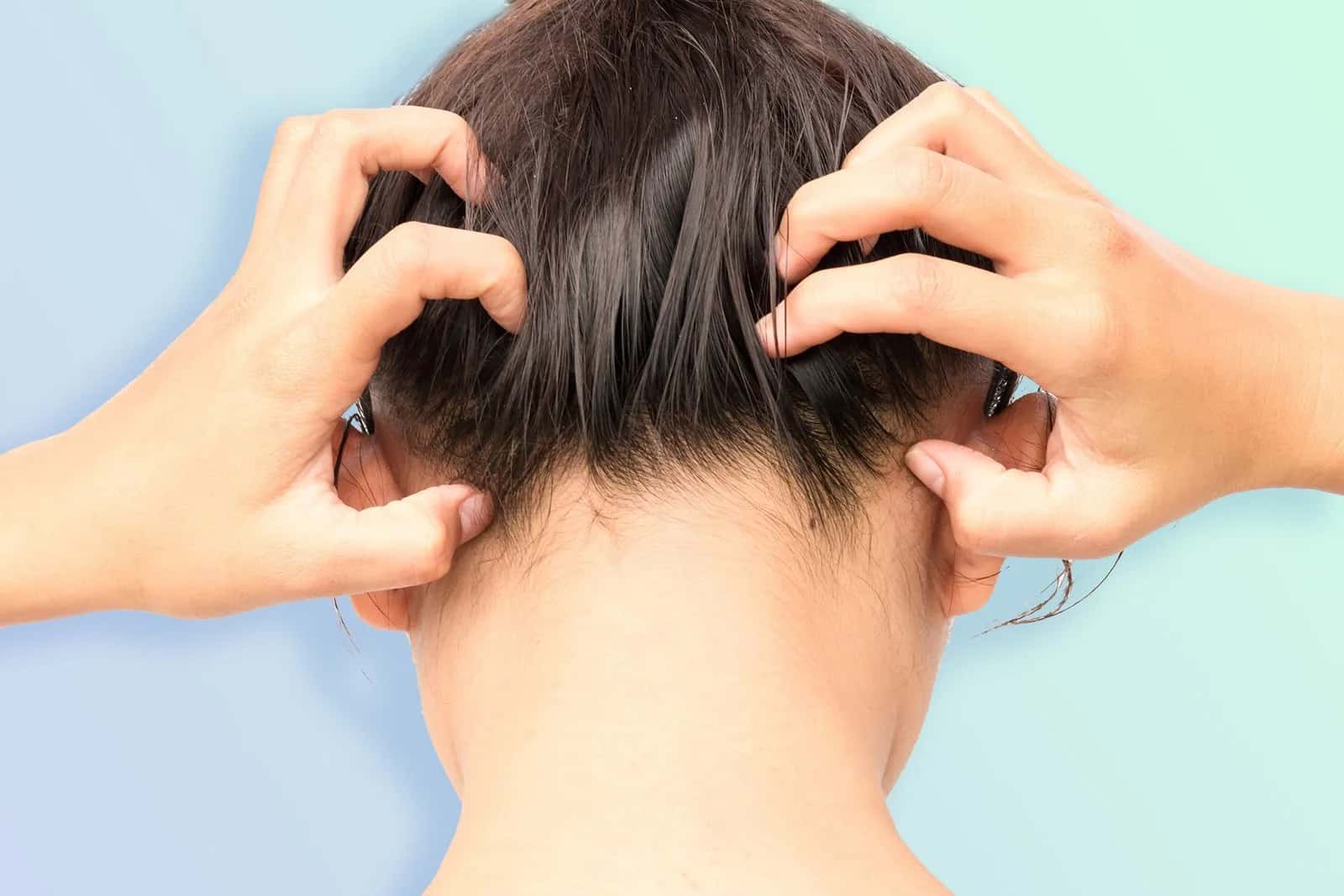
Air conditioning can dry out your scalp by reducing indoor humidity and affecting the skin's ability to maintain adequate moisture. Prolonged exposure to dry, cooled air may contribute to itching, flaking, tightness, and irritation, particularly when the scalp is already sensitive or prone to dryness.
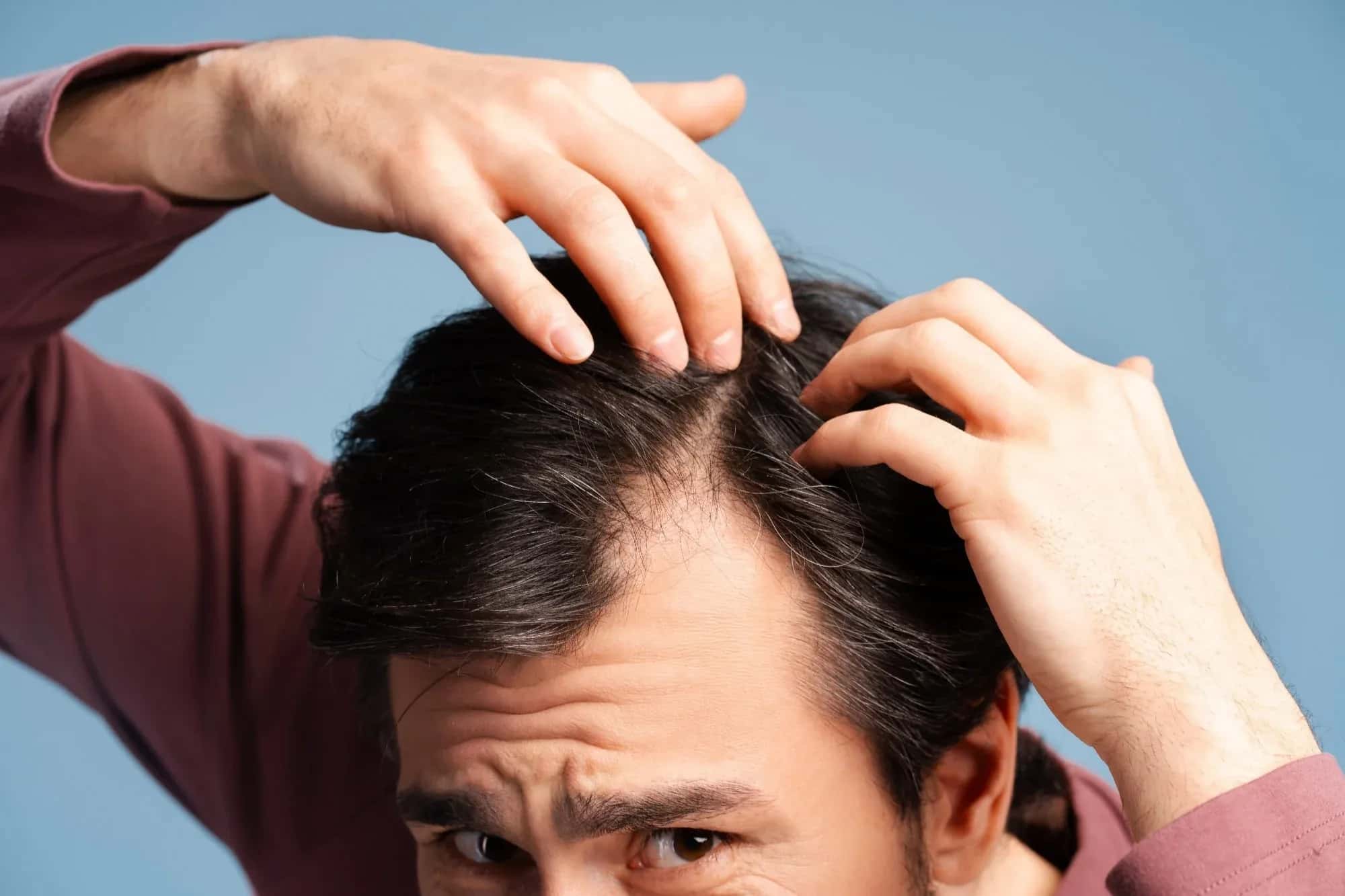
Certain dietary supplements can cause hair loss when taken in excessive amounts, particularly products containing high doses of vitamin A, selenium, or other concentrated nutrients. While supplements can help correct nutritional deficiencies that affect hair growth.
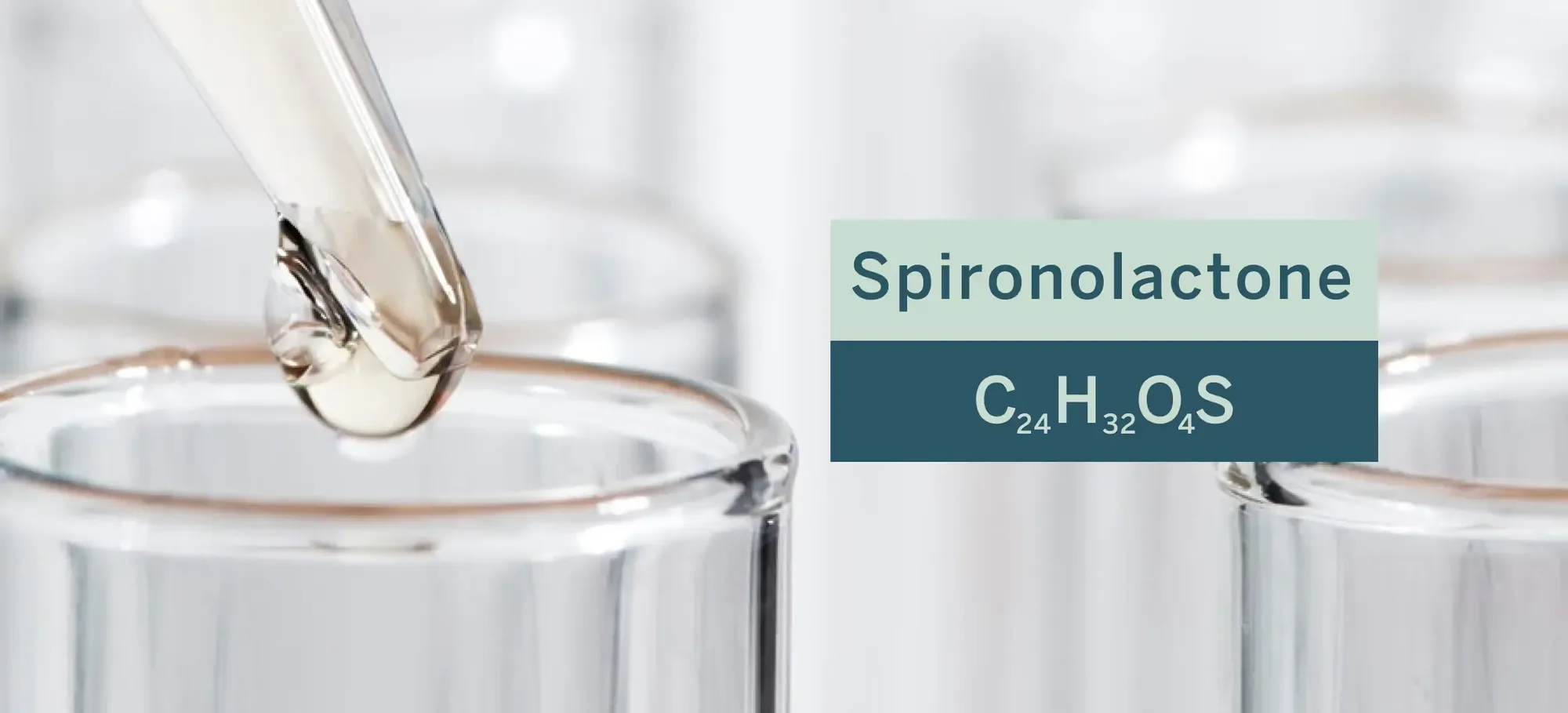
Spironolactone for female hair loss can help slow progressive thinning and improve hair density by reducing the effects of androgens on sensitive hair follicles. Although this prescription medication is not specifically approved for hair loss, clinical research supports its use in selected women.
Subscribe to the Medifinder newsletter and never miss our latest content.