










Biomimetic Dentistry: How It Preserves Natural Teeth?
Biomimetic dentistry focuses on repairing damaged teeth while preserving as much healthy enamel and dentin as possible, using restorative techniques that respect the structure and mechanical behavior of natural teeth.

- Last updated
- 24 reads
- 15 min read
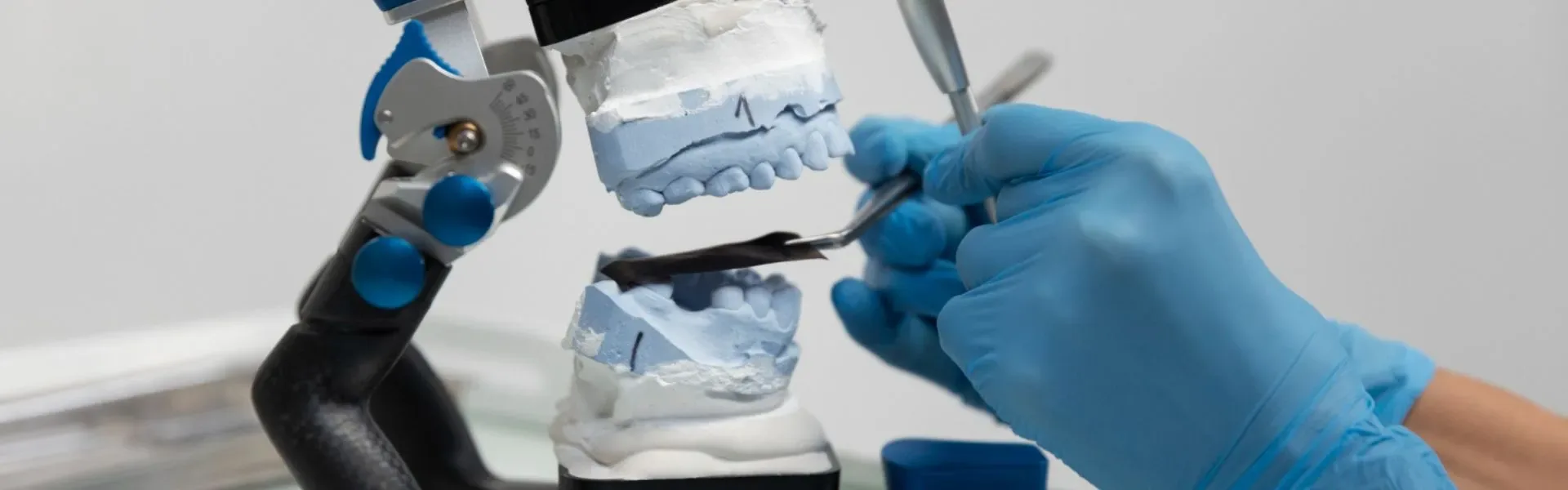


What Is Biomimetic Dentistry?
Biomimetic dentistry is an approach to restorative dental treatment that takes the natural tooth as its structural reference. Rather than concentrating exclusively on replacing damaged material, it considers how the remaining tooth and the restoration will function together under everyday chewing forces.
The principle is straightforward: preserve healthy tissue where possible and restore what has been lost with materials and techniques suited to the remaining structure.
Biomimetic dentistry is not a separate treatment that every patient needs, nor does the term represent a universally recognized dental specialty. It describes a treatment philosophy that draws on conservative preparation, adhesive dentistry and an understanding of tooth biomechanics.
What Does Biomimetic Dentistry Aim to Reproduce?
A natural tooth is not a solid block of material. Its outer enamel is highly mineralized and resistant to wear, while the underlying dentin is more flexible and helps distribute forces through the tooth.
These tissues work together. When a tooth bends slightly during chewing, the relationship between enamel and dentin influences how stresses travel through its structure.
Biomimetic restoration aims to respect that relationship, often by combining a suitable restorative material with an effective adhesive connection.
The goal is not to reproduce natural enamel and dentin perfectly. Current dental materials imitate selected properties, but none fully recreates the complex architecture of a living tooth.
Why Does Preserving Natural Enamel and Dentin Matter?
Removing healthy tooth structure has consequences that cannot simply be reversed at a later appointment. Enamel does not regenerate after drilling, and a large preparation can leave the remaining cusps more vulnerable to bending or fracture.
Dentin is equally important because it forms much of the tooth's supporting structure and surrounds the sensitive pulp.
A conservative restoration therefore considers more than the size of the visible cavity. It evaluates which areas are genuinely damaged, which remain structurally useful and where additional support is needed.
Preserving tissue is valuable, but retaining a severely weakened wall at any cost is not. The remaining structure must still be capable of supporting a durable restoration.
How Is Biomimetic Dentistry Different From Conventional Restorative Dentistry?
The distinction lies primarily in treatment planning rather than in a completely different set of materials.
A biomimetic approach emphasizes the preservation of sound tissue, reliable bonding and restoration designs that account for the way a tooth bends under load. This may favor a bonded onlay instead of a full crown when enough healthy structure remains.
Yet modern conventional dentistry also includes minimally invasive fillings, bonded ceramics and selective decay removal. These principles are not exclusive to treatments labeled biomimetic.
The more meaningful comparison is between specific procedures: how much healthy tooth must be removed, how securely the restoration can be retained and whether it provides adequate protection.
Which Dental Problems Can Benefit From a Biomimetic Approach?
Biomimetic techniques are particularly relevant when a tooth has lost part of its structure but retains enough healthy tissue to support a predictable restoration.
-
Moderate or extensive cavities: Conservative preparation and adhesive restorations may replace damaged tissue without automatically requiring complete coverage of the tooth.
-
Fractured or weakened cusps: Partial-coverage restorations can protect vulnerable chewing surfaces while preserving tooth walls that remain structurally sound.
-
Large or failing fillings: Replacing a deteriorated restoration provides an opportunity to reassess which parts of the tooth need removal and which can remain intact.
-
Selected cracked teeth: Bonded restorations with appropriate cusp protection may help manage certain cracks, provided the fracture has not extended beyond the tooth's capacity for restoration.
How Is a Tooth Evaluated Before Biomimetic Restoration?
Consider a molar with an old filling and a dark line extending toward one cusp. Replacing the filling immediately would reveal only part of the problem. The more important questions concern the depth of the crack, the condition of the pulp and the amount of enamel available for bonding.
Assessment may include dental radiographs, magnification, bite testing and examination of the remaining tooth walls. Sensitivity to temperature and pain when releasing biting pressure can also provide diagnostic clues.
The restoration is planned around what the tooth actually needs, not simply the material that could fit inside the existing cavity.
Does Biomimetic Dentistry Require Removing All Decayed Dentin?
Deep decay does not always need to be removed until every part of the cavity feels equally hard.
When decay approaches a living, otherwise treatable pulp, aggressive excavation can increase the chance of exposing the pulp unnecessarily. Selective caries removal may instead preserve a controlled layer of softened dentin near the pulp while establishing suitable peripheral margins for a durable seal.
This is not the same as ignoring active decay. The technique depends on diagnosis, appropriate removal at the cavity margins and effective sealing of the restoration.
For an overview of treatment choices at different stages of decay, see best cavity treatment methods.
Can Biomimetic Dentistry Help Save Teeth With Deep Cavities?
A tooth with deep decay presents two challenges: removing enough damaged tissue to restore the tooth and avoiding unnecessary injury to the living pulp.
If the pulp remains healthy or shows signs compatible with recoverable inflammation, conservative caries management may reduce the risk of accidental exposure. In selected situations, treatment that protects or preserves pulp vitality can also be considered.
The outlook changes when a tooth already has significant pulpal infection, necrosis or damage that cannot be managed through conservative measures.
Biomimetic principles can support tooth preservation, but they do not make every deeply decayed tooth suitable for a filling or bonded onlay.
How Are Cracked Teeth Managed With Biomimetic Techniques?
A crack is not simply another cavity. Its direction and depth determine whether the tooth can be protected or whether the fracture threatens its long-term survival.
A superficial enamel line may need no restorative treatment. A crack involving a loaded cusp may require coverage that limits bending during chewing.
For a restorable cracked molar, a bonded onlay or another carefully designed restoration may help protect weakened cusps while preserving unaffected tooth structure.
The situation becomes considerably more serious when a fracture extends beneath the gum, divides the tooth or involves the root. Adhesive materials cannot reliably repair every structural failure.
When Is Direct Composite Bonding an Appropriate Choice?
Direct composite bonding can be useful when tooth damage is limited enough to restore without fabricating a separate laboratory-made restoration.
After preparing the affected area, a tooth-colored composite resin is applied, shaped and hardened using a curing light. Adhesive techniques connect the material to the remaining enamel and dentin.
A small cavity, chipped edge or selected moderate-sized defect may respond well to this approach.
The limitation becomes more apparent when several cusps are weakened or large portions of the chewing surface are missing. In those cases, restoring shape is not enough; the design must also control fracture risk.
Why Are Onlays and Overlays Important in Biomimetic Dentistry?
An onlay restores a damaged portion of a tooth while covering one or more cusps. An overlay generally provides more extensive coverage of the chewing surface without necessarily surrounding the entire tooth as a conventional crown would.
Imagine a molar with a large failed filling but reasonably intact outer walls. A carefully designed onlay may protect its vulnerable cusps without removing healthy tissue from every side.
This selective coverage is one reason onlays are closely associated with biomimetic restoration.
However, partial coverage is not inherently superior in every situation. Its success depends on the remaining tooth structure, available bonding surfaces and forces the restoration must withstand.
When Is a Full Dental Crown Still Necessary?
Conserving tooth structure should not become a rule that overrides the need for adequate protection.
A full crown may be appropriate when extensive damage leaves little reliable enamel or dentin, when multiple walls have been lost or when a predictable bonded partial restoration cannot be achieved.
Certain fracture patterns and previously restored teeth also require broader coverage.
The decision should consider structural support, retention, fracture risk and the condition of the pulp, rather than relying on the assumption that a smaller restoration is always better.
A well-indicated crown can be a tooth-preserving treatment when the alternative would expose a severely compromised tooth to further fracture.
How Does Adhesive Bonding Support a Weakened Tooth?
Adhesive bonding helps connect restorative materials to tooth structure rather than relying entirely on mechanical retention.
The process involves preparing the bonding surfaces, applying suitable adhesive materials and creating a durable connection between the restoration and enamel or dentin.
This can make certain conservative preparation designs possible because the restoration does not always need the same geometric retention features as a traditionally cemented restoration.
However, bonding does not transform a heavily damaged tooth into an untouched natural one.
Its effectiveness depends on the condition of the bonding surface, material selection, moisture control and long-term exposure to chewing forces and oral fluids.
What Is Immediate Dentin Sealing?
Immediate dentin sealing, often abbreviated as IDS, involves applying an adhesive layer to freshly prepared dentin before an indirect restoration is completed.
Dentin becomes exposed when the tooth is prepared for an onlay or other restoration. Sealing it promptly may help protect the prepared surface and establish favorable conditions for later bonding.
Laboratory research generally supports improvements in certain bonding measurements, while clinical studies have reported encouraging restorative outcomes.
However, research findings are not entirely uniform, particularly regarding postoperative sensitivity and marginal sealing.
Immediate dentin sealing is therefore a useful technique with supporting evidence, not a guarantee that a restoration will last longer or remain completely free from sensitivity.
Why Is Rubber Dam Isolation Important for Bonded Restorations?
Bonding relies on controlling the environment in which the adhesive is applied. Saliva, blood and moisture can interfere with certain bonding procedures, particularly when they contaminate prepared tooth surfaces.
A rubber dam creates a barrier around the treatment area, helping keep the tooth isolated while adhesive materials are placed and cured.
This is especially valuable when treatment involves several bonding stages or a restoration extending close to the gum.
Isolation does not compensate for unsuitable treatment planning, but it supports the precise conditions that adhesive techniques require.
When complete isolation cannot be achieved, the predictability of a bonded restoration may be reduced.
How Does Cusp Coverage Reduce the Risk of Tooth Fracture?
The cusps of a molar are the raised sections that contact opposing teeth during chewing. When a large cavity or old filling removes the internal support between them, these structures may flex under pressure.
A narrow restoration placed between weakened cusps may leave them vulnerable to further separation.
Cusp coverage changes the design by protecting the affected chewing surfaces and helping distribute forces across the restored tooth.
The amount of coverage should correspond to the structural weakness present. Covering an intact cusp unnecessarily removes healthy tissue, while leaving a compromised cusp unsupported may increase fracture risk.
The goal is controlled protection, not simply the smallest possible filling.
Which Materials Are Used in Biomimetic Dental Restorations?
Biomimetic dentistry does not depend on one exclusive restorative material. Different materials offer different combinations of stiffness, wear resistance, appearance and bonding characteristics.
Composite resin can be placed directly into a prepared tooth or manufactured as an indirect restoration. Certain ceramic materials, including lithium disilicate, are commonly used for bonded onlays and partial crowns.
The choice depends on the amount of remaining tooth structure, available space, occlusal forces and the intended restoration design.
A material that resembles natural enamel in one mechanical property does not necessarily reproduce all the properties of enamel and dentin.
Appropriate design and bonding remain just as important as the material itself.
What Is Deep Margin Elevation?
Deep margin elevation is a restorative technique used when part of a cavity extends close to or slightly below the gum line.
A suitable restorative material is used to raise the preparation margin to a position where an indirect restoration can be bonded and maintained more predictably.
This may improve access for isolation, impression taking or digital scanning.
However, moving a restorative margin does not automatically solve every deep cavity problem. The depth of the defect, gum health and relationship to the tissues supporting the tooth must be considered.
If the margin compromises the periodontal attachment or cannot be isolated properly, another treatment strategy may be necessary.
Can Biomimetic Dentistry Prevent Root Canal Treatment?
Preserving a living pulp is an important objective of conservative dentistry, especially when treating deep decay.
Selective caries removal and suitable pulp-preserving techniques may reduce unnecessary exposure of the pulp in appropriately selected teeth.
However, a tooth with an infected or non-vital pulp cannot be made healthy simply by bonding a restoration over it. Root canal treatment may still be required when the diagnosis indicates that the internal tissues cannot be preserved through other appropriate methods.
For patients who already need endodontic treatment, understanding pain and recovery after a root canal can clarify what happens after the infected tissue is treated.
Can Root Canal Treated Teeth Receive Biomimetic Restorations?
A tooth that has undergone root canal treatment may still benefit from conservative restoration when sufficient sound structure remains.
The absence of a living pulp does not automatically require a full crown in every case. Selected posterior teeth can receive bonded onlays or overlays that protect weakened cusps while preserving suitable remaining walls.
However, root canal treated teeth often have substantial structural damage from the decay or fractures that made treatment necessary.
The restorative decision must reflect how much tooth remains, where the damage is located and whether reliable bonding and retention are possible.
Preserving tooth structure remains important, but adequate reinforcement cannot be sacrificed.
Is Biomimetic Dentistry Suitable for Front Teeth?
Front teeth present different demands from molars. Their appearance matters greatly, while their thinner edges must withstand biting and other directional forces.
Small chips, worn edges and selected defects may be restored with directly bonded composite, preserving most of the natural tooth.
More extensive damage may require ceramic veneers or other bonded restorations, provided the underlying tooth structure offers suitable support.
However, cosmetic improvement should not justify removing healthy enamel without a clear reason.
The best restoration balances appearance with the long-term condition of the tooth. Color, translucency and surface texture matter, but so does preserving enough structure for future maintenance.
What Happens During a Biomimetic Dental Restoration?
The appointment begins with confirming the diagnosis and determining how much damaged tooth structure must be removed.
After local anesthesia when needed, the tooth is isolated and the affected tissue is treated. The remaining structure is then evaluated before the final restoration design is selected.
A direct composite restoration may be completed during the same appointment. For an indirect onlay or overlay, the tooth can be scanned or an impression taken before the restoration is fabricated.
Adhesive protocols, material placement and bite adjustment complete the procedure.
The process may involve additional steps compared with a straightforward filling, but those steps serve specific structural and bonding purposes.
What Can Cause a Biomimetic Restoration to Fail?
Even a conservatively prepared, carefully bonded restoration remains exposed to chewing forces, moisture and changes in oral health over time.
-
Adhesive failure: Contamination during bonding, inadequate surface preparation or deterioration of the bonded interface may allow the restoration to loosen or develop marginal problems.
-
Restoration or tooth fracture: Excessive chewing forces, unsupported cusps or insufficient material thickness can contribute to cracking in either the restoration or the remaining tooth.
-
Recurrent decay: Bacterial plaque and a diet that frequently exposes teeth to fermentable carbohydrates can lead to new decay near restoration margins.
-
Uncontrolled bite forces: Teeth grinding, clenching or an unfavorable bite relationship can increase mechanical stress and shorten the useful life of an otherwise suitable restoration.
How Long Do Biomimetic Restorations Last?
The lifespan of a biomimetic restoration cannot be reduced to one universal number because the term includes different materials, designs and clinical situations.
Bonded partial-coverage ceramic restorations have shown favorable outcomes in clinical studies, but the available evidence includes differences in follow-up duration and how restoration success is measured.
Some restorations remain functional for many years, while others require repair or replacement because of fracture, recurrent decay or loss of retention.
It is important to distinguish a restoration remaining in place from a restoration remaining completely free of complications.
Biomimetic dentistry offers a thoughtful approach to preservation, but current evidence does not establish that every treatment labeled biomimetic outlasts a properly indicated conventional restoration.
Is Biomimetic Dentistry More Expensive Than Traditional Treatment?
Biomimetic procedures may involve additional preparation, isolation, adhesive stages and laboratory fabrication, which can increase the initial cost compared with a simple direct filling.
An indirect ceramic onlay, for example, generally involves a different process and expense from a small composite restoration.
However, comparing only the immediate fee can overlook important differences in how much healthy tooth structure each treatment removes.
Future maintenance also matters. A restoration that can be repaired may present different long-term considerations from one requiring complete replacement.
The appropriate comparison is between clinically suitable options for the same tooth, including expected maintenance, structural consequences and cost.
What Aftercare Helps Biomimetic Restorations Last?
Daily care cannot eliminate every mechanical risk, but it helps protect the restored tooth and the surrounding structures.
-
Maintain effective oral hygiene: Brush with fluoride toothpaste and clean between the teeth to reduce plaque accumulation and the risk of decay near restoration margins.
-
Address grinding or clenching: When excessive bite forces are present, appropriate assessment and protective measures may reduce repeated stress on restored cusps.
-
Avoid unnecessary mechanical damage: Chewing ice, opening packaging with the teeth and repeatedly biting extremely hard objects can damage both natural enamel and restorative materials.
-
Attend regular examinations: Periodic checks help identify marginal defects, recurrent decay, changes in the bite and early cracks before more extensive damage develops.
When Is Biomimetic Dentistry Not the Right Treatment?
Some teeth are too severely damaged to support a predictable conservative restoration.
Extensive decay extending beyond restorable limits, a vertical root fracture or inadequate remaining structure may make a bonded onlay unsuitable.
Active pulpal infection also requires appropriate treatment rather than an attempt to preserve vitality through restorative materials alone.
Other limitations include an inability to isolate the tooth adequately, unfavorable preparation margins and severe mechanical loading that cannot be managed with the proposed design.
In these situations, a full crown, root canal treatment or another intervention may provide a more appropriate solution.
A conservative approach should preserve useful tissue, not preserve a failing structure at the expense of predictable treatment.
What Matters Most When Choosing Biomimetic Dentistry?
The central question is not whether a restoration carries the biomimetic label. It is whether the proposed treatment preserves valuable tooth structure while providing enough protection for the damage that already exists.
For a small cavity, that may mean a straightforward bonded filling. For a fractured molar, it may mean covering weakened cusps with a carefully designed onlay. For a tooth with extensive structural loss, a crown may remain the more appropriate restoration.
Each choice involves balancing conservation, bonding quality, mechanical support and the ability to maintain the result over time.
Biomimetic dentistry is most meaningful when these principles guide a specific clinical decision. Its value lies in treating the natural tooth as a structure worth preserving, without overlooking the limitations of the tissue, materials or restorative techniques involved.
- Last updated
- Language
- English
How did you find this article?
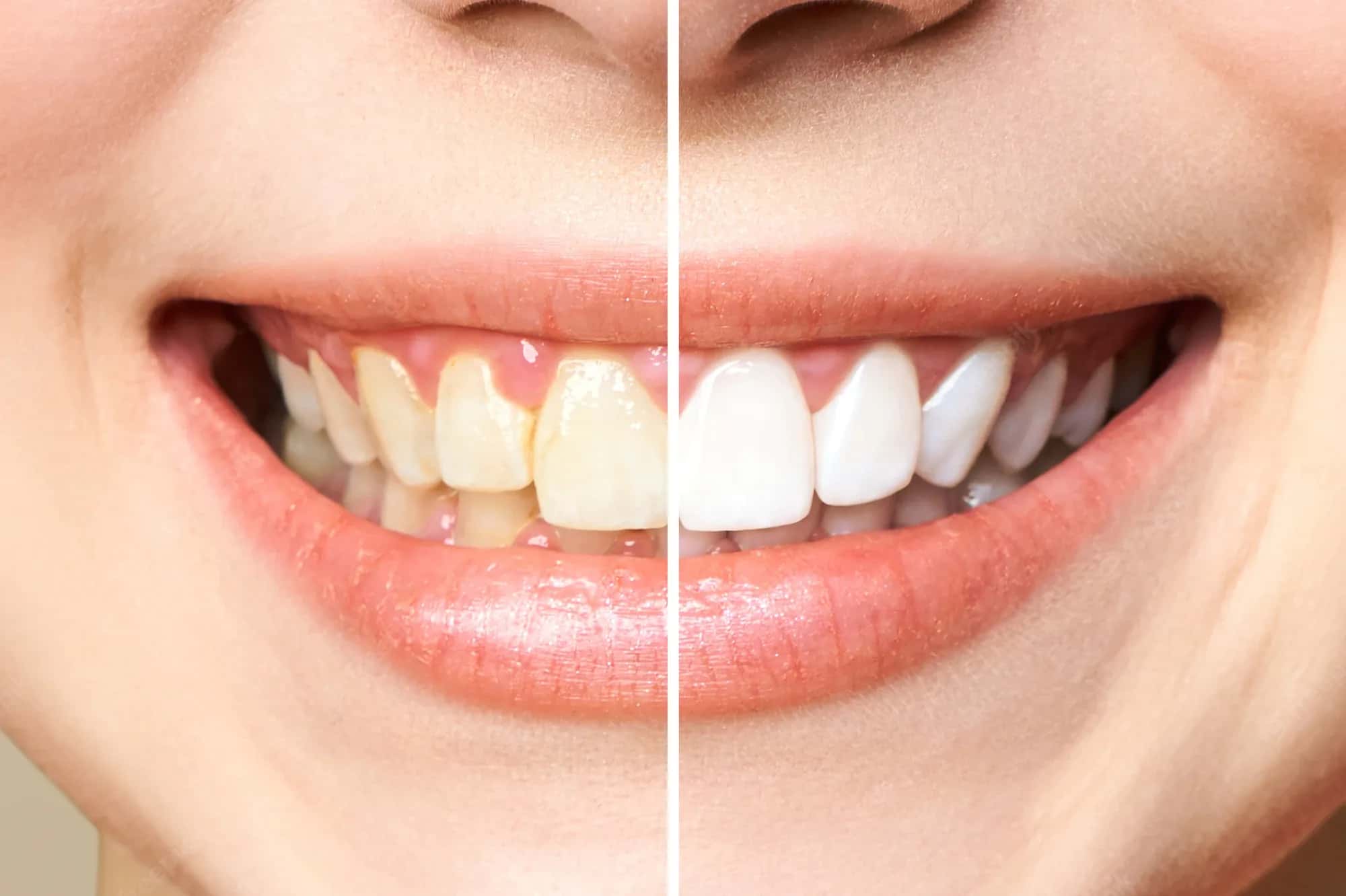
Teeth whitening costs around the world vary substantially, with professional treatment generally costing less in countries such as Turkey, Mexico and India than in the United States or United Kingdom.
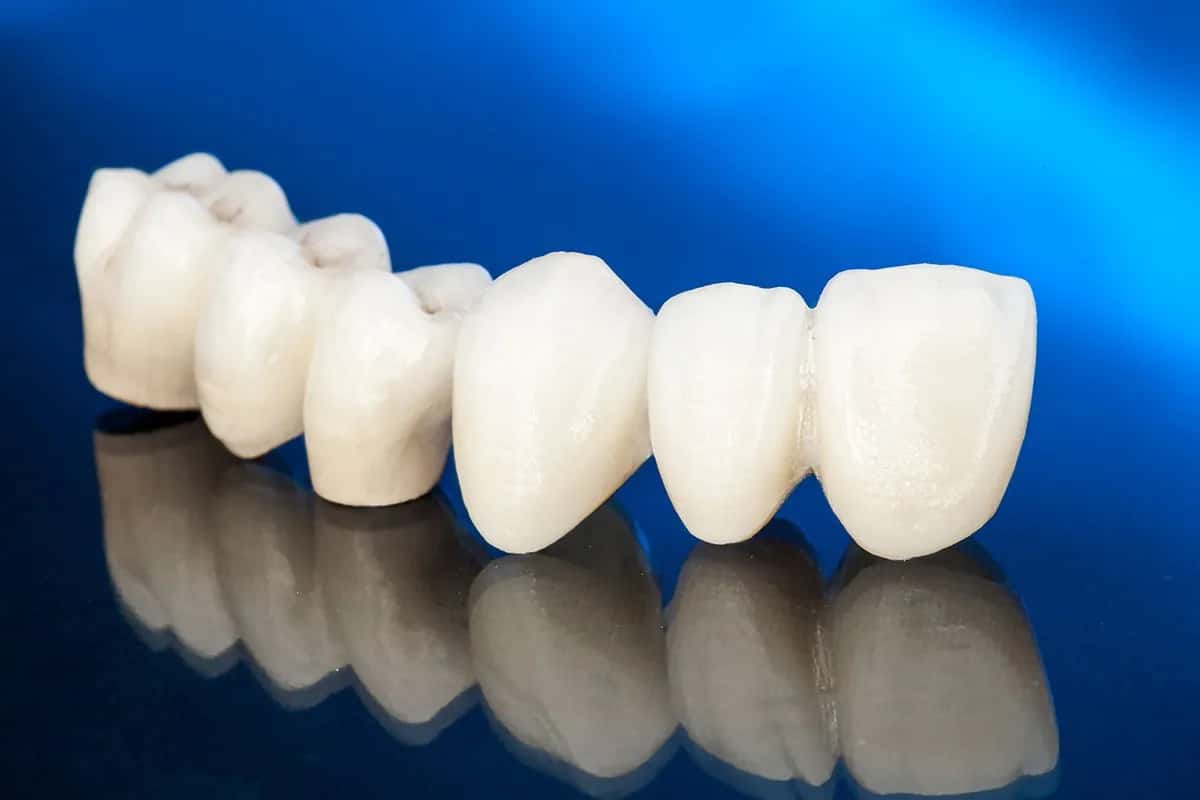
Zirconium crown costs around the world vary significantly, from approximately €180–€400 per tooth in Turkey to $1,000–$2,500 in the United States, based on published 2026 private-treatment prices.
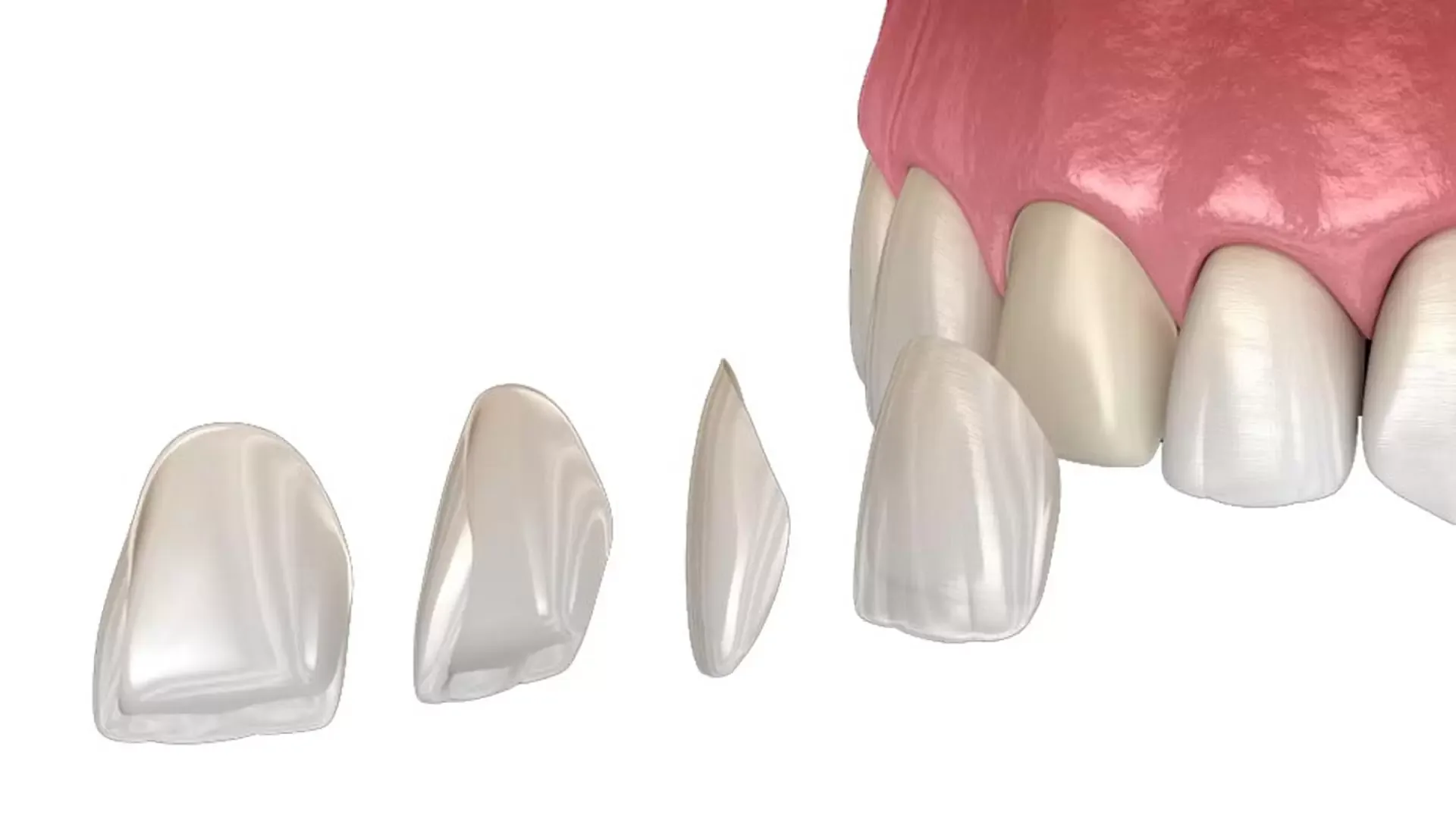
E-Max costs around the world differ significantly, with ceramic veneers and crowns available at lower published prices in countries such as Turkey, Mexico and Hungary than in the United States or United Kingdom.
Subscribe to the Medifinder newsletter and never miss our latest content.