










Best Cavity Treatment Methods
This comprehensive guide explores the most effective cavity treatment methods ranging from early remineralization techniques to advanced restorative procedures.

- Last updated
- 43 reads
- 7 min read


What Are The Best Cavity Treatment Methods Available Today?
The best cavity treatment methods include fluoride applications, composite fillings, dental crowns, root canal therapy, and tooth extractions based on the decay severity.
Early-stage decay requires non-invasive remineralization using professional fluoride varnishes to restore lost enamel minerals. Moderate cavities necessitate drilling away the decayed tissue and placing durable filling materials to restore function. When structural damage becomes extensive, custom-fabricated crowns provide essential coverage and physical protection. Deep infections reaching the dental pulp demand root canal therapy to remove necrotic tissue and save the biological tooth. Irreparable structural damage leaves extraction as the final mandatory option to prevent systemic bacterial spread.
How Do Fluoride Treatments Reverse Early Tooth Decay?
Fluoride treatments reverse early tooth decay by depositing essential minerals back into the weakened enamel structure to halt microscopic cavity progression.
This preventative process is scientifically known as remineralization. Highly concentrated fluoride varnishes or gels attract calcium and phosphate ions from saliva directly into the porous enamel surface. These integrated minerals create fluorapatite, which is significantly more resistant to acidic bacterial attacks than natural tooth structure. Reversing incipient lesions prevents the need for invasive drilling and subsequent restorative materials. Consistent professional applications effectively repair microscopic enamel defects before they develop into permanent structural cavities.
What Are Dental Fillings Used For In Cavity Treatment?
Dental fillings are used to seal empty spaces inside a tooth after the decayed tissue is surgically removed to restore normal chewing function.
Bacterial acids permanently dissolve enamel and dentin, creating physical voids that cannot heal naturally. Leaving these holes open allows remaining bacteria to penetrate deeper toward the sensitive nerve center. The dentist cleans the infected area thoroughly before placing a biocompatible material into the prepared cavity space. This restorative material completely seals the vulnerable internal structures against future bacterial invasion. Properly placed fillings rebuild the original anatomical shape of the tooth while maintaining proper bite alignment.
What Materials Are Primarily Used For Dental Fillings?
The primary materials used for dental restorative fillings include several distinct options that provide varying levels of aesthetic appeal and structural durability.
- Composite resins offer excellent cosmetic results by matching the exact natural colour of the surrounding tooth enamel.
- Silver amalgam provides exceptional strength and longevity for repairing large cavities located on posterior chewing teeth.
- Glass ionomer materials release strengthening fluoride over time and are ideal for cavities near the delicate gum line.
- Gold alloys deliver unmatched durability and withstand extreme masticatory forces without fracturing or degrading over decades.
- Ceramic porcelains resist staining highly and provide superior aesthetic blending for highly visible restorative work.
How Do Dental Crowns Protect Severely Decayed Teeth?
Dental crowns protect severely decayed teeth by completely encasing the remaining visible structure to prevent catastrophic fracturing under normal chewing pressure.
Extensive cavities often destroy too much natural enamel for a standard filling to support securely. When the remaining tooth walls become dangerously thin, masticatory forces can easily split the biological root. A custom-fabricated cap fits precisely over the prepared tooth, distributing biting forces evenly across the entire surface. These prosthetic restorations are permanently cemented into place using high-strength dental adhesives. Modern crowns utilize durable ceramic or zirconia materials to provide both immense structural resilience and natural aesthetics.
When Is A Root Canal Required For Cavity Treatment?
A root canal is required when bacterial decay penetrates through the hard enamel and dentin layers to infect the sensitive inner dental pulp.
The dental pulp contains vital blood vessels and sensitive nerve tissues that react painfully to bacterial toxins. Once this interior chamber becomes infected, the biological tissue inevitably becomes necrotic and forms a painful abscess. Standard surface fillings cannot reach or resolve this deep internal infection effectively. The procedure involves carefully extracting the diseased pulp tissue from the hollow root canals entirely. After thorough disinfection, the empty canals are sealed tightly with biocompatible rubber to prevent future bacterial colonization.
Why Is Tooth Extraction Considered A Last Resort For Cavities?
Tooth extraction is considered a last resort because missing teeth cause adjacent teeth to shift and lead to progressive jawbone deterioration over time.
Preserving the natural biological tooth structure remains the primary goal of all conservative dental treatments. When structural decay progresses below the gum line, restoring the tooth securely becomes physically impossible. Removing the infected root entirely prevents dangerous bacterial infections from spreading into the surrounding jawbone or bloodstream. However, this permanent loss creates structural imbalances within the dental arch that affect daily mastication. Patients must subsequently invest in costly dental implants or bridges to restore normal oral function.
How Does Silver Diamine Fluoride Stop Cavity Progression?
Silver diamine fluoride stops cavity progression by combining the potent antibacterial properties of silver with the enamel-strengthening capabilities of concentrated fluoride.
This specialized liquid medication is painted directly onto the active carious lesion using a small microbrush. The silver ions immediately rupture the bacterial cell membranes, effectively neutralizing the active decay process on contact. Simultaneously, the fluoride component rapidly remineralizes the damaged tooth structure to prevent further degradation. This non-invasive liquid treatment requires no painful drilling or local anesthetic injections. The solution permanently hardens the softened dentin, though it does leave a distinct dark stain on the treated decayed area.
How Do Dental Sealants Prevent Future Cavities From Forming?
Dental sealants prevent cavities by creating a smooth physical barrier over the deep grooves located on the chewing surfaces of posterior molars.
These anatomical pits and fissures frequently trap microscopic food particles and harmful plaque bacteria. Toothbrush bristles are physically too large to clean out these narrow crevices effectively during daily oral hygiene routines. Applying a thin liquid resin over these vulnerable surfaces seals the anatomical depressions completely. The resin is quickly hardened using a specialized ultraviolet curing light to form a durable protective shield. This simple preventative measure dramatically reduces the risk of occlusal decay developing in highly susceptible areas.
What Symptoms Indicate That A Cavity Requires Immediate Treatment?
Symptoms indicating an immediate need for cavity treatment include severe spontaneous throbbing pain, extreme temperature sensitivity, and visible dark holes in the enamel.
Early microscopic decay generally produces absolutely no noticeable symptoms or physical discomfort for the patient. As the bacterial damage penetrates the deeper dentin layer, sharp pain occurs when consuming sweet or acidic foods. Pain that awakens a patient from sleep signals that the infection has reached the central nerve chamber. Localized swelling around the adjacent gum tissue strongly suggests an active periapical abscess has formed. Prompt professional intervention is crucial to relieve intense agony and prevent systemic bacterial complications.
How Long Does A Standard Dental Filling Procedure Take?
A standard dental filling procedure typically takes between twenty to forty-five minutes to complete depending on the size and location of the cavity.
The process begins with administering local anesthesia to ensure complete patient comfort during the restorative work. Removing the diseased tooth structure precisely with specialized rotary instruments consumes the initial portion of the appointment. Placing and sculpting modern composite resin materials requires meticulous attention to anatomical detail and bite alignment. The dentist uses a high-intensity curing light to harden the resin instantly in thin incremental layers. Final polishing steps ensure the new restoration feels completely smooth against the tongue and opposing teeth.
Can Incipient Cavities Heal Without Invasive Dental Drilling?
Incipient cavities confined strictly to the outer enamel layer can heal completely without invasive drilling through consistent remineralization therapies.
These microscopic early lesions appear as chalky white spots on the otherwise smooth tooth surface. Because the structural matrix remains intact, the enamel can actively absorb lost calcium and phosphate minerals. Maintaining excellent daily oral hygiene with prescription-strength fluoride toothpaste is vital for reversing this initial damage. Dietary modifications focusing on reducing refined sugar intake starve the acid-producing bacteria responsible for enamel erosion. Once the decay penetrates the underlying dentin layer, natural regeneration becomes biologically impossible and requires mechanical restoration.
What Post-Treatment Care Extends The Lifespan Of Dental Fillings?
Maintaining rigorous daily oral hygiene and avoiding excessively hard foods directly extends the functional lifespan of modern dental restorative materials.
Patients must brush their teeth thoroughly twice a day using non-abrasive fluoride toothpaste to prevent secondary marginal decay. Daily flossing removes hidden bacterial plaque from the tight interproximal spaces between adjacent dental restorations. Chewing on solid ice cubes, hard candies, or unpopped popcorn kernels can easily fracture composite resins or ceramic crowns. Wearing a custom occlusal night guard protects these restorations from extreme mechanical forces caused by involuntary nocturnal teeth grinding. Routine professional cleanings ensure the margins of the fillings remain intact and functionally sound.
How Does Laser Dentistry Improve The Cavity Treatment Experience?
Laser dentistry improves the cavity treatment experience by removing decayed tissue silently and painlessly without the uncomfortable vibrations of traditional rotary drills.
Highly focused light energy precisely vaporizes the infected tooth structure while leaving the surrounding healthy enamel completely untouched. This targeted mechanism significantly reduces thermal damage and micro-fractures commonly associated with high-speed mechanical instruments. The laser energy simultaneously desensitizes the local nerve endings, often eliminating the need for unpleasant anesthetic injections entirely. Blood vessels are cauterized instantly during the procedure, which minimizes postoperative inflammation and accelerates biological tissue healing. This advanced technology dramatically reduces severe dental anxiety for highly nervous or pediatric patients.
Are Dental Inlays And Onlays Effective For Cavity Treatment?
Dental inlays and onlays are highly effective for treating moderate cavities that are too large for standard fillings but too small for full crowns.
These indirect restorations are custom-milled in a dental laboratory to fit the precise three-dimensional shape of the prepared cavity. Inlays fit securely within the deep central grooves of a molar without covering the elevated chewing cusps. Onlays extend further to protect one or more damaged cusps from fracturing under heavy occlusal forces. Fabricated from durable ceramics or composite resins, they offer superior structural integrity compared to direct chairside fillings. These precision pieces are bonded permanently to the tooth, providing excellent long-term marginal seals.
- Last updated
- Language
- English
How did you find this article?
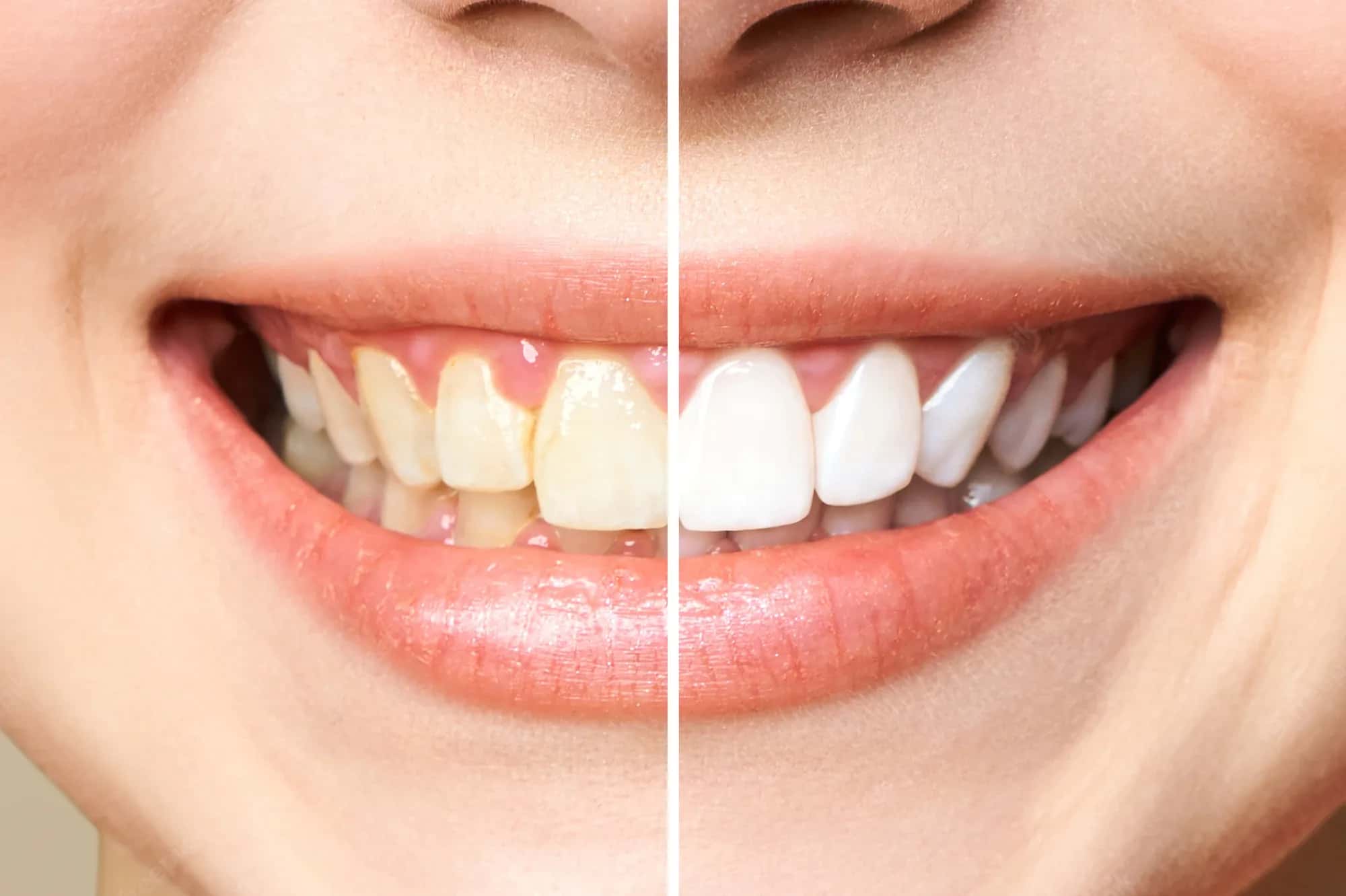
Teeth whitening costs around the world vary substantially, with professional treatment generally costing less in countries such as Turkey, Mexico and India than in the United States or United Kingdom.
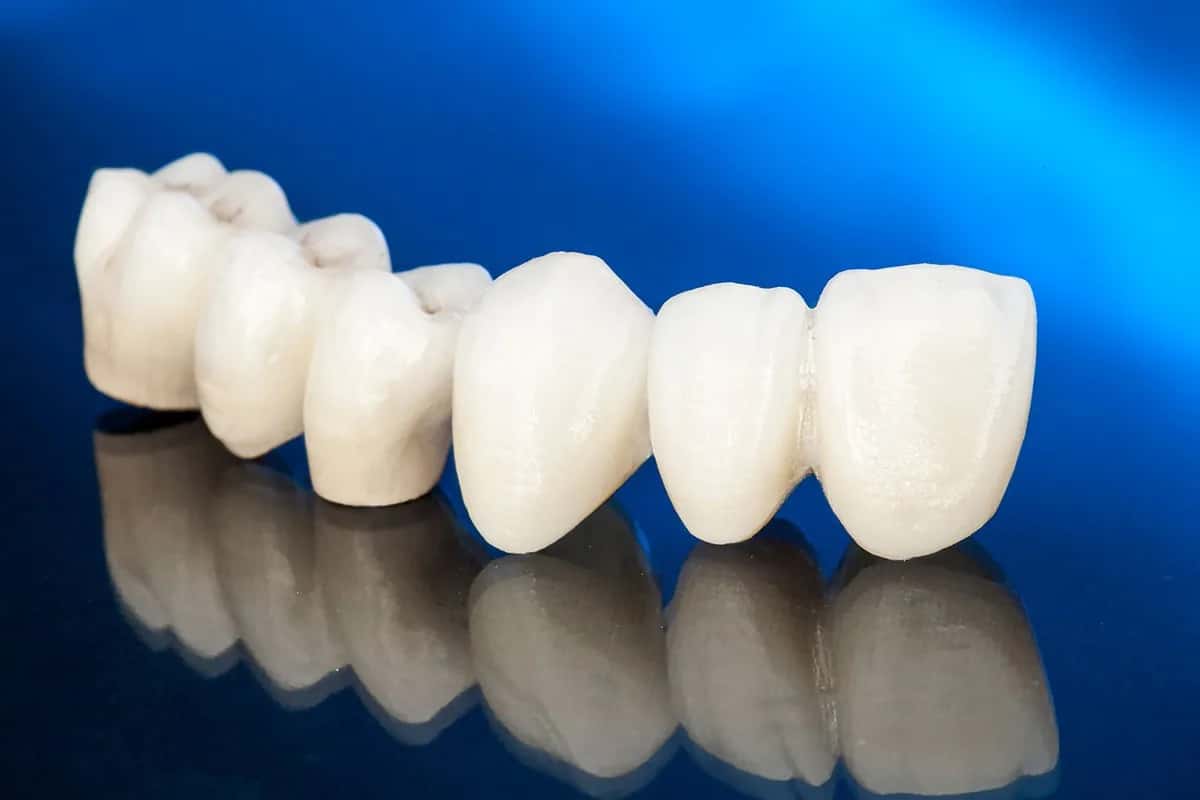
Zirconium crown costs around the world vary significantly, from approximately €180–€400 per tooth in Turkey to $1,000–$2,500 in the United States, based on published 2026 private-treatment prices.
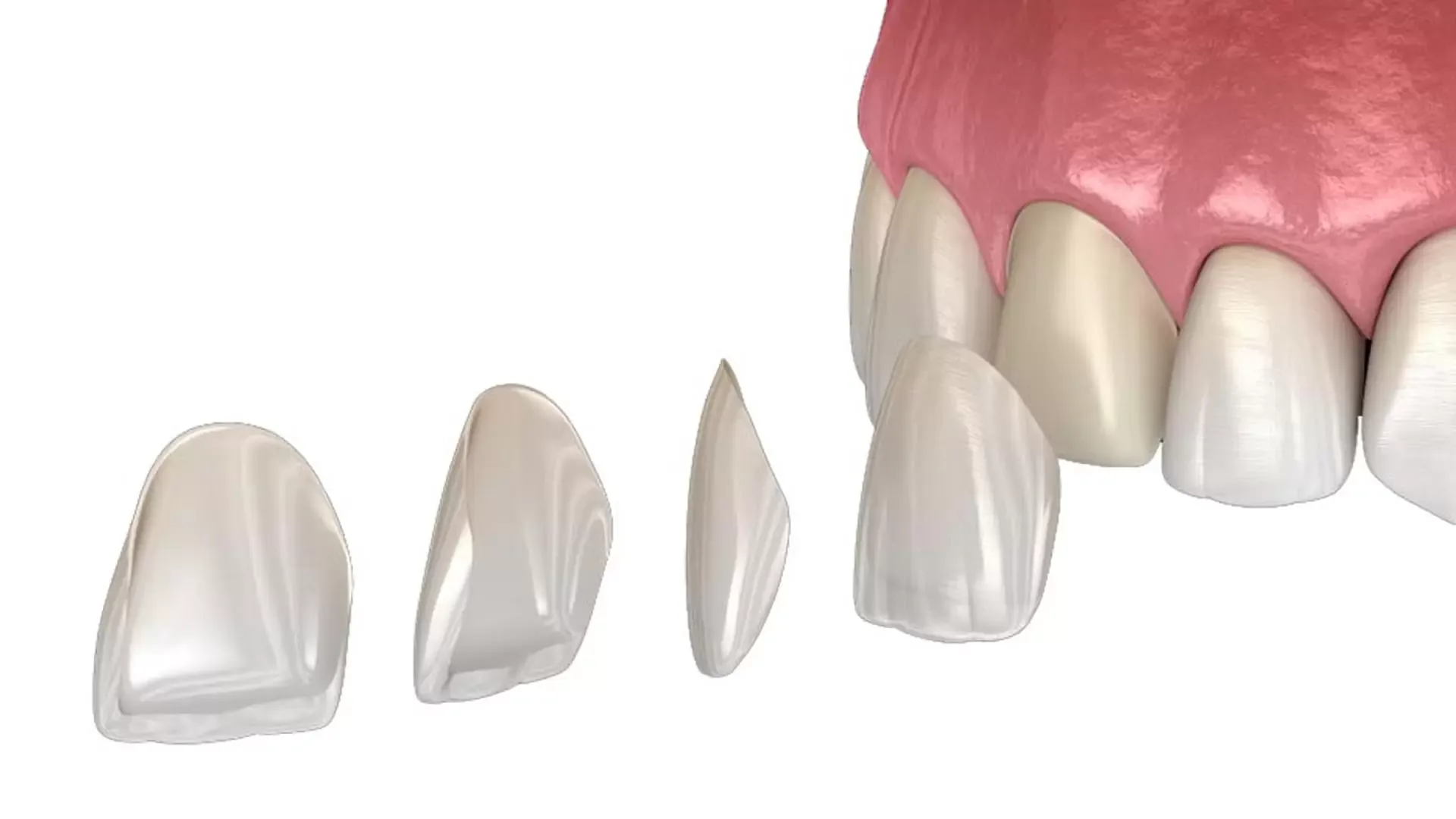
E-Max costs around the world differ significantly, with ceramic veneers and crowns available at lower published prices in countries such as Turkey, Mexico and Hungary than in the United States or United Kingdom.
Subscribe to the Medifinder newsletter and never miss our latest content.