










How Long Is Pain Normal After a Root Canal?
This guide explains how long pain can remain normal after root canal treatment, what recovery usually feels like, and when persistent discomfort may need further evaluation.

- Last updated
- 42 reads
- 10 min read


How Many Days Is Pain Normal After a Root Canal?
Mild pain after a root canal is commonly expected for two to three days and should gradually become less noticeable rather than more intense.
Some teeth remain tender when biting for several additional days because the tissues around the root have been irritated during treatment. Mild sensitivity lasting close to a week can still occur when it steadily improves.
The important factor is the direction of recovery. A tooth that feels slightly better each day generally follows a more typical pattern. Pain that becomes stronger, returns after improving, or remains severe beyond several days deserves further assessment.
Why Does a Tooth Hurt After Root Canal Treatment?
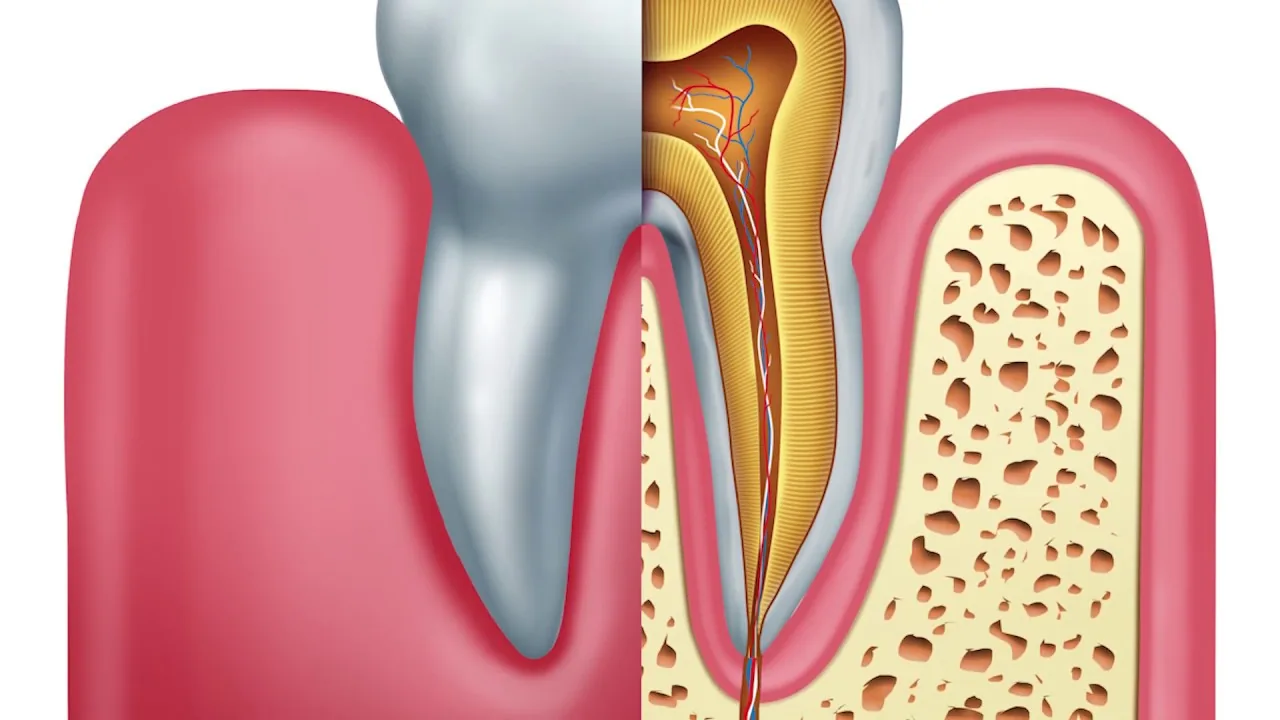
A tooth can hurt after root canal treatment because the tissues surrounding the root may remain inflamed even though the infected or damaged pulp has been removed. Instruments and cleaning solutions can temporarily irritate this area.
The ligament around the tooth may also become sensitive from inflammation that existed before treatment. This explains why the tooth can hurt when pressure is applied.
The discomfort does not necessarily mean the root canal failed. Healing often continues after the internal treatment is completed. Pain should gradually reduce as the surrounding tissues recover and inflammation settles.
Is Pain on the First Day After a Root Canal Normal?
Pain during the first day after root canal treatment is generally expected, especially when the tooth was already inflamed or painful before the procedure.
The treated tooth may feel sore, bruised, or slightly higher than nearby teeth. Biting can make the tenderness more obvious. The surrounding gum may also feel sensitive where instruments or isolation materials contacted the area.
Discomfort during this stage should usually remain manageable and should begin moving in the right direction over the next few days.
Strong pain that rapidly increases or is accompanied by significant swelling requires more attention than ordinary first-day tenderness.
Is Pain After Three Days Still Normal?
Mild pain after three days can still be normal when the discomfort is clearly improving and mainly appears during chewing or pressure.
Some teeth need longer for inflammation around the root to settle. A tooth that was severely infected before treatment may remain tender for several days even after the canals have been cleaned.
By the third day, however, the overall trend should usually be toward less pain.
Persistent severe pain, increasing pressure, new swelling, or discomfort that becomes stronger than it was immediately after treatment may indicate that recovery is not progressing normally.
Can Root Canal Pain Last for a Week?
Root canal tenderness can sometimes last close to a week, particularly when the tissues around the root were significantly inflamed before treatment.
The discomfort should usually become milder as the days pass. A tooth may still feel different when chewing even after constant pain has disappeared. This can reflect healing of the periodontal ligament rather than continued nerve pain.
Pain that remains unchanged for an entire week is less reassuring than discomfort that steadily fades.
If the tooth is still strongly painful after seven days, especially when biting, the bite, surrounding tissues, and root canal area should be reassessed.
Why Does My Tooth Hurt When I Bite After a Root Canal?
Pain when biting after a root canal usually comes from inflammation in the ligament and bone surrounding the root rather than from the removed dental pulp.
The tooth sits within a sensitive support structure that responds to pressure. Root canal treatment can temporarily increase tenderness in this area, especially when infection was already present.
Another possibility is that the temporary filling or final restoration sits slightly too high. This makes the treated tooth contact first during chewing.
Biting pain that gradually improves is common. Pain that remains sharp or unchanged may need evaluation of the bite and surrounding tissues.
How Long Does Biting Tenderness Last After a Root Canal?
Biting tenderness often improves within several days, although mild pressure sensitivity can remain for approximately a week in some cases.
The tissues around the root require time to settle after cleaning, shaping, and filling of the canals. Teeth that had significant inflammation beforehand can take longer to feel completely comfortable.
The tenderness should become less noticeable rather than stay at the same intensity.
If the tooth feels as though it hits before the surrounding teeth, an uneven bite may be contributing. Persistent pain during chewing beyond the expected recovery period should therefore not simply be ignored.
Is Throbbing Pain Normal After a Root Canal?
Mild throbbing can occur shortly after root canal treatment, but strong or persistent throbbing is less typical of uncomplicated recovery.
Temporary inflammation around the root can create a pulsing sensation during the first day. This should generally become less noticeable as healing progresses. Constant throbbing that interferes with sleep or becomes progressively stronger is different.
Symptoms deserve more attention when throbbing appears with swelling, pressure, fever, drainage, or a worsening bad taste.
A successful recovery should gradually shift from noticeable discomfort toward mild tenderness and then normal function, rather than continue as intense pulsating pain.
Can the Gum Hurt After Root Canal Treatment?
The gum around a root canal tooth can feel tender for several days because treatment, local anesthesia, isolation, and existing inflammation can irritate nearby tissues.
The injection site itself may remain slightly sore. Rubber dam clamps or other instruments can also temporarily make the gum sensitive. If infection had spread beyond the tooth, surrounding tissue may need additional time to settle.
Mild gum tenderness should improve with healing.
Increasing redness, swelling, pus, a growing lump, or significant pain around the gum is not the same as ordinary post-treatment sensitivity and should be evaluated.
Can Swelling Occur After a Root Canal?
Minor localized swelling can occasionally occur after root canal treatment, but significant or increasing swelling is not considered a routine recovery symptom.
A tooth treated for infection may already have inflammation around the root. In some cases, this response temporarily becomes more noticeable after treatment. Small tenderness around the gum can accompany it.
Swelling that enlarges, spreads toward the cheek, or makes swallowing difficult requires prompt attention.
Facial swelling, fever, breathing difficulty, or rapidly increasing symptoms should be treated as urgent. Normal recovery should move toward less inflammation, not progressively expanding swelling.
What Does Normal Root Canal Recovery Feel Like?
Normal root canal recovery usually involves mild tenderness that gradually improves over several days rather than remaining severe or becoming progressively worse.
Typical recovery signs include:
-
Mild soreness around the treated tooth
-
Tenderness when biting
-
Slight gum sensitivity
-
A bruised feeling around the tooth
-
Gradual improvement each day
-
Reduced need for pain relief
-
Increasing comfort during chewing
The tooth may feel slightly different before it feels completely normal. The main feature of uncomplicated healing is steady improvement. Symptoms that suddenly worsen after initially improving deserve closer attention.
What Pain Is Not Normal After a Root Canal?
Severe, worsening, or persistent pain is less typical after a root canal, especially when it is accompanied by swelling, fever, drainage, or difficulty chewing.
Pain that prevents sleep for several nights should not simply be accepted as routine tenderness. The same applies when the tooth becomes increasingly painful after initially improving.
A sensation that the tooth is hitting first may indicate an uneven bite, while swelling may suggest ongoing inflammation or infection.
Persistent symptoms do not automatically mean the root canal has failed, but they indicate that the cause should be identified rather than waiting indefinitely for the pain to disappear.
Why Is Root Canal Pain Getting Worse Instead of Better?
Root canal pain can worsen when inflammation remains active, the bite is too high, infection persists, or pressure develops around the treated root.
Normal post-treatment soreness should generally move toward improvement. A different pattern appears when pain becomes more intense after the first few days. The tooth may feel increasingly tender when touched or chewed on.
New swelling, throbbing, or a bad taste can provide additional clues.
Worsening pain does not reveal the exact cause by itself. The tooth and surrounding structures need to be assessed to determine whether the problem is mechanical, inflammatory, or infection-related.
Can a High Filling Cause Pain After a Root Canal?
A filling or crown that sits slightly too high can cause significant biting pain after a root canal because the treated tooth receives excessive pressure during chewing.
Even a small difference in height can make the tooth contact before its neighbors. The ligament around the root then becomes repeatedly compressed, creating a bruised or sore sensation.
The tooth may feel comfortable at rest but painful whenever the teeth come together.
This problem can resemble persistent root canal inflammation. If the treated tooth feels noticeably taller or receives the first contact during biting, adjusting the bite may be necessary.
Can Infection Cause Pain After Root Canal Treatment?
Persistent or recurrent infection can cause pain after root canal treatment when bacteria remain within the canal system or inflammation continues around the root.
Root canals have complex internal anatomy, and infection can sometimes persist despite treatment. Reinfection can also develop later if bacteria enter through a leaking restoration.
Symptoms may include increasing tenderness, swelling, drainage, a bad taste, or a small gum bump.
However, pain alone does not confirm infection. Ordinary healing, an uneven bite, or irritated surrounding tissues can produce similar discomfort. The overall symptom pattern helps determine which explanation is more likely.
Does a Root Canal Tooth Still Have Nerves That Can Hurt?
A root canal tooth no longer contains the same living pulp tissue inside its treated canals, but the tissues surrounding the root still contain nerves that can produce pain.
This explains why a tooth may remain tender even after the internal nerve has been removed. The periodontal ligament and bone around the root can respond to inflammation, pressure, and infection.
Pain after treatment therefore does not necessarily mean that the internal nerve was left behind.
The sensation usually comes from structures outside the cleaned canal space. As these tissues heal, pressure sensitivity and soreness should gradually decrease.
How Can You Reduce Pain After a Root Canal?
Pain after a root canal can often be reduced by protecting the tooth from heavy chewing and using appropriate pain relief according to individual medical suitability.
Avoid repeatedly testing the tooth by biting hard on it. Soft foods can reduce unnecessary pressure during the first days. Keeping the area clean also helps prevent additional gum irritation.
Cold or very hard foods may feel uncomfortable if the tooth or surrounding tissues remain sensitive.
Pain relief should be used according to product instructions and personal health considerations. Increasing pain despite reasonable self-care suggests that the cause needs to be identified rather than simply masked.
Should You Chew on a Root Canal Tooth During Recovery?
Heavy chewing on a recently treated root canal tooth should be limited until tenderness improves and the tooth has the appropriate protective restoration.
This is particularly important when the tooth has only a temporary filling. Root canal treated teeth can be structurally weakened when substantial tooth tissue was lost before treatment.
Chewing very hard foods may increase soreness or place unnecessary force on the remaining structure.
Light chewing may become comfortable as recovery progresses. The tooth should not be deliberately stressed to test whether treatment worked. Normal function can return gradually as tenderness settles and the restoration is completed.
When Can You Eat Normally After a Root Canal?
Normal eating can usually return gradually once the anesthesia has worn off and chewing on the treated tooth becomes comfortable.
Eating while the mouth remains numb can lead to accidental biting of the cheek, tongue, or lip. During the first days, softer foods may feel more comfortable if the tooth remains tender.
Hard, sticky, or very crunchy foods should be avoided when a temporary restoration is still present.
As biting sensitivity improves, a broader diet can be reintroduced. Normal chewing should not produce persistent sharp pain. Ongoing discomfort with ordinary foods may indicate that the tooth or bite needs further assessment.
When Should Pain After a Root Canal Be Checked?
Pain after a root canal should be checked when it becomes stronger, remains severe for several days, or is accompanied by swelling, drainage, fever, or persistent biting pain.
Mild tenderness that steadily improves usually fits expected recovery. The situation changes when symptoms stop improving or return after the tooth had begun feeling better.
A tooth that feels significantly higher than its neighbors should also be assessed because an uneven bite can prolong soreness.
Prompt evaluation is especially important for spreading swelling, facial swelling, difficulty swallowing, breathing problems, or systemic illness. These symptoms require more urgent attention than ordinary post-treatment tenderness.
How Long Should a Root Canal Tooth Take to Feel Normal?
A root canal tooth often feels substantially better within several days, although complete comfort during chewing can take one to two weeks in some cases.
Recovery depends on how inflamed the surrounding tissues were before treatment and how much pressure the tooth receives afterward. Mild awareness of the tooth can remain after sharper pain has disappeared.
The important pattern is continuous improvement.
A tooth that still feels strongly painful after one or two weeks, or becomes worse instead of better, should not simply be given more time without assessment. The cause may involve the bite, surrounding inflammation, infection, or another structural problem.
- Last updated
- Language
- English
How did you find this article?
This guide explains why odor can develop around or under a dental crown, what it may indicate, and how crown fit, plaque, decay, and gum health affect the problem.
This guide explains how laser gum contouring works, what it can correct, how healing progresses, and what determines a balanced and natural-looking gum line.
This guide explains when an implant-supported crown should be replaced, how the procedure works, and what determines the fit, appearance, comfort, and durability of the new crown.
Subscribe to the Medifinder newsletter and never miss our latest content.