










7 Days After FUE Hair Transplant
See what hair usually looks like 7 days after an FUE hair transplant, which aftercare to continue, how to handle scabs and when to contact your clinic.

- Last updated
- 98 reads
- 6 min read


The seventh day after an FUE hair transplant marks an important transition in your recovery. The first critical phase, when the grafts were most vulnerable, is behind you, yet your scalp remains in active healing. Many people feel surprised at this point because the result still looks nothing like the final outcome.
You will probably see scabs, redness and an uneven appearance across the recipient area. This does not signal a problem, as it reflects a normal intermediate stage. This guide describes what usually happens during this week, which aftercare you should continue and which symptoms require you to contact your clinic.
How the scalp typically looks on day seven
On day seven, the recipient area is usually covered with small scabs that have formed around each implanted graft. These scabs may look brownish, reddish or yellowish and can feel slightly raised.
The skin between the grafts often appears pink or red. This colour comes from the increased blood flow needed to support the new follicles. On lighter skin, this redness usually stays visible for longer.
The donor area at the back of the head often still shows small dot-like marks or fine scabs at this stage. These areas normally heal faster than the recipient area and gradually feel less tender.
Initial swelling around the forehead or eyes has usually settled by this point. If swelling persists or increases, you should report it to your clinic.
Are the grafts secure after seven days?
The grafts are considerably more stable on day seven than during the first few days, although they are not yet fully resistant to damage. Your body has already begun building a new blood supply and anchoring the tissue.
This means that ordinary movement, gentle washing and normal daily activities no longer put the grafts at serious risk. Vigorous rubbing, scratching, pulling at scabs or strong mechanical pressure can still cause damage.
Many clinics regard the period between day ten and day fourteen as the point when grafts count as firmly secured. Until then, caution remains sensible, even though your scalp already feels noticeably more comfortable.
How you should wash at this stage
Daily washing remains the most important part of your aftercare. It prevents scabs from merging into a solid layer and keeps the pores clear.
First apply the lotion or foam supplied by your clinic to the recipient area and let the product sit. This soaking time softens the scabs significantly and is essential for gentle removal.
Next, lather the medical shampoo between your palms and place the foam gently onto the scalp. From around day seven, many clinics already allow a light circular motion with your fingertips, never with your fingernails.
Rinse with lukewarm water poured from a cup or delivered at very low shower pressure. Continue avoiding hot water and any strong jet aimed directly at the recipient area.
Handling scabs during the second week
Between day seven and day fourteen, the scabs gradually begin to lift. You should support this process through soaking and gentle washing, never through scraping.
If a scab still sticks firmly, it is not ready to come away. In that case, extend the soaking time of the lotion rather than applying mechanical pressure.
It is normal for a short hair shaft to come away together with a scab during washing. The transplanted hair sheds during this phase anyway, while the root stays safely in the scalp.
You should make sure that all scabs are removed by around day fourteen. Scabs that remain longer can block the pores and increase the risk of inflammation.
Itching, tightness and numbness
During the second week, many people report increasing itchiness. This sensation results from skin renewal and the shedding of scabs.
Never scratch the recipient area. Instead, use the moisturising sprays or saline solutions recommended by your clinic to calm the skin.
A feeling of tightness in the donor area is also common, especially after a large number of grafts were harvested. Numbness or a dull sensation across the scalp may also persist at this stage and usually resolves over weeks to months.
If the itching becomes severe, ask your clinic whether an antihistamine or another product would be suitable for you.
What you should still avoid this week
Even though you feel better, several restrictions still apply on day seven.
-
Avoid intense exercise and anything that triggers heavy sweating.
-
Stay away from saunas, steam rooms, swimming pools and the sea.
-
Avoid direct sun exposure on your scalp.
-
Do not wear tight hats or helmets that press on the recipient area.
-
Limit alcohol and smoking for as long as your clinic advises.
-
Do not use styling products, hair dye or harsh shampoos.
-
Do not shave or clipper the recipient area.
Your clinic sets the exact duration of these restrictions, because it depends on the technique, graft count and your healing progress.
Sleeping and daily life on day seven
Many clinics recommend keeping your head elevated during the first week and sleeping on your back. From around day seven to ten, many practices allow a gradual return to more normal sleeping positions.
Even so, avoid pressing the recipient area firmly into your pillow. A clean pillowcase also reduces the risk of irritation.
Light daily activities, desk work and normal walking are usually fine. Continue limiting prolonged forward bending and heavy lifting.
When does post-transplant shedding start?
Many people notice as early as the second or third week that the transplanted hairs begin to fall out. This process is often called shedding and forms an expected part of the cycle.
The hair shaft detaches while the follicle stays under the skin and enters a resting phase. New growth usually only begins after several months.
On day seven, you are typically still before this phase or right at its start. Losing a few hairs during washing is therefore not a sign of a failed result.
When to contact your clinic
Most sensations during this period are normal, although certain signs require assessment.
-
Severe or increasing pain in the recipient or donor area
-
Spreading redness or noticeably warm skin
-
Pus, discharge or an unpleasant odour
-
Fever or chills
-
Persistent or increasing swelling
-
Active bleeding that gentle pressure does not stop
-
Large, painful bumps or cysts
Contacting your clinic early always works better than waiting for a problem to worsen.
Realistic expectations for the coming weeks
After the second week, the scalp usually looks considerably calmer and the scabs have gone. Redness, however, can remain for several more weeks.
Between week three and month three, many people go through the visually hardest phase, because the transplanted hairs have shed and new growth is not yet visible.
The first fine hairs often appear between the third and fourth month. A meaningful result usually becomes clear between the sixth and eighth month, while the final outcome is normally assessed at twelve to eighteen months.
Frequently asked questions
Can I rub the scabs off on day seven?
No. You should never rub or scrape scabs off. Soften them with the lotion supplied by your clinic and let them release on their own during gentle washing.
Is redness normal after one week?
Yes. Redness in the recipient area is common on day seven and results from increased blood flow. It usually fades over several weeks, sometimes more slowly on lighter skin.
Can I exercise again on day seven?
Usually not. Most clinics recommend avoiding intense exercise and heavy sweating for at least two weeks. Ask your clinic about the timeline that applies to you.
Do I lose grafts when washing?
With gentle washing as instructed, this is very unlikely. If a hair shaft comes away with a scab, the root stays in your scalp. A genuine graft loss usually involves active bleeding and should be reported to your clinic.
- Last updated
- Language
- English
How did you find this article?
Air conditioning can dry out your scalp by reducing indoor humidity and affecting the skin's ability to maintain adequate moisture. Prolonged exposure to dry, cooled air may contribute to itching, flaking, tightness, and irritation, particularly when the scalp is already sensitive or prone to dryness.

Certain dietary supplements can cause hair loss when taken in excessive amounts, particularly products containing high doses of vitamin A, selenium, or other concentrated nutrients. While supplements can help correct nutritional deficiencies that affect hair growth.
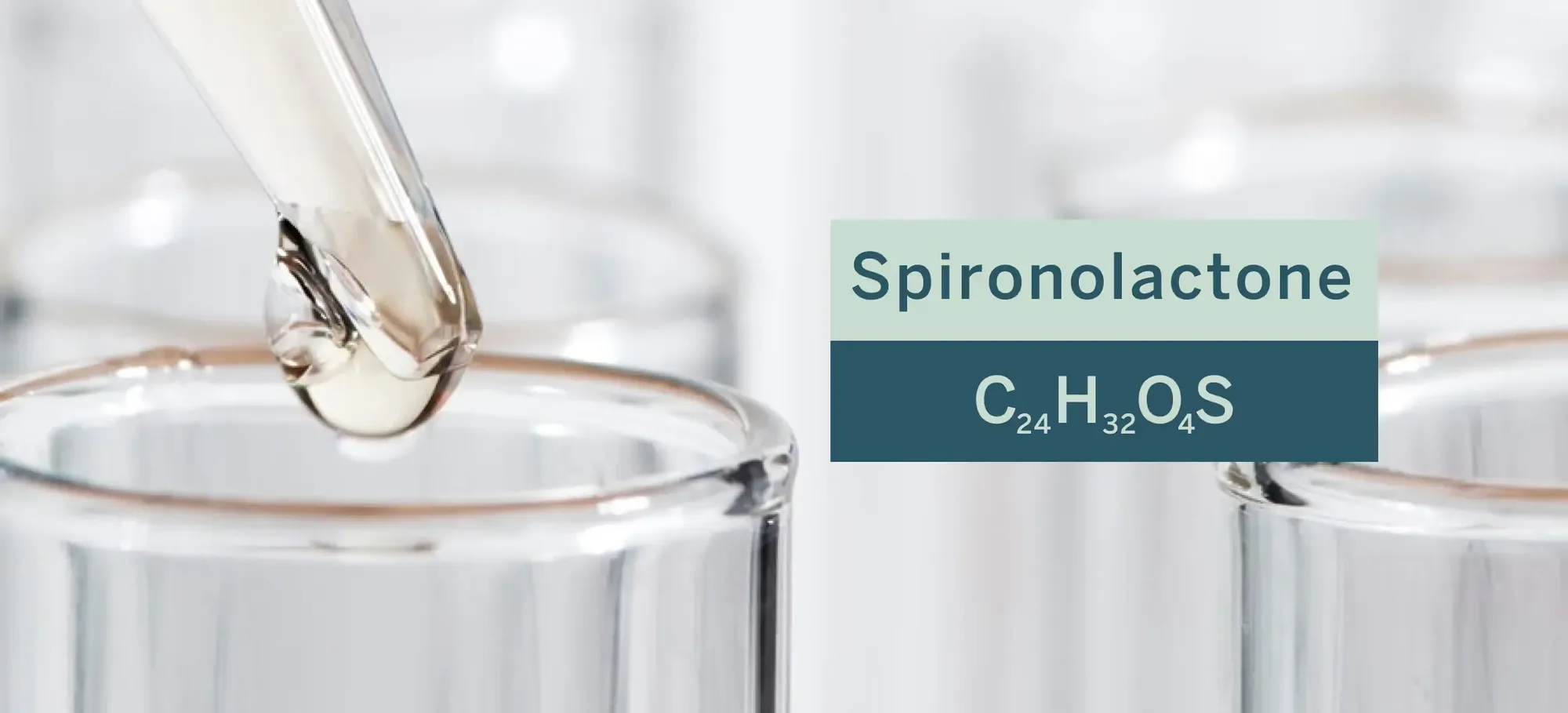
Spironolactone for female hair loss can help slow progressive thinning and improve hair density by reducing the effects of androgens on sensitive hair follicles. Although this prescription medication is not specifically approved for hair loss, clinical research supports its use in selected women.
Subscribe to the Medifinder newsletter and never miss our latest content.