










Winter Skincare Guide 2026
This 2026 winter skincare guide explains how to protect the skin barrier, prevent dryness, adjust active ingredients, and maintain a balanced routine as temperatures fall.

- Last updated
- 120 reads
- 10 min read
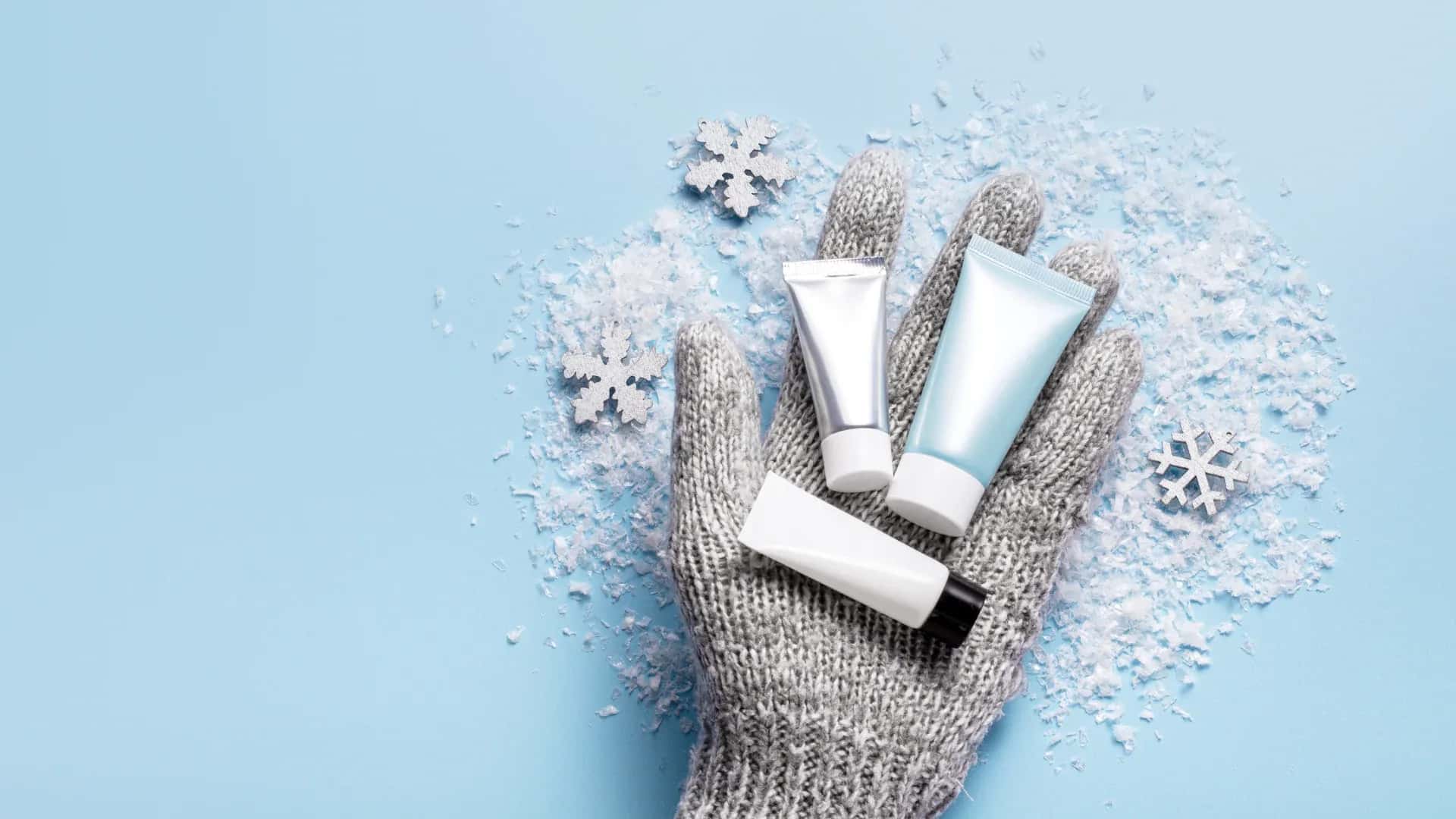


Why Should You Change Your Skincare Routine Before Winter?
You should adjust your skincare routine before winter because colder air, lower humidity, and indoor heating can weaken the skin barrier and increase moisture loss.
A routine that feels balanced in summer may become too light once temperatures fall. Gel moisturisers may stop providing enough comfort, while strong cleansers can feel more drying. The transition into winter is therefore the right time to increase barrier support. Richer moisturisers, gentler cleansing, and more controlled use of active ingredients can help the skin adapt. Making gradual changes before dryness becomes severe is usually easier than trying to repair an already irritated skin barrier.
What Happens to the Skin as the Weather Gets Colder?
Cold weather can make the skin drier, tighter, rougher, and more sensitive because environmental humidity falls and water evaporates from the surface more easily.
Wind can increase this discomfort by disrupting the outer protective layer. Indoor heating adds another source of dryness because warm air often contains less moisture. As the barrier weakens, the skin may become more reactive to products that were previously well tolerated. Fine flaking, redness, and a tight feeling after cleansing can become more noticeable. These changes are signs that the skin may need more hydration, more lipids, and less aggressive cleansing.
How Should You Cleanse Your Skin in Winter?
Winter cleansing should remove dirt, makeup, and sunscreen without leaving the skin tight, stripped, or uncomfortable.
A gentle cleanser is usually more suitable than a highly foaming formula during colder months. Cream, lotion, or low-foam cleansers can help preserve the skin barrier. Cleansing twice daily is not always necessary for very dry skin, especially in the morning. Lukewarm water is also preferable to very hot water. The goal is to clean the skin while preserving natural oils. If the face feels tight immediately after washing, the cleanser or cleansing frequency may be too aggressive.
What Is the Best Moisturiser for Winter?
The best winter moisturiser combines humectants, emollients, and barrier-supporting ingredients to attract water, smooth the skin, and reduce moisture loss.
Humectants help draw water into the outer skin layers, while emollients improve softness and texture. Occlusive ingredients reduce evaporation by forming a protective layer. Richer creams usually work better than lightweight gels when the weather becomes cold. Ingredients such as ceramides, glycerin, squalane, and fatty acids can be especially useful. The ideal texture should leave the skin comfortable rather than greasy. A moisturiser that prevents tightness for several hours is usually more suitable for winter.
How Can You Repair the Skin Barrier Before Winter?
You can support the skin barrier before winter by simplifying your routine, increasing moisturisation, and reducing products that cause dryness or irritation.
The skin barrier depends on a balanced outer layer containing water, lipids, and protective cells. When this structure becomes disrupted, the skin loses moisture more quickly. A gentle cleanser and a moisturiser containing ceramides or fatty acids can help restore comfort. Strong exfoliants should be reduced if the skin already feels tight. Fragrance-heavy products may also increase irritation in sensitive skin. Barrier repair works best when the routine becomes more consistent and less aggressive.
Do You Still Need Sunscreen in Winter?
Daily sunscreen remains important in winter because ultraviolet radiation continues to reach the skin even when temperatures are low or the sky is cloudy.
Cold weather does not eliminate UVA exposure. These rays can pass through clouds and windows and contribute to premature skin ageing and pigmentation. Snow can also reflect ultraviolet light in colder climates. A broad-spectrum sunscreen can remain the final step of the morning routine. The formula can be more moisturising in winter if the skin feels dry. Sunscreen should therefore be considered a year-round skincare step rather than a product used only during summer.
Should You Use Hyaluronic Acid in Winter?
Hyaluronic acid can be useful in winter when it is applied correctly and followed with a moisturiser that helps reduce water loss.
This ingredient acts as a humectant and helps attract water into the upper skin layers. However, using a hydrating serum alone may not be enough in dry winter air. Applying moisturiser afterward helps lock in hydration. Hyaluronic acid can work especially well on slightly damp skin. People with very dry skin may prefer formulas that combine it with glycerin, ceramides, or squalane. The goal is not simply adding water, but helping the skin retain that moisture throughout the day.
Can You Use Retinol During Winter?
Retinol can be used during winter, but the routine should be adjusted if colder weather makes the skin more dry, sensitive, or reactive.
Lower temperatures and indoor heating can already weaken the skin barrier. Retinol may add further dryness when used too frequently. Reducing application frequency can help maintain tolerance. Applying moisturiser before or after retinol may also reduce irritation. Strong exfoliating acids should not be layered aggressively on the same nights. Sunscreen remains essential because retinoids can increase sensitivity to environmental exposure. Winter can be a good time for retinol when barrier support remains strong.
Should You Reduce Exfoliation in Cold Weather?
Exfoliation should often be reduced in winter because over-exfoliating can worsen dryness, redness, flaking, and barrier disruption.
Skin may tolerate acids or scrubs well during warm months but react differently once humidity falls. The outer layer becomes more vulnerable to moisture loss, so frequent exfoliation can remove protective cells too quickly. Strong physical scrubs can also create unnecessary friction. Gentle chemical exfoliation may be easier to control. The right frequency depends on how the skin feels after use. If burning, tightness, or persistent flaking appears, reducing exfoliation is usually the better approach.
How Often Should You Exfoliate in Winter?
Most skin types benefit from less frequent exfoliation in winter, with one or two gentle sessions per week often being sufficient.
Very dry or sensitive skin may need even less. The purpose of exfoliation is to remove excess dead cells without weakening the barrier. Using multiple acids, scrubs, and retinoids together can create irritation quickly in cold weather. A single mild exfoliating product is usually easier to manage. The skin should feel smooth afterward rather than tight or burning. When redness lasts beyond the application period, the routine is likely too aggressive and should be simplified.
Which Ingredients Are Best for Winter Skincare?
The most useful winter skincare ingredients are those that attract moisture, restore lipids, calm irritation, and strengthen the skin barrier.
Key ingredients include:
-
Ceramides for barrier support
-
Glycerin for hydration
-
Hyaluronic acid for water retention
-
Squalane for softness
-
Fatty acids for lipid support
-
Panthenol for calming care
-
Niacinamide for barrier function
-
Shea butter for richer moisturising
-
Petrolatum for reducing water loss
These ingredients can be combined rather than used individually. The best winter routine usually focuses on hydration and protection instead of using many strong active ingredients at once.
How Should Oily Skin Be Cared for in Winter?
Oily skin still needs moisturiser in winter because excess oil does not always mean the skin has enough water or a healthy barrier.
Cold weather can leave oily skin dehydrated, which may create tightness while shine remains visible. Lightweight lotions or gel-creams with barrier-supporting ingredients can provide moisture without feeling heavy. Harsh foaming cleansers should be avoided because they may increase discomfort. Strong exfoliation is also unnecessary simply because the skin produces oil. The goal is to maintain balance. A comfortable routine should control excess shine while still preventing dehydration and irritation.
How Should Dry Skin Be Cared for in Winter?
Dry skin needs a richer winter routine focused on gentle cleansing, intensive moisturising, and reducing unnecessary water loss.
A cream cleanser or very mild washing product can help preserve natural lipids. Moisturiser should be applied soon after cleansing while the skin still contains some surface moisture. Ingredients such as ceramides, glycerin, squalane, and shea butter can improve comfort. Very dry areas may benefit from a thin occlusive layer at night. Hot water and frequent exfoliation should be limited. The routine should leave the skin soft and flexible rather than tight several hours after application.
How Should Sensitive Skin Be Cared for in Winter?
Sensitive skin should follow a simple winter routine that prioritises barrier repair and minimises fragrance, aggressive exfoliation, and unnecessary product changes.
Cold wind and indoor heating can make reactive skin more vulnerable to redness and stinging. Introducing several new products at once can make irritation harder to identify. Gentle cleansers, fragrance-free moisturisers, and simple sunscreen formulas are usually easier to tolerate. Active ingredients can still be used, but frequency may need to be reduced. The most important signal is comfort. Products that repeatedly cause burning or prolonged redness should not remain part of a sensitive winter routine.
How Can You Prevent Chapped Lips in Winter?
You can prevent chapped lips by applying an occlusive lip balm regularly and avoiding habits that remove moisture from the lip surface.
Cold air and wind make lip skin lose water quickly. Licking the lips may provide temporary relief, but evaporation often leaves them drier afterward. Thick balms containing petrolatum, lanolin, or nourishing oils can reduce moisture loss. Applying balm before going outdoors and before sleep is particularly useful. Strongly fragranced or flavored lip products may irritate already cracked skin. Consistent protection is more effective than waiting until painful splits develop.
How Should You Care for Your Hands in Winter?
Winter hand care should focus on frequent moisturising, gentle washing, and protection from cold air, detergents, and repeated water exposure.
Hands often become dry faster than the face because they are washed more frequently. Applying hand cream after washing can reduce moisture loss. Rich formulas containing glycerin, ceramides, or shea butter can help repair rough skin. Gloves provide useful protection outdoors and during household cleaning. Very hot water should be avoided because it removes natural oils. For severely dry hands, applying a thicker cream before sleep can improve softness and reduce cracking overnight.
Does Indoor Heating Dry Out the Skin?
Indoor heating can dry out the skin because heated environments often reduce surrounding humidity and increase water loss from the skin surface.
This effect becomes more noticeable when several hours are spent indoors. The face, lips, and hands may feel tight even without outdoor exposure. A richer moisturiser can help reduce evaporation, while a humidifier may improve indoor comfort. Drinking water supports general hydration but does not replace topical moisturising. Moving away from direct heaters can also reduce dryness. The combination of cold outdoor air and heated indoor spaces makes consistent barrier care especially important throughout winter.
Can Hot Showers Damage the Skin Barrier in Winter?
Very hot showers can weaken the skin barrier in winter by removing protective surface oils and increasing dryness after bathing.
Hot water may feel relaxing in cold weather, but prolonged exposure can leave the skin tight and itchy. Lukewarm water is usually less disruptive. Shower time should also remain moderate rather than excessively long. After bathing, moisturiser works best when applied while the skin is still slightly damp. This helps reduce water loss as the skin dries. People with eczema-prone or very dry skin often notice a significant difference when they lower shower temperature during winter.
How Should You Layer Skincare Products in Winter?
Winter skincare should generally be layered from lighter hydrating products to richer moisturisers, with sunscreen used last in the morning.
After cleansing, a hydrating serum or essence can be applied first if needed. Moisturiser then helps seal in water and add lipids. Very dry skin may benefit from a small amount of occlusive balm on selected areas at night. Active ingredients should be placed according to their specific use rather than layered excessively. The routine does not need many steps to be effective. A few well-chosen products often protect the barrier better than a complicated routine containing several strong treatments.
What Should You Avoid in a Winter Skincare Routine?
A winter skincare routine should avoid excessive exfoliation, harsh cleansers, very hot water, and unnecessary combinations of strong active ingredients.
These habits can weaken a barrier already challenged by cold air and low humidity. Frequent product changes can also make irritation harder to identify. Heavy fragrance may become more noticeable on dry or sensitive skin. Using more retinol or acids does not produce faster results when the skin is already irritated. The goal during winter is controlled treatment rather than intensity. A calm routine that maintains comfort usually performs better than one that repeatedly causes peeling or burning.
When Should You Start Your Winter Skincare Routine?
You should begin adjusting your skincare routine as temperatures and humidity start to fall, rather than waiting until severe dryness appears.
Early autumn or the first consistently cool weeks are often a practical transition point. Start by changing one or two steps instead of replacing the entire routine. A richer moisturiser and gentler cleanser may be enough initially. Exfoliation frequency can then be reduced if tightness develops. Lip and hand care should also begin before cracking starts. Gradual adjustment allows the skin barrier to adapt more comfortably and makes winter dryness easier to prevent throughout the colder months.
- Last updated
- Language
- English
How did you find this article?

This guide explains PDRN skin treatments, including how they work, potential benefits, injections, topical products, treatment frequency, recovery, safety, and current clinical evidence.



Subscribe to the Medifinder newsletter and never miss our latest content.