










Comparing Microneedle Radiofrequency and Traditional Methods

- Last updated
- 45 reads
- 13 min read
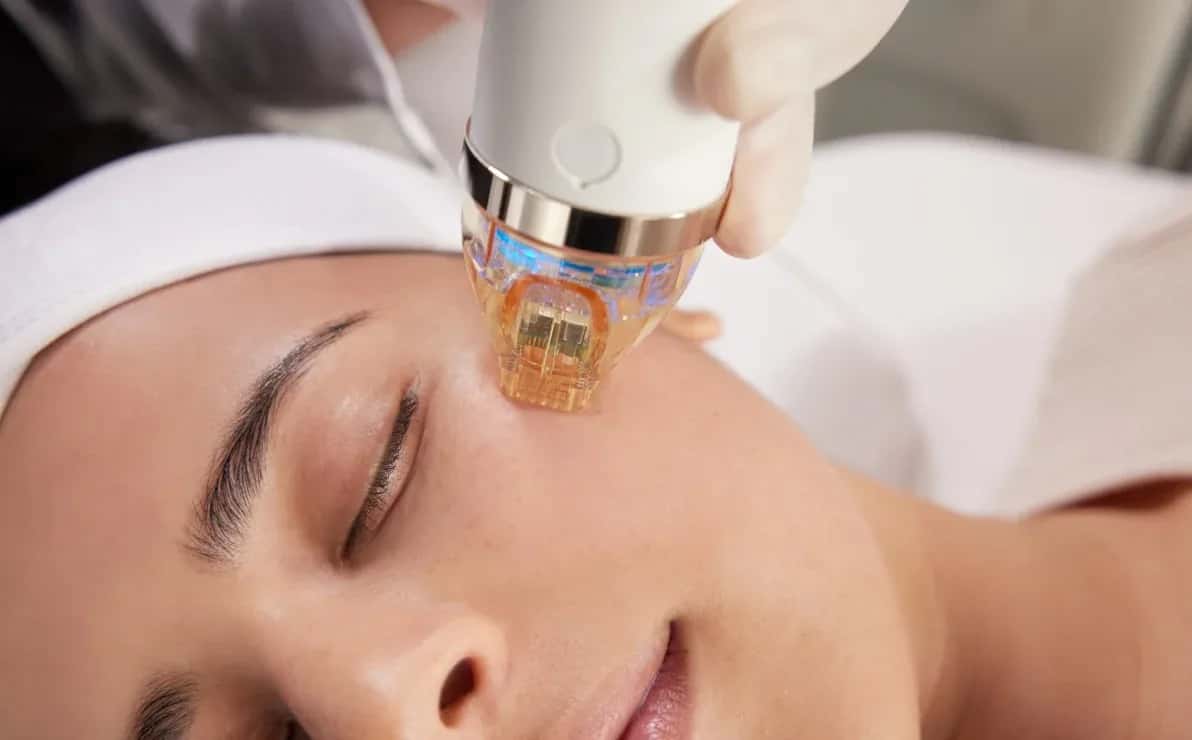


Skin texture concerns, wrinkles, laxity, enlarged pores, and acne scars can be treated in more than one way, and each method works differently beneath the surface. Microneedle Radiofrequency combines tiny controlled needle channels with heat energy, while traditional methods may rely on exfoliation, resurfacing, collagen stimulation, or topical correction. Understanding these differences helps you choose a treatment path that fits your skin goals, comfort level, downtime tolerance, and long-term maintenance plans.
How does Microneedle Radiofrequency compare with traditional methods?
Microneedle Radiofrequency differs from many traditional skin treatments because it delivers radiofrequency energy through fine needles into targeted layers of the skin. The needles create controlled micro-injuries, and the heat encourages a remodeling response that can support smoother texture and firmer-looking skin over time. Traditional methods can also improve the skin, but they often work more at the surface, through broader resurfacing, or by stimulating collagen without the same depth-controlled heat delivery.
That distinction matters because skin concerns rarely exist in only one layer. Fine lines may be partly related to surface damage, while acne scars can involve uneven collagen deep in the dermis. Pigmentation, roughness, and dull tone may respond well to surface-focused methods, but indented texture often needs a deeper remodeling approach.
This does not mean rf microneedling is automatically better for every person or every concern. It means the mechanism is different, and that difference can make it especially useful when the goal is to improve texture, scars, pores, or mild laxity without relying solely on aggressive surface removal.
The basic science behind rf microneedling
Rf microneedling uses insulated or non-insulated tiny needles, depending on the device and treatment plan, to create small channels in the skin. As the needles reach a selected depth, radiofrequency energy is released as heat. The skin responds by beginning a natural repair process that can gradually support collagen and elastin remodeling.
The appeal of this approach is controlled depth. Instead of treating only the outermost surface, the energy can be directed where structural changes are needed. This makes Microneedle Radiofrequency relevant for concerns that involve firmness, pitted texture, and uneven support beneath the skin.
Results are not instant in the same way makeup, exfoliation, or a superficial peel may create a quick glow. The visible changes tend to build gradually because collagen remodeling takes time. Many people notice short-term redness or swelling first, then more refined texture and firmness in the following weeks as the skin continues to respond.
A typical treatment plan may involve a series of sessions rather than a single visit. The exact number depends on the concern being treated, the skin’s response, and the provider’s assessment. Maintenance may also be recommended because aging, sun exposure, hormones, and inflammation continue to affect the skin.
Traditional skin treatment methods still have a place
Traditional methods are not outdated simply because newer energy-based treatments exist. Many remain valuable, especially when matched carefully to the skin concern. In fact, some people get the best results from a layered plan that uses more than one treatment type at different stages.
Topical skincare can support skin barrier health, improve hydration, reduce clogged pores, and help maintain results. Chemical exfoliation may brighten dullness and improve minor surface irregularity. Peels can address pigmentation, congestion, and superficial texture. Manual microneedling stimulates repair without radiofrequency heat. Laser resurfacing can target tone, texture, and sun damage in ways that vary depending on the technology used.
The key is not to treat “traditional” as one category with one outcome. These methods range from gentle at-home routines to more intensive professional resurfacing. They differ in depth, risk, recovery time, and suitability for different skin types.
Common traditional options include:
-
Topical skincare: Best for ongoing maintenance, acne control support, hydration, barrier repair, and prevention-focused routines.
-
Chemical peels: Useful for dull tone, surface texture, mild pigmentation, and congestion, depending on peel strength.
-
Manual microneedling: Helps stimulate a wound-healing response without added radiofrequency energy.
-
Laser resurfacing: Can be effective for sun damage, wrinkles, scars, and texture, with downtime varying widely by intensity.
-
Dermabrasion-style resurfacing: Focuses on mechanical smoothing of the skin surface and may involve more recovery.
-
Injectable support: Sometimes used for volume-related depressions or certain scar patterns when appropriate.
Each option has a role. The best choice depends on whether the main issue is surface discoloration, roughness, active acne, deep scarring, laxity, or a mix of concerns.
Depth of treatment changes the type of result
One of the biggest differences between Microneedle Radiofrequency and many traditional methods is the depth of action. Surface-focused treatments can make the skin look brighter, smoother, and more even, but they may not significantly change deeper textural irregularities. Treatments that reach deeper layers are often chosen when the goal is remodeling rather than only polishing.
For example, roughness from dead skin buildup may improve with exfoliation or light peels. Discoloration may respond to pigment-focused skincare and appropriate resurfacing. But depressed acne scars are often linked to collagen loss, tethering, or uneven dermal structure. A treatment that stimulates deeper remodeling may be more relevant for that kind of concern.
Rf microneedling is often discussed for texture because the needles create a pathway for energy to reach below the surface. This can be helpful when a provider wants to affect the dermis while limiting some of the surface disruption associated with more aggressive resurfacing. Still, deeper does not always mean better. Some skin concerns need surface correction, and overtreating can create irritation, pigmentation changes, or prolonged sensitivity.
A thoughtful plan considers the skin in layers. The outer layer may need calming, brightening, and barrier support. The deeper layer may need collagen stimulation. The best result often comes from matching the method to the layer where the problem begins.
Which option makes sense for acne scar treatment?
For acne scar treatment, the best option depends on the type of scar, skin tone, active breakouts, previous treatments, and how much downtime is acceptable. Microneedle Radiofrequency can be useful for certain depressed acne scars because it targets dermal remodeling, while traditional methods such as peels, lasers, manual microneedling, or injectables may be better for other scar patterns or discoloration. Many acne scar plans combine approaches because scars often include both texture changes and pigment changes.
Acne scarring is not one single problem. Ice pick scars are narrow and deep. Boxcar scars have sharper edges. Rolling scars create wave-like texture. Post-inflammatory marks may look like scars but are mainly discoloration rather than indentation. Because each type behaves differently, one treatment rarely solves every visible concern.
Rf microneedling may be considered when the goal is to improve uneven texture and stimulate collagen beneath indented areas. It may also appeal to people who want a treatment that is not purely surface resurfacing. However, some scars may need additional methods, such as targeted resurfacing, scar release techniques, or volume support, depending on their structure.
A practical acne scar treatment plan usually begins with control of active acne. Treating scars while breakouts are still frequent can be frustrating because new inflammation may create new marks. Once acne is more stable, the focus can shift toward texture, discoloration, and long-term skin quality.
A useful way to think about acne scar planning:
-
Identify what you are seeing. Is the concern indentation, redness, brown marks, enlarged pores, or uneven shine?
-
Stabilize active breakouts. Scar-focused procedures work best when new acne is under better control.
-
Match treatment to scar type. Deep narrow scars, rolling scars, and pigmentation do not respond identically.
-
Expect gradual improvement. Collagen remodeling usually builds over time, not overnight.
-
Protect the skin barrier. Harsh routines can increase irritation and make recovery harder.
-
Use sun protection consistently. Sun exposure can worsen discoloration and make results harder to maintain.
This is where a consultation becomes important. A provider can assess whether rf microneedling, traditional resurfacing, or a combination approach is most appropriate for the pattern of scarring.
Downtime and recovery are different for every method
Downtime is one of the most practical comparison points. Some traditional treatments have almost no visible recovery, while others can involve peeling, crusting, swelling, or several days of social downtime. Microneedle Radiofrequency often causes temporary redness, swelling, warmth, and sensitivity, though recovery varies based on treatment intensity and individual skin response.
A gentle skincare routine may have no downtime at all, but it may also produce slower or more limited changes. A light chemical peel may cause mild flaking. More intensive resurfacing can require a longer recovery period and stricter aftercare. Manual microneedling often creates redness and sensitivity, while rf microneedling adds heat energy that may increase the feeling of tightness or swelling for some people.
The amount of downtime a person can accept should shape the treatment choice. Someone preparing for an event may prefer lower-intensity options that refresh the skin without significant peeling. Someone treating long-standing texture concerns may be more willing to schedule a procedure with visible recovery if it aligns with their goals.
Recovery is also about behavior, not just time. After many professional treatments, the skin may be more vulnerable to irritation and sun exposure. That means aftercare matters. Gentle cleansing, hydration, sun protection, and avoiding unnecessary active ingredients for a short period can help the skin recover more comfortably.
Comfort, sensitivity, and treatment experience
Comfort varies widely between Microneedle Radiofrequency and traditional methods. Rf microneedling may involve pressure, heat, prickling, or a stamping sensation. Many professional settings use numbing methods before treatment, but individual tolerance still matters. Sensitive areas of the face may feel more intense than thicker areas.
Traditional methods create different sensations. Chemical peels may tingle, sting, or feel warm. Laser resurfacing can feel hot or snapping, depending on the device and intensity. Manual microneedling may feel scratchy or prickly. Topical skincare should usually be comfortable, although active ingredients can cause irritation if overused or poorly matched to the skin.
People with sensitive skin should be especially cautious about stacking treatments too quickly. More is not always better. If the skin barrier is already compromised, even a mild procedure may feel stronger than expected. A slower plan may produce better long-term results than an aggressive plan that repeatedly triggers irritation.
Before choosing any procedure, it helps to ask about:
-
What the treatment will feel like during the session
-
Whether numbing is typically used
-
How red or swollen the skin may look afterward
-
Which products should be paused before and after treatment
-
What signs of irritation require follow-up
-
How long to wait before makeup, exercise, heat exposure, or exfoliation
These details are not minor. They can determine whether a treatment fits realistically into your schedule and lifestyle.
Skin tone and pigmentation considerations
Skin tone is an important factor when comparing rf microneedling with traditional resurfacing methods. Some treatments that strongly affect the surface may carry a higher risk of unwanted pigmentation changes for certain skin types, especially if the skin is prone to post-inflammatory hyperpigmentation. Because Microneedle Radiofrequency can deliver energy below the surface while creating controlled channels, it may be considered in plans where minimizing surface disruption is a priority.
That does not mean it is risk-free. Any procedure that creates heat, injury, inflammation, or healing activity can potentially trigger pigmentation changes in susceptible skin. Technique, settings, preparation, aftercare, and patient selection all matter. A conservative approach is often wise when treating pigment-prone skin.
Traditional methods can still be appropriate for many skin tones when chosen carefully. Gentle peels, pigment-supportive skincare, and selected resurfacing approaches may improve discoloration and uneven tone. The difference is that the plan must account for how the skin responds to inflammation.
Sun protection is non-negotiable after most skin treatments. Without it, pigmentation concerns can worsen, and the benefits of treatment may be harder to maintain. A good plan also avoids unnecessary irritation from overly harsh scrubs, frequent exfoliation, or combining too many active ingredients at once.
Results depend on the concern being treated
A common mistake is comparing treatments as if they all promise the same outcome. They do not. The best treatment for dull skin may not be the best treatment for deep acne scars. The best treatment for pigmentation may not be the best treatment for laxity.
Microneedle Radiofrequency is often chosen for concerns related to texture, pores, mild firmness, and certain acne scars. Traditional methods may be preferred for surface brightness, pigment correction, active acne support, or more dramatic resurfacing when appropriate. The right choice depends on what you want to change and where that issue sits in the skin.
It is also important to separate improvement from perfection. Skin procedures can often soften, refine, and improve visible concerns, but they may not erase every scar, line, or pore. Unrealistic expectations can make even a good result feel disappointing. A clearer goal, such as “soften acne scars” or “improve overall texture,” is more useful than expecting completely poreless or scar-free skin.
For many people, the most satisfying results come from combining procedure-based treatments with steady daily skincare. Procedures create change. Skincare supports healing, protects progress, and helps reduce the triggers that contribute to recurring concerns.
Cost and value go beyond the price of one session
When comparing treatment options, it is tempting to look only at the price of a single appointment. That can be misleading. A lower-cost treatment that requires many sessions and produces limited change may not be the best value. A higher-cost treatment may still make sense if it targets the concern more directly, but only if it fits the person’s goals and budget.
Value should include downtime, maintenance, comfort, number of visits, expected degree of improvement, and how well the treatment matches the problem. For example, a light peel may be an excellent value for dullness and congestion. It may be a poor value if the real concern is deep pitted scarring. Rf microneedling may be more relevant for dermal remodeling, but it may not replace pigment-focused care if discoloration is the main issue.
Before committing to a plan, consider these value questions:
-
What specific concern is this treatment meant to improve?
-
How many sessions are usually recommended for a concern like mine?
-
What changes are realistic, and what changes are unlikely?
-
How much downtime should I plan for after each session?
-
Will I need maintenance treatments?
-
What skincare should I use to support the result?
-
Are there reasons this treatment may not be suitable for my skin?
The best value is usually the option that is targeted, realistic, and sustainable. A treatment should not only sound impressive; it should make sense for your skin.
Combination plans can be more effective than choosing one side
The comparison between Microneedle Radiofrequency and traditional methods is not always an either-or decision. Many skin concerns benefit from a staged approach. One method may improve deeper texture, while another improves tone, brightness, or surface smoothness.
For example, someone with acne scars and brown marks may need collagen stimulation for indentations and pigment-focused care for discoloration. Someone with enlarged pores and dullness may benefit from rf microneedling for texture and a gentle peel or skincare routine for radiance. Someone with early laxity and roughness may need both dermal support and surface refinement.
A combination plan should be paced carefully. Too many procedures close together can overwhelm the skin, especially if the barrier is sensitive or acne is active. Proper spacing allows the skin to heal, respond, and reveal what still needs attention.
The smartest plans are usually flexible. Skin changes with seasons, hormones, stress, medications, lifestyle, and age. A plan that begins with rf microneedling may later shift toward maintenance peels and skincare. A plan that begins with topical acne control may later add acne scar treatment once breakouts are stable.
Choosing the right treatment starts with the right questions
A strong treatment decision begins with clarity. Instead of asking which procedure is the most popular, ask which one is most appropriate for your skin concern, risk profile, and expectations. This mindset prevents over-treatment and helps you avoid choosing a method simply because it sounds advanced.
Useful questions to ask during a consultation include:
-
What type of skin concern do I have: texture, pigment, laxity, acne, or a combination?
-
Is Microneedle Radiofrequency suitable for my skin type and history?
-
Would traditional methods be better for any part of my concern?
-
How should I prepare my skin before treatment?
-
What should I avoid after treatment?
-
What kind of improvement is realistic after one session versus a series?
-
How will we adjust the plan if my skin responds slowly or becomes irritated?
These questions encourage a personalized conversation. They also help separate marketing language from practical planning. A good treatment choice should be explainable in plain language: what it does, why it fits, what recovery looks like, and what outcome is realistic.
The takeaway on modern and traditional skin treatments
Microneedle Radiofrequency offers a distinct approach because it combines controlled microneedling with radiofrequency heat to support deeper skin remodeling. Traditional methods remain valuable because they can address surface texture, tone, pigmentation, acne support, and resurfacing needs in different ways. Neither category is universally superior; the best choice depends on the concern, the skin type, the desired downtime, and the treatment plan as a whole.
For acne scar treatment, rf microneedling may be a strong option when depressed texture and collagen remodeling are key goals. Traditional treatments may still play an important role, especially when discoloration, surface roughness, or active acne are part of the picture. The most effective path is often thoughtful, staged, and realistic rather than aggressive or one-size-fits-all.
- Last updated
- Language
- English
How did you find this article?

This 2026 winter skincare guide explains how to protect the skin barrier, prevent dryness, adjust active ingredients, and maintain a balanced routine as temperatures fall.


This guide explains PDRN skin treatments, including how they work, potential benefits, injections, topical products, treatment frequency, recovery, safety, and current clinical evidence.
Subscribe to the Medifinder newsletter and never miss our latest content.