










PDRN Skin Treatments
This guide explains PDRN skin treatments, including how they work, potential benefits, injections, topical products, treatment frequency, recovery, safety, and current clinical evidence.

- Last updated
- 88 reads
- 9 min read
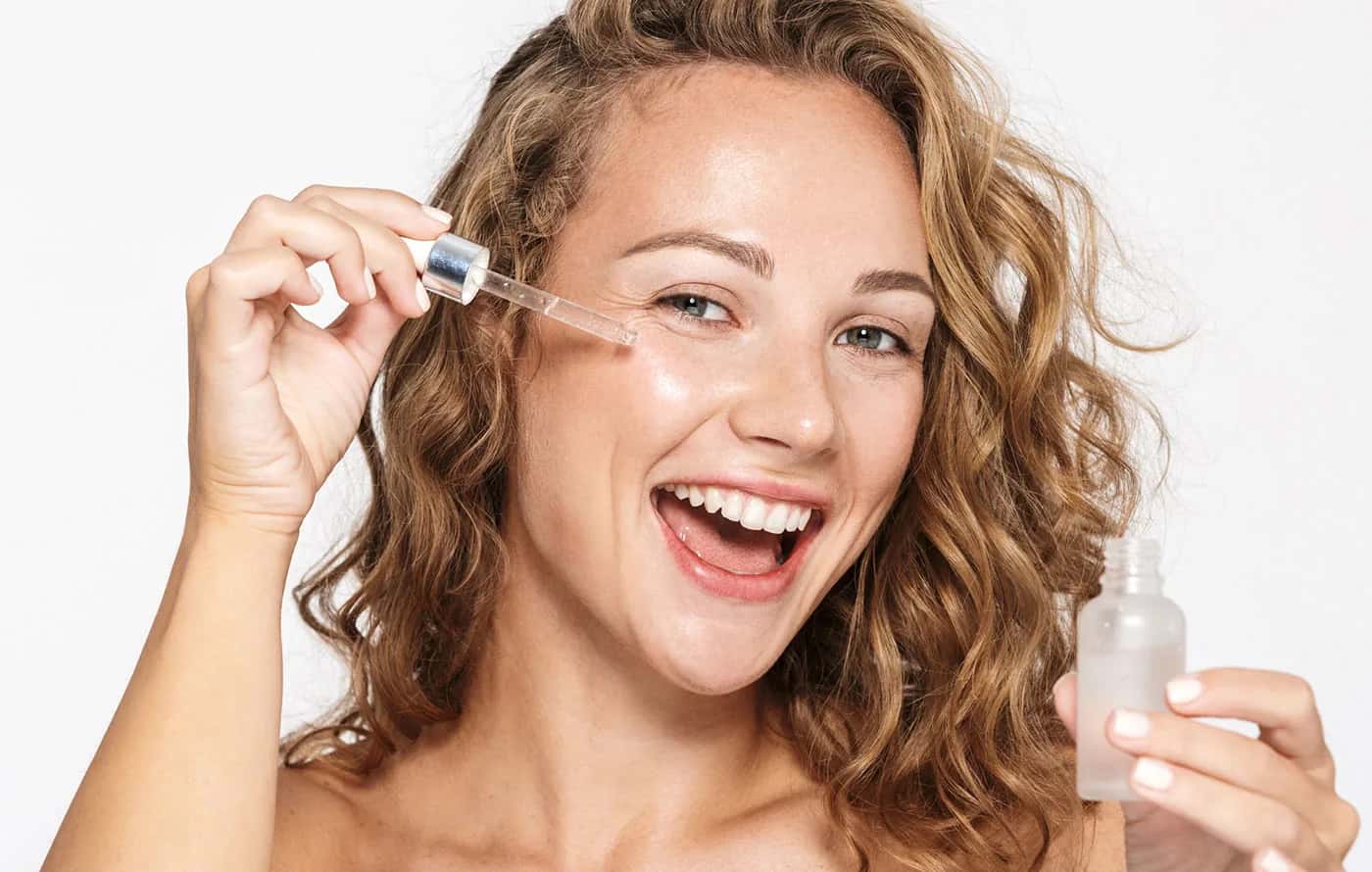


What Is PDRN Skin Treatment?
PDRN skin treatment uses purified DNA fragments called polydeoxyribonucleotides to support biological processes involved in tissue repair, inflammation control, and skin regeneration.
Traditional PDRN is commonly purified from salmon or trout reproductive cells, producing DNA fragments after extensive processing. These fragments contain deoxyribonucleotide chains rather than living cells or genetic material capable of reproducing. Dermatological formulations can be delivered through injections, topical products, or treatment protocols combined with procedures that disrupt the skin barrier. Cosmetic interest has expanded because PDRN influences pathways connected with fibroblast activity, wound healing, extracellular matrix repair, and inflammatory regulation.
How Does PDRN Work in the Skin?
PDRN appears to support skin repair mainly through adenosine A2A receptor signaling and a nucleotide salvage pathway that supplies building blocks for recovering cells.
A2A receptor activation is associated with reduced inflammatory signaling and increased expression of factors involved in tissue repair and vascular development. PDRN breakdown also produces nucleotides and nucleosides that damaged or metabolically stressed cells can reuse. Laboratory research suggests these processes can influence fibroblast proliferation, extracellular matrix formation, and collagen-related activity. These mechanisms provide a biological explanation for regenerative effects, although laboratory mechanisms do not automatically prove a visible cosmetic benefit of every commercially available PDRN formulation.
What Are the Potential Benefits of PDRN Skin Treatments?
PDRN skin treatments may improve selected measures of skin quality, tissue recovery, wrinkles, hydration, elasticity, and wound healing, although clinical evidence remains limited.
The strongest randomized evidence currently relates to regenerative effects and wound healing. A 2026 systematic review identified only seven randomized trials involving 183 participants across PDRN and related polynucleotide treatments. Skin rejuvenation studies reported improvements in several wrinkle and skin-quality measures, while wound studies showed more consistent acceleration of healing. These findings support genuine potential but also show that the evidence base remains relatively small. Treatment claims should therefore match demonstrated outcomes rather than promising comprehensive facial rejuvenation.
Can PDRN Improve Fine Lines and Wrinkles?
PDRN-related treatments may reduce the appearance of fine lines and wrinkles, but current studies support modest skin-quality improvement rather than facelift-like structural correction.
Randomized aesthetic studies involving DNA-derived polynucleotides have reported improvements in periocular skin characteristics, including elasticity, hydration, roughness, and visible aging measures. More recent topical research has also reported improvements in periocular wrinkles over short follow-up periods. However, different studies use different molecular weights, products, concentrations, injection patterns, and outcome measures. PDRN should therefore be understood as a regenerative skin treatment rather than a direct replacement for neuromodulators, fillers, resurfacing procedures, or surgical lifting.
Does PDRN Improve Skin Hydration and Elasticity?
PDRN and related polynucleotide treatments may improve skin hydration and elasticity, with small clinical studies showing measurable changes after repeated treatment.
In a randomized split-face periocular study, both DNA-derived treatment and non-crosslinked hyaluronic acid improved several skin measurements. The polynucleotide-treated side showed greater improvement rates for some elasticity, hydration, roughness, and pore-related measurements during follow-up. These findings are encouraging but should be interpreted carefully because the study included only 27 participants. PDRN is not primarily a volumizing filler, so any improvement in skin appearance should be attributed to skin-quality changes rather than significant replacement of lost facial volume.
Can PDRN Be Used Under the Eyes?
PDRN-related injectable treatments are used around the eyes to target fine texture, mild crepiness, hydration, and early skin-quality changes rather than substantial hollowing.
The periocular region has been studied in randomized trials of related polynucleotide formulations. Repeated injections produced improvements in several objective skin measurements without serious adverse events in one controlled study. However, under-eye darkness has multiple causes, including pigmentation, visible blood vessels, shadowing, thin skin, and tear-trough volume loss. A regenerative injection cannot correct every mechanism. Someone with pronounced structural hollowing or prominent fat pads may therefore need a completely different treatment approach from someone whose primary concern is fine skin texture.
Can PDRN Help Acne Scars?
PDRN-related polynucleotide therapy may improve selected atrophic acne scars, but available controlled evidence remains small and does not establish it as a universal scar treatment.
One randomized placebo-controlled study included 20 women with moderate to severe atrophic acne scars. Participants receiving purified polynucleotide injections showed significant improvement from baseline at one and three months, while the placebo group did not show comparable improvement. More recent research has also examined polynucleotides as an adjunct to fractional laser treatment. Acne scars vary considerably between ice-pick, rolling, and boxcar patterns, so one regenerative product cannot address every scar architecture equally.
Can PDRN Help With Pigmentation?
PDRN has shown possible anti-pigmentation effects, but evidence for treating melasma or facial hyperpigmentation remains too limited for it to replace established pigment treatments.
Laboratory studies have demonstrated reductions in pathways involved in melanin production. A very small human series involving six women also reported improvement after three intradermal treatment sessions. However, that study size is far too small to establish reliable effectiveness for common pigmentation disorders. Hyperpigmentation can arise from sun exposure, inflammation, hormones, medications, or other causes. PDRN may eventually have an adjunctive role, but current evidence supports caution when presenting it as a dedicated pigmentation treatment.
Can PDRN Help Skin Recover After Laser or Microneedling?
PDRN may support recovery after procedures that intentionally injure the skin, particularly by influencing inflammation, re-epithelialization, and tissue-repair pathways.
This application is biologically consistent with the strongest area of PDRN research, which involves wound healing rather than purely cosmetic rejuvenation. Clinical and experimental evidence indicates effects on inflammatory regulation, fibroblast activity, vascular signaling, and epithelial recovery. Recent aesthetic research has also explored DNA-derived treatments after fractional laser procedures. However, results from combined protocols cannot prove that PDRN alone caused every improvement. Treatment technique, laser settings, skin type, and post-procedure care remain important contributors to recovery.
How Is PDRN Applied to the Skin?
PDRN can be delivered through several approaches, although penetration and clinical evidence differ substantially between injectable and topical formulations.
Common approaches include:
-
Intradermal microinjections across a treatment area
-
Small injections around the periocular region
-
Topical formulations designed for intact skin
-
Application after procedures that temporarily disrupt the skin barrier
-
Combination protocols following fractional laser treatment
-
Investigational delivery using specialized biomaterials or regenerative platforms
Injection places the material directly within superficial tissue, while topical products must cross the skin barrier. Product concentration, molecular size, delivery technology, and treatment purpose therefore influence whether different PDRN products can reasonably be expected to produce comparable results.
Do Topical PDRN Products Work?
Topical PDRN products may improve selected signs of photoaging, but their effectiveness depends heavily on molecular characteristics and whether sufficient material reaches biologically relevant skin layers.
Skin penetration has historically been an important limitation for large DNA-derived molecules. A 2026 randomized split-face study evaluated a specially developed medium-length topical PDRN formulation and reported improvements in periocular wrinkles and several skin measurements over 28 days. The formulation also underwent experimental penetration testing. These findings cannot automatically be applied to every serum or cream marketed with PDRN. Products can differ substantially in concentration, molecular weight, formulation technology, stability, and ability to cross the epidermal barrier.
What Is the Difference Between PDRN and Polynucleotide Treatments?
PDRN and polynucleotide treatments are closely related DNA-derived therapies, but the terms should not always be treated as scientifically identical.
Recent literature proposes using PDRN for shorter and medium-length deoxyribonucleotide chains below approximately 1500 kDa. PN generally refers to longer DNA polymers. Their physical behavior and biological effects can consequently differ. Longer polynucleotides may provide greater viscosity and extracellular matrix support, while PDRN is more strongly associated with A2A receptor signaling and nucleotide salvage mechanisms. Older aesthetic literature frequently used both terms interchangeably, which makes direct comparison between studies difficult and sometimes creates misleading product descriptions.
How Many PDRN Skin Treatment Sessions Are Usually Needed?
PDRN treatment studies commonly use multiple sessions rather than one injection, but research has not established a single optimal schedule for cosmetic skin rejuvenation.
Protocols differ substantially according to formulation and treatment objective. One controlled periocular study used three sessions separated by two weeks. Small pigmentation research used three treatments at four-week intervals. Other polynucleotide aesthetic studies have used several sessions spaced two to four weeks apart. This variability is one limitation of the evidence base. A fixed universal schedule cannot currently be supported for all PDRN products because molecular size, concentration, delivery depth, treatment area, and clinical indication differ between available formulations and published research.
When Do PDRN Skin Treatment Results Appear?
Visible PDRN skin changes generally develop gradually over several weeks because regenerative treatments depend on biological remodeling rather than immediate volumizing effects.
Studies commonly evaluate skin changes after repeated sessions and continue measurements for several weeks or months. Improvements may include smoother texture, better hydration, reduced roughness, or modest changes in fine lines. Temporary swelling immediately after injections can create an early cosmetic change that should not be confused with the final result. Tissue remodeling requires more time. Current trials also use different endpoints and follow-up periods, preventing one precise universal timeline. PDRN should therefore be evaluated over a treatment course rather than immediately after individual injections.
How Long Do PDRN Skin Treatment Results Last?
The exact duration of PDRN cosmetic results is not firmly established because available studies generally have short follow-up periods and use different formulations and treatment schedules.
Many aesthetic studies evaluate outcomes for approximately one to three months after treatment. This provides evidence of short-term improvement but does not establish whether every benefit persists for six months, one year, or longer. Normal skin aging and ultraviolet exposure also continue after treatment. Maintenance protocols are widely discussed in aesthetic practice, yet high-quality trials have not established one evidence-based maintenance interval. Longer randomized studies are required before durable cosmetic effects can be quantified confidently across different PDRN formulations.
What Are the Side Effects of PDRN Skin Injections?
PDRN skin injections generally produce mild temporary injection-related effects in published cosmetic studies, while serious treatment-related events have been uncommon in the limited randomized evidence.
Reported reactions with related injectable polynucleotide treatments include temporary swelling, injection-site pain, redness, itching, and bruising. Some studies reported no major treatment-related complications. However, small trials cannot reliably identify very rare adverse events. Any injectable procedure also carries broader risks such as infection, bleeding, inflammatory reactions, or unintended placement. Product quality and sterility are particularly important because cosmetic PDRN formulations are not globally standardized under one regulatory framework.
Is PDRN Made From Salmon DNA?
Most established PDRN formulations are produced from highly purified DNA obtained from salmon trout or chum salmon reproductive cells.
Manufacturing involves purification, deproteinization, and sterilization designed to remove proteins, peptides, and other components that could contribute to immune reactions. The resulting material consists primarily of purified DNA fragments rather than salmon tissue. Alternative sources are being investigated, including other marine organisms and plant-derived materials, but salmon-derived PDRN remains the best established form in published literature. Anyone with significant fish allergy history should disclose that information before treatment, even though purified PDRN contains far fewer potentially immunogenic proteins than unprocessed biological material.
How Strong Is the Evidence for PDRN Skin Treatments?
Evidence for PDRN skin treatment is promising but still limited, particularly for cosmetic rejuvenation compared with its better-established research in tissue repair and wound healing.
A 2026 systematic review found only seven randomized trials involving 183 participants across PN and PDRN applications. Four addressed skin rejuvenation, while the remainder examined scars or wound healing. The review found favorable outcomes but emphasized small samples, inconsistent protocols, different formulations, and variable outcome measures. Therefore, PDRN should not be described as scientifically proven to reverse skin aging comprehensively. Current evidence supports regenerative potential and selected skin-quality improvements while highlighting the need for larger, standardized, longer-term randomized trials.
- Last updated
- Language
- English
How did you find this article?

This 2026 winter skincare guide explains how to protect the skin barrier, prevent dryness, adjust active ingredients, and maintain a balanced routine as temperatures fall.

Subscribe to the Medifinder newsletter and never miss our latest content.