










Why Is One Cheek Swollen After Dermal Fillers?
One cheek can swell more after dermal fillers because of uneven healing, bruising, inflammation, trapped fluid or a delayed reaction.

- Last updated
- 6 reads
- 6 min read
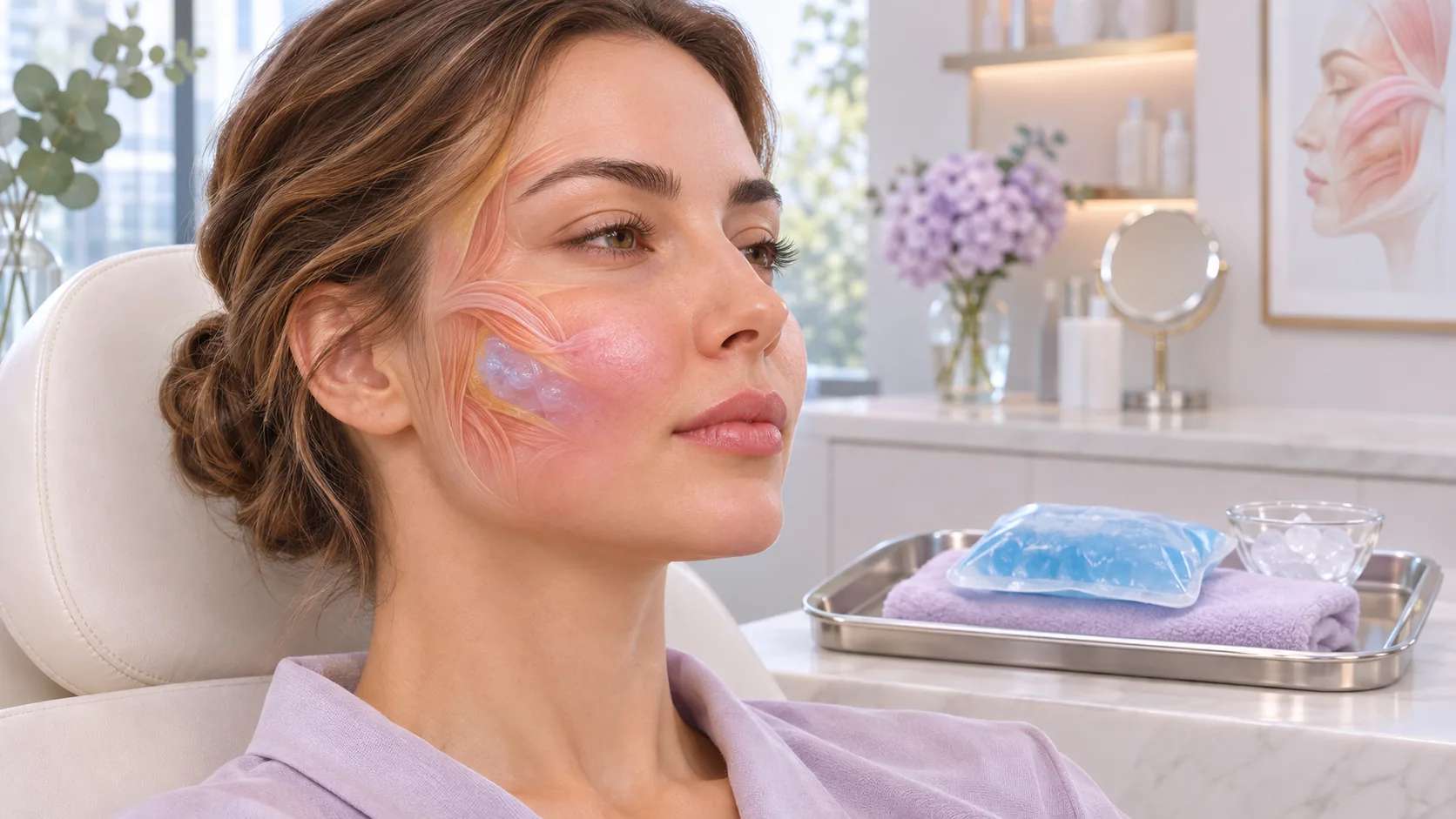


One cheek looking more swollen than the other after dermal fillers can be alarming, especially when the treatment was intended to create balance. Mild asymmetry is common during the first days because injection trauma, fluid, bruising and the filler itself do not settle at exactly the same speed on both sides. The important details are when the swelling started, whether it is improving, and whether pain, heat, color change or vision symptoms are present.
Why Is One Cheek Swollen After Dermal Fillers?
The face is naturally asymmetric, and the two cheeks may have different tissue thickness, blood flow and muscle activity. Even when equal amounts of filler are placed, one side can react more strongly. Swelling may also reflect the injection path, pressure from sleeping, exercise, salt intake or a small bruise beneath the skin.
- Normal post injection swelling can be uneven.
- Bruising may make one cheek look larger or darker.
- Inflammation can appear after a delay.
- Sudden pain or skin color change needs prompt attention.
Normal Early Swelling
Immediately after filler, the treated cheek may feel tight, firm or puffy. Swelling often peaks during the first one to three days and then gradually settles. One side may remain fuller for longer because it received more needle passes or had a stronger inflammatory response. The skin can also look lumpy before the filler integrates with the surrounding tissue.
Bruising That Mimics Swelling
A bruise can create a raised or uneven appearance even when the actual volume difference is small. Blood beneath the skin changes color over several days and may spread slightly before fading. Tenderness with pressure is common. A bruise should slowly become less intense rather than expand with increasing warmth and pain.
Fluid Retention and Daily Habits
Salt, alcohol, heat, strenuous exercise and poor sleep can increase facial puffiness after injections. Sleeping on one side may also make the dependent cheek appear more swollen in the morning. These influences usually produce soft, diffuse swelling that improves as the day progresses and the body clears excess fluid.
Delayed Inflammation
Some reactions begin days or weeks after treatment. The cheek may become firm, tender, warm or visibly red. Delayed inflammation can follow an illness, dental procedure, vaccination, sun exposure or another immune trigger, although a clear cause is not always identified. A delayed change should be documented rather than repeatedly massaged.
Could the Filler Have Shifted?
Filler movement is different from ordinary swelling. A shifted product may create a persistent ridge, fullness in an unexpected area or a contour that remains unchanged after the initial recovery period. The location of the filler, the injection depth and facial movement influence how the product settles. Pressing the cheek firmly can make the tissue more irritated and does not reliably move filler into place.
Signs of Infection
Infection is uncommon but important to recognize. Increasing redness, heat, throbbing pain, pus, fever, worsening swelling or tenderness that spreads beyond the injection area are warning signs. A foul smell or draining lesion also deserves prompt attention. Antibiotic treatment may be needed, and squeezing the area can worsen tissue injury.
Signs of a Vascular Complication
Rare vascular complications can occur if filler affects blood flow. Severe or escalating pain, pale or mottled skin, a dusky color, unusual coolness, blisters or visual symptoms require immediate assessment. Do not wait for swelling to settle when the skin changes color or vision becomes blurred. Rapid action is important for protecting tissue.
What Can You Do at Home?
Use a cool compress wrapped in cloth for short periods and keep the head slightly elevated while resting. Avoid heat, intense exercise, alcohol and unnecessary pressure during the early recovery period. Follow the aftercare instructions provided for the product and treatment area. Do not inject, puncture, squeeze or vigorously massage a swollen cheek.
- Take daily photos in the same lighting to track change.
- Sleep on your back with the head gently elevated.
- Use only approved pain relief and avoid unplanned supplements.
- Contact the treatment provider if swelling is worsening rather than improving.
How Long Should Uneven Swelling Last?
Mild asymmetry often improves over several days, but a deeper cheek treatment may take longer to settle. The face can continue changing as bruising fades and the filler absorbs surrounding fluid. If one cheek remains clearly larger after the expected recovery period, becomes hard or painful, or changes suddenly after looking stable, it needs review.
When Is Adjustment Considered?
Adjustment is usually considered only after the tissue has settled enough to judge the true contour. Adding more filler too early can increase asymmetry and make the cause harder to identify. If the product is hyaluronic acid based, an enzyme treatment may sometimes be used when excess product is confirmed. Other filler materials require different approaches, so the exact product name matters.
Can Allergic Reaction Cause One Cheek to Swell?
Allergic reactions more often affect a wider area or produce itching, hives, lip swelling or breathing symptoms, but local sensitivity can begin near the injection site. Facial swelling with difficulty breathing, throat tightness or widespread hives is an emergency. A single firm cheek without itching is more often related to local inflammation, bruising or filler placement.
What Happens During an Evaluation?
The cheek is examined for temperature, color, firmness, tenderness, capillary refill and the position of the filler. Photos from before treatment help show whether asymmetry is new. Ultrasound may be useful when the filler depth or a hidden fluid collection is unclear. The timing of swelling and the product used are as important as what is visible on the skin.
How Can Future Asymmetry Be Reduced?
Accurate records, conservative planning and consistent aftercare help. Tell the injector about previous swelling, dental work, allergies, cold sores and medicines that affect bleeding. Avoid scheduling treatment immediately before major events when there is no recovery time. Use the same lighting and facial expression when comparing results instead of relying on a single mirror view.
- Keep the product, lot and injection area details.
- Follow the recommended recovery instructions.
- Do not layer another treatment over unexplained swelling.
- Report any previous delayed reaction before future injections.
Frequently Asked Questions About One Cheek Swelling After Dermal Fillers
Is one cheek being swollen after filler normal?
Mild uneven swelling is common during early healing because the two sides can react differently. It should gradually improve rather than become hotter, redder or more painful.
How do I know if cheek swelling is infected?
Increasing warmth, spreading redness, pus, fever, worsening pain and swelling that continues to expand are concerning signs. Prompt evaluation is important when these symptoms appear.
Can I massage a swollen cheek after filler?
Do not massage firmly unless specifically instructed after the cause has been assessed. Vigorous pressure can increase inflammation and may worsen bruising or tissue irritation.
When should cheek swelling after filler go down?
Many mild reactions improve over several days, although deeper treatment can take longer. Persistent, worsening or newly painful swelling should be reviewed.
Can hyaluronidase fix one swollen cheek?
Hyaluronidase acts on hyaluronic acid filler, not every injectable material. It is considered only when the filler type and the cause of asymmetry are clear.
Why Morning Swelling Can Look Worse
Fluid shifts while sleeping can make the lower side of the face appear fuller in the morning. A cheek may feel tight after lying on one side, then soften as you sit upright and move through the day. Morning puffiness should gradually improve, not become more pronounced with each passing hour. Take photos at the same time of day before deciding that a stable asymmetry has developed.
How Makeup and Skincare Can Confuse the Picture
Heavy makeup, rubbing during cleansing and active skincare products can irritate recovering skin. Concealer may hide bruising but can also make it harder to notice redness or a change in color. Use simple products, avoid exfoliation and note any new burning or itching after applying cosmetics.
Simple notes can show whether the swelling is settling or evolving.
Watching the Direction of Change
One swollen cheek after dermal fillers is often part of normal uneven healing, but the direction of change matters. Soft swelling that gradually settles is different from a hot, painful, discolored or rapidly enlarging cheek. Cool compresses, gentle positioning and careful observation are reasonable for mild early puffiness. Persistent asymmetry or warning signs deserve an assessment before any further treatment is added.
- Last updated
- Language
- English
How did you find this article?
Lip filler can feel firm after two weeks as swelling and tissue healing continue. Learn what may be normal, what to avoid, and which warning signs need prompt care.
Heavy eyelids after Botox can reflect temporary swelling or brow relaxation. Learn what causes the sensation, how long it may last, and when to seek help.
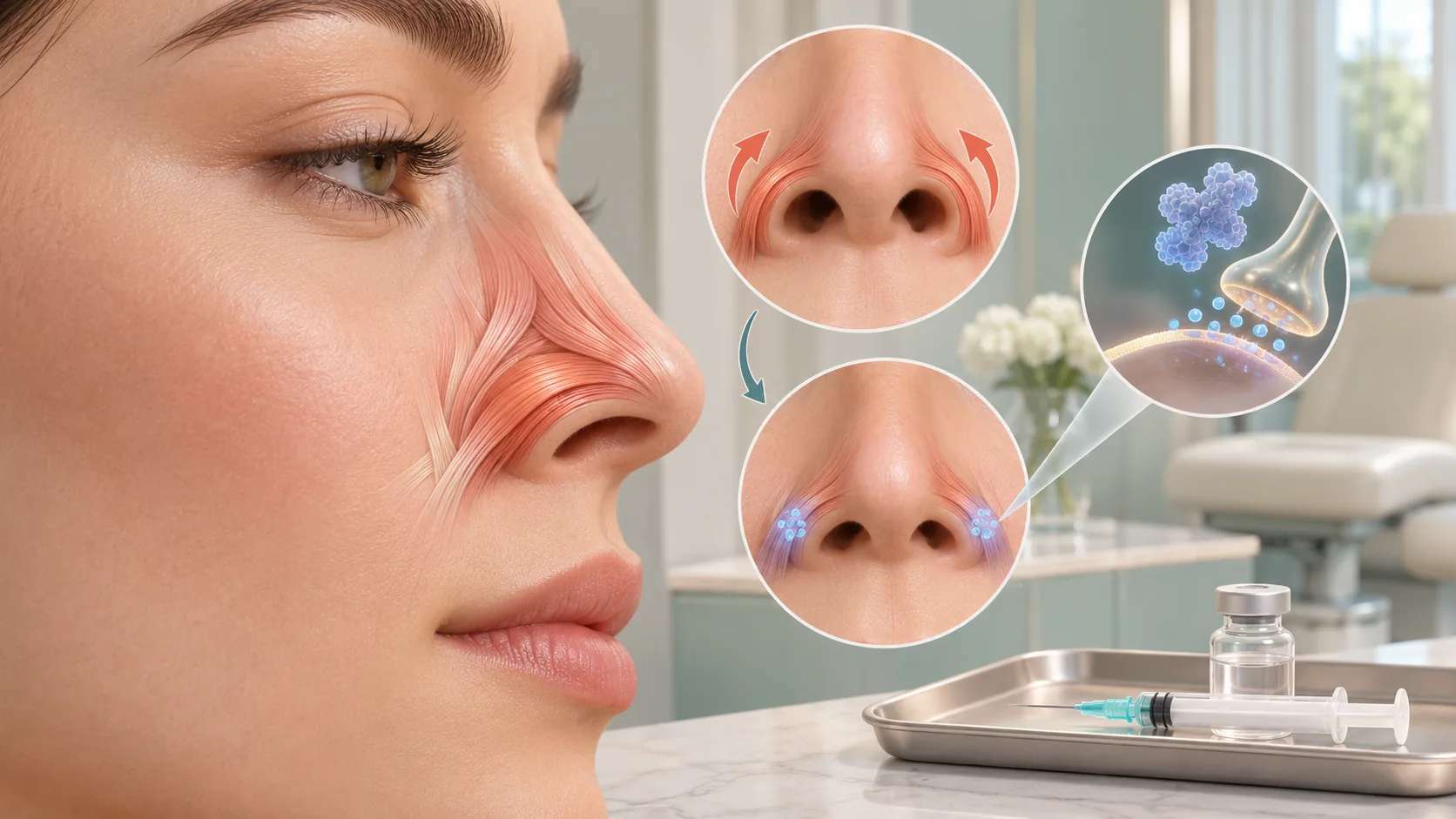
Botox can soften nose flaring caused by active muscles around the nostrils, but it does not reshape nasal bones or treat blocked breathing.
Subscribe to the Medifinder newsletter and never miss our latest content.