










Why Do My Eyelids Feel Heavy After Botox?
Heavy eyelids after Botox can reflect temporary swelling or brow relaxation. Learn what causes the sensation, how long it may last, and when to seek help.

- Last updated
- 6 reads
- 6 min read
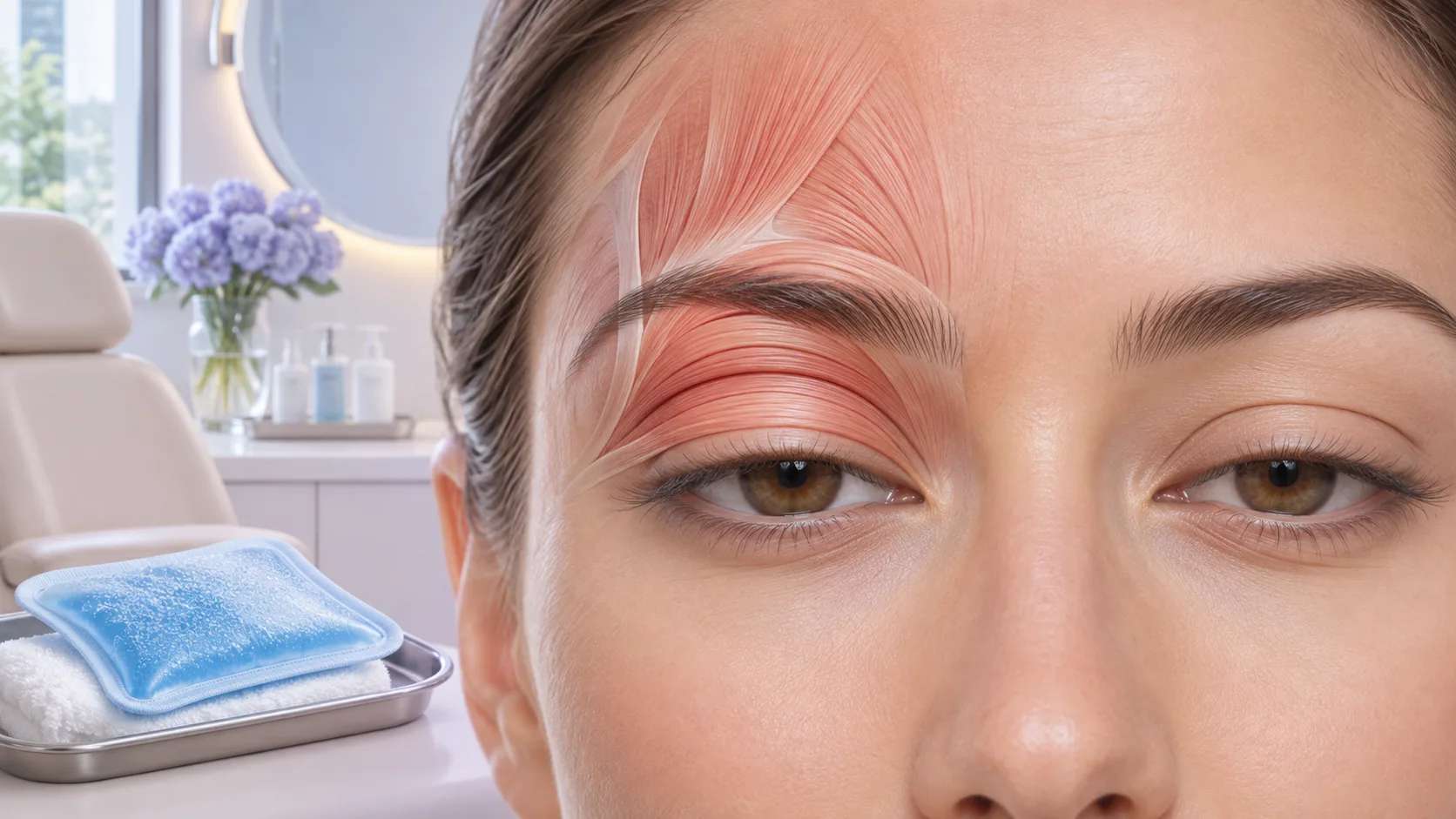


Heavy eyelids after Botox can feel unsettling, especially when the eyes look smaller, the brows seem lower, or keeping the upper lids open takes more effort. In many cases the sensation is temporary and reflects how nearby muscles, skin, and swelling respond during the first days after treatment.
What Heavy Eyelids Feel Like After Botox
Eyelid heaviness is often described as pressure across the brow, a tired appearance, or a feeling that the upper lids are resting lower than usual. Some people notice it more when reading, looking at a screen, or trying to raise the eyebrows. One eye may feel heavier than the other, and the change can be more obvious in photographs than in daily life.
The sensation does not always mean that the eyelid has truly dropped. Reduced forehead movement can alter the way the upper face supports the brow, creating a heavier look even when the eyelid margin remains in a normal position.
Why Can Botox Make the Eyelids Feel Heavy?
Reduced Frontalis Activity
The frontalis muscle lifts the eyebrows and helps keep the forehead animated. Botox reduces its contraction. If the forehead was quietly compensating for naturally hooded lids, relaxing that support can make the brow settle slightly lower and increase the sense of weight over the eyes.
Temporary Swelling
Small amounts of swelling can appear around injection points. Fluid retention may be subtle but still create pressure in the brow area. Swelling is commonly more noticeable in the morning, after salty meals, poor sleep, alcohol, or vigorous exercise.
Changes in Brow Balance
The forehead, glabella, and outer brow work as a connected unit. When one group of muscles relaxes sooner than another, the brow can look flatter, lower, or uneven. This altered balance may be interpreted as heavy eyelids even though the main change is above the eye.
Pre Existing Hooding
Natural upper lid hooding can become more visible when the brow relaxes. The skin has not necessarily increased; the supporting brow position has changed. This is why someone with mild hooding may notice a stronger effect than someone with a high, mobile brow.
Heavy Eyelids Versus True Eyelid Ptosis
Perceived heaviness usually involves a tired feeling or a lower brow. True eyelid ptosis means the upper eyelid margin itself sits lower and may partly cover the colored portion of the eye. The distinction matters because the two problems involve different structures.
Take a relaxed look in a mirror and compare the amount of iris visible in both eyes. Notice whether the brow has moved down or whether the eyelid edge is covering more of the eye. Avoid repeatedly lifting the brow to test it, because constant checking can make normal asymmetry appear more dramatic.
- Heaviness with normal vision often reflects brow relaxation, swelling, or fatigue.
- A visibly lower lid margin may suggest temporary eyelid ptosis.
- Double vision, marked pupil changes, or sudden neurological symptoms need urgent medical attention.
When Does Heaviness Usually Appear?
Botox does not reach its full effect immediately. Early puffiness may be noticed within hours, while muscle relaxation develops over several days. A heavy sensation can therefore appear gradually rather than at once. Many people notice the most obvious change between the third and tenth day, when the treated muscles are becoming less active.
Temporary heaviness often improves as swelling settles and facial muscles adapt. The visible effect of Botox commonly lasts several months, but the uncomfortable sensation should not be assumed to be permanent. Tracking the change with one photograph every few days is more useful than checking the mirror repeatedly.
What Can Make the Feeling More Noticeable?
Sleep loss, dehydration, seasonal allergies, long screen sessions, and eye strain can make the lids feel heavier. Congestion may create pressure around the eyes, while dry eyes can lead to frequent squinting and fatigue. A brow that was already asymmetrical may also look more uneven after the muscles begin to relax.
Touching the area repeatedly can increase irritation and swelling. Heavy makeup, tight headwear, intense facial massage, and hot environments may make the area feel fuller during the early recovery period.
Simple Ways to Stay Comfortable
Gentle care is usually the most sensible approach during the first days. Keep the head slightly elevated while resting, drink enough water, and follow the aftercare instructions provided for the treatment. A cool compress placed lightly over the closed eyes can ease puffiness. Do not press, rub, or knead the injection sites.
- Use a clean cool compress for short intervals.
- Sleep on your back with the head modestly elevated.
- Take screen breaks and blink slowly to reduce eye strain.
- Avoid alcohol, saunas, and strenuous exercise while swelling is active.
- Do not add another cosmetic treatment to correct the appearance immediately.
What Should You Avoid After Noticing Heavy Lids?
Do not massage the brow in an attempt to move the product. Rubbing can irritate the skin and does not provide a reliable correction. Avoid applying unapproved eye drops or borrowing medication from another person. Extra Botox placed too soon can deepen the imbalance rather than solve it.
It is also unhelpful to judge the result in harsh overhead lighting. Take note of function, comfort, and vision instead of focusing only on a single expression. If the heaviness is mild and stable, allowing time for the early response to settle is often more useful than making rapid changes.
When Should Heavy Eyelids Be Checked Promptly?
Arrange a prompt assessment if the lid continues to descend, blocks the visual field, or makes reading and driving difficult. Contact urgent medical services for sudden vision loss, severe eye pain, severe headache, facial weakness, confusion, difficulty speaking, trouble swallowing, or breathing difficulty. These symptoms are not typical cosmetic after effects and require immediate attention.
Seek advice as well if one eye becomes markedly different from the other, if swelling is hot and rapidly expanding, or if there is discharge, fever, or increasing redness. Clear photographs taken in the same lighting can help describe the progression accurately.
How Is Persistent Heaviness Managed?
Assessment begins with a look at brow height, eyelid position, facial movement, and vision. Mild cases are often monitored while the temporary effect evolves. In selected situations, a prescription drop may briefly stimulate a small eyelid muscle, but this is not suitable for everyone and should only be used under professional direction.
If the brow has settled lower than desired, a later adjustment may restore balance after the original treatment has stabilized. The safest timing depends on the pattern of movement and the amount of product already present. An early correction without a clear assessment can create new asymmetry.
Frequently Asked Questions About Heavy Eyelids After Botox
Is eyelid heaviness after Botox normal?
A mild heavy feeling can occur as forehead and brow muscles relax or as short lived swelling settles. It should be watched for changes in vision, function, pain, and one sided progression.
How long do heavy eyelids last after Botox?
The sensation may improve over days or weeks as swelling decreases and facial muscles adapt. A persistent or worsening change deserves an assessment rather than repeated self treatment.
Can Botox cause true eyelid ptosis?
Product that affects nearby lifting muscles can rarely contribute to temporary eyelid drooping. A lower eyelid margin, rather than only a lower brow, is the key visual clue.
Should I massage heavy eyelids after Botox?
Massage is not a dependable remedy and may irritate the area. Gentle cooling, rest, and avoiding pressure are safer comfort measures during the early period.
When should I seek urgent help?
Urgent help is appropriate for vision loss, severe pain, major headache, facial weakness, confusion, speech or swallowing difficulty, breathing trouble, or rapidly worsening swelling.
Keeping Expectations Realistic
Facial expressions are a moving system, not a set of isolated muscles. A small change in forehead activity can alter brow shape, eyelid exposure, and the way tiredness is perceived. That does not automatically mean the treatment has failed. Careful observation, sensible aftercare, and timely review provide a clearer path than trying to force the area back to its previous position.
Before judging the final appearance, compare the eyes at the same time of day and in neutral lighting. Morning fluid, allergies, and fatigue can change the face from one hour to the next. A short written timeline of when heaviness began, whether it is improving, and which activities are affected can make a later review much more precise.
- Last updated
- Language
- English
How did you find this article?
Lip filler can feel firm after two weeks as swelling and tissue healing continue. Learn what may be normal, what to avoid, and which warning signs need prompt care.

One cheek can swell more after dermal fillers because of uneven healing, bruising, inflammation, trapped fluid or a delayed reaction.
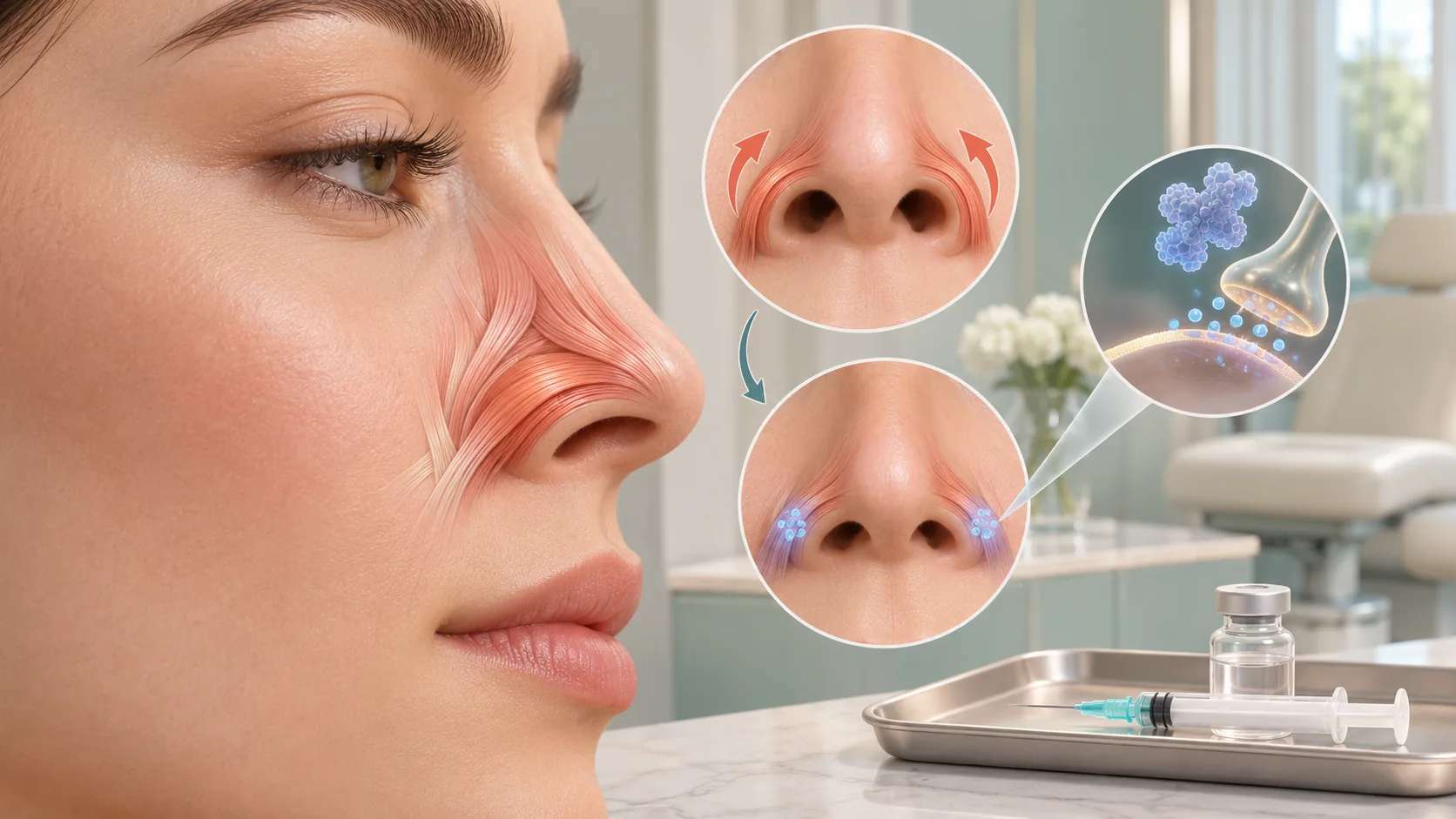
Botox can soften nose flaring caused by active muscles around the nostrils, but it does not reshape nasal bones or treat blocked breathing.
Subscribe to the Medifinder newsletter and never miss our latest content.