










Lip Filler Feels Hard After 2 Weeks: Is It Normal?
Lip filler can feel firm after two weeks as swelling and tissue healing continue. Learn what may be normal, what to avoid, and which warning signs need prompt care.

- Last updated
- 7 reads
- 7 min read
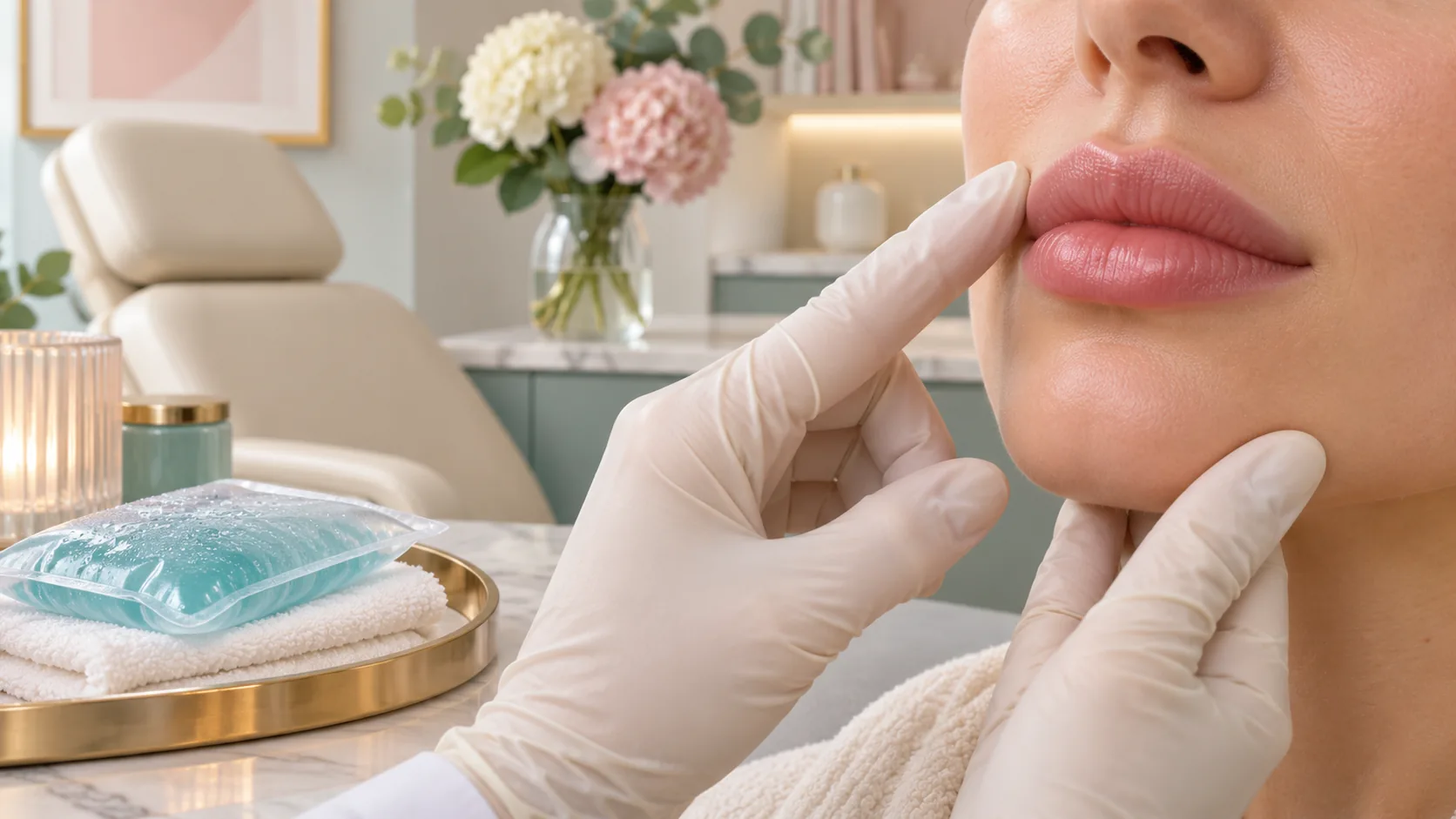


Feeling a firm area in the lips two weeks after filler can be unsettling, especially when the swelling has mostly gone down. A lip may feel dense when you smile, press gently, or move it while speaking. In many cases, this reflects normal settling, residual swelling, or the way the filler is integrating with the surrounding tissue. The exact pattern still matters because persistent pain, color change, or worsening firmness needs attention.
What Can Lip Filler Feel Like After Two Weeks?
Early after treatment, lips often feel swollen, tender, and uneven. By the second week, visible puffiness may be much lower while small firm areas remain. Some people notice a ridge along the border, a pea sized spot inside the lip, or a mild difference between the two sides.
Firmness can be more obvious when the lips are dry, when facial expressions pull on the area, or when the tissue is examined repeatedly. A softening trend is generally more reassuring than a lump that is becoming harder, hotter, redder, or more painful.
Why Can Lip Filler Feel Hard After Two Weeks?
The Filler Is Still Settling
Hyaluronic acid filler attracts water and occupies space within the lip. The material may not feel completely soft immediately because the surrounding tissue is still adapting. Small areas can feel denser before they blend into the natural movement of the lip.
Residual Swelling
Swelling does not always disappear evenly. The border, cupid bow, and central lip can retain fluid longer than nearby skin. A subtle swollen zone may feel firm even when it does not look dramatically enlarged.
Localized Product Placement
Filler is placed in specific layers to shape the lip. A small deposit can be felt more clearly in a thin area, particularly when the lips are pressed together. The sensation may lessen as the product integrates.
Healing Tissue
Needle or cannula entry points create a small healing response. The body can form temporary firmness around the treated track. This should gradually soften rather than expand or become increasingly tender.
Dryness and Surface Irritation
Chapped lips can make the entire mouth feel tighter and harder. Cracking, peeling, frequent licking, and strong lip products may add surface irritation that is mistaken for a deeper filler problem.
- A small, stable firm area can occur during normal settling.
- Firmness that is slowly softening is more reassuring than a growing lump.
- Increasing pain, heat, redness, or pale or dusky skin needs prompt review.
- Repeated pressing can prolong swelling and make the area feel more irritated.
Is Hardness at Two Weeks Normal?
Some firmness at two weeks can be within the recovery pattern, especially when there is no significant pain, color change, or functional problem. The lips may continue to change over the following weeks as swelling decreases and the filler becomes less noticeable to touch.
Normal healing should move toward greater comfort and softness. A firm spot that remains exactly the same for a prolonged period, becomes more visible, or is associated with tenderness deserves an assessment rather than aggressive home massage.
How to Tell a Settling Area From a Concerning Lump
Consider the whole picture. A settling area is often small, stable, and not hot or severely painful. It may feel more noticeable on one side but does not usually cause spreading redness or a change in skin color. A concerning lump may become increasingly tense, painful, warm, or associated with drainage.
Urgent vascular problems can present with unusual pain, blanching, grey or purple discoloration, cool skin, or changes in vision. These signs are different from ordinary firmness and should be treated as urgent.
What Should You Do at Home?
Keep the lips clean and moisturized with a gentle product that does not sting. Avoid repeatedly pinching or rolling the area. If cool compresses were included in your aftercare, use them lightly and briefly. Sleep with the head slightly elevated if swelling remains.
- Do not squeeze, puncture, or try to remove the filler yourself.
- Avoid aggressive massage unless it is specifically advised.
- Limit heat exposure, alcohol, and strenuous exercise while swelling persists.
- Use a simple lip balm and protect the lips from sun and wind.
Can Massage Soften a Hard Lip Filler Area?
Massage is not automatically the right solution. Some types of firmness respond to carefully directed manipulation, while other areas can become more swollen or displaced when pressed. Timing, pressure, filler location, and the appearance of the tissue all matter.
Do not copy a massage technique from a video or apply force to a painful area. If a specific aftercare manoeuvre is recommended, use only the pressure and frequency described.
When Should You Contact the Treatment Team?
Contact the treatment team if the firm area is getting larger, increasingly painful, hot, red, or associated with discharge. Also call if one side becomes markedly different, the lips become difficult to move, or swelling returns after it had been improving.
Seek urgent medical attention for severe escalating pain, pale or dusky skin, a cool patch, blisters, sudden vision changes, or neurological symptoms. These signs can indicate impaired blood flow or another complication that should not wait.
How Persistent Firmness Is Evaluated
An examination looks at color, temperature, tenderness, movement, symmetry, and the depth of the firm area. The history includes the filler type, injection date, onset of the lump, changes in swelling, and any previous filler in the same region.
Sometimes the area is simply observed while it softens. In other cases, targeted treatment may be considered for an inflammatory nodule, infection, or a product related issue. The appearance and symptoms guide the next step.
What Treatments May Be Considered?
Minor settling areas may need time, gentle skin care, and observation. If a hyaluronic acid filler nodule persists, an enzyme treatment may be discussed after the cause is clear. Infection or significant inflammation requires a different approach, and vascular concerns need urgent care.
Do not add more filler to hide a firm area before the original treatment has been assessed. Extra product can make the contour harder to interpret and may increase pressure in an already irritated area.
Frequently Asked Questions About Hard Lip Filler After Two Weeks
Is it normal for lip filler to feel hard after two weeks?
A small amount of firmness can remain while swelling and tissue healing settle. It should generally become less noticeable, not increasingly painful or inflamed.
Should I massage a hard lump in my lip?
Do not massage aggressively or improvise pressure. Some areas should be left alone, while others may need a carefully directed technique after assessment.
How long does lip filler take to feel soft?
Many lips feel more natural over the following weeks, but the timing varies with the product, amount, tissue response, and location of placement.
Can a hard lip filler lump be dissolved?
A persistent hyaluronic acid nodule may sometimes be treated with an enzyme, but the cause must be identified first. Infection and vascular problems require different care.
When is lip filler firmness an emergency?
Severe worsening pain, pale or purple skin, coolness, blisters, sudden vision changes, or neurological symptoms require urgent medical attention.
Watching the Lip Without Overhandling It
Two weeks after filler, a firm lip does not automatically mean something has gone wrong. The most useful clues are direction of change, pain, warmth, color, symmetry, and function. Protect the area, avoid forceful manipulation, follow the aftercare plan, and seek prompt assessment when the pattern is worsening or unusual.
Daily activities can make a settled area feel different from one hour to the next. Talking for a long time, eating chewy foods, sleeping face down, heat exposure, and dehydration may increase a sense of tightness. These changes do not necessarily mean the filler has moved, but they are worth noting if the sensation keeps returning.
Use a mirror and consistent lighting when checking the lips. Close-up phone cameras can exaggerate texture and make a mild contour difference appear dramatic. A photograph every few days is more informative than repeated close inspection throughout the day.
Keep the mouth comfortable with water, gentle lip care, and foods that do not require forceful stretching when tenderness remains. Avoid picking at peeling skin or using strong exfoliants around the injection points. The surface barrier helps protect the deeper tissue while it recovers.
If you have a history of cold sores, mention any tingling or grouped blisters promptly. Early treatment may be important, and a blistering outbreak should not be mistaken for a simple filler lump.
Do not use heat packs, home needles, or unapproved creams to change the texture. Attempts to correct a lump without knowing its cause can increase inflammation and make later examination more difficult.
- Last updated
- Language
- English
How did you find this article?
Heavy eyelids after Botox can reflect temporary swelling or brow relaxation. Learn what causes the sensation, how long it may last, and when to seek help.
One cheek can swell more after dermal fillers because of uneven healing, bruising, inflammation, trapped fluid or a delayed reaction.
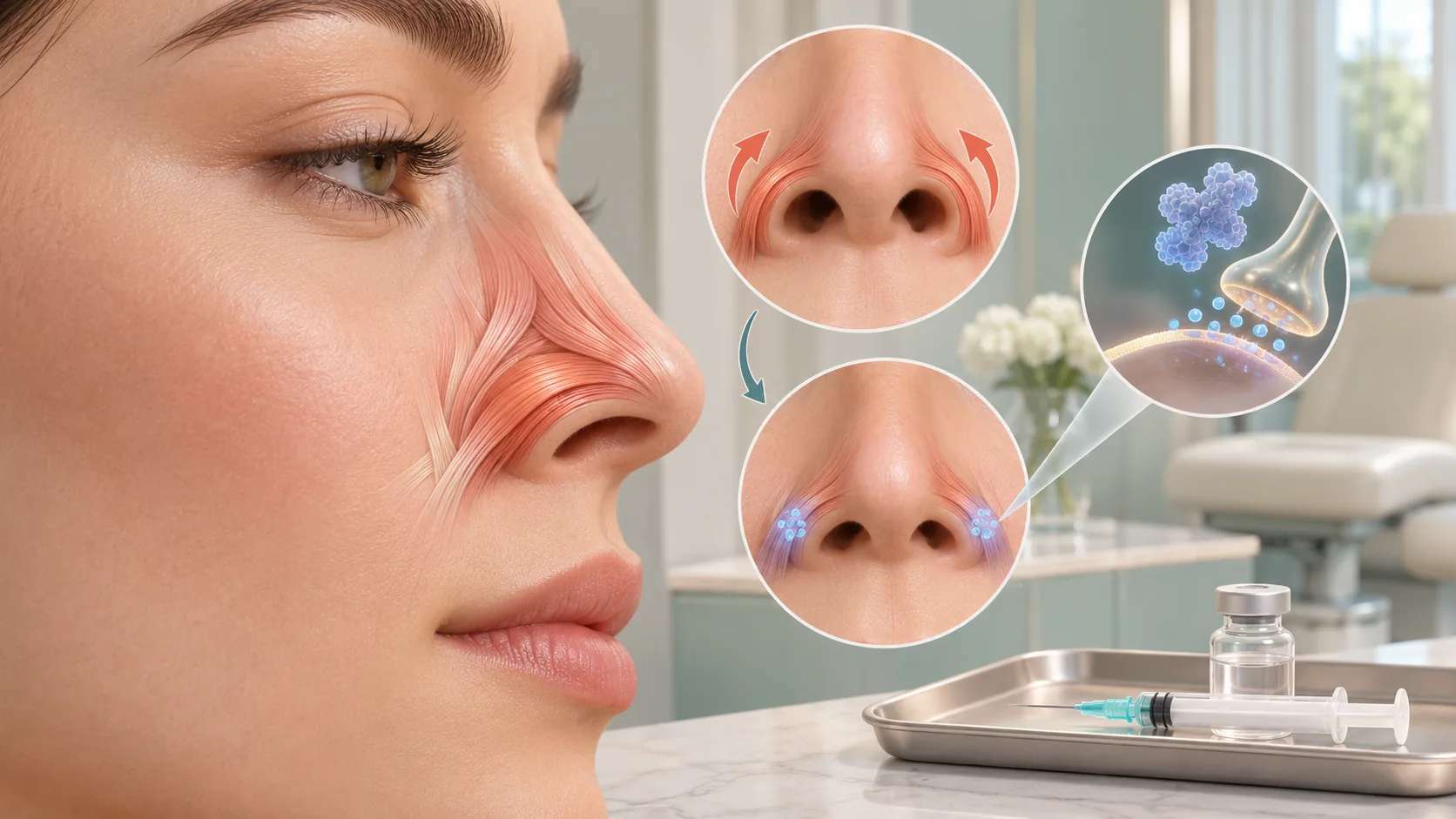
Botox can soften nose flaring caused by active muscles around the nostrils, but it does not reshape nasal bones or treat blocked breathing.
Subscribe to the Medifinder newsletter and never miss our latest content.