









Botox for Nose Flaring: How Does It Work?
Botox can soften nose flaring caused by active muscles around the nostrils, but it does not reshape nasal bones or treat blocked breathing.

- Last updated
- 6 reads
- 6 min read
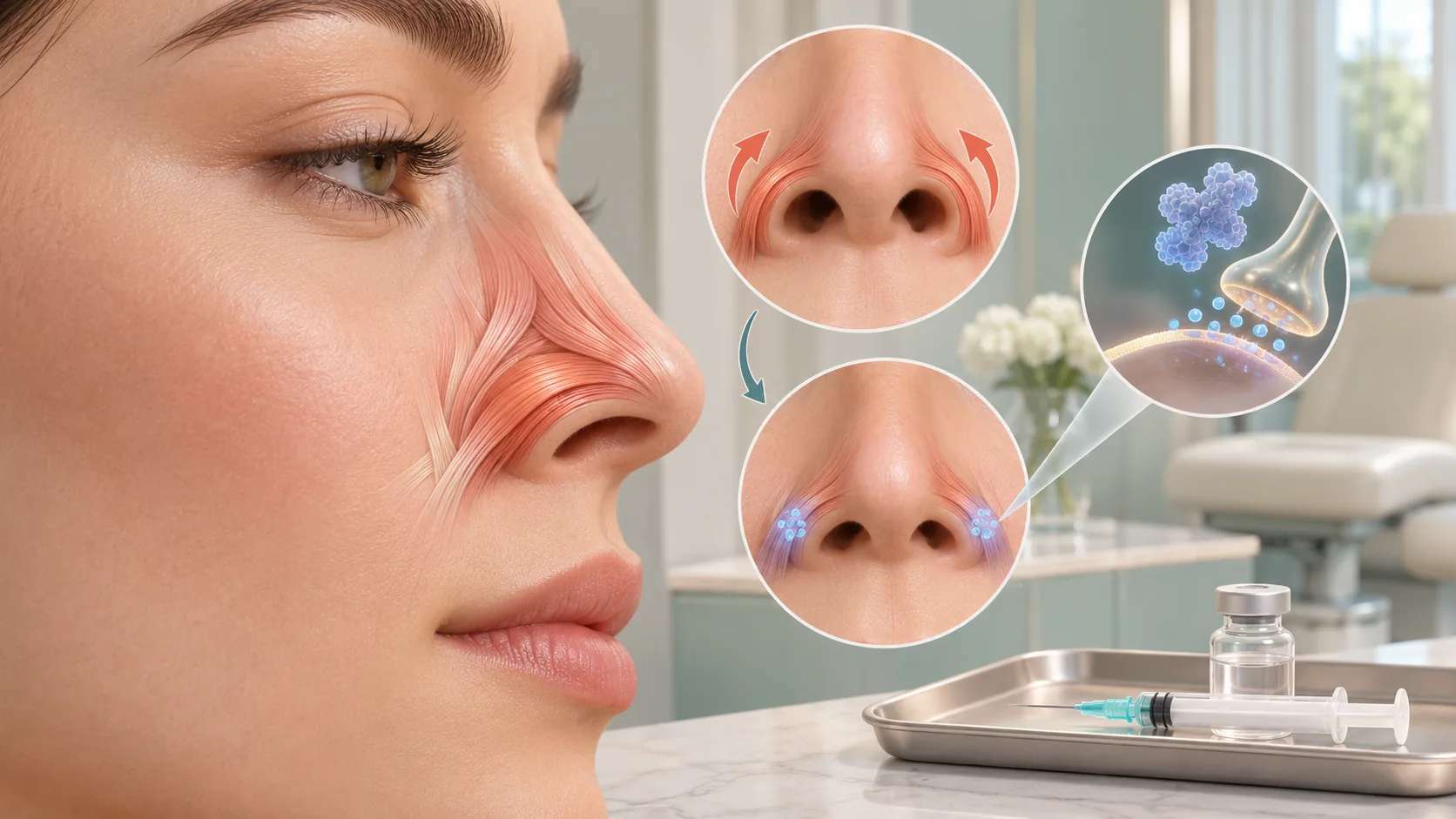


Nose flaring can make the nostrils appear wider or more active when you smile, speak, exercise or take a deep breath. For some people, the movement comes from strong muscles around the nostrils rather than from the fixed shape of the nasal bones. Botox can soften that movement by temporarily reducing muscle contraction. It does not reshape the nose or change the airway in the way surgery can.
What Is Nose Flaring?
Nose flaring occurs when the nostril openings widen as nearby muscles contract. It can be a natural facial expression, a response to exertion or part of the way someone breathes. Some people notice it mainly when smiling, while others see movement whenever they speak or inhale deeply. The visible width may change from moment to moment because the muscles are active.
How Does Botox Work for Nose Flaring?
Botulinum toxin blocks the nerve signal that tells a targeted muscle to contract. Tiny injections near the muscles that pull the nostril edges outward can reduce excessive movement. As the muscle relaxes, the nostrils may appear calmer at rest and during expression. The effect develops gradually and fades as nerve communication returns.
- Botox changes muscle activity, not bone structure.
- The goal is a softer flare during movement.
- Results are temporary and usually become visible over several days.
- Breathing function must be protected during treatment.
Which Muscles Are Involved?
The nose is moved by a small network of muscles around the upper lip, nasal sidewall and nostril rim. The exact pattern differs from one face to another. Some muscles lift the nostril edge, while others pull the base outward during smiling. Treatment is planned around the observed movement rather than a single universal injection point.
Who May Benefit From Botox for Nose Flaring?
Botox may help people whose nostril widening is primarily dynamic, meaning it appears with muscle contraction. A person who has a broad nasal base or fixed asymmetry may see less change because the underlying structure remains. The treatment is most useful when the concern is movement that becomes noticeable in specific expressions.
What Happens During Treatment?
The nose is observed at rest and during smiling, speaking and gentle inhalation. The areas of strongest movement are marked, and a small amount of product is placed close to the responsible muscles. The injections are brief. Mild tenderness, a pinprick sensation or temporary redness can occur around the treatment points.
When Do Results Appear?
Muscle relaxation is not immediate. Early changes may become noticeable within a few days, while the full effect is usually judged after about two weeks. The result should look like a reduction in excessive movement rather than a frozen nose. Follow up at the right time helps distinguish a subtle response from a need for adjustment.
How Long Does the Effect Last?
The duration varies with muscle strength, dose, metabolism and how often the area is used. Many people notice an effect for several weeks to a few months. Movement gradually returns as the nerve ending restores communication with the muscle. Repeated treatment may create a more familiar response, but it does not make the effect permanent.
Can Botox Change the Shape of the Nose?
Botox can make the nose look narrower during movement by reducing nostril flare, but it cannot reshape cartilage or bone. It may also soften a downward pull at the nasal tip when that movement is muscle driven. A fixed bump, broad bridge or structural asymmetry will not be corrected by relaxing the muscles.
Does Botox for Nose Flaring Affect Breathing?
The nasal muscles contribute to facial movement, but the internal airway has a separate structure. Careful treatment aims to soften excessive outward movement without weakening normal breathing support. New difficulty breathing through the nose, an unusual sense of collapse or marked asymmetry should be reported promptly.
What Side Effects Can Occur?
Temporary redness, swelling, bruising, tenderness or a mild headache can follow injections. If the product affects nearby muscles, a smile may look uneven or the upper lip may feel different. Rarely, unwanted weakness can alter speech, lip movement or the way the nostrils respond during breathing. These effects are usually temporary, but they should be monitored.
- Avoid pressing or rubbing the injection points immediately afterward.
- Observe changes in breathing, speech and smile symmetry.
- Keep the treatment area clean and follow aftercare instructions.
- Report worsening swelling, severe pain or new functional symptoms.
Can Botox Help a Gummy Smile and Nose Flaring Together?
The muscles that lift the upper lip can also influence how the nostrils move during a smile. In some facial patterns, reducing one movement may soften another. Treating several nearby areas requires careful balance because too much relaxation can change the smile or upper lip position. The visible goal should be defined before injections are placed.
How Is Nose Flaring Different From Nasal Congestion?
Flaring caused by congestion, allergies or exercise may be a normal attempt to move more air. Botox is not a treatment for blocked nasal passages, inflamed lining or a deviated septum. If flaring is new, accompanied by wheezing or occurs with significant breathing difficulty, the underlying airway issue should be addressed first.
Can Botox Correct Asymmetrical Nostril Movement?
Small differences between the two sides may improve when one muscle is more active than the other. Perfect symmetry is not guaranteed because nasal cartilage, skin thickness and muscle attachment also influence the appearance. The aim is usually a softer imbalance, not an identical mirror image.
What Should Be Avoided Before Treatment?
Bring a list of medications, supplements and previous injectable treatments. Avoid arriving with active skin irritation, infection or an unexplained rash around the nose. Discuss previous reactions and any breathing concerns. Clear information helps prevent treating a movement that is actually caused by congestion, inflammation or another medical issue.
Frequently Asked Questions About Botox for Nose Flaring
Does Botox make nostrils smaller?
It can make the nostrils look less wide during smiling or inhalation when muscle activity is the main cause. It does not permanently reduce the size of the nostril openings or nasal bones.
How many injections are needed for nose flaring?
The number depends on the muscles involved, the strength of movement and whether the pattern is symmetrical. A small, targeted treatment is generally preferred around the nose.
Can Botox for nose flaring affect my smile?
Nearby muscles influence the upper lip and smile, so unwanted lip weakness or asymmetry is possible if the product spreads or the dose is excessive. Careful placement reduces this risk.
Will Botox for nose flaring improve nasal breathing?
Botox is intended to reduce visible muscle movement, not to open blocked nasal passages. Breathing symptoms need a separate evaluation of the nasal airway.
Is nose flaring after Botox permanent?
The treatment effect is temporary. As nerve signaling returns, the original movement gradually comes back, and any unwanted weakness generally fades over the same recovery period.
Why Movement Analysis Matters
The nose may flare differently when smiling, speaking, laughing or taking a deep breath. A person can appear to have a wide nostril at rest but show the greatest movement only during a smile. Watching several expressions helps identify whether the concern is one muscle, a coordinated group or a fixed structural feature. It also prevents treating the wrong area and creating an imbalance in the upper lip.
Photographs or short videos taken before treatment can be useful for comparison. The most meaningful result is measured in the same expression and lighting, because a relaxed face may look unchanged even when movement has softened.
What Happens as the Effect Fades?
Return of movement is gradual, not a sudden reversal. The nostrils may begin to widen more during a smile before the appearance at rest changes. This gradual pattern allows future treatment timing to be chosen from real observations rather than an arbitrary calendar date. It also makes it easier to notice whether the original concern was muscle movement or fixed anatomy.
Tracking those small changes keeps expectations realistic.
Understanding the Treatment Goal
Botox for nose flaring works by relaxing selected muscles that widen the nostrils during expression or breathing effort. It can soften dynamic movement, but it cannot reshape fixed anatomy or treat congestion. A good result preserves a natural smile and comfortable breathing while reducing the flare that draws attention. Observing the nose at rest and in motion provides the clearest way to judge the change.
- Last updated
- Language
- English
How did you find this article?
Lip filler can feel firm after two weeks as swelling and tissue healing continue. Learn what may be normal, what to avoid, and which warning signs need prompt care.
Heavy eyelids after Botox can reflect temporary swelling or brow relaxation. Learn what causes the sensation, how long it may last, and when to seek help.
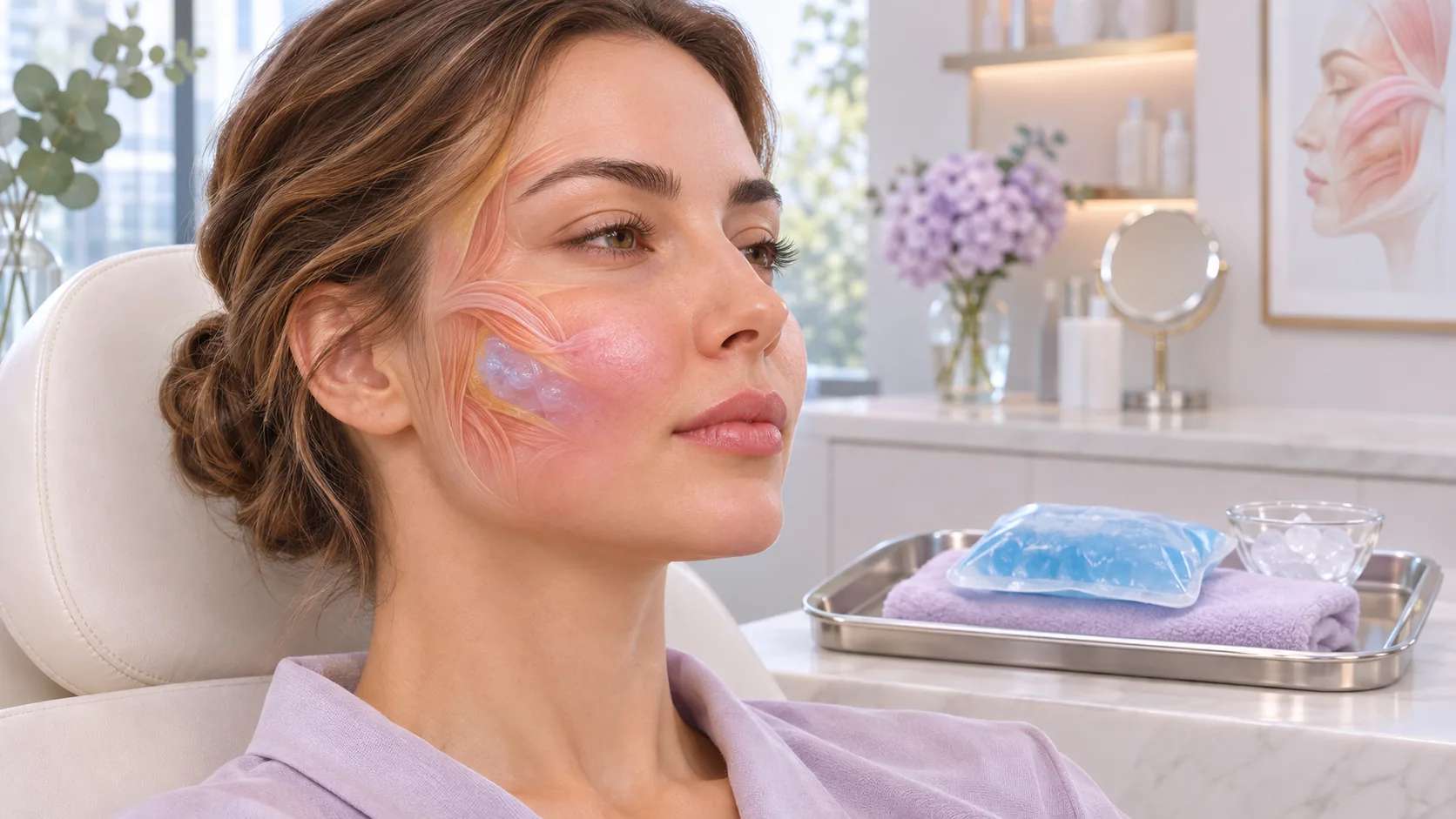
One cheek can swell more after dermal fillers because of uneven healing, bruising, inflammation, trapped fluid or a delayed reaction.
Subscribe to the Medifinder newsletter and never miss our latest content.