










Who Actually Performs Your Hair Transplant? A Guide to Doctor Involvement, Medical Teams and Graft Transparency
A safe hair transplant starts with clear physician responsibility. Patients should know who plans, extracts, creates recipient sites and implants grafts, with qualified staff under supervision.

- Last updated
- 38 reads
- 8 min read
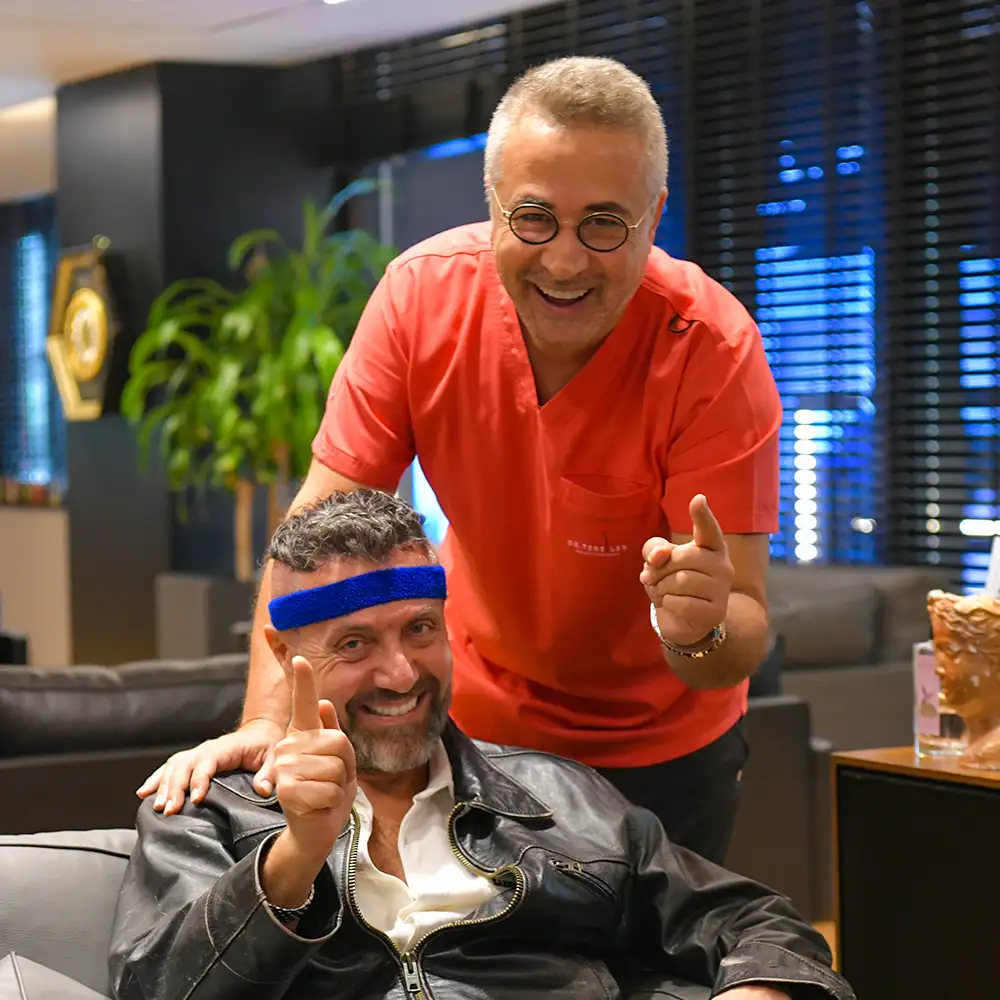


Written by Dr. Servet Terziler
Founder, Dr. Terziler Exclusive Clinic, Istanbul
Quick answer: A hair transplant is not performed by one pair of hands from start to finish. It is a medical procedure carried out by a physician-led team, but the roles inside that team matter. Patients should know who assesses the donor area, who designs the hairline, who extracts the follicles, who creates the recipient sites, who implants the grafts and who takes medical responsibility for the case. The safest question is not simply “Will a doctor be there?” It is “Who will do each part of my procedure?”
Why does doctor involvement matter in a hair transplant?
A hair transplant redistributes a limited supply of permanent donor hair. Once a follicular unit is removed from the donor area, that exact follicle cannot be replaced.
This makes the planning stage just as important as the procedure itself.
The physician must assess the cause and pattern of hair loss, donor capacity, hair calibre, future loss risk, scalp condition and the number of grafts that can be used without compromising the donor area. Hairline design also requires long-term judgment. A hairline that looks good at age 28 should still make anatomical sense if the patient's native hair continues to thin at 38.
The International Society of Hair Restoration Surgery, or ISHRS, warns patients that hair transplantation is surgery even when the incisions are very small. It specifically advises patients to establish who will perform the surgical aspects of treatment and whether those people are appropriately trained and licensed.
This is why the phrase “doctor-led hair transplant” needs a more precise definition.
A doctor appearing briefly before surgery does not tell you how the procedure is actually organised.
Which parts of a hair transplant should a doctor perform?
The answer depends partly on the medical regulations of the country where the surgery takes place.
Turkey has specific national regulations for hair-transplant units. Under the current framework, follicle harvesting and recipient-channel creation are restricted to appropriately qualified physicians. Graft placement may also be performed by certified healthcare professionals working under the supervision and responsibility of the treating physician.
The regulations also require hair-transplant units to use personnel whose qualifications are registered with the Ministry of Health. They require documentation of the technique, graft number, treatment area and members of the treatment team.
This distinction matters.
Patients considering a hair transplant in Turkey should verify who is responsible for each medical and surgical stage before booking.
A trained and legally authorised healthcare professional working under a named doctor is very different from an anonymous or unlicensed technician performing surgery independently.
Patients should therefore ask five direct questions before booking:
Who decides whether I am a suitable candidate?
Who designs my hairline and donor plan?
Who extracts the grafts?
Who creates the recipient sites or channels?
Who places the grafts, and under whose medical supervision?
A clinic should be able to answer these questions before the patient travels.
What is the role of the medical team?
A good hair-transplant team works more like a surgical unit than an assembly line.
Physicians make the medical and surgical decisions that shape the treatment plan. Trained healthcare professionals may support graft preparation, implantation and other authorised stages according to local regulations and under medical supervision.
Team training still matters.
A graft is small biological tissue. It can be damaged by poor handling, excessive manipulation, dehydration or unnecessary time outside the body. Consistent technique across the team therefore matters even when a task does not require the physician to perform every individual movement.
At Dr. Terziler Exclusive Clinic, assisting hair-transplant personnel receive internal technique training directly from Dr. Servet Terziler. The goal is to standardise graft handling, placement discipline, donor-area protection and the clinic's procedural workflow.
Internal training does not replace formal qualifications or legal scope of practice. It adds another layer of consistency to a team that must already work within Turkish healthcare regulations.
That distinction is important. Patients should not ask whether a clinic “uses technicians” as a simple yes-or-no question. They should ask what those team members are qualified to do, who trained them, which stages they perform and which physician is responsible for their work.
How does physician responsibility work at Dr. Terziler Exclusive Clinic?
Hair-transplant cases at Dr. Terziler Exclusive Clinic are assigned to a named physician.
Dr. Servet Terziler, the clinic's founder, has worked in hair restoration and aesthetic medicine for more than three decades.
Dr. Kürşat Yalvaç also plays a central medical role within the clinic. He is the clinic's Responsible Manager and a medical aesthetics physician. His professional background includes medical training in Turkey, further education and clinical work in London, and extensive experience in hair transplantation and aesthetic medicine.
Depending on the confirmed treatment plan, Dr. Servet Terziler or Dr. Kürşat Yalvaç may lead the patient's medical planning and follow-up. The clinic identifies the responsible physician rather than presenting the procedure as work performed by an unnamed “medical team.”
This allows the patient to ask a much more useful question:
“Who is medically responsible for my result?”
There should be a name attached to the answer.
Why is donor planning more important than the advertised graft number?
Patients often compare clinics using graft counts.
A quote of 4,000 grafts can sound better than a quote of 3,000 grafts. That comparison can be misleading.
Donor hair is finite. A physician must decide how much can be removed safely while preserving enough density for the appearance of the donor area and possible future treatment.
MediFinder's own patient guidance notes that hair transplantation does not create new follicles. It redistributes the patient's existing donor supply.
This means the goal should not be to extract the highest possible number.
The goal is to use the right number of grafts for the patient's current loss while protecting future options.
A useful consultation should therefore discuss donor capacity, not just recipient density.
How can a patient verify the graft count?
This is one of the most overlooked questions in hair transplantation.
Many patients pay for a stated number of grafts but never receive a practical way to verify the final count.
A clinic should document what was actually performed.
Turkish hair-transplant regulations require records that include information such as the technique used, number of transplanted grafts, treated area and treatment team.
At Dr. Terziler Exclusive Clinic, this principle is taken further through a real-time on-screen graft counter. The procedure record includes the graft count together with identifying treatment details, and procedures can also be documented on video.
The purpose is simple.
If a patient pays for 3,500 grafts, “approximately 3,500” should not be the only information available afterward.
A transparent system creates a record that can be checked.
Does technology replace the surgeon?
No.
Robotic or digital systems can improve consistency, measurement or workflow, but technology does not replace medical judgment.
A machine cannot independently decide whether a patient with progressive androgenetic alopecia should use 2,500 grafts now or preserve more donor hair for future loss. It does not decide where an age-appropriate hairline belongs. It does not diagnose a scalp disorder that should be treated before surgery.
At our clinic, Robotic DHI is used as part of a physician-led treatment model rather than as a substitute for one.
The same principle applies to any device marketed as robotic, sapphire, automated or AI-assisted.
Patients should ask:
What exactly does the technology do, and which decisions are still made by the doctor?
If a clinic cannot explain that distinction clearly, the technology name itself provides little useful information.
What should patients verify before paying a deposit?
Before booking a hair transplant, ask the clinic to identify the doctor responsible for your case in writing.
Then verify the physician's professional credentials and the clinic's legal operating status.
Patients travelling internationally should also check whether the clinic has the relevant authorisation to treat medical tourists.
Independent accreditation can provide another verification layer. Dr. Terziler Exclusive Clinic currently holds AACI accreditation through December 21, 2028, according to AACI's public registry.
Accreditation does not guarantee a cosmetic result. It does, however, provide an external assessment of organisational and patient-safety standards.
Finally, ask what documentation you receive after surgery.
Useful records may include:
the responsible physician's name
treatment technique
exact graft count
donor and recipient-area photographs
medication and aftercare instructions
follow-up schedule
contact information for postoperative concerns
These details are much more useful than a vague promise that “our team will take care of everything.”
Is a technician-led hair transplant always unsafe?
The term itself can create confusion.
Qualified healthcare professionals can legitimately assist in hair transplantation within their authorised scope and under physician supervision. In Turkey, regulations specifically provide for certified assistant practitioners and define which stages they may perform.
The concern is unlicensed or inadequately supervised personnel performing medical or surgical tasks outside their legal scope.
That is the issue highlighted by the ISHRS consumer warning.
Patients therefore need more detail than the labels “doctor-led” or “technician-led.”
Ask for names, qualifications and responsibilities.
Those three pieces of information tell you far more about how a clinic actually works.
The question I would ask before choosing a clinic
After decades in hair restoration, I would reduce the issue to one question:
“Can the clinic show me who is responsible for every important decision and every important stage of my procedure?”
A credible clinic should be able to answer without hesitation.
It should identify the physician. It should explain what trained team members do. It should document the graft count. It should show how the donor area was planned. It should provide a clear follow-up pathway.
Hair transplantation involves thousands of small actions, but the patient should never have to guess who is responsible for them.
Sources
International Society of Hair Restoration Surgery. Consumer Alert on unlicensed personnel performing hair-restoration surgery. https://ishrs.org/consumer-alert-false-advertising/
Republic of Türkiye Ministry of Health. Regulation on Hair Transplant Units and subsequent amendments defining clinic, physician and certified healthcare-professional responsibilities. https://antalyaism.saglik.gov.tr/TR-278824/sac-ekimi-birimleri--hakkinda-yonetmelik.html?utm_source=chatgpt.com
American Accreditation Commission International. Dr. Terziler Exclusive Hair Clinic accreditation record, valid through December 21, 2028. https://aacihealthcare.com/certificates/c150-2022-acc-tr-ieea/?utm_source=chatgpt.com
MediFinder Atlas. Guidance on hair-transplant donor limitations, physician involvement and clinic verification. https://www.medifinder.com/en/atlas/choosing-a-hair-transplant-clinic-in-iran/?utm_source=chatgpt.com
Dr. Terziler Exclusive Clinic. Physician/team information and clinic treatment model. https://drterziler.com/our-team/
- Last updated
- Language
- English
How did you find this article?
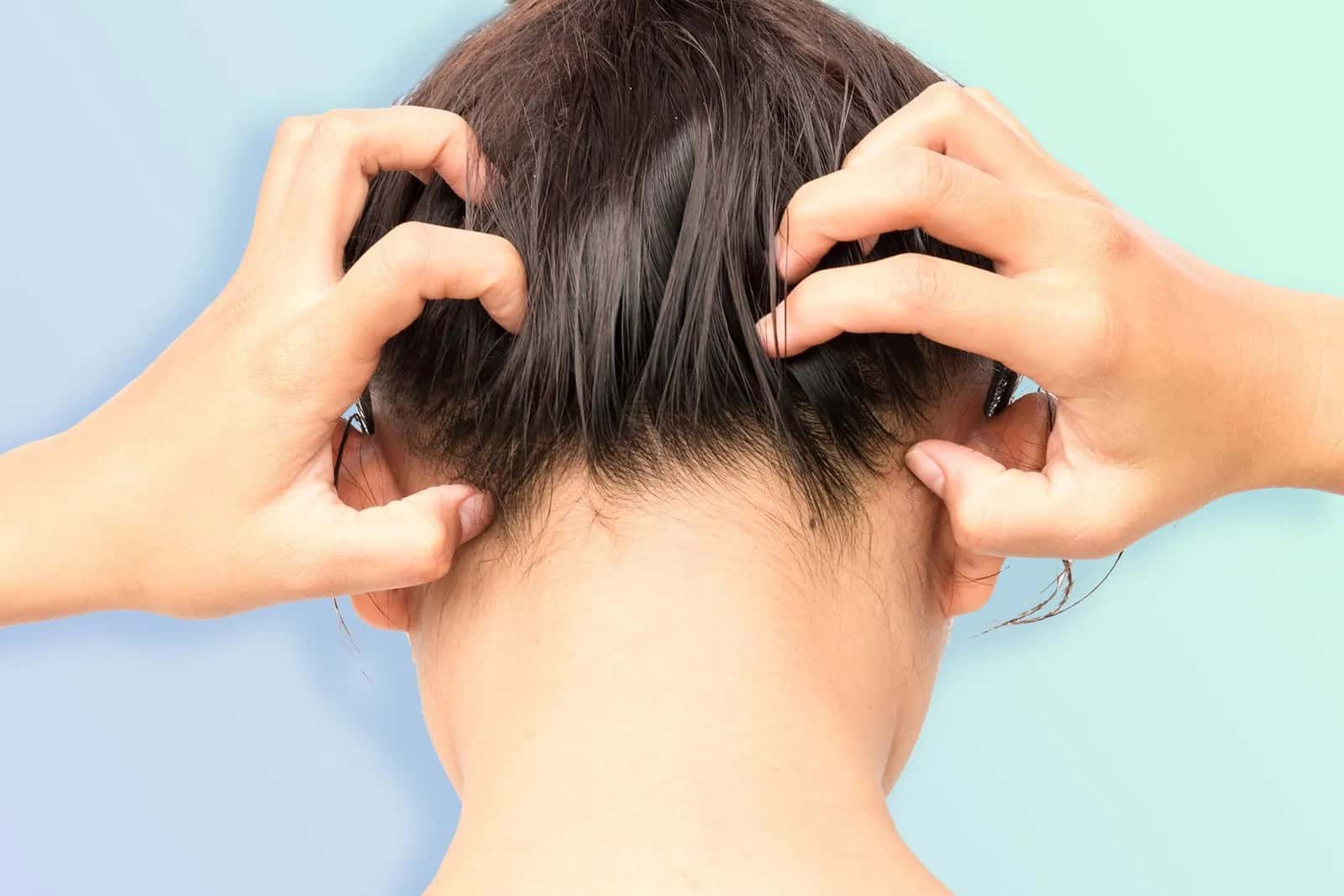
Air conditioning can dry out your scalp by reducing indoor humidity and affecting the skin's ability to maintain adequate moisture. Prolonged exposure to dry, cooled air may contribute to itching, flaking, tightness, and irritation, particularly when the scalp is already sensitive or prone to dryness.

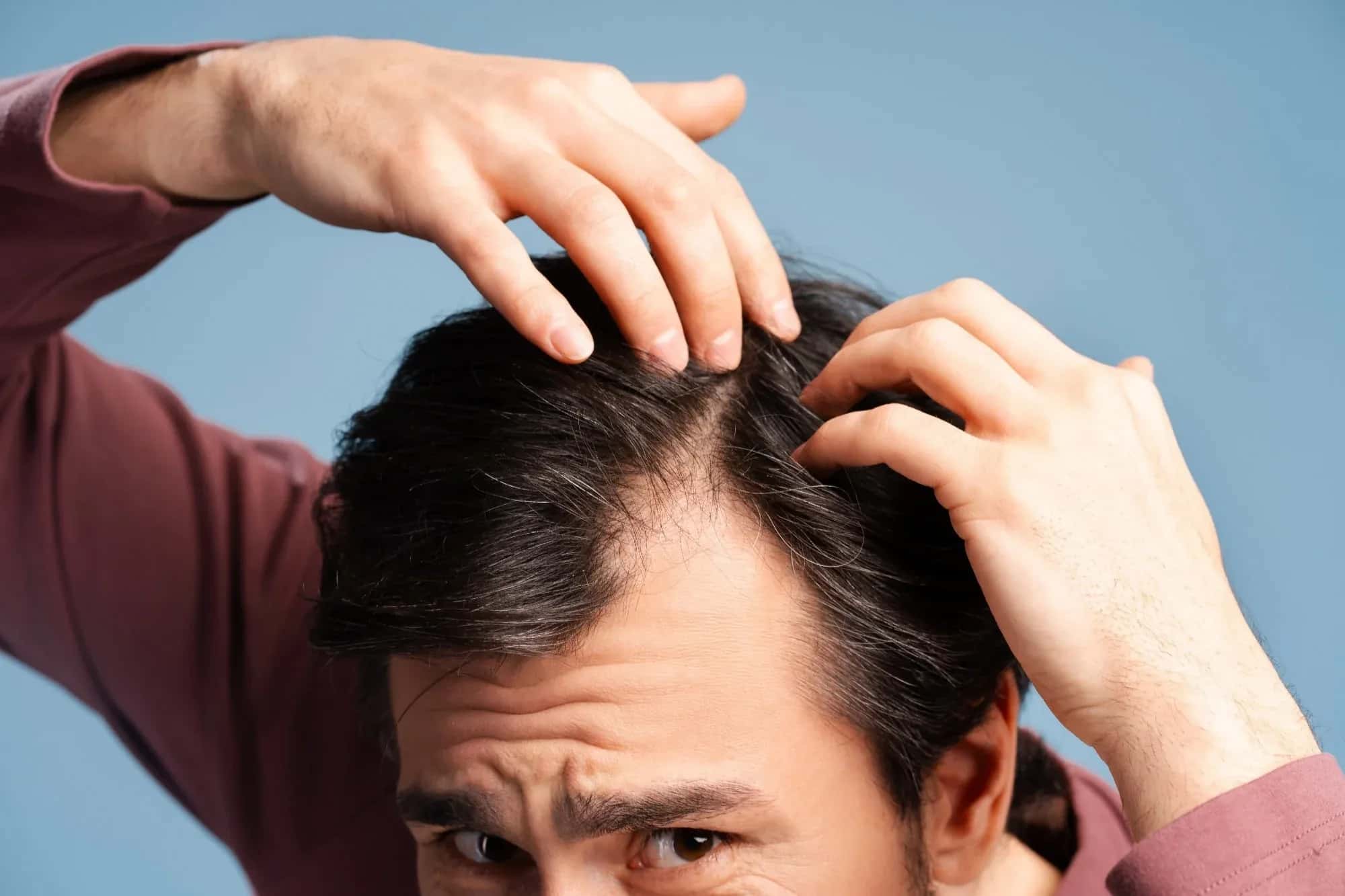
Certain dietary supplements can cause hair loss when taken in excessive amounts, particularly products containing high doses of vitamin A, selenium, or other concentrated nutrients. While supplements can help correct nutritional deficiencies that affect hair growth.

Spironolactone for female hair loss can help slow progressive thinning and improve hair density by reducing the effects of androgens on sensitive hair follicles. Although this prescription medication is not specifically approved for hair loss, clinical research supports its use in selected women.
Subscribe to the Medifinder newsletter and never miss our latest content.