










Which Skin Rejuvenation Treatment Is Right for You?

- Last updated
- 33 reads
- 8 min read
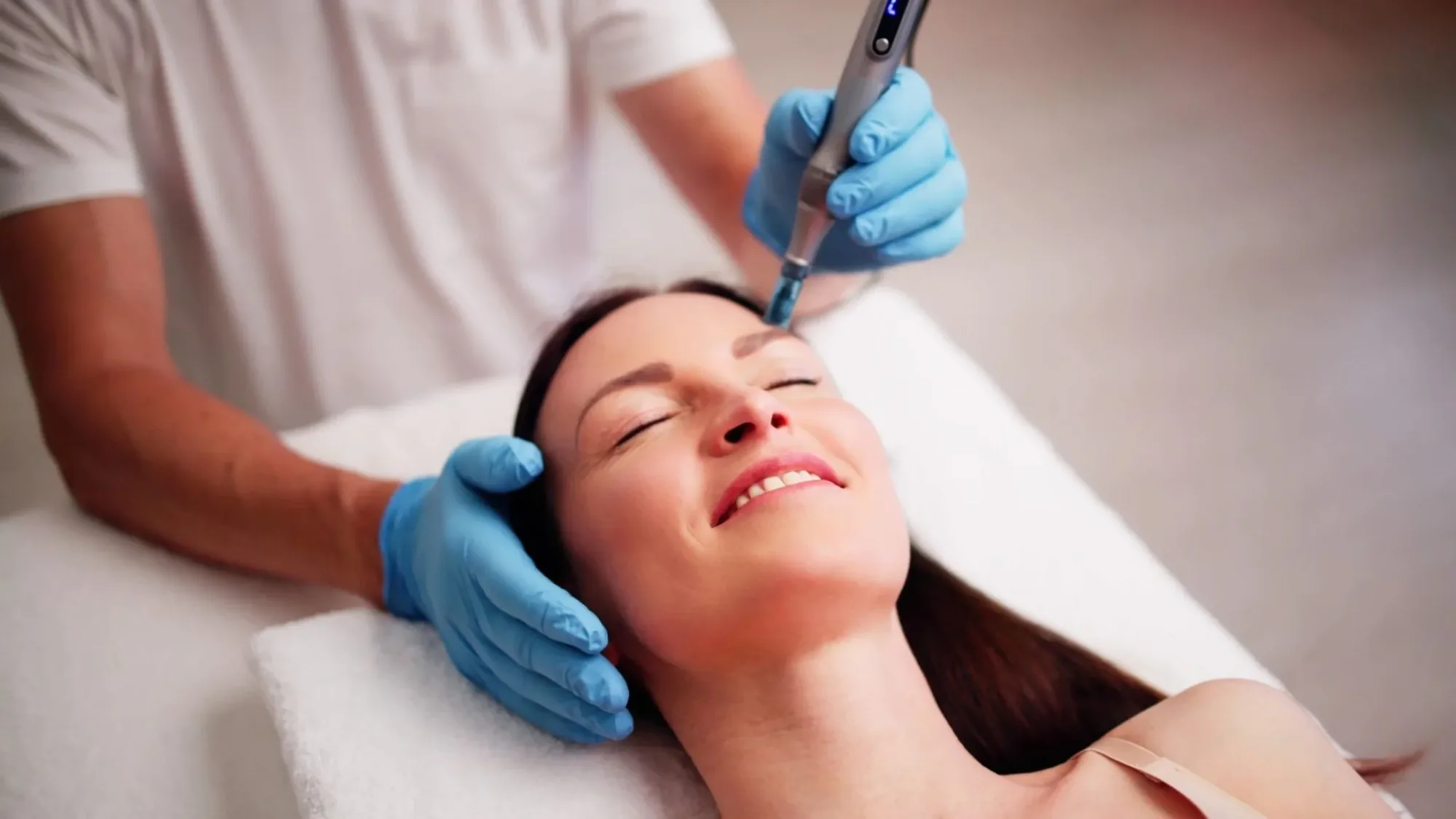


Choosing a skin rejuvenation treatment is easier when you start with your skin goals, not with a menu of procedures. The right option depends on what you want to improve, how much downtime you can accept, your skin tone and sensitivity, and whether you need surface-level refreshment or deeper correction. Use this guide to narrow your choices, prepare for a consultation, and make a confident plan for facial rejuvenation.
What should you decide before booking?
Before booking any skin rejuvenation treatment, decide what bothers you most and how quickly you need to return to normal activities. Fine lines, dullness, uneven tone, acne scars, redness, sun spots, laxity, and volume loss often respond to different approaches. A qualified provider can help match your skin care goals with a safe option, but you will get better guidance if you arrive with clear priorities and realistic expectations.
Start by choosing your top one or two concerns. Trying to treat everything at once can lead to an aggressive plan, unnecessary irritation, or disappointment if the result does not match the promise in your mind. The best plan may involve one treatment, a series of sessions, or a staged combination over time.
1. Identify your main skin concern
Your skin concern is the most important filter. Different treatments work at different depths, so the treatment that helps a rough texture may not be the best choice for sagging or deeper folds.
Use this quick checklist to organize your goals:
- Dullness or rough texture: A light resurfacing treatment, gentle peel, exfoliating facial, or customized skin care routine may be enough.
- Uneven tone or sun spots: Chemical peels, light-based treatments, and pigment-focused plans may be considered, depending on your skin type.
- Fine lines: Microneedling, laser resurfacing, chemical peels, and collagen-supporting treatments may help soften the look of early aging.
- Acne scars: Microneedling, resurfacing lasers, chemical peels, or combination treatment plans may be discussed.
- Redness or visible vessels: Certain light or laser treatments may be more suitable than exfoliating treatments.
- Mild laxity: Radiofrequency, ultrasound-based options, or collagen-stimulating treatments may be considered.
- Volume loss or deeper folds: Injectable options may be discussed, but they are not the same as resurfacing treatments.
Once you know your main concern, describe it in plain language. Say whether it is new or long-standing, whether it changes with weather or products, and whether your skin is easily irritated. These details help prevent choosing a treatment that is too weak, too strong, or simply aimed at the wrong problem.
2. Match the treatment type to your goal
A strong facial rejuvenation plan usually starts with the least complicated option that can realistically address the concern. More intense is not automatically better. The right treatment should balance improvement, safety, recovery, maintenance, and your comfort level.
Chemical peels use a controlled exfoliating solution to remove damaged surface layers and encourage smoother-looking skin. Light peels may suit dullness, clogged pores, and mild uneven tone, while medium-depth peels may be considered for more noticeable texture or discoloration. Deeper peels require more caution, downtime, and medical oversight.
Microneedling creates controlled micro-injuries that encourage skin remodeling. It is commonly considered for texture, fine lines, enlarged-looking pores, and acne-scar concerns. Some plans combine microneedling with other therapies, but combination treatments should be selected carefully to avoid excess irritation.
Laser and light-based treatments can target texture, pigmentation, redness, or resurfacing needs depending on the device and settings. Some are gentler with less downtime, while others are more intensive and require a longer recovery period. Skin tone, tanning history, and pigment risk matter a great deal with these options.
Radiofrequency or energy-based tightening treatments are often considered when mild laxity is the main concern. They do not replace surgical lifting, but they may help support a firmer-looking appearance in appropriate candidates. Results are usually gradual because collagen remodeling takes time.
Injectable treatments may be used when wrinkles are related to facial movement or when volume loss contributes to hollowing, folds, or contour changes. They are medical procedures with specific risks and should be performed by a trained, licensed professional in an appropriate setting. They can complement skin rejuvenation but do not improve surface texture in the same way resurfacing does.
3. Consider your skin tone, sensitivity, and medical history
Your skin type affects both your result and your risk of side effects. Skin that develops dark marks after irritation needs a more cautious plan, especially with heat-based devices, aggressive peels, or intense resurfacing. Sensitive, rosacea-prone, acne-prone, or eczema-prone skin may also need preparation before treatment.
Before choosing a treatment, gather details your provider should know:
- Current skin care products, including exfoliants, retinoids, acne medications, lightening agents, and prescription creams.
- Recent tanning, sunburn, waxing, or other procedures on the treatment area.
- History of cold sores, keloid scars, poor wound healing, allergies, or pigment changes.
- Pregnancy, breastfeeding, immune conditions, or medications that affect healing or bleeding.
- Previous cosmetic treatments and how your skin responded.
Do not skip this step because a treatment worked well for someone else. Two people can have the same concern and still need different settings, timing, or preparation. Safe skin care is personal, and a conservative plan is often the better starting point when risk factors are present.
4. Decide how much downtime you can accept
Downtime should be part of the decision, not an afterthought. Some treatments leave skin pink for a few hours, while others may involve peeling, swelling, crusting, bruising, or strict sun avoidance for days or longer. If you have an event, travel, outdoor plans, or a public-facing schedule, timing matters.
Think in three recovery categories:
- Minimal downtime: Hydrating facials, gentle exfoliation, some light peels, and mild device-based treatments may let you return to routine activities quickly.
- Moderate downtime: Microneedling, medium peels, and some laser treatments may involve redness, flaking, swelling, or temporary sensitivity.
- More significant downtime: Deeper resurfacing procedures can deliver more dramatic changes for suitable candidates, but they require more careful aftercare and recovery planning.
A common mistake is choosing a stronger procedure without allowing enough healing time. If your schedule is tight, select a lower-downtime option or begin with a maintenance-focused plan. Gradual improvement is often easier to manage than an aggressive treatment squeezed between obligations.
5. Build your at-home skin care foundation
Professional treatments work best when your daily skin care supports the goal. A poor home routine can cause irritation, slow recovery, or allow the same concerns to return quickly. You do not need a complicated routine, but you do need consistency.
A simple foundation usually includes:
- Gentle cleanser: Avoid stripping the skin, especially before and after treatment.
- Moisturizer: Support the barrier so your skin can tolerate active ingredients and procedures.
- Daily sunscreen: Sun protection is essential when treating discoloration, texture, and signs of aging.
- Targeted active ingredients: Depending on your concern, your provider may suggest ingredients for acne, pigment, fine lines, or sensitivity.
- Recovery products: After some procedures, bland, soothing products are safer than acids, scrubs, or strong actives.
Do not introduce several new products immediately before a procedure. If irritation develops, it becomes harder to know what caused it, and your appointment may need to be delayed. A steady routine gives your provider a more accurate starting point.
How do you compare options without getting overwhelmed?
Compare treatments by goal, depth, downtime, risk, cost over time, and maintenance instead of judging them by popularity. A trending treatment may be wrong for your skin, while a quieter, simpler option may give you exactly the improvement you want. The best choice is the one that fits your concern, skin behavior, lifestyle, and tolerance for recovery.
Ask these questions during your consultation:
- What concern is this treatment best suited to improve?
- How many sessions are commonly needed for my goal?
- What changes should I expect after one session versus a full series?
- What side effects are common, and which symptoms should prompt a call?
- How should I prepare my skin before treatment?
- What products or activities should I avoid afterward?
- Is there a safer alternative if I am prone to pigmentation, redness, or irritation?
- How will we maintain results once the initial plan is complete?
Listen for a clear explanation, not pressure. A responsible provider should discuss limitations, risks, and alternatives. If every concern is answered with the same treatment, or if aftercare is treated casually, pause before moving forward.
6. Choose a treatment path based on your profile
After you identify your goals, risks, and downtime, select a path that matches your starting point. This does not replace a professional evaluation, but it can help you understand what may be reasonable to discuss.
- Choose a refresh path if your skin is mostly healthy but looks tired. Consider gentle facials, light peels, hydration-focused treatments, and a better home routine. This path suits people who want glow, smoothness, and maintenance without major recovery.
- Choose a tone-correction path if discoloration is your main concern. Discuss pigment-safe peels, light-based options, topical brightening support, and strict sun protection. This path requires patience because discoloration can return when triggers are not controlled.
- Choose a texture-remodeling path if scars, pores, or fine lines bother you most. Microneedling, resurfacing treatments, or a series-based plan may be considered. Expect gradual change, since collagen-related improvement does not happen overnight.
- Choose a redness-focused path if flushing or visible vessels are prominent. Ask about treatments designed for redness rather than exfoliation-heavy plans. Irritation can worsen reactive skin, so calming the skin barrier may come first.
- Choose a structure-support path if laxity or volume loss is the concern. Energy-based tightening or injectable options may be discussed, depending on what is causing the change. Surface treatments can improve skin quality, but they cannot always restore lost support.
7. Plan your timing and aftercare
Once you choose a skin rejuvenation treatment, schedule it at a time when you can follow instructions fully. Aftercare is not optional; it protects your result and reduces avoidable irritation. Even lower-downtime treatments can cause problems if you combine them with sun exposure, harsh products, heat, or picking at peeling skin.
Use this aftercare mindset:
- Keep the skin clean, moisturized, and protected.
- Avoid scrubs, strong exfoliants, and unapproved actives until cleared.
- Protect treated skin from sun exposure every day.
- Do not pick, peel, or force flaking skin to come off.
- Delay intense workouts, saunas, or heat exposure if instructed.
- Contact the provider if pain, swelling, discoloration, blistering, or unusual symptoms appear.
Your maintenance plan may include periodic treatments, seasonal adjustments, or product changes. Results are rarely permanent because skin continues to age and respond to sun, hormones, stress, and lifestyle. Think of rejuvenation as a plan, not a one-time fix.
- Last updated
- Language
- English
How did you find this article?

This 2026 winter skincare guide explains how to protect the skin barrier, prevent dryness, adjust active ingredients, and maintain a balanced routine as temperatures fall.
This guide explains PDRN skin treatments, including how they work, potential benefits, injections, topical products, treatment frequency, recovery, safety, and current clinical evidence.

Subscribe to the Medifinder newsletter and never miss our latest content.