










What Should a Hair Transplant Nurse Know?
Hair transplantation can be performed during summer. However, due to factors such as hot weather and sweating, the aftercare process should be managed carefully during summer.

- Last updated
- 180 reads
- 9 min read


Can Hair Transplantation Be Performed During Summer?
Hair transplantation can be performed during summer. Thanks to advanced hair transplant techniques, the procedure can be safely performed at any time of the year. However, due to factors such as hot weather, sunlight, and sweating during summer, more attention should be paid to the aftercare process.
The first weeks after hair transplantation are very important because the transplanted grafts are sensitive. Especially during summer, exposure to intense sunlight, excessive sweating, and entering the sea or pool too early may negatively affect the healing process. Therefore, following the care instructions given by specialists is highly important.
Things to consider for those who will undergo hair transplantation in summer:
- Protecting yourself from direct sunlight during the first days
- Avoiding activities that cause excessive sweating
- Not entering the sea or pool for a certain period
- Following the doctor’s recommendation regarding hat use
- Avoiding irritation of the area
- Following regular care and washing instructions
Many people may prefer summer months for hair transplantation because they see the summer holiday period as an opportunity to rest. Resting for a few days during the recovery process may provide comfort after the operation.
Does Hair Transplantation Take Hold in Summer?
Yes, hair transplantation can be performed in summer and can take successfully with proper care. Since high temperatures and sunlight may affect the post transplant process, caution is necessary.
Especially during the first weeks after hair transplantation, sun protection is important. When sweating and hygiene conditions are managed correctly, the graft attachment process is not negatively affected. Therefore, aftercare instructions must be followed completely in hair transplants performed during summer. When suitable conditions are provided, the season is not the main factor determining transplant success.
Is It Risky to Have Hair Transplantation During Summer?
Having hair transplantation during summer is not risky on its own. Hair transplantation is a procedure that can be performed regardless of the season. In methods such as FUE or DHI, the treatment plan is made according to the condition of hair loss, donor area quality, number of grafts to be harvested, and the person’s health status. When proper care is provided, hot weather does not directly prevent the operation from being performed.
The main point to consider is that summer requires the recovery process to be managed more carefully. Newly transplanted grafts are sensitive to physical contact, friction, and irritation during the first days. Staying under the sun for long periods, sweating heavily, or entering the pool or sea too early may make comfortable scalp healing more difficult.
Why Is Sun Protection Important After Hair Transplantation in Summer?
One of the most important issues for people who undergo hair transplantation during summer is controlling sun exposure. After the operation, there are small healing surfaces both in the area where grafts are implanted and in the donor area where hair follicles are extracted. These areas may be more sensitive to the sun during the healing period.
Direct and prolonged sun exposure may prolong redness, increase skin sensitivity, and cause discoloration in some individuals. Especially if the hair has been cut short or the transplanted area is exposed, the scalp is more directly exposed to sunlight.
Wearing a random hat during the first days for sun protection may also not be appropriate. Tight hats that press on, rub against, or cause sweating around the newly transplanted grafts may negatively affect the healing process. If hat use is necessary, the surgical team should specify from which day it is suitable and what type of model should be used. In general, clean and comfortable protection that does not apply pressure to the transplanted area is preferred.
If you need to spend long periods outdoors after having hair transplantation in summer, it is better to avoid the hours when the sun is strongest and stay in the shade as much as possible. If you are planning a holiday, beach trip, or outdoor event, not scheduling the operation at the same time as these plans will make the process much more comfortable.
Does Sweating After Hair Transplantation Damage the Grafts?
One of the most common concerns among people considering hair transplantation in summer is sweating. Sweating alone does not destroy the transplanted hair follicles. However, during the early postoperative period, heavy sweating may increase moisture and discomfort on the scalp. If sweating causes itching, there may be a risk of unconsciously touching the transplanted area or disturbing the crusts.
For this reason, it is important to avoid heavy exercise, brisk walking, staying in hot environments for long periods, saunas, Turkish baths, and activities requiring intense effort during the first days. Even a short walk in summer heat may cause noticeable sweating in some individuals. Therefore, especially during the first days after the operation, staying in cool environments and arranging the daily schedule accordingly is beneficial.
The recovery timeline after hair transplantation may vary from person to person. The number of grafts, technique used, skin structure, and daily activity level affect this process. Therefore, giving a single universal date such as “sports can be done on this day” or “sweating is not a problem on this day” is not accurate. The activity plan provided by the team that performed your operation should be followed.
Can You Swim in the Sea or Pool After Hair Transplantation in Summer?
If hair transplantation is planned just before a summer holiday, the sea and pool issue must be planned carefully. During the early postoperative period, the scalp is still healing. During this period, pool chemicals, microorganisms in seawater, prolonged sun exposure, and keeping the head wet may increase the risk of unwanted irritation.
Entering the sea or pool too early may not be appropriate not only for the transplanted area but also for the donor area. If grafts were extracted from the nape area, there are small healing points there. Planning to swim before this area has fully settled and the crusting process is complete is not appropriate.
Therefore, if you will have hair transplantation during summer, it may be more comfortable not to schedule the operation immediately before a seaside holiday. Having to spend most of your holiday sitting in the shade, avoiding swimming, and staying away from the sun may disrupt your expectations. Since the timing for returning to the sea and pool after hair transplantation may vary according to the clinic’s aftercare protocol, this issue should be discussed clearly before setting the operation date.
How Do the First Days After Hair Transplantation in Summer Progress?
During the first days after hair transplantation, small crusts, redness, and mild sensitivity may occur in the transplanted area. In the donor area, a stinging sensation, tightness, or pinpoint redness may develop. These are expected healing signs in most individuals.
During summer, the most important point in this process is to keep the scalp cool, clean, and protected. Staying for long periods in environments where air conditioning blows directly and strongly onto the head may cause discomfort; on the other hand, staying in very hot and poorly ventilated environments may increase sweating. Choosing a balanced environment is more comfortable.
The first wash, crust cleaning, and use of care products should be performed according to the clinic’s instructions. Harshly rubbing the scalp, picking crusts with fingernails, or applying products such as sunscreen, oil, or sprays to the transplanted area on your own is not appropriate. Although skincare habits may change in summer, only recommended products should be used for the newly transplanted area.
Sleeping position is also important during the first days. The head should be protected from rubbing against the pillow or being placed under pressure. Especially on hot nights, sweating may increase, so keeping the bedroom cool provides more comfortable sleep.
How Should the Operation Date Be Chosen for Hair Transplantation in Summer?
The right date for hair transplantation during summer is usually determined according to your social and daily plans. If you have a wedding, long trip, outdoor work, beach holiday, or intense sports program immediately after the operation, you may need to reconsider the timing.
Choosing a period when you can spend the first recovery days at home or in a cool environment is more reasonable. People who work under the sun, need to wear motorcycle helmets, spend time outdoors continuously, or have active summer holidays should plan in more detail.
Return travel is also important for people coming from another city. Travel by plane, bus, or car may not be a problem on its own; however, hot weather, crowded environments, carrying luggage, and spending long periods outdoors may reduce comfort. Preparing a plan that allows you to rest during the first few days after the operation makes the process easier.
Is Hair Transplantation Better in Summer or Winter?
The best season for hair transplantation is the season in which you can most comfortably follow the aftercare instructions. In winter, sun exposure and sweating may be lower; however, the need to wear beanies, rain, cold weather, and a busy work schedule may be disadvantages for some people. In summer, sun exposure, sweating, and holiday plans must be managed more carefully; however, vacation time and more comfortable clothing choices may provide advantages.
The success of the operation is not determined directly by summer or winter. More important factors than the season are a suitable donor area, correct transplant planning, an experienced medical team, and compliance with postoperative care rules. Hair transplantation methods and results vary depending on the person’s hair structure, degree of hair loss, donor reserve, and surgical planning.
Therefore, instead of deciding only based on air temperature, it is better to choose the recovery period that best suits your lifestyle. If you cannot avoid sun exposure and swimming in summer, a cooler period may be easier for you. On the other hand, if you can take a long leave in summer and manage the first weeks carefully, summer months may also be a suitable option.
What Should Be Considered After Hair Transplantation in Summer?
The main goal of aftercare following hair transplantation in summer is to protect the transplanted area from impact, friction, direct sunlight, and heavy sweating. Since your scalp will be sensitive during the first days, it is important to rest in a cool environment and reduce the risk of accidental contact with the head area.
If you need to go outside in the sun, you should keep it brief, stay in the shade, and get your clinic’s approval regarding hat use. It is safer to postpone activities such as the sea, pool, sauna, and Turkish bath until healing is complete. The same approach applies to intense sports and activities that cause heavy sweating.
In addition, drinking plenty of water, getting enough sleep, following the instructions regarding alcohol and smoking, using medications as prescribed, and not disrupting the washing process are important. Hot weather in summer may make the daily routine more difficult; however, careful care for a few weeks is a valuable investment for long term results.
Do Results Change After Hair Transplantation in Summer?
The result of hair transplantation performed in summer does not have to be worse simply because of the season. When postoperative rules are followed, natural and satisfying results can also be achieved from procedures performed during summer. The important point is to avoid situations that may irritate the scalp during the early period.
After hair transplantation, some of the transplanted hairs may temporarily shed during the first weeks. New hair growth begins to become noticeable after a few months. The appearance becoming more defined and approaching the final result is a process that takes months. This period does not change dramatically depending on whether the procedure is performed in summer or winter.
- Last updated
- Language
- English
How did you find this article?
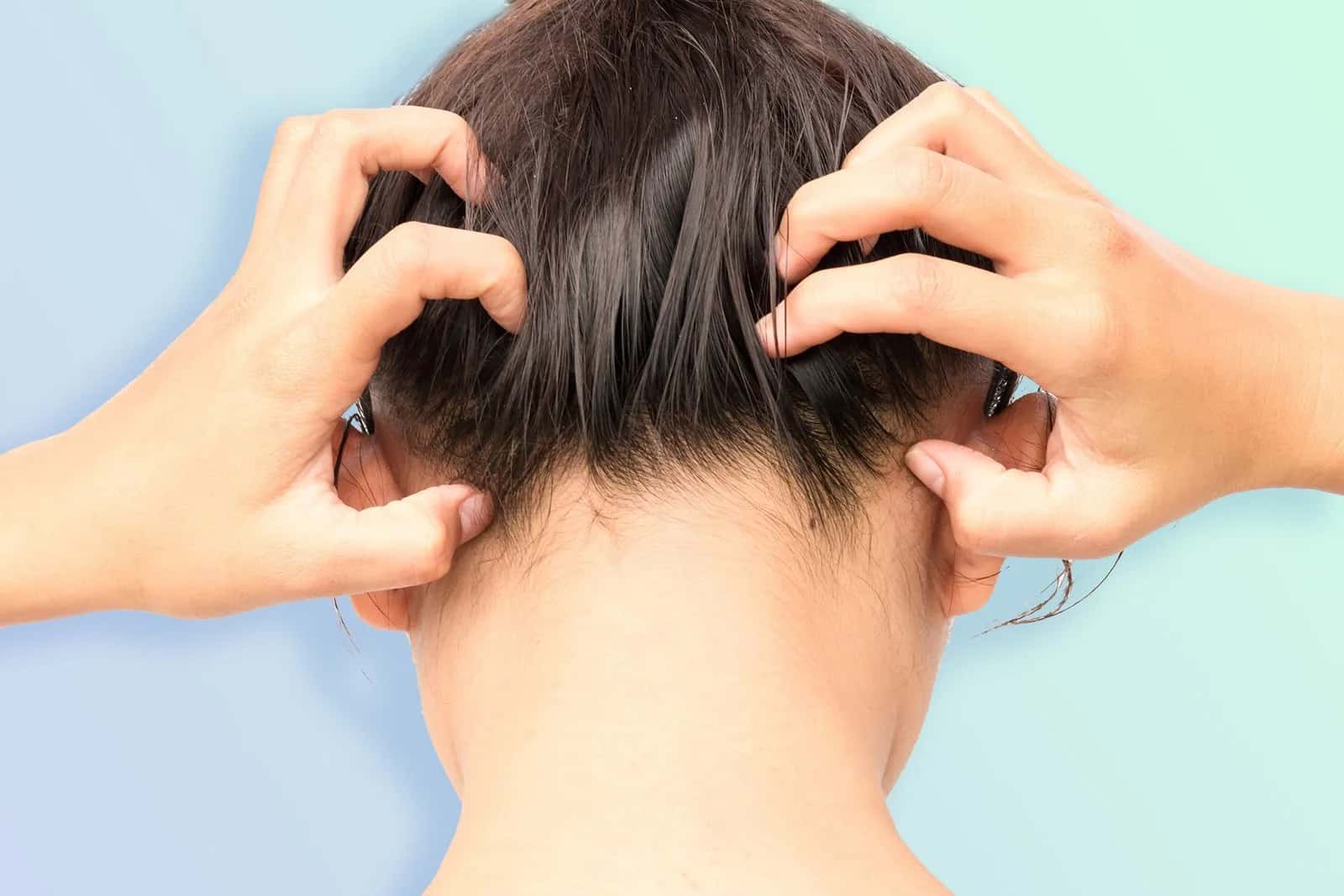
Air conditioning can dry out your scalp by reducing indoor humidity and affecting the skin's ability to maintain adequate moisture. Prolonged exposure to dry, cooled air may contribute to itching, flaking, tightness, and irritation, particularly when the scalp is already sensitive or prone to dryness.

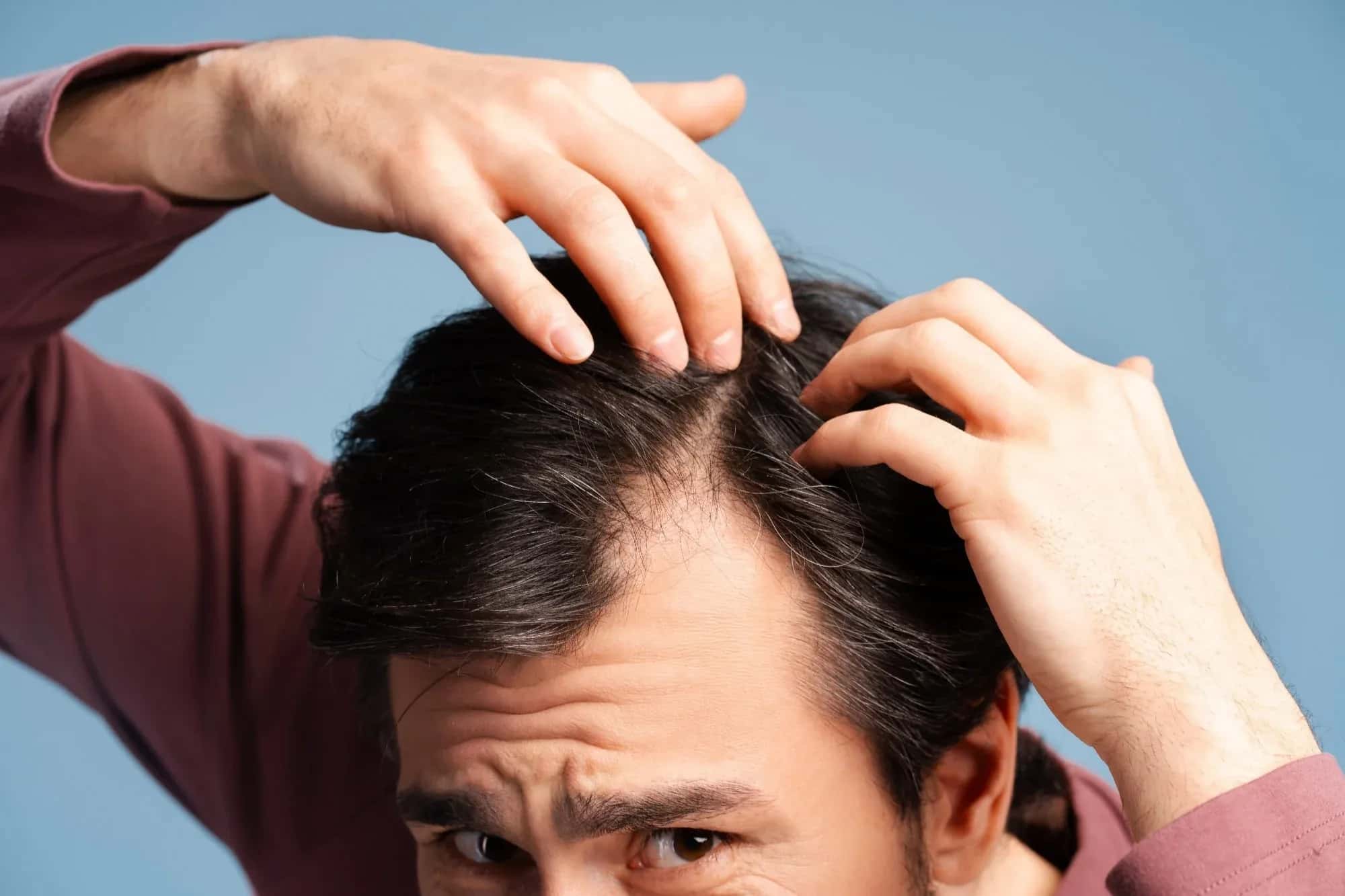
Certain dietary supplements can cause hair loss when taken in excessive amounts, particularly products containing high doses of vitamin A, selenium, or other concentrated nutrients. While supplements can help correct nutritional deficiencies that affect hair growth.
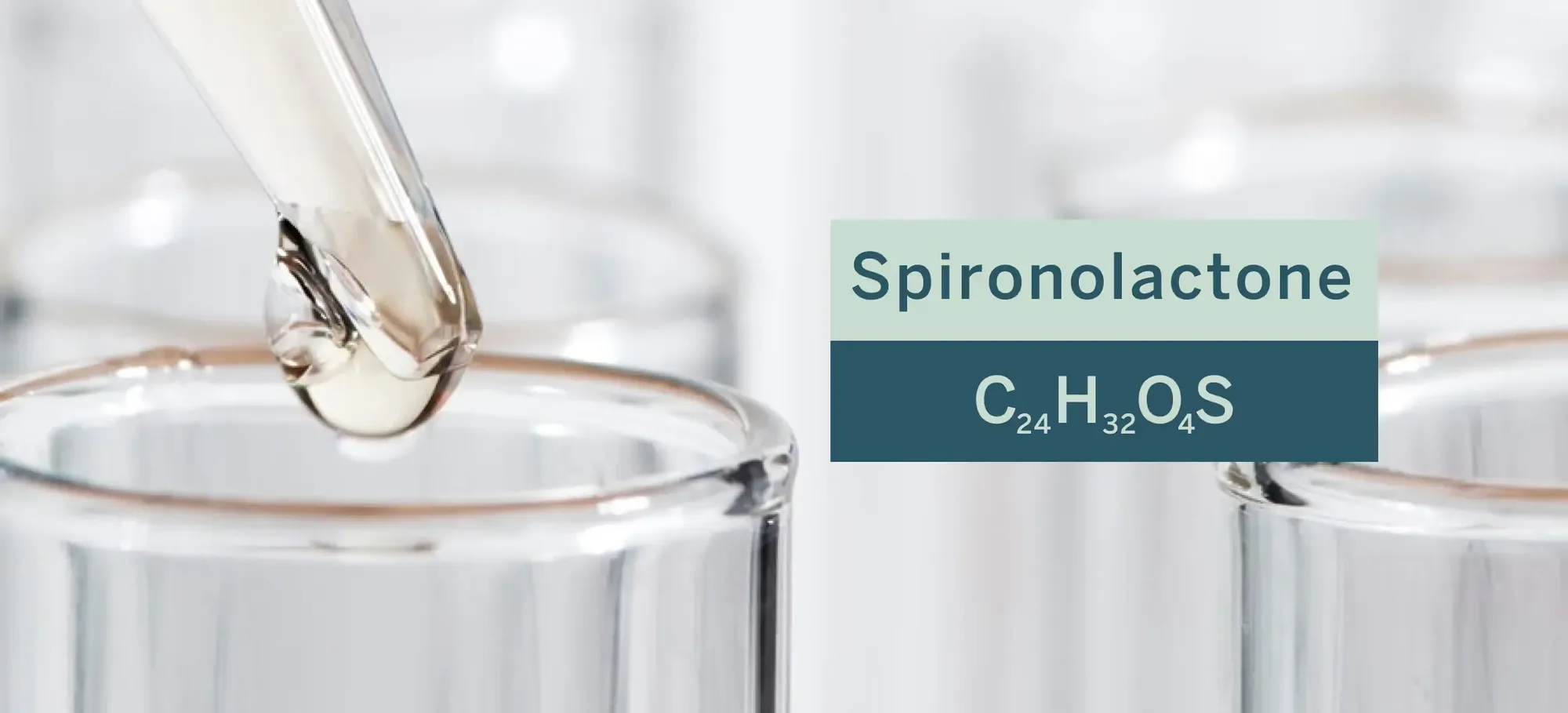
Spironolactone for female hair loss can help slow progressive thinning and improve hair density by reducing the effects of androgens on sensitive hair follicles. Although this prescription medication is not specifically approved for hair loss, clinical research supports its use in selected women.
Subscribe to the Medifinder newsletter and never miss our latest content.