










What Is the Needle Pricking Sensation After Hair Transplantation?
The needle pricking sensation after a hair transplant refers to a stinging, tingling, aching, or sensitive feeling that may occur in the transplanted area after the procedure.

- Last updated
- 646 reads
- 10 min read


What Is the Needle Pricking Sensation After Hair Transplantation?
The needle pricking sensation after a hair transplant refers to a stinging, tingling, aching, or sensitive feeling that may occur in the transplanted area or donor area as part of the healing process. This condition is temporary in many patients and is usually associated with the natural effects of graft settlement, skin recovery, nerve ending healing, and the crusting phase. Especially during the period ranging from the first days to several weeks, different sensations on the scalp can be expected.
Hair transplantation is a microsurgical procedure in which hair follicles are extracted from the donor area and implanted into balding areas. During the procedure, many small channels are opened on the skin surface, and the hair follicles are carefully placed into these areas. For this reason, it is not expected for the scalp to feel completely normal immediately after the operation. Complaints such as mild stinging, tightness, burning, numbness, or itching may appear during different stages of the healing process.
While this sensation may be mild in some patients, it can be more noticeable in others. Factors such as skin sensitivity, the number of grafts transplanted, the hair transplant technique used, the condition of the donor area, postoperative care habits, and healing speed may affect this process. The needle-pricking sensation after hair transplantation is generally not concerning; however, severe pain, intense redness, foul-smelling discharge, fever, or increasing swelling require medical evaluation.
Why Does the Needle Pricking Sensation Occur After Hair Transplantation?
The most common cause of the stinging sensation after hair transplantation is the micro healing process occurring on the scalp. During the operation, small traumas occur both in the donor area and the transplanted area. These traumas trigger the body’s natural repair mechanism. As the skin renews itself, nerve endings may become stimulated, and the patient may perceive this as a needle pricking sensation.
The channels opened in the transplanted area gradually close over time. During this period, crusting forms on the skin surface. As the crusts dry, they may increase the feeling of tightness and stinging on the scalp. Especially within the first week, allowing the scalp to remain dry, incorrect washing methods, or manually removing crusts may make the stinging sensation more uncomfortable.
A similar process also occurs in the donor area. In the FUE hair transplant method, hair follicles are extracted one by one, creating small healing points on the back of the scalp. Mild aching, stinging, and sensitivity may occur in these areas. Healing of the donor area is usually faster than the recipient area, but in some individuals, the stinging sensation may continue for several weeks.
The recovery of nerve endings is also an important factor. During hair transplantation, small nerve endings beneath the skin may be temporarily affected. This may sometimes be felt as numbness, tingling, or needle pricking sensations. Since nerve healing takes time, these sensations may appear intermittently. A stinging sensation that decreases one day may become more noticeable the next day. This does not always indicate a worsening condition.
When Does the Stinging Sensation Start After Hair Transplantation?
The needle pricking sensation after hair transplantation may generally begin within the first few days. Once the effects of local anesthesia completely wear off, scalp sensitivity becomes more noticeable. Some patients describe this sensation as mild soreness, while others say it feels like tiny needles are pricking the scalp.
The first week is one of the most sensitive periods for the scalp. During this time, crusting begins, the skin surface tightens, and the transplanted area becomes more vulnerable to external factors. Contact with the pillow during sleep, incorrect sleeping positions, sweating, or improper use of care products may increase the stinging sensation.
From the second week onward, many patients experience relief as the crusts begin to shed. However, the stinging sensation may not completely disappear this quickly for everyone. In some individuals, tingling and occasional needle pricking sensations may continue for several weeks. This is usually related to the healing of nerve endings and the scalp adapting to its new condition.
After the first month, the stinging sensation generally decreases. However, different sensations may occur on the scalp during the shock shedding period. As new hair begins to grow, some patients may experience mild itching, pimples, stinging, and sensitivity. Therefore, not every stinging sensation felt after hair transplantation should be considered a direct sign of a negative condition.
Is the Needle Pricking Sensation After Hair Transplantation Normal?
Mild to moderate needle pricking sensations after hair transplantation are generally considered normal. As the scalp heals after the procedure, various sensations may emerge. Especially during the first weeks after the operation, stinging, tightness, numbness, tingling, and itching are among the most common complaints.
To understand whether this sensation is normal, its severity and accompanying symptoms should be evaluated. If the stinging sensation comes and goes, gradually decreases over time, and does not seriously affect daily life, it is generally considered part of the healing process. However, if the pain progressively increases, significant redness develops on the scalp, swelling spreads, or discharge occurs, the situation may need a different evaluation.
The healing process after hair transplantation varies from person to person. Even two patients who undergo hair transplantation on the same day may experience different sensations. While one patient may hardly feel any stinging, another may experience it for a longer period. This difference is related not only to the quality of the procedure but also to the individual’s skin structure and pain threshold.
During this period, it is important not to strain the scalp and to follow the doctor’s care instructions. Unnecessary interventions, picking crusts, harsh washing, or using non-recommended products may increase the stinging sensation. The more regularly postoperative care is performed, the more comfortably the scalp recovery process progresses.
In Which Situations Should a Doctor Be Consulted?
Although the needle pricking sensation after hair transplantation is usually temporary, some symptoms should not be ignored. Distinguishing between the normal healing process and conditions requiring medical evaluation is important for patient safety.
-
If the stinging sensation becomes more severe each day instead of improving, a doctor should be contacted.
-
If there is intense redness, increased warmth, or swelling in the transplanted or donor area, medical evaluation may be necessary.
-
If foul-smelling discharge, signs of infection, or bleeding are noticed, medical attention should not be delayed.
-
If symptoms such as fever, weakness, or general deterioration accompany the stinging sensation, medical assessment should be sought.
-
If unbearable pain, throbbing, or increasing sensitivity in one specific area occurs on the scalp, a physician should be consulted.
-
If complaints do not decrease despite medication use and significantly affect daily life, a follow up appointment should be planned.
These symptoms do not always indicate a serious problem, but early evaluation after hair transplantation may help prevent possible complications. Especially in cases such as infection, excessive inflammation, or skin reactions, timely intervention is important.
How Can the Stinging Sensation After Hair Transplantation Be Reduced?
The most effective way to reduce the stinging sensation after hair transplantation is to care for the scalp without damaging the healing process. Since the area is sensitive during the first days after the operation, sudden movements, friction, and pressure should be avoided. Protecting the head area, paying attention to sleeping position, and following the washing routine recommended by the doctor may help ease this process.
The first wash should generally be performed as instructed by the clinic. Behaviors such as harsh massage, contact with fingernails, or forcefully removing crusts may increase the stinging sensation. When the scalp is cleaned gently, the crusts naturally soften and fall off over time. As this natural process progresses, tightness and stinging sensations also decrease.
Dryness is one of the important factors that may increase the stinging sensation after hair transplantation. Using lotions or care products recommended by the doctor may help the scalp feel more comfortable. However, randomly using creams, oils, sprays, or herbal mixtures is not appropriate. Since the skin barrier is sensitive after hair transplantation, unknown products may cause irritation.
Sweating may also increase stinging and itching. Therefore, during the initial period, heavy exercise, sauna, Turkish bath, and prolonged sun exposure should be avoided. Sweat may increase sensitivity in the transplanted area and make the healing process uncomfortable. Light walks are generally a safer choice, but the doctor’s recommendation should be considered regarding the timing of returning to sports activities.
Sleeping position is also important. During the first days, keeping the head slightly elevated may help reduce swelling and prevent friction between the transplanted area and the pillow. Keeping the pillowcase clean is beneficial for maintaining scalp hygiene. A clean and careful care routine helps the stinging sensation remain more controlled.
Does the Needle Pricking Sensation Damage Hair Follicles?
The mild needle pricking sensation felt after hair transplantation generally does not damage the hair follicles. This sensation is more related to the healing of the skin surface and nerve endings. After the hair follicles are implanted into the recipient area, they enter a sensitive attachment phase during the first days. During this period, the main risk is not the stinging sensation itself, but the patient’s intervention in the area to relieve this sensation.
Scratching, picking crusts, harsh washing, or applying pressure to the transplanted area may damage the grafts. Therefore, when a stinging sensation occurs, the best approach is not to touch the scalp. If the discomfort is significant, the care steps recommended by the doctor should be followed, and the clinic should be contacted if necessary.
The first 10 days require special attention for protecting the transplanted hair follicles. During this period, impacts to the scalp should be avoided, tight hats should not be worn, and the recommended washing routine should not be disrupted. The stinging sensation may sometimes encourage the person to touch the area, but being patient is extremely important for the quality of healing.
The successful attachment of hair follicles after hair transplantation depends not only on the success of the operation but also on postoperative care discipline. Therefore, when experiencing stinging, itching, or tightness, the process should be managed calmly and carefully rather than with panic.
The Difference Between Stinging Sensation and Itching After Hair Transplantation
The stinging sensation and itching after hair transplantation may occur during similar periods, but they are not the same thing. The stinging sensation is more associated with nerve ending stimulation, micro-healing of the skin, and sensitivity. Itching, on the other hand, is generally related to crusting, dryness, and skin renewal.
Itching may become more noticeable during the period when the crusts begin to fall off. During this stage, patients may feel the urge to scratch the scalp. However, scratching may both irritate the transplanted area and damage the grafts during the early healing period. Therefore, even if itching occurs, the area should not be scratched with fingernails.
The stinging sensation may sometimes be felt deeper than itching. The patient may describe small electric like sensations, tingling, or needle pricking feelings beneath the scalp. This is usually part of nerve healing. However, if stinging is accompanied by throbbing pain, signs of infection, or severe sensitivity, medical evaluation is necessary.
The common point between these two sensations is that they are usually temporary. As the scalp heals and the crusting process is completed, both itching and stinging decrease. Regular care, gentle washing, and compliance with the doctor’s recommendations help make this process more comfortable.
How Many Days Does the Needle Pricking Sensation Last After Hair Transplantation?
The needle pricking sensation after hair transplantation begins within the first days in most patients and significantly decreases within a few weeks. The first 7-10 days are the period when the stinging sensation is felt more due to crusting and scalp sensitivity. As the crusts fall off, the scalp relaxes and tightness decreases.
In some patients, this sensation may continue into the second or third week. Especially if the healing of nerve endings in the donor area takes longer, occasional stinging and tingling may be felt at the back of the scalp. This condition is generally temporary and gradually improves over time.
After the first month, the complaint is generally expected to decrease significantly. However, complete recovery of the scalp may take longer. In some patients, occasional tingling or sensitivity may rarely continue for several months. This may be noticed more frequently in individuals who undergo large area hair transplantation.
A prolonged duration alone is not necessarily a bad sign. What matters is the severity of the sensation, whether it gradually decreases over time, and whether it appears together with other symptoms. A gradually decreasing stinging sensation is generally consistent with the normal healing process. However, if increasing pain, redness, or discharge occurs, a doctor should be consulted rather than waiting.
What Should Be Considered During This Process?
To make the stinging sensation after hair transplantation more manageable, certain points should be carefully considered during the care process. This period is sensitive in terms of protecting the hair follicles and ensuring healthy scalp recovery.
-
The transplanted area should not be touched unnecessarily, and the area should not be scratched.
-
Crusts should not be manually removed; the natural shedding process should be awaited.
-
The washing instructions recommended by the doctor should not be ignored.
-
Tight hats, helmets, or accessories that apply pressure to the scalp should not be used during the first weeks.
-
Heavy exercise, excessive sweating, sauna, and Turkish bath activities should be avoided for a period of time.
-
Direct exposure to sunlight should be avoided.
-
Non-recommended creams, lotions, oils, or herbal products should not be used.
-
If complaints increase, the clinic should be contacted.
These precautions help both reduce the stinging sensation and make the healing process after hair transplantation safer. Being patient and consistent with postoperative care positively affects long term results.
- Last updated
- Language
- English
How did you find this article?
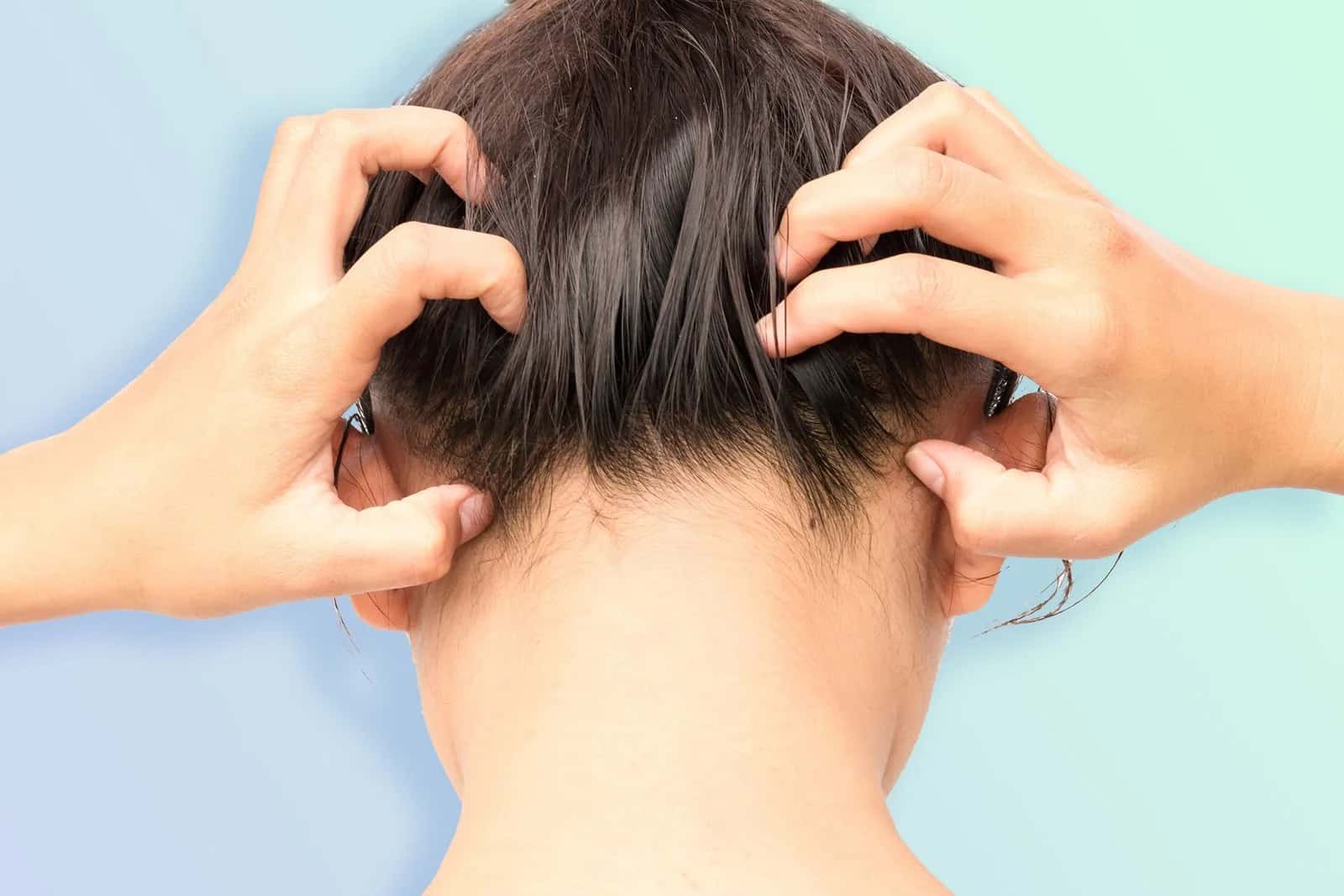
Air conditioning can dry out your scalp by reducing indoor humidity and affecting the skin's ability to maintain adequate moisture. Prolonged exposure to dry, cooled air may contribute to itching, flaking, tightness, and irritation, particularly when the scalp is already sensitive or prone to dryness.

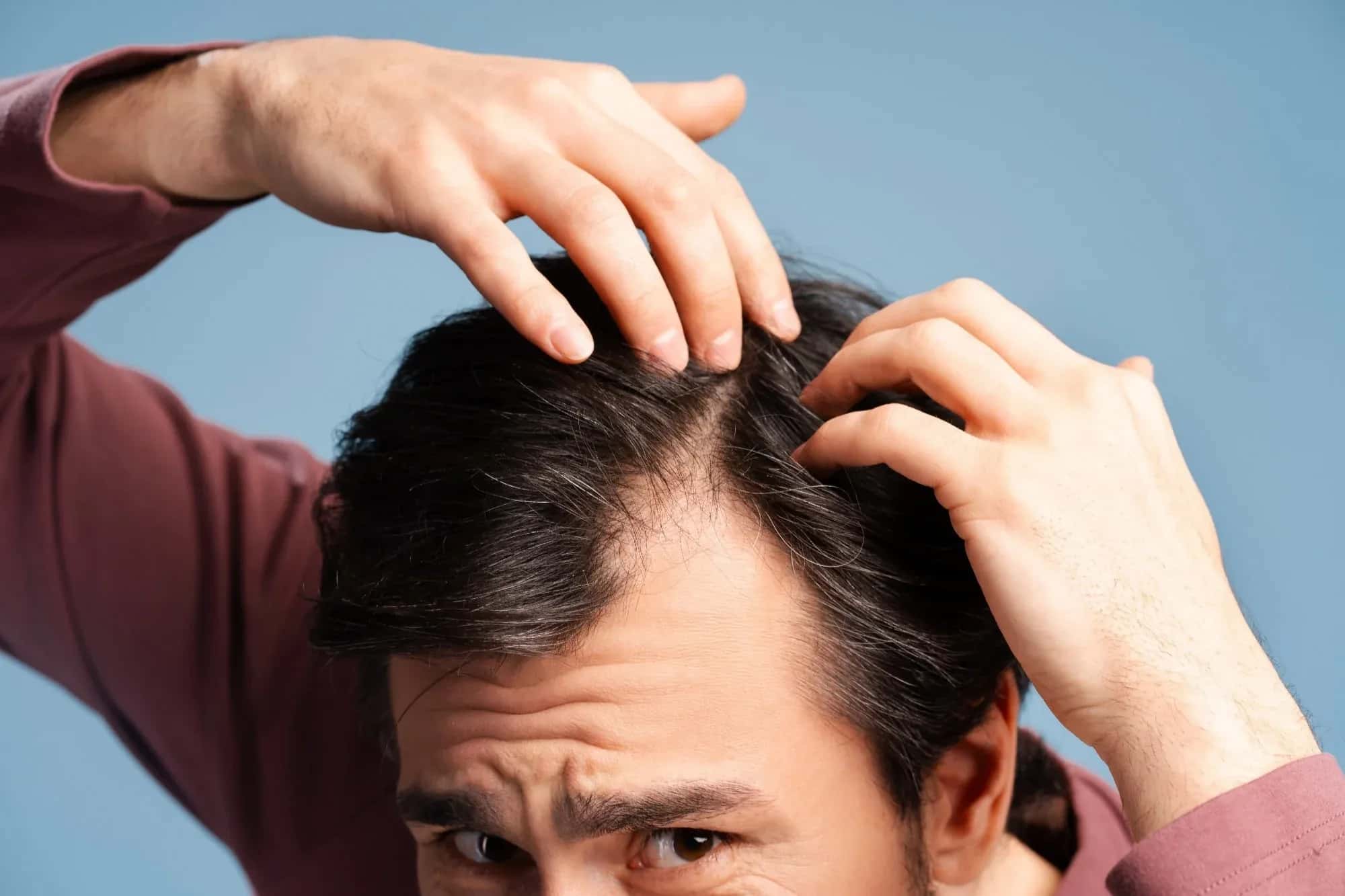
Certain dietary supplements can cause hair loss when taken in excessive amounts, particularly products containing high doses of vitamin A, selenium, or other concentrated nutrients. While supplements can help correct nutritional deficiencies that affect hair growth.
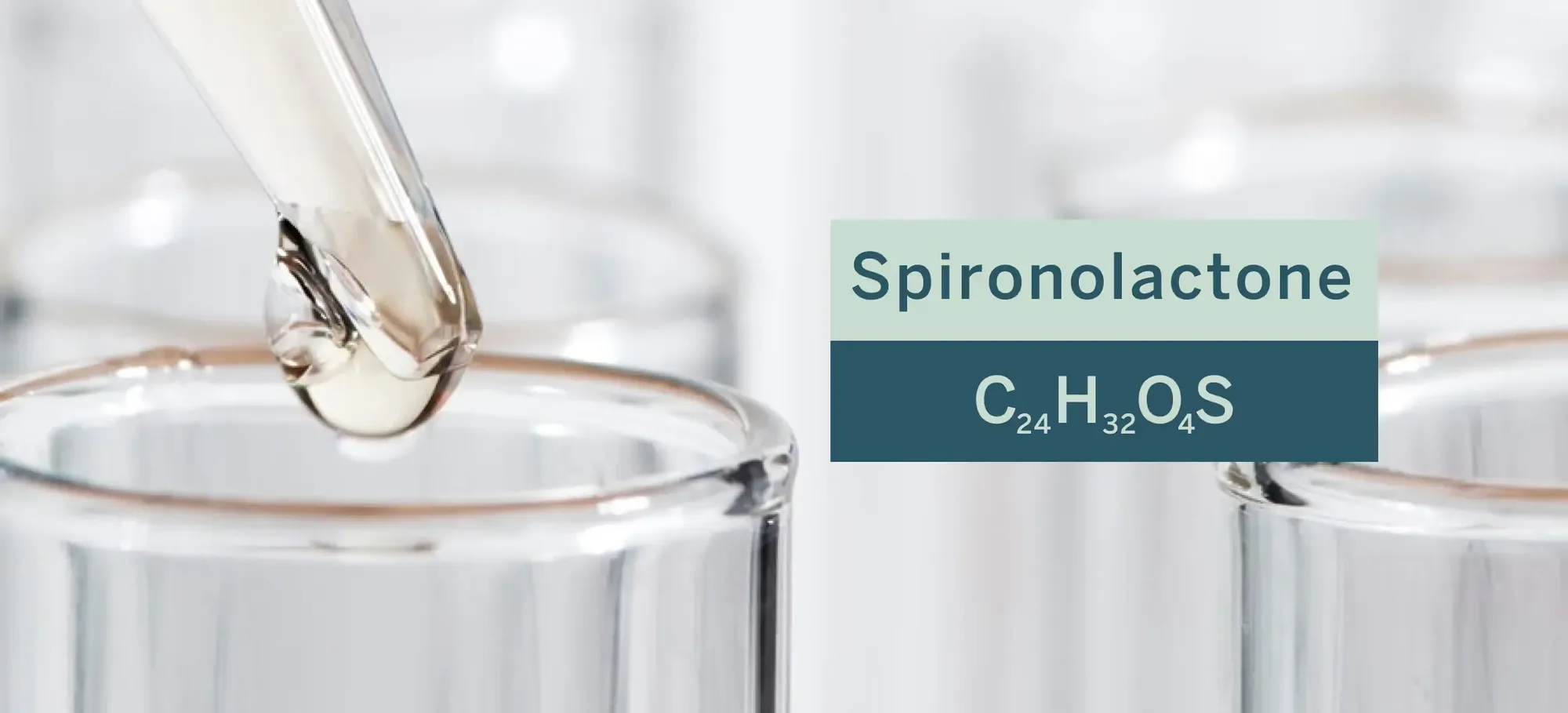
Spironolactone for female hair loss can help slow progressive thinning and improve hair density by reducing the effects of androgens on sensitive hair follicles. Although this prescription medication is not specifically approved for hair loss, clinical research supports its use in selected women.
Subscribe to the Medifinder newsletter and never miss our latest content.