










What Is Ozempic Face? Why It Happens After Weight Loss
Understand what Ozempic Face means, why rapid weight loss can change facial volume, and which skin-care and cosmetic options may help.

- Last updated
- 2 reads
- 6 min read
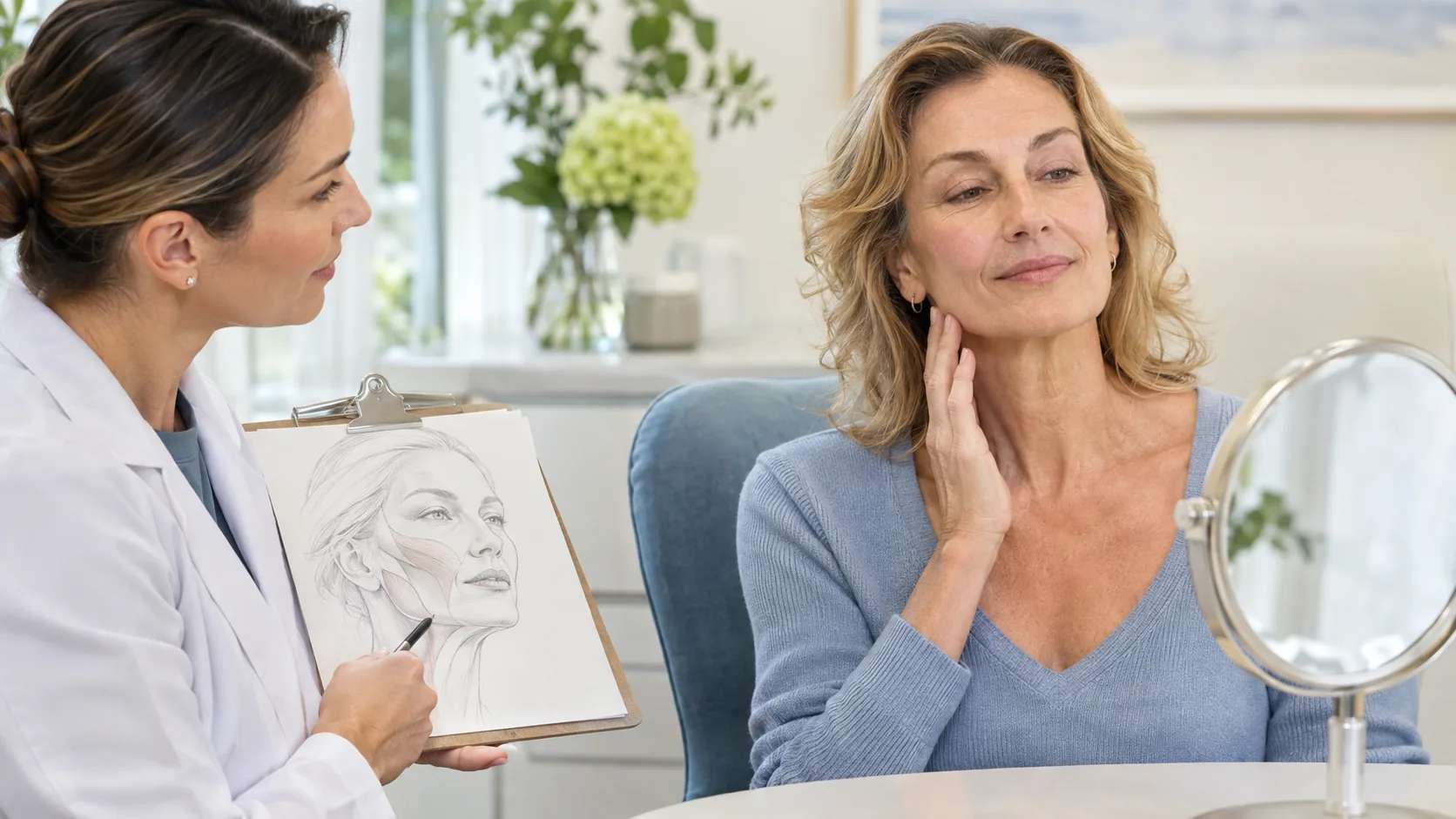


Ozempic Face is an informal phrase used to describe facial changes that may appear after significant or rapid weight loss while using a medicine such as semaglutide. The medicine does not selectively remove fat from the face. Instead, the face may look slimmer because the body has lost fat overall, sometimes faster than the skin and soft tissues can adapt.
What Does Ozempic Face Mean?
The phrase may refer to a hollowed appearance around the cheeks, temples or under-eye area, along with looser skin around the lower face and neck. Some people notice deeper folds beside the mouth or a sharper transition between the cheek and jaw. These changes are not unique to one medicine. They can follow any substantial weight reduction, including weight loss from diet, illness, exercise or other treatments.
Facial fat is part of the support system that gives the skin its fullness. When that volume decreases, the same skin covers a smaller underlying structure. The result can look tired or older even when the person feels healthier overall.
Why Can It Happen After Rapid Weight Loss?
Speed matters because skin, collagen and connective tissues adapt gradually. A quick reduction in body volume may reveal changes before the face has had time to settle. Age, genetics, sun exposure, smoking, hydration, muscle tone and the amount of weight lost all influence how noticeable the change becomes.
Weight loss can also reduce fat in areas that were naturally full. The cheeks, temples and lower face do not all lose volume at the same rate, so the face may appear less balanced during the transition. This is a structural effect rather than a sign that the medicine has damaged facial skin.
Which Facial Changes Are Commonly Noticed?
People may describe flatter cheeks, more visible temples, a thinner area beneath the eyes or increased laxity along the jawline. Fine lines can appear deeper when the skin is less supported. The neck may also look more creased after the surrounding volume decreases.
Not everyone develops these changes, and the degree varies widely. Some faces retain a smooth, firm appearance after major weight loss, while others show volume changes earlier. Photographs taken in different lighting can exaggerate the effect, so compare images under similar conditions.
Does Ozempic Directly Cause Facial Aging?
There is no separate aging process called Ozempic Face. The appearance is usually linked to the amount and speed of weight loss, not to a unique toxic effect on the face. The medicine can reduce appetite and food intake, while the visible facial change comes from the body’s changing fat distribution and tissue support.
This distinction matters because stopping a prescribed medicine solely because of a social-media label may not be appropriate. Any change in dose or treatment should be discussed with the clinician managing the medicine.
Support Skin Quality During Weight Loss
Skin quality is influenced by more than the number on the scale. Protein, vitamin-rich foods, regular hydration and sleep provide the raw materials the body uses for repair. Avoiding tobacco and limiting repeated sun exposure can help preserve collagen. These habits cannot prevent every change, but they may help the skin look more resilient as facial volume shifts.
Keep cleansing gentle and avoid aggressive scrubs when the face feels thin or sensitive. A barrier-supporting cream with ingredients such as ceramides can reduce dryness, while a broad-spectrum sunscreen protects areas that may become more exposed after volume loss.
Review The Weight-Loss Pace
If facial changes are appearing alongside dizziness, weakness, persistent nausea or difficulty eating, the pace of weight loss may be too demanding. A nutrition review can help balance the weight goal with adequate calories, protein and fluids. The aim is not to reverse a successful health improvement, but to prevent the body from being deprived while the plan continues.
Do not adjust a prescription dose without guidance. A careful review can consider appetite, side effects, blood tests, hydration and the reason the medicine was started.
How Can The Appearance Be Reduced Naturally?
Stable weight, adequate protein, regular sleep, hydration and protection from ultraviolet light can support the skin during a period of change. Avoid crash dieting or trying to lose additional weight quickly. Gentle resistance training may help overall muscle tone, although it cannot replace lost facial fat.
Use a simple moisturizer and broad-spectrum sunscreen. Products containing retinoids or antioxidants may improve skin texture over time, but they do not recreate volume. A routine that prevents irritation is more useful than adding several strong products at once.
What Cosmetic Options Can Restore Lost Volume?
When facial volume loss remains bothersome after weight has stabilized, non-surgical options may be discussed. Hyaluronic acid fillers can restore selected areas such as the cheeks, temples or tear troughs. Biostimulatory treatments may encourage gradual collagen support, while energy-based procedures can target texture or mild laxity.
The best approach depends on which changes are present. Filling every hollow area can make the face look heavy, so treatment planning should respect the person’s natural proportions. Waiting until weight has become relatively stable often makes the result easier to assess.
Why Timing Matters Before Treatment
Facial shape can continue to change while weight is falling. Treating too early may lead to a result that no longer matches the face after additional loss. A period of stable weight allows swelling to settle, the skin to adapt and the remaining volume pattern to become clearer.
Use consistent photographs and note changes over several months. A gradual shift may require only skin-focused care, while persistent hollowing may call for a more targeted discussion about volume restoration.
Keep Cosmetic Expectations Realistic
Cosmetic treatment can soften a hollow or improve a contour, but it cannot recreate every feature of a younger face. Small changes often look more natural than a dramatic correction. Bring photographs from before weight loss and describe which areas feel different rather than asking for a completely new face.
Allow time between treatments so the result can be assessed in normal lighting. A gradual plan protects expression and keeps attention on balance rather than chasing every line.
What Should Be Checked Before Assuming It Is Ozempic Face?
Consider hydration, recent illness, sleep, stress, alcohol intake, sun exposure and other medicines. A sudden change around the eyes can reflect allergies or fluid shifts rather than fat loss. Unexplained weakness, ongoing vomiting, severe dehydration or very rapid weight loss needs medical attention.
Review the overall weight trend rather than judging the face in isolation. If appetite is extremely low or meals have become difficult, nutritional support may be more important than a cosmetic procedure.
Frequently Asked Questions About Ozempic Face
Is Ozempic Face permanent?
It is not automatically permanent. Some fullness can return if weight is regained, while skin laxity and significant volume loss may remain. The final appearance is easier to judge after weight has stabilized.
Can moisturizer reverse Ozempic Face?
Moisturizer can improve comfort and the look of surface dryness, but it cannot replace deeper facial volume. It works best as part of sun protection and a consistent routine.
Does stopping semaglutide restore facial volume?
Stopping or changing a prescribed medicine does not guarantee that facial volume will return. Any treatment decision should be based on health goals and discussed with the prescribing professional.
When should facial fillers be considered?
Fillers are usually considered after weight has become stable and the person remains bothered by specific areas of volume loss. A conservative plan is preferable to treating every line at once.
Can rapid weight loss affect the neck as well as the face?
Yes. The neck may show increased laxity or creasing when surrounding fat volume decreases. Sunscreen, stable weight and skin-focused care can support the area, while procedures may be discussed for persistent laxity.
Personal Comfort Matters
The right plan should support confidence without creating pressure to correct every normal sign of weight change.
Final Perspective
Ozempic Face describes a visible change in facial volume that can accompany rapid or substantial weight loss. It is not a unique disease and does not mean that a medicine has directly aged the skin. Slowing extreme weight changes, supporting nutrition, protecting the skin and waiting for a stable weight provide a sensible foundation. If hollowing or laxity remains, carefully planned cosmetic options can address specific areas without erasing the natural character of the face.
- Last updated
- Language
- English
How did you find this article?

A practical guide to bariatric surgery coverage, medical necessity, eligibility criteria, pre-authorization and out-of-pocket costs.
A clear guide to gastric balloon side effects, serious complications, warning signs, recovery and practical questions to ask before treatment.
This guide explains healthy fasting blood sugar levels, prediabetes and diabetes ranges, testing requirements, common causes of abnormal results, and how fasting glucose should be interpreted.
Subscribe to the Medifinder newsletter and never miss our latest content.