










What Should Fasting Blood Sugar Be?
This guide explains healthy fasting blood sugar levels, prediabetes and diabetes ranges, testing requirements, common causes of abnormal results, and how fasting glucose should be interpreted.

- Last updated
- 38 reads
- 9 min read


What Should Fasting Blood Sugar Be?
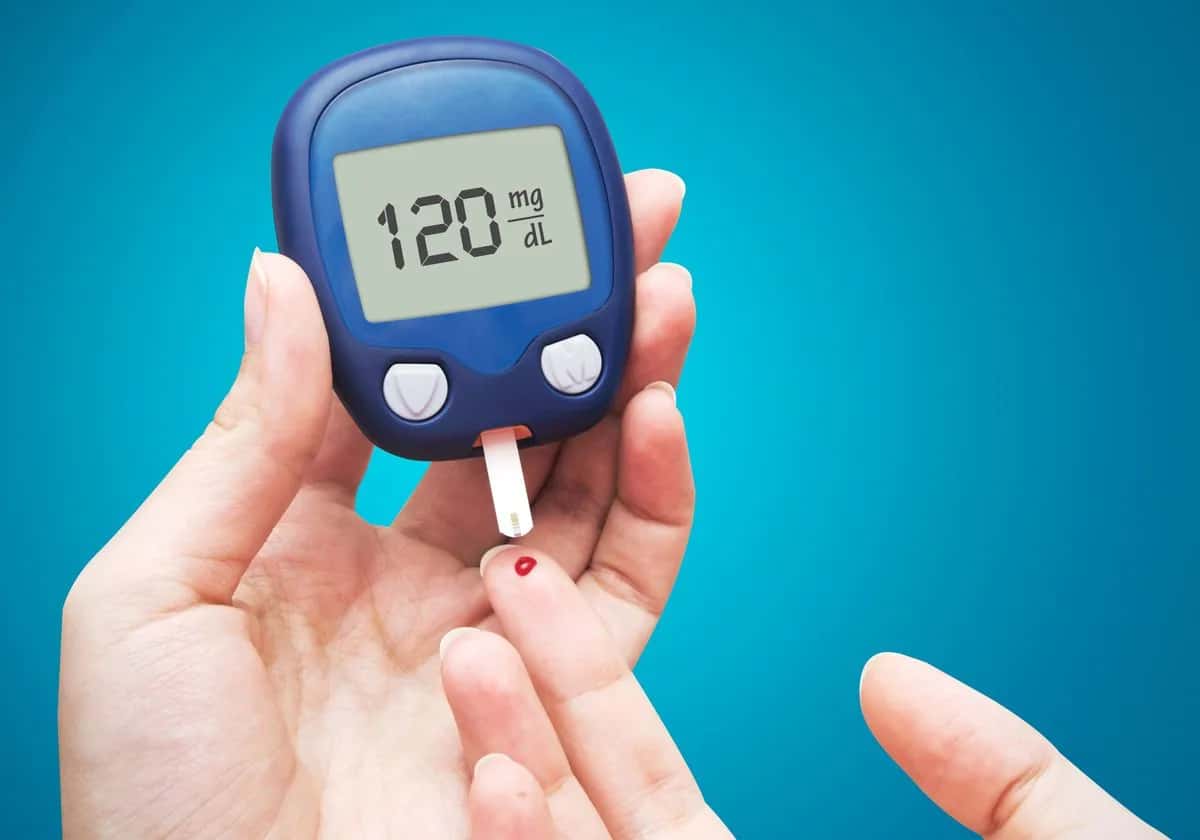
Fasting blood sugar should generally be below 100 mg/dL, or below 5.6 mmol/L, in a nonpregnant adult without diabetes. A fasting plasma glucose between 100 and 125 mg/dL falls within the prediabetes range.
A result of 126 mg/dL or higher reaches the diagnostic threshold for diabetes, although confirmation is usually required when obvious hyperglycemia is absent. Blood glucose naturally changes from day to day, so one borderline measurement should not be interpreted without context.
Fasting glucose also differs from treatment targets used for people already diagnosed with diabetes.
What Is Considered a Normal Fasting Blood Sugar Level?
A normal fasting plasma glucose level is generally 70 to 99 mg/dL, with values below 100 mg/dL remaining outside the prediabetes range. The equivalent upper limit is approximately 5.5 mmol/L when glucose is reported using international units.
These values apply to laboratory fasting plasma glucose in nonpregnant individuals rather than every glucose measurement taken throughout the day. Blood sugar normally rises after eating and can fluctuate because of sleep, stress, illness, physical activity, and medication.
A normal fasting result is reassuring, but it does not always exclude abnormalities that may appear on HbA1c or an oral glucose tolerance test.
What Fasting Blood Sugar Level Indicates Prediabetes?
A fasting plasma glucose level from 100 to 125 mg/dL indicates the prediabetes range in nonpregnant adults. This range corresponds to impaired fasting glucose and reflects higher glucose than normal without reaching the diagnostic threshold for diabetes.
The main fasting glucose categories are:
-
Normal: 99 mg/dL or below
-
Prediabetes: 100 to 125 mg/dL
-
Diabetes range: 126 mg/dL or above
Prediabetes does not mean diabetes is inevitable. However, higher fasting glucose within this range signals increased metabolic risk and deserves attention alongside HbA1c, body composition, blood pressure, lipids, and family history.
What Fasting Blood Sugar Level Indicates Diabetes?
A fasting plasma glucose of 126 mg/dL or higher reaches the diagnostic threshold for diabetes when the person has fasted appropriately. In the absence of unmistakable hyperglycemia, the diagnosis normally requires confirmatory testing rather than relying on one isolated result.
Confirmation may involve repeating fasting glucose or using another accepted diagnostic test, depending on the clinical situation. This approach matters because fasting glucose shows one moment in time and has natural biological variability.
Values well above the threshold deserve timely assessment, particularly when excessive thirst, frequent urination, blurred vision, unexplained weight loss, or other hyperglycemia symptoms are present.
Is a Fasting Blood Sugar of 70 mg/dL Normal?
A fasting blood sugar of 70 mg/dL sits at the lower end of the commonly accepted normal fasting range for many adults. Someone who feels well at this level may have normal glucose regulation without any meaningful problem.
However, the significance changes when the person develops sweating, shaking, dizziness, confusion, weakness, or other symptoms associated with low blood glucose. Medications that lower glucose can also make lower readings more clinically important.
A single value should therefore be interpreted alongside symptoms, medication use, diabetes status, and repeated measurements. Levels falling below 70 mg/dL require greater attention, especially when symptoms occur.
Is a Fasting Blood Sugar of 90 mg/dL Normal?
A fasting blood sugar of 90 mg/dL is within the normal fasting glucose range for a nonpregnant adult. It remains below the 100 mg/dL threshold used to identify impaired fasting glucose.
This result generally indicates that the body is maintaining fasting glucose effectively at the time of testing. However, fasting glucose represents only one part of overall glucose metabolism.
Someone can occasionally have normal fasting glucose while HbA1c or a glucose tolerance test identifies a separate abnormality. The value therefore provides useful information without describing every aspect of insulin sensitivity or post-meal glucose control.
Is a Fasting Blood Sugar of 100 mg/dL High?
A fasting blood sugar of 100 mg/dL is slightly above the normal fasting range and marks the lower boundary of impaired fasting glucose. Under current diagnostic criteria, this result falls within the prediabetes range rather than the normal category.
One result at exactly 100 mg/dL does not mean that type 2 diabetes will develop. Fasting glucose can shift because of sleep, illness, recent lifestyle changes, stress, or ordinary biological variation.
The value becomes more meaningful when repeated results remain elevated or when HbA1c, waist circumference, triglycerides, blood pressure, and family history indicate additional metabolic risk.
Is a Fasting Blood Sugar of 110 mg/dL High?
A fasting blood sugar of 110 mg/dL is above the normal range and falls within the 100 to 125 mg/dL prediabetes category. This value indicates impaired fasting glucose rather than diabetes by itself.
The result suggests that glucose regulation is less efficient than it should be during fasting conditions. Insulin resistance often contributes, although fasting glucose alone cannot identify the exact underlying mechanism.
Repeated testing can help distinguish a persistent pattern from a temporary rise. HbA1c may also provide useful context because it reflects average glucose exposure over a much longer period than one fasting measurement.
Is a Fasting Blood Sugar of 125 mg/dL High?
A fasting blood sugar of 125 mg/dL is high and sits at the upper edge of the prediabetes range. It remains just below the 126 mg/dL fasting plasma glucose threshold used for diagnosing diabetes.
Because the value is close to the diagnostic boundary, follow-up becomes particularly important. Fasting glucose can vary within the same person, so one measurement should not determine the entire metabolic assessment.
HbA1c, repeated fasting glucose, or another appropriate glucose test can clarify whether the elevation persists. Lifestyle, medications, recent illness, sleep, and other metabolic conditions can also influence the result.
What Does a Fasting Blood Sugar of 126 mg/dL Mean?
A fasting plasma glucose of 126 mg/dL reaches the diagnostic threshold for diabetes, but an isolated result generally requires confirmation when unequivocal hyperglycemia is absent. Current criteria recognize this value as the point where fasting glucose enters the diabetes range.
The distinction between 125 and 126 mg/dL is diagnostically important, although biological glucose levels do not change suddenly because of one numerical point. Measurement variation also matters near the threshold.
For that reason, repeated or complementary testing helps establish whether the result reflects persistent hyperglycemia rather than a temporary fluctuation.
How Long Should You Fast Before a Blood Sugar Test?
A fasting plasma glucose test generally requires at least eight hours without caloric food or drinks before the blood sample is collected. Morning testing is commonly used because an overnight fast makes the required period easier to complete consistently.
Eating before the test can raise glucose and make the result unsuitable for standard fasting interpretation. Drinks containing sugar, milk, cream, or other calories can create the same problem.
Following the laboratory instructions closely improves comparison between different measurements. If the fasting period was incomplete, that information should be considered before interpreting a borderline or unexpectedly high result.
Can You Drink Water Before a Fasting Blood Sugar Test?
Plain water can generally be consumed during the fasting period because it does not contain carbohydrates or calories that directly raise blood glucose. Adequate hydration may also make blood collection easier without invalidating the fasting state.
Coffee, sweetened tea, juice, milk, energy drinks, and other caloric beverages should not replace water during a fasting glucose test. Even small additions to coffee can technically break a strict laboratory fast.
People should also follow any specific instructions supplied with their laboratory appointment, particularly when several blood tests are being performed together and another test has different preparation requirements.
What Can Raise Fasting Blood Sugar?
Fasting blood sugar can rise because of insulin resistance, prediabetes, diabetes, acute illness, inadequate sleep, stress hormones, certain medications, or short-term changes in normal metabolism. A high result therefore does not always have one explanation.
Illness and significant stress can temporarily increase glucose because hormones such as cortisol encourage the liver to release more stored glucose. Some medications can also affect glucose regulation.
Persistent elevation carries more metabolic significance than a single temporary increase. Repeated fasting glucose, HbA1c, medication history, symptoms, and overall health help distinguish chronic glucose dysregulation from a short-lived change.
Why Can Fasting Blood Sugar Be High in the Morning?
Morning fasting blood sugar can rise because hormones released before waking encourage the liver to release glucose into the bloodstream. This normal physiological response becomes more noticeable when insulin does not control liver glucose output efficiently.
People with insulin resistance or diabetes may therefore see higher morning values despite not eating overnight. Sleep quality, late meals, illness, medication timing, and overall glucose control can further influence the reading.
One elevated morning value does not reveal the cause by itself. Repeated patterns and comparison with HbA1c or other glucose measurements provide much more useful information than an isolated morning result.
Can Fasting Blood Sugar Be High Without Diabetes?
Fasting blood sugar can be elevated without reaching the diagnostic criteria for diabetes, particularly when the value falls between 100 and 125 mg/dL. This range is classified as impaired fasting glucose or prediabetes.
Temporary elevations can also develop during acute illness, severe stress, disrupted sleep, or exposure to medications that affect glucose regulation. These influences make repeated testing important when a result appears unexpectedly high.
A fasting value should therefore be interpreted according to its range, persistence, and surrounding clinical picture. Diabetes should not be diagnosed from every isolated elevated reading.
What Is the Difference Between Fasting Blood Sugar and HbA1c?
Fasting blood sugar measures glucose at one point after an overnight fast, while HbA1c estimates average glucose exposure over roughly the previous two to three months. These tests therefore examine glucose regulation from different perspectives.
A person can have a normal fasting glucose result while HbA1c falls within the prediabetes range, because the tests do not always identify the same individuals.
Fasting glucose responds more readily to short-term changes such as illness, sleep, stress, or recent lifestyle patterns. HbA1c changes more slowly and provides a broader picture of longer-term glucose exposure.
Can a Home Glucose Meter Diagnose Diabetes?
A home glucose meter can identify concerning glucose readings, but laboratory testing should be used to establish a formal diagnosis of diabetes. Diagnostic fasting plasma glucose thresholds were developed for appropriately processed laboratory blood samples rather than routine home meter measurements.
Home meters remain valuable for monitoring glucose patterns, especially in people who already have diabetes. Their readings can also indicate when further laboratory assessment is appropriate.
If repeated home fasting results appear unusually high, the next step should involve proper diagnostic testing rather than treating the meter reading as a confirmed diagnosis.
Is Fasting Blood Sugar Different During Pregnancy?
Fasting glucose during pregnancy is interpreted differently because pregnancy changes glucose metabolism and uses separate criteria for gestational diabetes assessment. Standard nonpregnant fasting thresholds should therefore not be applied automatically to a pregnant person.
Placental hormones progressively change insulin sensitivity as pregnancy advances, making glucose assessment a distinct clinical situation. Testing may also involve a glucose challenge or oral glucose tolerance procedure with pregnancy-specific cutoffs.
Someone who is pregnant should interpret fasting glucose within the pregnancy testing framework rather than comparing the result only with general adult ranges used outside pregnancy.
When Should High Fasting Blood Sugar Be Rechecked?
High fasting blood sugar should generally be rechecked when an abnormal result does not occur alongside unequivocal hyperglycemia or a clear hyperglycemic crisis. Confirmatory testing is particularly important when a fasting result reaches or exceeds the diabetes threshold.
Borderline results can also benefit from follow-up because fasting glucose has natural biological variability. A repeated fasting test or another accepted diagnostic test can show whether the abnormality persists.
Very high readings combined with excessive thirst, frequent urination, unexplained weight loss, blurred vision, or significant illness require more immediate assessment rather than routine delayed monitoring.
How Can Fasting Blood Sugar Improve?
Fasting blood sugar can improve when insulin sensitivity, nutrition, physical activity, sleep, body composition, and overall metabolic health improve. Regular movement helps muscles use glucose more efficiently, while reducing excess visceral fat can decrease insulin resistance.
A balanced eating pattern that supports appropriate calorie intake, adequate protein, fiber, and minimally processed foods can also improve glucose regulation. Better sleep and sustainable weight management may further reduce fasting glucose over time.
Persistent high glucose still requires appropriate medical assessment because lifestyle changes do not replace diagnosis or necessary treatment. Improvement should be evaluated through repeated laboratory measurements rather than symptoms alone.
- Last updated
- Language
- English
How did you find this article?
This guide explains what HOMA-IR measures, how it is calculated, what higher values can suggest, and why the result should be interpreted with other metabolic findings.
This guide explains the most common signs of insulin resistance, which symptoms are indirect, how metabolic changes appear, and when blood testing becomes more informative than symptoms alone.
This guide explains how Mounjaro can affect weight, appetite, body composition, weight-loss plateaus, side effects, treatment discontinuation, and realistic long-term weight management.
Subscribe to the Medifinder newsletter and never miss our latest content.