










Is a Gastric Balloon Risky? Risks, Side Effects and Safety Guide
A clear guide to gastric balloon side effects, serious complications, warning signs, recovery and practical questions to ask before treatment.

- Last updated
- 3 reads
- 6 min read
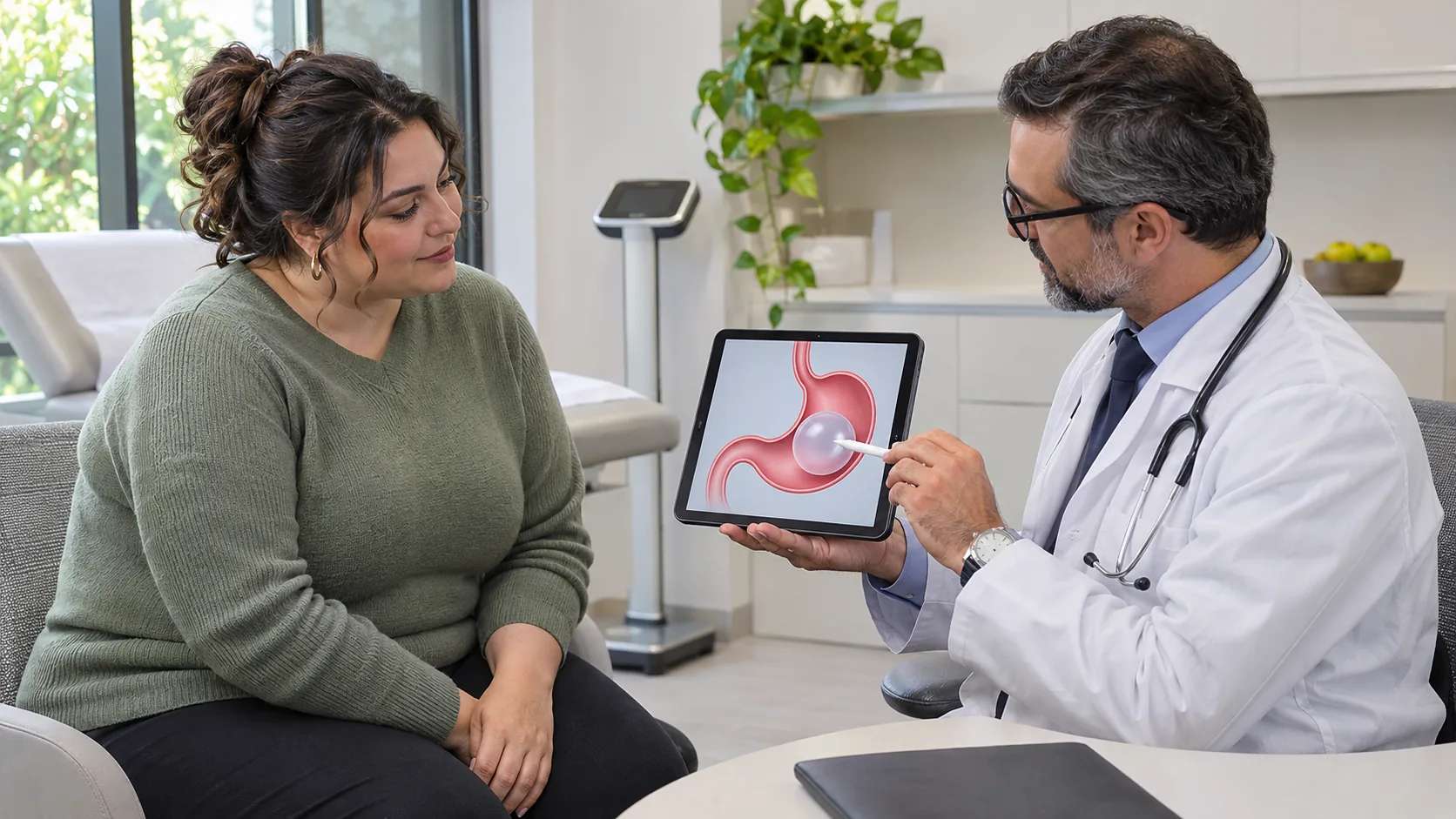


A gastric balloon is a temporary weight management device placed inside the stomach to create a feeling of fullness with less food. It does not involve cutting the stomach or rerouting the intestines, which is why many people see it as a gentler option than bariatric surgery. Gentler does not mean risk-free, however. The right question is not whether a gastric balloon is completely safe, but how its benefits, side effects and uncommon complications should be weighed.
Is a Gastric Balloon Risky?
For most suitable patients, a gastric balloon is performed without a major complication, but the first days can be uncomfortable. Nausea, stomach cramps, reflux, bloating and vomiting are common while the stomach adapts to the device. These symptoms often improve with prescribed treatment, hydration and a gradual diet plan. A small number of patients experience problems that require urgent medical assessment, early removal or another procedure.
Risk is influenced by the type of balloon, how it is inserted, the patient’s medical history, the quality of follow-up and how quickly warning signs are recognized. A balloon should therefore be approached as a medical treatment with structured monitoring, not as a simple shortcut for weight loss.
How a Gastric Balloon Works
An endoscopically placed balloon is inserted through the mouth and positioned in the stomach before it is filled with liquid or gas. A swallowable system follows a different process and may pass through the digestive tract after its treatment period. In both cases, the device takes up space and may slow the movement of food, helping a person feel satisfied sooner.
The balloon itself does not permanently change the stomach. Long-term results depend on eating habits, activity, sleep, emotional health and follow-up support. Weight can return after removal if the habits that supported weight loss are not maintained.
Common Side Effects After Placement
The first several days are usually the most demanding. The stomach may react as if it needs to empty a foreign object, leading to waves of nausea, cramping or vomiting. Heartburn and belching can also occur. Some people feel tired because they are eating and drinking less than usual.
- Nausea and vomiting
- Abdominal cramps or pressure
- Bloating, belching and indigestion
- Acid reflux or a burning sensation
- Temporary dehydration and weakness
- Constipation or changes in bowel habits
These effects should gradually become easier to manage. Persistent vomiting is not something to simply tolerate because it can cause dehydration, electrolyte imbalance, kidney strain and injury to the esophagus.
Serious Gastric Balloon Complications
Serious problems are uncommon, but they are important to understand. A balloon may deflate, overinflate, move from its intended position or irritate the stomach lining. Deflation can allow the device to pass into the intestine, where it may cause an obstruction. Overinflation can create severe pain, vomiting or pressure on nearby organs and may require early removal.
Other reported complications include ulcers, bleeding, inflammation of the pancreas, infection, aspiration related to vomiting and, rarely, a tear or hole in the stomach wall. A perforation is a medical emergency and may require surgery. The risk profile also varies between liquid-filled, gas-filled, endoscopic and swallowable systems, so the exact device instructions matter.
When Stomach Pain After a Balloon Is an Emergency
Mild discomfort can be expected shortly after placement, but severe or worsening pain needs attention. Seek urgent care for intense abdominal pain, repeated vomiting, inability to keep fluids down, a rigid or swollen abdomen, black stools, vomiting blood, fainting, fever, confusion or sudden shortness of breath.
Blue or green urine can occur with some liquid-filled balloons if the device leaks dye, but any unexpected color change should still be reported promptly. Do not wait for a routine appointment if symptoms are escalating. A person with a balloon should carry the device information provided after placement so emergency staff can identify it quickly.
Who May Not Be a Good Candidate?
A gastric balloon is not appropriate for everyone. Conditions affecting the esophagus or stomach, active ulcers, previous gastrointestinal surgery, uncontrolled reflux, bleeding disorders, pregnancy and some medicines may alter the safety of the procedure. A history of eating disorders, difficulty following follow-up instructions or inability to maintain hydration can also make the treatment unsuitable.
Assessment normally includes a detailed history, medication review and, when indicated, tests of the upper digestive tract. The purpose is not to exclude people unfairly; it is to identify avoidable risk before a device is placed. A complete list of previous operations, allergies, supplements and chronic conditions should be shared honestly.
How to Make Treatment Safer
Safety begins with choosing a properly authorized device and a facility prepared for endoscopy, sedation and emergency care. Patients should know who will insert and remove the balloon, who will manage anesthesia, how follow-up works and which hospital is used if a complication occurs.
After placement, follow the staged diet plan carefully. Small sips can be easier than large drinks, and rapid eating can trigger pain or vomiting. Take prescribed acid-suppression or anti-nausea medicine exactly as directed. Avoid alcohol and unapproved anti-inflammatory medicines if they may irritate the stomach. Keep scheduled reviews even when symptoms are improving.
Hydration deserves special attention. Dark urine, dizziness on standing, very low urine output, dry mouth and marked fatigue can signal dehydration. Contact the care team early rather than trying to correct severe dehydration alone.
Gastric Balloon Removal and Long-Term Considerations
Many endoscopic balloons are designed to remain in place for a limited period and then be removed. Removal is not optional for devices that require a planned endoscopic procedure. Delaying removal beyond the recommended period can increase the chance of material breakdown, deflation or other complications.
Weight loss may slow after the first months. Some patients experience a plateau, while others regain weight after removal. The balloon works best when it is used as a period of intensive habit change rather than a stand-alone solution. Nutrition support, movement, sleep and psychological care can make the transition after removal more stable.
Questions to Ask Before Choosing a Gastric Balloon
- Which balloon system is being offered and how long will it remain in place?
- What symptoms are expected during the first week?
- Which medicines should be paused or adjusted?
- How will dehydration, reflux or persistent vomiting be treated?
- What is the emergency plan for obstruction, bleeding or perforation?
- Who will remove the device and what follow-up is included?
Frequently Asked Questions About Gastric Balloon Safety
Is a gastric balloon safer than bariatric surgery?
It is less invasive than operations that permanently alter the stomach or intestine, but it still has device, sedation and digestive complications. Less invasive does not mean risk-free.
How long do nausea and vomiting last?
They are often strongest during the first few days and then improve, but persistent or severe vomiting requires prompt assessment to prevent dehydration and to rule out a complication.
Can a gastric balloon cause a blockage?
A deflated or displaced balloon can move into the intestine and create an obstruction. Severe cramping, repeated vomiting, abdominal swelling or inability to pass stool or gas are warning signs.
What should be done if the balloon feels different?
New pressure, sudden fullness, severe reflux, unusual urine color or abrupt symptom changes should be reported to the treatment team. Device details can help clinicians act quickly.
Does weight return after the balloon is removed?
It can. The device supports portion control temporarily, while lasting results depend on the eating, activity and follow-up habits built during treatment.
- Last updated
- Language
- English
How did you find this article?

Understand what Ozempic Face means, why rapid weight loss can change facial volume, and which skin-care and cosmetic options may help.

A practical guide to bariatric surgery coverage, medical necessity, eligibility criteria, pre-authorization and out-of-pocket costs.
This guide explains healthy fasting blood sugar levels, prediabetes and diabetes ranges, testing requirements, common causes of abnormal results, and how fasting glucose should be interpreted.
Subscribe to the Medifinder newsletter and never miss our latest content.